How to Remove and Install Car Battery Safely & Correctly
It usually happens when you’re replacing an old battery that won’t hold a charge or helping someone whose car refuses to start. You pop the hood, look at the battery, and then hesitate—which cable comes off first, and what if you reconnect something the wrong way? If you’ve ever wondered how to remove and install a car battery without causing problems, you’re not alone.
I’ve seen plenty of people turn a simple battery replacement into an expensive repair by disconnecting the terminals in the wrong order, using the wrong tools, or failing to secure the new battery properly.
Even though it’s one of the easiest maintenance jobs on a vehicle, a few small mistakes can lead to electrical issues, damaged terminals, or unnecessary frustration.
Knowing the correct procedure isn’t just about getting the engine running again. It helps protect your vehicle’s electrical system, extends the life of your new battery, and saves you the cost of paying a shop for a job you can often handle yourself in less than an hour.
I’ll show you the exact steps I use to remove an old car battery and install a new one safely. You’ll also learn which tools you need, the safety precautions worth taking, and the common mistakes that can turn a quick battery swap into a much bigger headache.
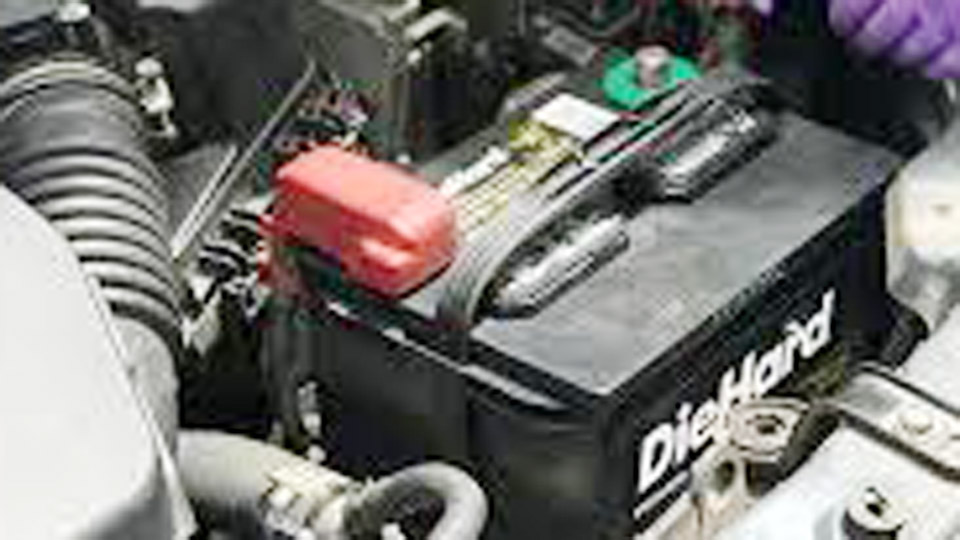
Image by advanceautoparts
Why Replacing Your Car Battery Matters
Your car’s battery is more than just a power source for starting the engine. It keeps the electronics running, stores energy from the alternator, and helps your car run smoothly. A weak or failing battery can cause slow starts, electrical issues, and even leave you stranded.
Statistics show that battery failures are one of the top causes of roadside breakdowns in the US, especially in extreme weather. Most car batteries last 3–5 years, but climate, driving habits, and maintenance can affect this.
Essential Tools And Safety Gear
Before you start, make sure you have the right equipment. Using proper tools and safety gear prevents accidents and makes the job easier.
- Wrench or socket set (usually 10mm for most battery terminals)
- Battery terminal puller (optional but helpful if terminals are tight)
- Protective gloves (to shield your skin from acid and corrosion)
- Safety goggles (protect your eyes from sparks or acid)
- Wire brush (for cleaning terminals)
- Battery carrier or strap (batteries are heavy and awkward)
- Rags or paper towels
- Anti-corrosion spray (optional, helps protect new terminals)
Never use metal tools near battery terminals unless you’re careful. Accidental contact can cause dangerous sparks.
Preparing Your Car For Battery Removal
Taking a few minutes to prepare your car will make the process safer and smoother.
- Turn off the engine and remove the key. Make sure all electronics are off.
- Park in a safe location—flat ground, away from traffic.
- Open the hood and secure it with the prop rod.
- Identify the battery location. Most are near the front, but some cars place them in the trunk or under seats.
- If your car has a radio security code, write it down. Removing the battery may reset the radio.
Step-by-step: How To Remove A Car Battery
Follow these detailed steps to remove your battery safely and avoid damaging your car’s electrical system.
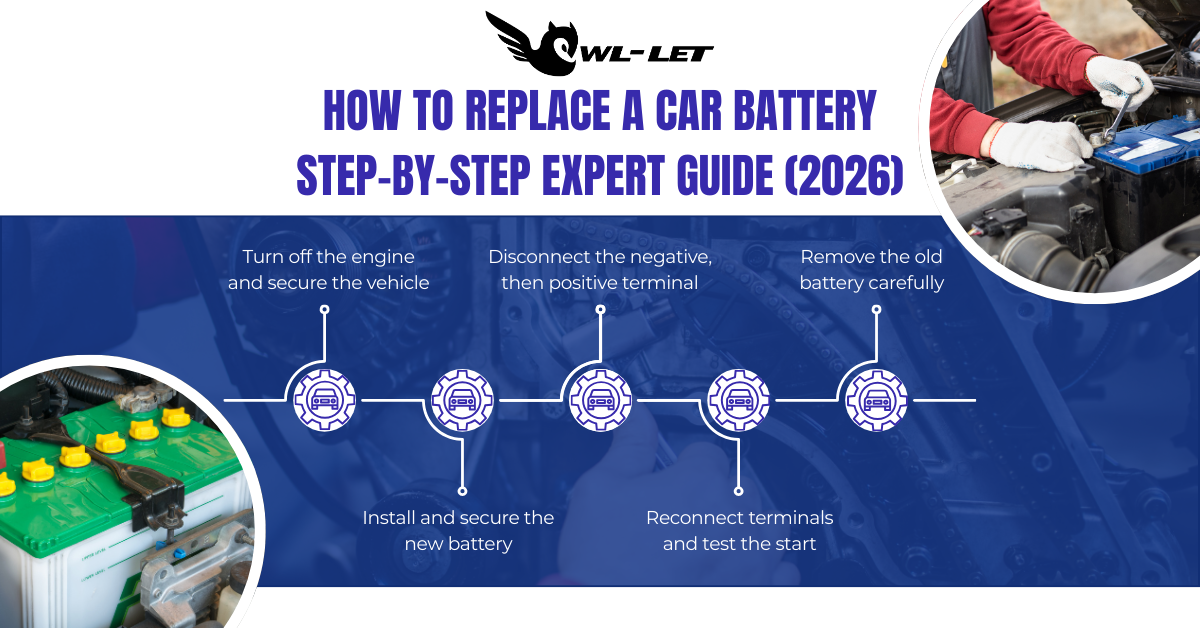
1. Locate Battery Terminals
Most batteries have two terminals: positive (+) (often red) and negative (–) (often black). The negative is usually connected to the car’s frame (ground).
2. Disconnect The Negative Terminal First
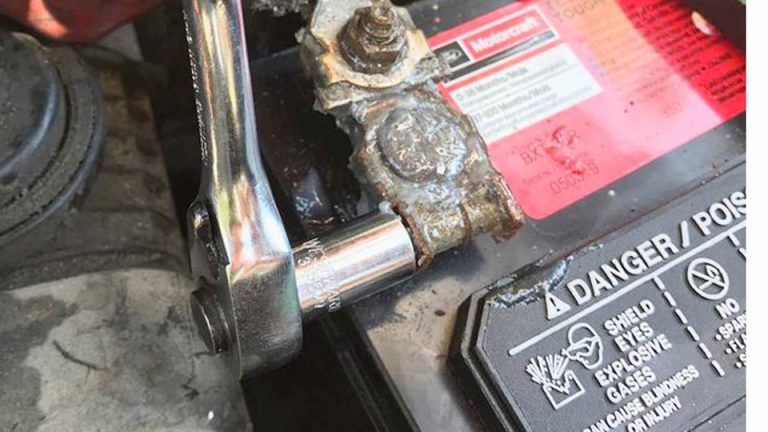
Loosen the nut on the negative terminal using your wrench. Gently twist and lift the cable away from the battery. This step prevents accidental short circuits.
3. Disconnect The Positive Terminal
Repeat the process for the positive terminal. Be extra careful—accidentally touching metal tools between terminals can cause sparks.
4. Remove Any Battery Hold-downs
Most batteries are secured by a clamp or strap. Use your wrench to loosen and remove it.
5. Lift The Battery Out Carefully
Batteries can weigh 30–50 lbs. Use a battery carrier or both hands. Avoid tilting the battery; some types contain liquid acid that can leak.
6. Inspect The Battery Tray And Terminals
Check for corrosion, dirt, or rust. Clean the tray and terminals with a wire brush and a solution of baking soda and water if needed.
Common Mistakes In Battery Removal
- Disconnecting positive first: This risks short circuits.
- Forgetting security codes: Radio or alarm systems may lock.
- Dropping the battery: Can cause acid leaks or damage.
Choosing The Right Replacement Battery
Picking the correct battery is crucial for performance and safety. Not all batteries are the same—different cars need different sizes, ratings, and types.
Key Factors To Consider
- Size and fit: Check your car’s manual for the correct group size.
- Cold Cranking Amps (CCA): Higher CCA means better starting in cold weather.
- Reserve Capacity (RC): Longer RC helps run electronics if the alternator fails.
- Brand and warranty: Choose reputable brands with good warranties (3–5 years common).
- Battery type: Most cars use lead-acid, but some newer models need AGM or gel batteries.
Battery Comparison Example
Below is a sample comparison of three common battery brands and specs:
| Brand | Size | CCA | Warranty | Price (USD) |
|---|---|---|---|---|
| Optima RedTop | Group 34 | 800 | 3 years | $220 |
| Interstate Mega-Tron | Group 24F | 700 | 2 years | $160 |
| DieHard Gold | Group 35 | 650 | 3 years | $180 |
Where To Buy
You can buy batteries at auto parts stores, big box retailers, or online. Always match the group size and check return policies.
How To Install A New Car Battery
Installing your new battery is just as important as removal. Follow these steps for a safe and successful installation.
1. Clean Battery Terminals And Tray
Before placing the new battery, clean the tray and terminal connectors with a wire brush. Remove all corrosion. You can use anti-corrosion spray for extra protection.
2. Place The New Battery In The Tray
Make sure the battery sits flat and the terminals are in the correct position (positive to positive).
3. Secure The Battery With Hold-downs
Replace the clamp or strap and tighten it so the battery doesn’t move. Loose batteries can vibrate and fail early.
4. Connect The Positive Terminal First
Attach the positive cable to the battery’s positive post. Tighten the nut securely.
5. Connect The Negative Terminal
Attach the negative cable. Tighten it, but don’t overtighten. Make sure both connections are snug.
6. Check All Connections
Wiggle the cables. They should not move. Loose connections can cause starting problems.
7. Test The New Battery
Start your car. If it starts easily and electronics work, the installation is successful. If not, check your connections.
Typical Battery Lifespans
Car batteries typically last 3–5 years. Climate, driving habits, and maintenance can change this lifespan.
| Climate | Average Battery Life | Notes |
|---|---|---|
| Hot (Southern US) | 2–3 years | Heat speeds up wear |
| Cold (Northern US) | 3–5 years | Low temps slow chemical reactions |
| Moderate | 4–5 years | Ideal for battery life |
Credit: www.owl-let.com
Post-installation Checks And Troubleshooting
After you install the battery, take a few extra steps to ensure everything works smoothly.
- Check for warning lights: If your dashboard shows battery or check engine lights, recheck all connections.
- Reset radio and clock: If your car lost power, you may need to set these again.
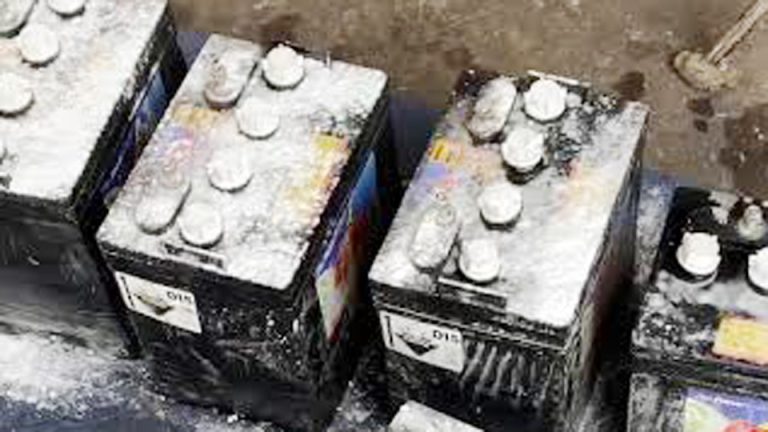
- Look for corrosion: White, powdery residue means corrosion. Clean it promptly.
- Test headlights and electronics: Weak lights may signal a loose connection.
If your car still doesn’t start, double-check the battery orientation and cable connections.
Disposing Of Old Car Batteries Safely
Car batteries contain lead and acid, which are harmful to the environment. Never toss them in the trash. Most auto shops, retailers, and recycling centers accept old batteries. Some stores even give a core charge refund (usually $10–$15) for returning your old battery.
Battery Recycling Statistics
In the US, over 99% of lead-acid batteries are recycled. Recycling helps recover lead and plastic, reducing pollution.
For more information on safe battery disposal and recycling, see this official guide from EPA.

Credit: www.youtube.com
Practical Tips For Battery Maintenance
A new battery can last longer with regular care. Here are expert tips to maximize your battery’s life:
- Keep terminals clean: Wipe off corrosion every few months.
- Check battery voltage: Use a multimeter; healthy batteries show 12.6–12.8 volts when fully charged.
- Avoid short trips: Frequent starts drain batteries; longer drives recharge them.
- Secure the battery: Make sure the hold-down is tight.
- Turn off electronics: Don’t leave lights or radio on when the engine is off.
- Monitor for swelling or leaks: Replace immediately if you notice these signs.
Non-obvious Insights
- Extreme heat is often worse for batteries than cold. Many drivers focus on winter, but summer is tougher on battery life.
- Aftermarket electronics (like alarms or dash cams) can drain batteries faster, especially if installed incorrectly.
Advanced Tips: Handling Modern Car Batteries
Some newer vehicles use AGM (Absorbed Glass Mat) or gel batteries. These types require special care:
- Use the right charger; standard chargers may damage AGM batteries.
- AGM batteries can be mounted in different positions (even sideways).
- They handle vibrations better and last longer, but cost more.
If your car uses a start-stop system or lots of electronics, AGM batteries are often required.
| Battery Type | Pros | Cons | Best For |
|---|---|---|---|
| Lead-Acid | Affordable, easy to find | Shorter life, needs maintenance | Older cars, basic models |
| AGM | Longer life, better for electronics | More expensive, special charger needed | Newer cars, start-stop systems |
| Gel | No leaks, handles vibration | Expensive, less common | Off-road, specialty vehicles |
Mistakes To Avoid When Removing And Installing Batteries
Avoiding these errors can save you time, money, and headaches:
- Touching both terminals with tools: Causes sparks and possible injury.
- Installing the battery backward: Reversed polarity can damage electronics.
- Leaving terminals loose: Leads to starting problems.
- Not cleaning corrosion: Reduces battery life and efficiency.
- Ignoring battery type: Using the wrong battery can cause electrical issues.
- Dropping the battery: Can crack the case and leak acid.
Real-life Examples And Stories
Many drivers have learned these lessons the hard way. For example, a Texas driver replaced their battery in summer without gloves and received a minor acid burn—always wear protection. Another driver forgot to tighten the hold-down, and the battery shifted, causing starting problems.
A third case involved installing a battery with reversed polarity, which damaged the car’s computer ($800 repair). These stories highlight the importance of following each step carefully.
Frequently Asked Questions
What Happens If I Connect The Battery Terminals In The Wrong Order?
Connecting the terminals in the wrong order can cause sparks, damage electronics, or even blow a fuse. Always disconnect negative first and reconnect positive first for safety.
Can I Use Any Battery For My Car?
No, you must use a battery with the correct size, CCA, and type for your vehicle. Check your owner’s manual or ask an auto parts store for help.
How Do I Know My Battery Needs Replacement?
Signs include slow engine starts, dim lights, warning lights on the dash, or the battery being over 3–5 years old. If your battery voltage is low (below 12 volts), it’s likely time to replace.
Is It Safe To Replace A Car Battery Myself?
Yes, with the right tools and safety gear, most people can replace a battery safely. Always follow proper steps and wear gloves and goggles.
Where Should I Recycle My Old Car Battery?
Most auto parts stores, retailers, and recycling centers accept old batteries. The EPA recommends recycling to avoid environmental harm. Some stores offer a refund for returning your battery.
Replacing a car battery may seem challenging at first, but with clear steps and careful attention, you can do it confidently. Proper battery care and safe installation not only keep your car running reliably but also protect the environment and save money.
Whether you’re faced with a dead battery or want to upgrade, following these guidelines ensures you’re ready for the task. If you’re ever unsure, seek professional help—but for most drivers, changing a battery is a skill worth mastering.