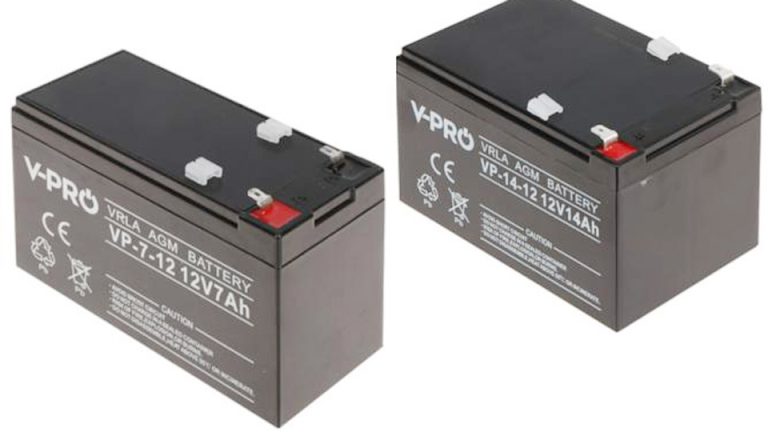
How to Remove Batteries From Serta Remote Safely
You pick up your Serta adjustable bed remote, press a button, and nothing happens. Your first thought is that the remote has stopped working, but in many cases, the batteries simply need to be replaced.
The problem is that figuring out how to remove batteries from Serta remote isn’t always as straightforward as you’d expect, especially when the battery compartment is hidden or the cover won’t budge.
I’ve helped troubleshoot plenty of battery-powered remotes over the years, and it’s surprising how often people end up forcing the battery cover open or using the wrong tool. That can crack the plastic housing, damage the battery contacts, or make a simple battery replacement much more frustrating than it needs to be.
Taking a few extra minutes to remove the batteries correctly can save you from unnecessary repairs and ensure the remote continues to work reliably. It also gives you a chance to inspect the battery compartment for corrosion, weak contacts, or old batteries that may be causing intermittent performance.
I’ll show you the safest way to remove batteries from a Serta remote, explain what to do if the battery cover is stuck, and share a few practical tips to help you replace the batteries without damaging the remote.
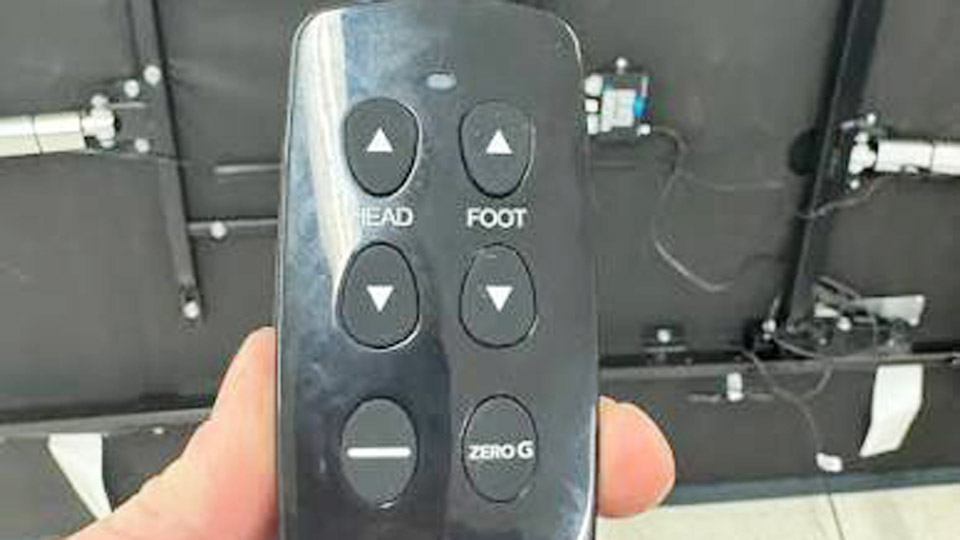
Image by MattressPeople
Understanding Battery Basics: Voltage, Capacity, and What Matters
Batteries store energy through chemical reactions. Apply a load and they release power; feed them the right voltage and current and they recharge. The two numbers you need to watch are voltage (pressure) and capacity (how long it lasts).
Most car starting batteries are 12-volt systems. Deep-cycle and solar batteries often run at 12V, 24V, or 48V banks. Capacity is measured in amp-hours (Ah)—a 100Ah battery can theoretically deliver 5 amps for 20 hours.
Watt-hours (Wh) give a better energy picture: multiply volts by Ah. A 12V 100Ah battery holds roughly 1,200Wh, though real-world usable capacity is lower depending on chemistry and discharge rate.
In practice, voltage tells you health. A rested 12V lead-acid battery at 12.6V+ is fully charged. Drop below 12.2V and it’s significantly discharged. Lithium setups run higher resting voltages and hold steadier under load.
Common Battery Types: Lead-Acid, AGM, Gel, Lithium, and LiFePO4
Flooded Lead-Acid Batteries
These are the classic, affordable option in most older cars and entry-level solar setups. Liquid electrolyte inside requires regular checks and topping off with distilled water. They tolerate overcharging better than sealed types but vent gases and can spill if tipped.
I still see them in tractors and older trucks. They’re cheap upfront but need maintenance. Expect 3–5 years in a car with decent care, shorter in deep-cycle solar use if cycled hard.
AGM (Absorbent Glass Mat)
Sealed, spill-proof, and vibration-resistant. The electrolyte is absorbed in fiberglass mats. Great for motorcycles, performance cars with high electrical demands, and marine use. They accept higher charge currents and suffer less from sulfation when maintained properly.
Downside: more expensive than flooded and sensitive to overcharging. In my experience, a good AGM in a daily driver lasts 5–7 years easily.
Gel Batteries
Another sealed type with thickened electrolyte. Excellent for very deep discharges and slow charging. They handle heat better than some AGMs but charge slower and don’t like high currents. Less common now for automotive but still solid in some solar and backup applications.
Lithium-Ion and LiFePO4
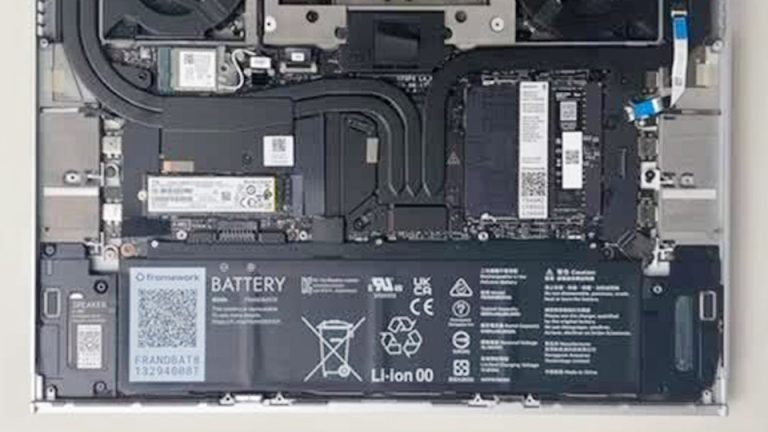
This is where things changed. LiFePO4 (Lithium Iron Phosphate) dominates solar, RV, and marine deep-cycle markets for good reason. They’re lighter, offer 2–4x the usable capacity (you can safely discharge to 20% or lower), last 2,000–5,000+ cycles, and charge faster.
No maintenance, minimal voltage sag, and built-in BMS (Battery Management System) protects against overcharge, over-discharge, and temperature extremes.
The tradeoff is higher upfront cost and sensitivity to very low temperatures without heating elements. In a solar setup I’ve helped install, a 300Ah LiFePO4 bank replaced a 900Ah lead-acid bank and provided more usable power with far less weight.
Real-World Comparison
| Battery Type | Lifespan (Cycles) | Usable Depth of Discharge | Weight (for ~100Ah) | Cost per kWh (approx.) | Best For | Maintenance |
|---|---|---|---|---|---|---|
| Flooded Lead-Acid | 300–800 | 50% | Heavy | Low | Budget cars, occasional use | High |
| AGM | 500–1,200 | 60–80% | Medium | Medium | Cars, boats, vibration | Low |
| Gel | 500–1,000 | 70–80% | Medium | Medium-High | Deep slow discharge | Low |
| LiFePO4 | 2,000–7,000+ | 80–95% | Very Light | Higher | Solar, RV, daily cycling | None |
Choose based on your actual use. Daily deep cycling in solar? Go lithium. Occasional car starting with budget in mind? AGM or flooded works fine.
How Charging Really Works and Why Most People Get It Wrong
Charging isn’t just plugging in. Different chemistries need different profiles: bulk, absorption, and float stages for lead-acid; CC-CV (constant current-constant voltage) for lithium.
Common Charging Mistakes
- Using a cheap automotive charger on a deep-cycle or lithium battery.
- Leaving a maintainer on too long without checking voltage.
- Charging in extreme cold or heat without temperature compensation.
- Mixing old and new batteries in the same bank.
For lead-acid/AGM: Bulk charge around 14.4–14.8V, then float at 13.2–13.8V. Gel prefers lower voltages—around 14.1–14.4V absorption. Lithium typically charges to 14.2–14.6V depending on the BMS and cells. Never use a lead-acid charger’s desulfation mode on lithium.
I once diagnosed a solar installation where the owner used an old-school charger set too high. The LiFePO4 BMS kept shutting down the bank, making it seem “dead.” Switching to a proper lithium-compatible charger fixed it instantly.
Recommended Chargers
- Smart chargers with multi-stage and chemistry selection.
- Solar charge controllers (MPPT preferred) matched to your battery type.
- For vehicles, consider a high-quality maintainer/trickle charger for winter storage.
Step-by-Step: Testing Your Battery’s Health
Don’t guess. Grab a digital multimeter and a load tester.
- Surface Charge Removal: Turn on headlights for 30–60 seconds or drive the vehicle briefly, then let it rest 30 minutes.
- Voltage Test: 12.6V+ = full, 12.4V = 50%, below 12.2V = trouble for lead-acid. Lithium rests higher.
- Load Test: Use a carbon pile tester or have a shop do it. Voltage should stay above 9.6V under load for a 12V battery.
- Specific Gravity (Flooded Only): Use a hydrometer—1.265–1.280 is healthy.
- Capacity Test: For deep-cycle, discharge at a known rate and time it.
For solar banks, monitor with a shunt or battery monitor like a Victron BMV or similar. Voltage alone lies under load.
Battery Maintenance Routines That Actually Work
Monthly Checks
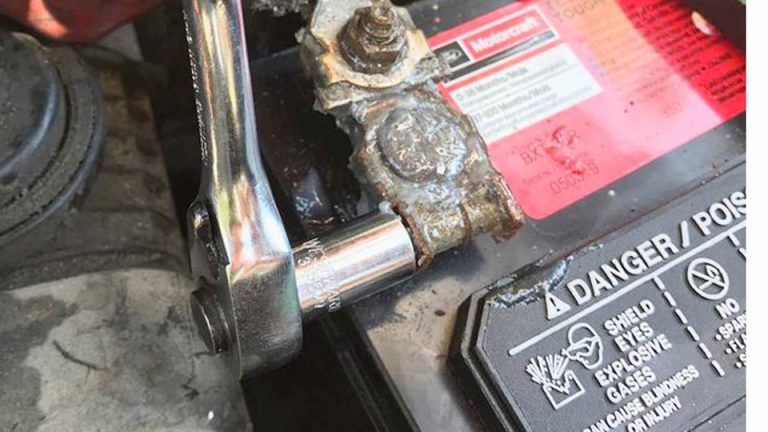
- Clean terminals (baking soda + water for corrosion).
- Check connections for tightness.
- For flooded: inspect electrolyte levels.
- Measure resting voltage.
Storage Tips
Store at 50–80% charge in a cool, dry place (50–70°F ideal). For lead-acid, a maintainer is your friend. Lithium can sit longer with less self-discharge but still benefits from occasional top-up.
Winter Storage for Vehicles
Disconnect the negative terminal or use a trickle charger. I’ve seen too many “dead after winter” calls that could have been prevented with a $30 maintainer.
Solar-Specific Maintenance
Balance your bank if series/parallel. Equalize flooded batteries occasionally (controlled overcharge) to mix electrolyte and reduce stratification. Never equalize sealed or lithium.
Replacing a Battery: What Most Guides Miss
Match group size, CCA (cold cranking amps) for starting batteries, and reserve capacity. For solar, prioritize Ah and cycle life.
Steps for car replacement:
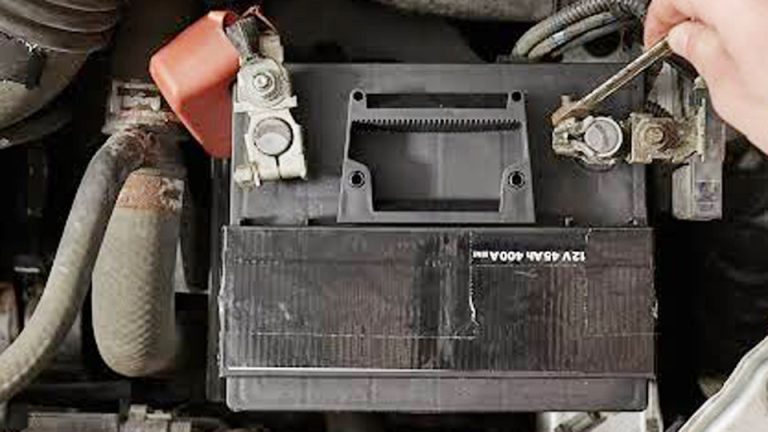
- Disconnect negative first, then positive.
- Remove hold-downs.
- Clean tray.
- Install new battery, positive first, then negative.
- Apply dielectric grease to terminals.
In dual-battery setups (winch, audio, solar), use proper isolators or DC-DC chargers to avoid draining the starting battery.
Troubleshooting Common Battery Problems
Slow Cranking
Low charge, bad connections, or parasitic drain. Check for draws over 50mA with everything off.
Battery Dies Overnight
Parasitic drain from alarms, radios, or faulty diodes in the alternator. Use a multimeter in series on the negative cable.
Overheating or Swelling
Overcharging or internal short. Stop using immediately—fire risk, especially with lithium.
Sulfation
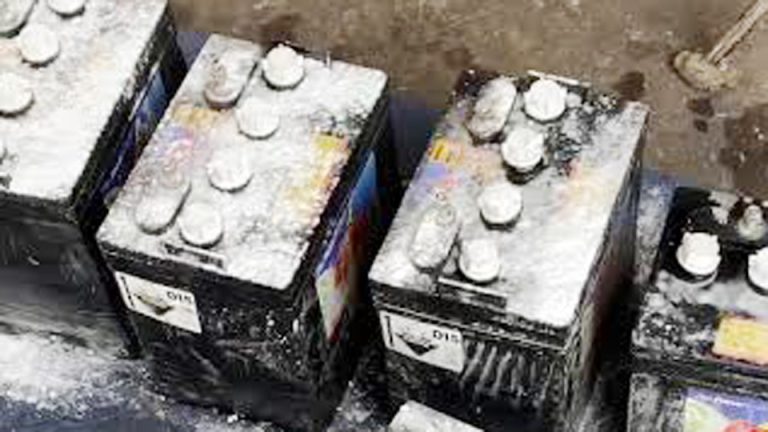
White powder on terminals or reduced capacity from chronic undercharging. Desulfators help somewhat on lead-acid, but prevention beats cure.
Lithium BMS Shutdown
Often low temperature or cell imbalance. Many have Bluetooth apps to diagnose individual cells.
Safety First: Real Risks and How to Avoid Them
Batteries contain acid, hydrogen gas, and stored energy that can cause burns, explosions, or fires.
- Work in ventilated areas.
- Wear eye protection and gloves.
- Never smoke or create sparks near charging batteries.
- For lithium, use BMS-protected packs and never bypass protection.
- Dispose properly—recycling centers or auto parts stores take old batteries.
I’ve seen a poorly vented charger cause a small explosion in a garage. Proper ventilation and correct charger settings prevent almost all incidents.
Battery Applications: Cars, Solar, UPS, Tools, and Beyond
Automotive and Motorcycles
Prioritize cranking power and vibration resistance. Modern stop-start vehicles need AGM or EFB (Enhanced Flooded Battery).
Solar and Off-Grid
Deep-cycle is king. Lithium shines here for efficiency and longevity. Size your bank for 2–3 days of autonomy minimum.
UPS and Backup
Sealed lead-acid or lithium for quick response and reliability during outages.
Power Tools and Electronics
Smaller lithium packs dominate cordless tools for runtime and weight. Follow manufacturer charging guidelines strictly.
Choosing the Right Battery for Your Needs
Ask yourself: How deep will I cycle it? What temperatures? Budget vs. longevity? For most car owners, a quality AGM offers the best balance. Solar users save money long-term with LiFePO4 despite higher initial cost. Calculate total cost of ownership—replacements, maintenance, and downtime.
Practical Recommendations Summary
- Charge lead-acid to 14.4–14.8V absorption, 13.2–13.8V float.
- Lithium to manufacturer spec, usually 14.4–14.6V.
- Never let lead-acid sit below 50% for long.
- Keep terminals clean and tight.
- Invest in a good battery monitor.
- Match chargers to chemistry.
A pro tip from years in the field: When building or expanding a solar bank, oversize by 20–30% and use individual cell monitoring on lithium systems. It catches imbalances early and extends life dramatically.
You now have the practical knowledge to diagnose issues, choose wisely, maintain properly, and avoid the expensive mistakes that catch most people off guard. Next time your system acts up, you’ll know exactly where to start and what to check instead of guessing or replacing parts prematurely.
FAQ
How often should I test my car battery?
Test every 3–6 months, especially before winter and after long trips. A quick voltage check takes seconds and catches problems early.
Can I use a car charger on a solar deep-cycle battery?
Only if it has a deep-cycle or AGM setting and proper voltage limits. Many cheap chargers overcharge and damage batteries—invest in one with correct profiles.
Why does my lithium battery shut off in cold weather?
Most LiFePO4 BMS cut off below freezing to protect cells. Use heated batteries or insulate and warm them for winter use.
How long do solar batteries really last?
Lead-acid types often 3–7 years with good care. Quality LiFePO4 systems routinely hit 8–15+ years in moderate cycling.
Is it worth upgrading from lead-acid to lithium?
For frequent cycling or weight-sensitive applications like RVs and solar, yes—the efficiency, lifespan, and usable capacity usually pay for themselves within a few years.