How to Care for Lead Acid Batteries for Longer Life
Nothing tests a battery faster than the day you actually need backup power. I’ve seen inverter systems fail during outages, motorcycles refuse to start after sitting for a few weeks, and expensive solar batteries lose capacity long before they should—all because the batteries weren’t maintained properly. That’s why learning how to care for lead acid batteries is something every battery owner should understand.
A lot of people think these batteries are “install and forget,” but lead-acid batteries need regular attention if you want reliable performance and long service life. Low water levels, dirty terminals, overcharging, and even leaving the battery partially discharged can slowly damage it without obvious warning signs.
The frustrating part is that most battery failures are preventable. I’ve watched perfectly good batteries get ruined by the wrong charger settings, poor storage conditions, or simple maintenance mistakes that only take a few minutes to avoid.
I’ll walk you through the practical habits that actually keep lead-acid batteries healthy—whether you use them in a car, inverter, solar setup, or backup system.
You’ll learn the maintenance steps that improve lifespan, prevent charging problems, and save you from replacing batteries earlier than necessary.
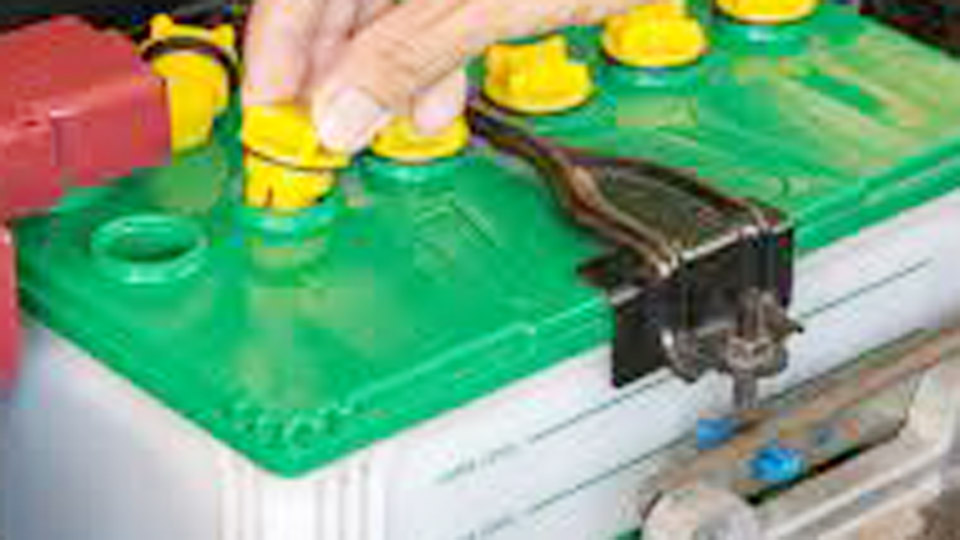
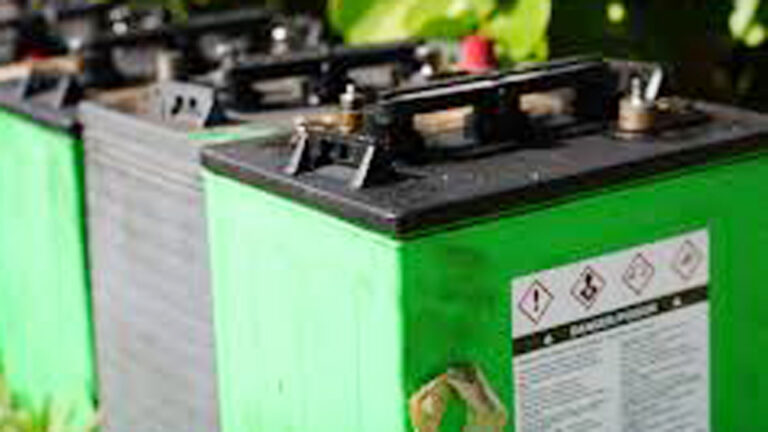
Image by drivencarguide
Understanding Lead-Acid Battery Technology
To care for a battery, you must first understand what it is and how it functions beneath the casing.
What It Is and How It Works
A lead-acid battery stores and releases electrical energy through electrochemical reactions. It consists of lead plates suspended in an electrolyte solution of sulfuric acid and water.
When a battery discharges, the lead plates react with the acid, creating lead sulfate and releasing electrons. When you apply a charging current, the reaction reverses, driving the lead sulfate back into the electrolyte.
When and Why It Should Be Used
Lead-acid batteries excel in high-surge current delivery and cost-effective energy storage. You will typically find them in:
- Internal combustion engine (ICE) vehicles
- Off-grid solar and deep-cycle storage
- Uninterruptible Power Supply (UPS) systems
- Golf carts and marine accessories
Common Mistakes Beginners Make
Allowing deep discharges: Discharging a starter battery below 80% or a deep-cycle battery below 50% permanently reduces its lifespan.
Neglecting electrolyte levels: Allowing the plates in a standard flooded lead-acid battery to be exposed to the air destroys them.
Leaving batteries uncharged: Leaving a battery in a discharged state causes sulfation—the hardening of lead sulfate crystals, which ruins the battery’s ability to hold a charge.
Comparing Battery Technologies
Not all lead-acid batteries are built alike, and they do not all require the same maintenance approach.
| Battery Type | Cost | Lifespan | Maintenance Level | Best Use Case |
| Flooded Lead-Acid | Low | 3–5 Years | High (Needs watering) | Starter cars, budget solar |
| AGM (Absorbent Glass Mat) | Moderate | 4–7 Years | Low (Sealed) | Motorcycles, cold climates |
| Gel | High | 5–8 Years | Low (Sealed) | Marine, heavy vibration |
| Lithium (LiFePO4) | Premium | 10+ Years | Ultra-Low (BMS-driven) | RVs, high-end off-grid |
Flooded Lead-Acid Batteries
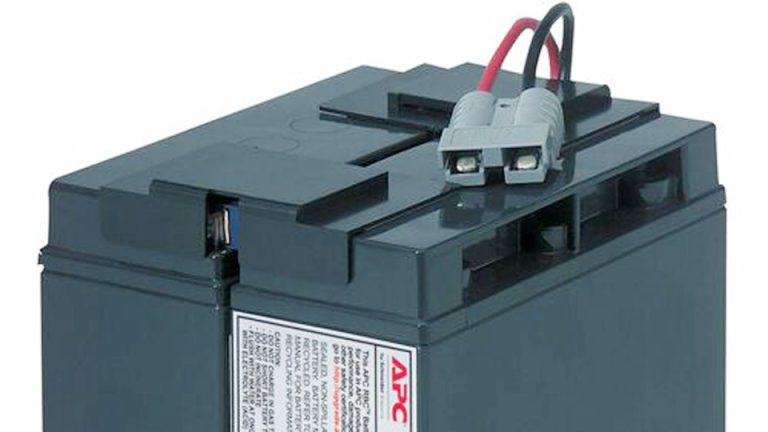
These are the most traditional types. They allow access to the cells so you can top up the electrolyte with distilled water.
AGM (Absorbent Glass Mat)
AGM batteries suspend the electrolyte in a fiberglass mat between the plates. They are spill-proof, handle vibration well, and charge faster than flooded units.
Gel Batteries
Similar to AGM, but the electrolyte is a silica gel. They cannot spill, but they are highly sensitive to overcharging, which can create permanent gas pockets in the gel.
Lithium-ion and LiFePO4 Comparisons
Lithium Iron Phosphate (LiFePO4) batteries are much lighter, handle deep cycling up to 80–100%, and last significantly longer. However, they are much more expensive upfront and require specific charging profiles.
Step-by-Step Maintenance Routine
To prevent premature failure, implement a routine maintenance schedule every three to six months.
Step 1: Visual Inspection and Safety Preparation
Before touching anything, put on safety glasses and acid-resistant gloves.
- Disconnect the battery: Remove the negative terminal first to prevent accidental short circuits.
- Inspect the casing: Look for bulging, cracks, or signs of physical damage.
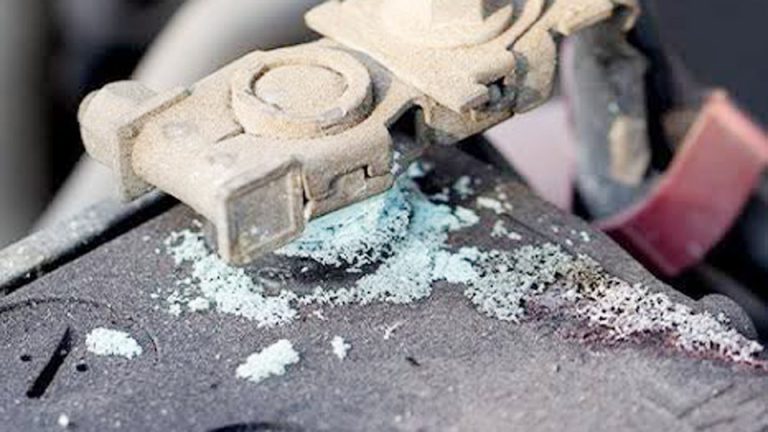
- Check terminal connections: Ensure there is no powdery, white, or blue corrosion.
Step 2: Testing Battery Voltage and Electrolyte Levels
- Measure the voltage: Use a digital multimeter. A fully charged, healthy 12V lead-acid battery should read between 12.6V and 12.8V.
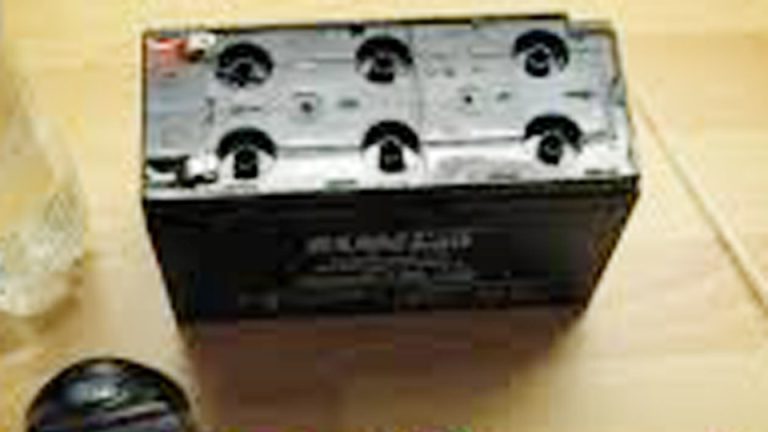
- Check cell levels (Flooded batteries only): Open the cell caps and verify the fluid covers the top of the internal lead plates by about half an inch. Use only distilled water; tap water introduces minerals that short out the cells.
Step 3: Cleaning Terminals and Cable Ends
Corrosion creates high electrical resistance, preventing the alternator from charging the battery fully.
- Mix baking soda with water to make a thick paste.
- Apply the paste to the terminals and scrub with a wire brush.
- Wipe clean with a damp rag and dry completely.
- Apply a thin coat of battery terminal grease or anti-corrosion spray.
Charging Methods and Voltage Ranges
Charging a lead-acid battery requires supplying the correct voltage and current tailored to the battery’s state of charge and temperature.
Voltage Guidelines
- Bulk Charging (14.2V – 14.8V): The stage where the battery accepts most of its capacity.
- Absorption Charging (14.4V – 14.7V): Maintains the higher voltage while the current tapers off, filling the last 20% of capacity.
- Float Charging (13.2V – 13.8V): Keeps the battery at 100% without overcooking the fluid or damaging the internal plates.
Real-World Charging Mistakes
Many users connect a standard automotive charger and walk away, forgetting to select the correct setting or letting the current cook the battery.
- Overcharging: Flooded batteries lose water rapidly, while sealed AGM or Gel batteries dry out and fail prematurely.
- Undercharging: Leaving the battery at 12.0V or lower promotes crystal growth (sulfation) inside the plates.
Battery Lifespan, Degradation, and Diagnostics
Understanding why batteries fail is the key to extending their service life.
Causes of Degradation
- Vibration and heat: High temperatures evaporate the water inside the electrolyte, accelerating internal corrosion.
- Sulfation: This happens when batteries sit idle, especially in hot conditions.
- Deep Cycling: Discharging starter batteries degrades them within a few dozen cycles, whereas deep-cycle batteries are designed for this specific use.
Diagnostic Flow: Is It the Battery or the Alternator?
- Start the vehicle: Turn the engine on and read the voltage using a multimeter.
- Analyze the readings: * If the reading is 13.8V to 14.4V, the alternator is working properly.
- If the reading is below 13.5V, the alternator is likely failing.
- If the reading is above 15.0V, the voltage regulator is faulty.
Real-World Usage Scenarios
Batteries are applied in several distinct ways, each with unique maintenance considerations.
Cars and Motorcycles
Car and motorcycle batteries are starter batteries. They produce a high burst of current for a few seconds and are then immediately recharged by the engine.
- Challenge: Short trips do not allow the alternator enough time to replace the starting power, slowly draining the battery.
- Tip: If you rarely drive your vehicle, use a trickle charger or smart maintainer.
Solar Systems and Off-Grid Storage
Off-grid systems rely on deep-cycle batteries to store power during the day and run appliances at night.
- Challenge: Deep-cycle batteries are constantly subjected to high daily demands, which degrades them if they are not maintained.
- Tip: Never let your solar battery drop below 50% depth of discharge.
UPS and Backup Systems
In a UPS, the battery sits on continuous float charge until an outage occurs.
- Challenge: Constant float charging in high-temperature environments can cause the electrolyte to evaporate.
- Tip: Check the UPS environment to ensure the temperature stays below 77°F (25°C).
Practical Storage Conditions
If you need to store your battery for the winter or during an extended period:
- Charge fully before storing: Never store a battery in a discharged state.
- Store in a cool, dry place: Freezing temperatures will not harm a charged lead-acid battery, but high temperatures accelerate self-discharge and corrosion.
- Maintain with a smart charger: Use a maintainer designed specifically for the battery chemistry.
Conclusion and Expert Tips
Taking care of lead-acid batteries does not require an engineering degree. It simply takes a bit of consistency: checking the fluid levels, keeping the terminals clean, and maintaining the proper charging voltage.
By understanding the unique requirements of flooded, AGM, and Gel batteries, you can prevent common mistakes such as sulfation and overcharging. These steps ensure your systems run reliably for years to come.
Expert Technician Tip: To revive a slightly sulfated but otherwise healthy lead-acid battery, perform an equalization charge by raising the voltage to 15.5V–16.2V for 1 to 3 hours, ensuring the electrolyte is agitated and active materials are restored. (Note: Only do this on flooded batteries with the cell caps removed).
Frequently Asked Questions
Can I mix distilled water with tap water in a lead-acid battery?
No, never use tap water. Tap water contains minerals that create chemical reactions, short-circuiting the lead plates and destroying the battery prematurely. Always use distilled water.
Why is my battery corroded, and how do I fix it?
Corrosion is caused by hydrogen gas from the electrolyte reacting with the battery terminals. You can clean it easily using a stiff wire brush and a mixture of baking soda and water.
How often should I check the water level in my battery?
You should check the water level at least once a month, especially during the summer when evaporation rates are highest.
Can a dead lead-acid battery always be brought back to life?
It depends on the cause of the failure. If the battery was discharged for a short period, it can often be rescued with a slow, low-amperage charge. If the plates are shorted, cracked, or severely sulfated, the battery must be replaced.