How to Calculate C Rate of Lithium Battery for Charging
It’s easy to focus on battery capacity, charging voltage, or charger compatibility, but one number that often gets overlooked is the C-rate. I’ve seen plenty of lithium batteries lose performance simply because the charging current was guessed instead of calculated.
If you’re wondering how to calculate C rate of lithium battery for charging, understanding this simple concept can help you charge your battery safely and get the best performance from it.
Many people assume that charging faster is always better, while others play it so safe that charging takes far longer than necessary. The right C-rate strikes a balance between speed, battery health, and safety. Getting it wrong can generate excess heat, reduce cycle life, or even trigger your battery’s protection system.
Whether you’re charging a lithium battery for an electric bike, RC model, power tool, solar storage system, or DIY project, knowing how to calculate the correct C-rate removes the guesswork. It also helps you choose the right charger settings and avoid costly mistakes that shorten battery life.
I’ll explain what the C-rate actually means, show you how to calculate it using your battery’s specifications, and walk through real-world examples so you can confidently charge your lithium battery the right way every time.
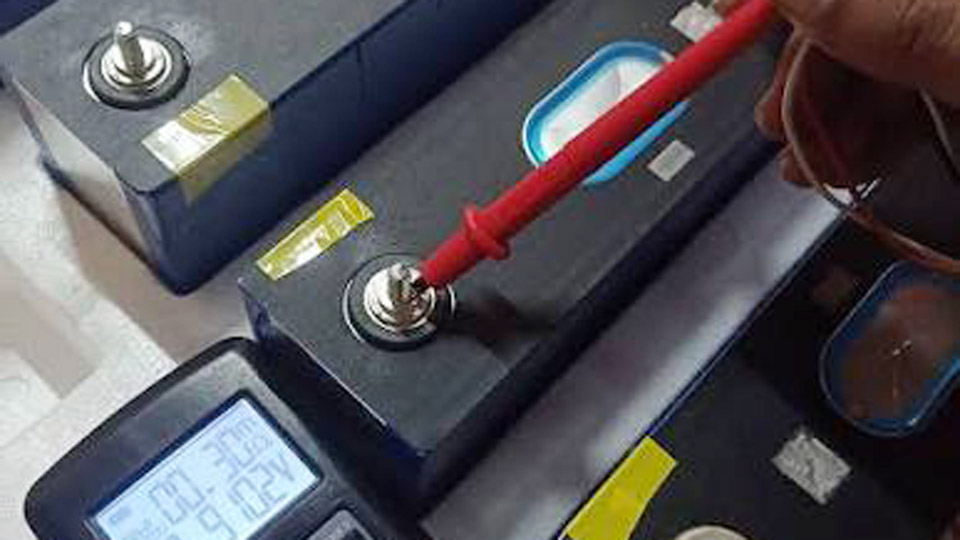
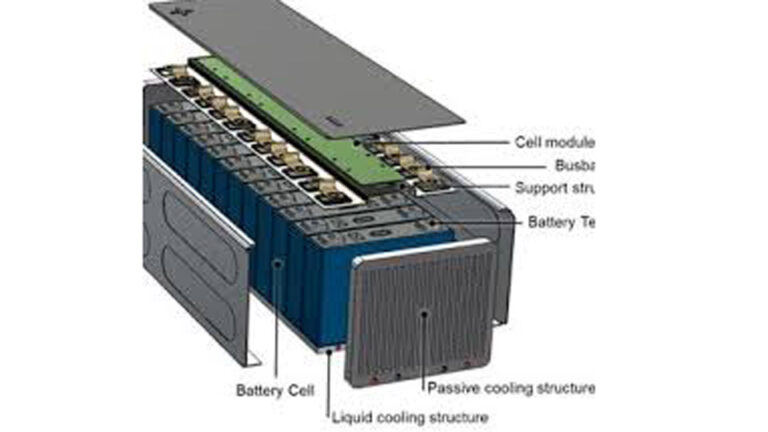
Image by Electric Vehicles for Australia
What Is C-Rate and Why Does It Matter for Lithium Batteries?
C-rate measures how fast you charge or discharge a battery relative to its capacity. A 1C rate means charging (or discharging) the full capacity in about one hour. For a 100Ah battery at 1C, that’s 100 amps. At 0.5C, it’s 50 amps, taking roughly two hours. At 2C, 200 amps in about 30 minutes.
The formula is straightforward:
C-rate = Charge/Discharge Current (A) / Battery Capacity (Ah)
Or, to find the current for a desired C-rate:
Current (A) = C-rate × Capacity (Ah)
This applies to lithium-ion chemistries like NMC or LiFePO4, but the safe limits differ a lot from lead-acid. Lithium batteries handle higher C-rates better than flooded lead-acid, but pushing them too hard still causes heat, reduced lifespan, or worse.
In practice, I’ve charged a 100Ah LiFePO4 bank for solar at 0.2C–0.5C most days. It stays cool, balances nicely, and lasts years. Crank it to 1C constantly on a hot afternoon, and you risk faster degradation. For car starters or power tools, higher momentary C-rates are common, but sustained charging needs caution.
How C-Rate Works in Real Charging Scenarios
C-rate ties directly to time and heat. At 1C, a fully depleted battery theoretically reaches full in one hour. Real life includes constant current (CC) then constant voltage (CV) phases for lithium, plus tapering current near the end.
For example, take a 200Ah LiFePO4 battery. To charge at 0.5C:
Current = 0.5 × 200 = 100A
It should take about 2 hours for the bulk phase, plus time for absorption/top-off. If your charger only pushes 50A, that’s 0.25C—gentler on the cells but slower.
Higher C-rates speed things up but generate more heat. Lithium cells have internal resistance, so fast charging increases temperature, which accelerates side reactions and capacity fade. I’ve measured surface temps jumping 10–20°C at 1C on a warm day versus 0.3C.
Why it matters for different users:
- Car and motorcycle owners: Starter batteries see high C-rate bursts on cranking but charge slowly from the alternator (often 0.1–0.3C).
- Solar/off-grid homeowners: Daily cycling at 0.2–0.5C is common with MPPT controllers. Oversizing the array or charger can push higher rates.
- EV and power tool users: Fast charging stations or high-drain tools use higher C-rates, but built-in BMS limits help.
- Technicians: Matching charger output to battery specs prevents callbacks for “failed” packs.
Step-by-Step: How to Calculate C-Rate for Your Lithium Battery
- Check the battery specs: Look for nominal capacity in Ah (or Wh, then convert: Ah = Wh / Nominal Voltage). Note chemistry—LiFePO4 is more forgiving than some NMC packs.
- Decide your target C-rate: For daily solar charging, 0.2C–0.5C is safe and efficient. For quicker top-ups, up to 1C if the manufacturer allows and cooling is good.
- Calculate current: Multiply C-rate by Ah.
- Verify charger and wiring: Ensure your charger can deliver that current at the right voltage without overheating cables.
- Monitor: Use a shunt, BMS app, or multimeter for real amps and temperature.
Real example: Your 12V 100Ah LiFePO4 for an RV. You want to charge in about 3 hours (roughly 0.33C).
Current ≈ 0.33 × 100 = 33A. A 40A charger works fine—it tapers naturally. I once set up a similar system; at 0.5C it charged efficiently without the BMS throttling.
For a 48V 200Ah solar bank (9.6kWh), 0.3C is 60A. That’s realistic for many MPPT controllers.
Lithium vs. Lead-Acid, AGM, and Gel: C-Rate and Performance Comparison
Understanding C-rate shines when comparing battery types. Lithium changes the game.
Key Differences:
Flooded Lead-Acid: Low C-rates recommended (0.1–0.3C max for charging). Heavy, needs watering, only 50% usable DoD. Cheap upfront but higher lifetime cost.
AGM/Gel: Sealed, better than flooded. Still prefer slower charging; can handle 0.3–0.5C but heat and sulfation hurt them. 50–80% DoD typical.
Lithium-Ion (LiFePO4 most common for deep cycle): 0.5C–1C charging common, higher discharge possible. 80–100% usable DoD, 2,000–10,000+ cycles, lightweight, efficient (95%+ round-trip). Higher upfront cost but pays off fast.
Pros and Cons Table (Conceptual Summary):
Lead-Acid/AGM: Pros—low cost, widely available, tolerant of abuse in some ways. Cons—short cycle life, heavy, maintenance (flooded), poor cold performance, low efficiency.
Gel: Pros—vibration resistant, low self-discharge. Cons—sensitive to high charge voltages, expensive for capacity.
LiFePO4: Pros—long life, fast charging, lightweight, safe (no thermal runaway as easily as NMC), high efficiency. Cons—needs proper BMS/charger, higher initial price, cold charging limits (usually 0°C+).
In a solar setup, a 100Ah lithium gives you nearly double the usable energy of AGM and lasts 4–6x longer. C-rate flexibility means you can use smaller arrays or charge faster when sun is available.
Voltage, Capacity, and Charging Methods That Affect C-Rate
Capacity is usually in Ah at 20-hour rate (C/20), but real performance drops at high C-rates due to Peukert’s law (more pronounced in lead-acid).
Typical Charging Voltages:
- LiFePO4 (12V nominal): Bulk ~14.2–14.6V, float ~13.5–13.8V. Per cell: 3.55–3.65V max.
- NMC lithium: Higher, around 4.2V per cell.
- Lead-acid/AGM: Higher absorption (14.4–14.8V+), equalization needed.
Use a charger or controller with lithium profile. Alternator charging needs a DC-DC converter with proper limits—direct connection often over-volts or lacks temp compensation.
Charging Methods:
- CC-CV for lithium: Constant current until voltage limit, then constant voltage with tapering current.
- Multi-stage for lead-acid.
- Solar: MPPT controllers adjust based on available power.
I’ve seen pros use smart chargers that limit current based on temp and SoC for longevity.
Battery Lifespan, Degradation, and C-Rate Impact
Higher average C-rates speed up degradation via heat and lithium plating (especially charging cold or too fast). LiFePO4 is robust but still benefits from moderate rates.
Factors shortening life: High temps, deep discharges (though lithium handles better), overcharging, poor balancing.
Real-world: A solar bank cycled daily at 0.5C might last 4,000–6,000 cycles to 80% capacity. At 1C constant, maybe half that. Storage at 50% SoC in cool conditions preserves capacity.
Common Mistakes Beginners and Pros Make with C-Rate and Charging
- Using lead-acid charger on lithium: Too high voltage leads to overcharge, BMS shutdown, or damage.
- Ignoring C-rate limits: Oversized charger on small bank = high C-rate, heat, imbalance.
- Charging in extreme temps: Lithium below freezing can plate lithium; above 45°C accelerates aging.
- No monitoring: Assuming the charger “knows best.”
- Mixing old/new or different capacities: Uneven current sharing.
- Storing fully charged/discharged: Lithium likes 40–60% SoC long-term.
One failure I saw: A DIY solar user with 200Ah lithium hooked to a 100A charger (0.5C) but no temp sensor. On a 100°F day, it overheated and BMS cut out repeatedly, leading to imbalance and early replacement.
Prevention: Match specs, use BMS with Bluetooth, add fuses/breakers, check connections.
Safety Considerations for Lithium Charging
Overcharging risks thermal runaway, though LiFePO4 is safer than other lithium types. Always use protected packs with BMS. Ventilation, fire suppression for large banks, and proper fusing matter.
Never charge damaged or swollen batteries. Dispose properly—many auto shops or recyclers take them.
Practical Recommendations for Different Applications
Cars/Motorcycles: Lithium starter batteries charge fine from alternator (low C-rate). Ensure compatible regulator.
Solar/Off-Grid: Size charger/array for 0.2–0.5C. Use LiFePO4 with low-temp cutoff if needed. Example: 5kW solar on 10kWh bank ≈ moderate rates.
UPS/Backup: Lower C-rates for longevity; float at proper voltage.
Power Tools/Electronics: High C-rate discharge ok for short bursts; charge per manufacturer (often 1C or less).
Maintenance Routines:
- Check voltage/SoC monthly.
- Equalize/balance periodically (BMS does much).
- Clean terminals, inspect for damage.
- Store cool, partial charge.
Troubleshooting:
- Slow charging? Check current limit, voltage, connections.
- Overheating? Lower C-rate, improve cooling.
- BMS shutting off? Verify charger profile, cell balance.
Real-World Usage Examples
In my experience with an RV solar setup, switching to LiFePO4 let me run a fridge, lights, and inverter longer with faster recovery. C-rate calc ensured the 30A controller didn’t stress the 200Ah bank.
A friend with a power tool fleet uses high-discharge lithium packs at 2–5C bursts—short duration, controlled charging.
Automotive: Lithium cranking batteries deliver huge CCA but charge gently.
Conclusion: Taking Control of Your Battery Charging
After years working with these systems, the biggest takeaway is that understanding C-rate turns battery management from guesswork into a reliable process.
You now know how to size chargers, avoid common pitfalls across lead-acid, AGM, gel, and lithium types, and keep things safe and efficient whether you’re maintaining a car, building solar, or troubleshooting UPS backups.
You’re better equipped to choose the right battery, calculate safe charging currents, monitor performance, and extend lifespan dramatically.
Always derate your charger slightly below max recommended C-rate for daily use, especially in hot climates, and log a few charge cycles with a good monitor. It reveals imbalances or issues early and keeps your packs healthy for thousands of cycles.
FAQ
What is a safe C-rate for charging LiFePO4 batteries?
Most LiFePO4 packs handle 0.5C continuously and up to 1C with good cooling and BMS. Check your specific datasheet—many recommend 0.2–0.5C for best longevity in solar or daily use.
How do I calculate C-rate if my battery capacity is in Wh?
Convert to Ah first: Ah = Wh / Nominal Voltage (e.g., 12V or 12.8V). Then apply the formula. A 1280Wh 12.8V battery is 100Ah.
Can I use a higher C-rate charger than recommended?
Sometimes for short periods, but it increases heat and wear. Better to use a charger with adjustable current limit or one matched to the battery.
Does C-rate affect lithium battery lifespan?
Yes. Moderate rates (0.2–0.5C) maximize cycles. Constant high rates shorten life through heat and chemical stress.
What’s the difference in C-rate handling between lithium and lead-acid?
Lithium tolerates higher rates and deeper discharges far better. Lead-acid prefers slower charging to avoid sulfation and gassing.