How to Repair Lithium Polymer Battery Safely & Extend Life
Repairing a lithium polymer (LiPo) battery is not something most people try, but sometimes it becomes necessary. Maybe your drone’s battery won’t charge, or your RC car’s pack is puffy. If you work with electronics or hobbies that use LiPo batteries, learning how to safely repair them can save you money and reduce waste.
I’ll explain, step by step, how to repair a lithium polymer battery, when you should NOT try, and what you must know to stay safe.
Repairing LiPo batteries is not risk-free. Mishandling can cause fire, injury, or property damage. Always read safety guidance, and if you feel unsure, ask a professional for help. With care and the right tools, many common problems—like a dead cell, broken wire, or faulty connector—can be fixed.
What Is A Lithium Polymer Battery?
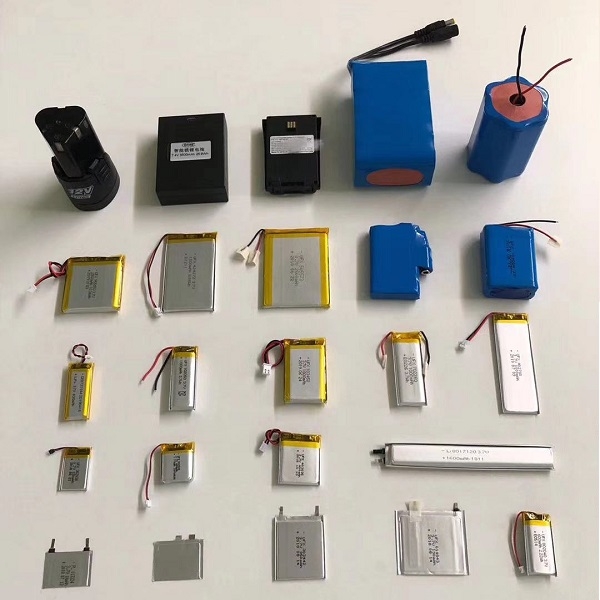
A lithium polymer battery is a rechargeable battery type used in drones, RC cars, phones, and many other electronics. It uses a polymer electrolyte instead of a liquid one. This makes it lighter, flexible in shape, and able to deliver high current.
A typical LiPo battery consists of:
- Cells: Each cell is about 3.7V. Packs can have 1 (1S), 2 (2S), 3 (3S), or more cells.
- Wires and connectors: Used to charge and discharge.
- Protection circuitry (sometimes): Prevents overcharge/discharge (not always present in hobby packs).
LiPo batteries are popular because they give a lot of power for their weight. But they are also sensitive to overcharging, deep discharge, and physical damage.
Main Features
- High energy density: More power in a small size.
- Lightweight: Important for drones or portable devices.
- Fast discharge: Can deliver current quickly.
- Flexible shape: Can be made flat or thin.
Main Risks
- Fire hazard: Damaged or overcharged LiPo batteries can catch fire.
- Swelling/puffing: Damaged cells can swell, indicating internal gas.
- Short lifespan if abused: Over-discharge or physical damage reduces life.
When Should You Not Repair A Lipo Battery?
Repairing a LiPo battery is not always possible—or safe. Here are some signs that you should NOT try to repair a battery:
- Heavy swelling (puffing): If the battery is very swollen, it is unsafe.
- Physical puncture: Any hole or fluid leaking means it’s dangerous.
- Burn marks or melted casing: The battery is likely damaged inside.
- Severe over-discharge: Below 2.5V per cell for a long time can ruin the chemistry.
- Unusual odor: A sweet or chemical smell means internal damage.
If you see any of these, dispose of the battery safely. Do not try to open, fix, or use it.
Tools And Materials Needed For Lipo Battery Repair
Before starting, gather the right tools and materials. Safety is the most important thing.
Essential tools:
- Multimeter: For checking voltage.
- Soldering iron and solder: For wire or connector repair.
- Heat shrink tubing: For insulation.
- Wire cutters/strippers: For working with wires.
- Electrical tape: For extra insulation.
- Fireproof surface: For working safely.
- Protective gloves and eye protection
Optional but helpful:
- Hot glue gun: For securing wires.
- Replacement connectors: XT60, JST, Deans, etc.
- Balance charger: For testing and recharging.
Safety items:
- Sand bucket or fireproof bag: In case of fire.
- Ventilated area: In case of fumes.
Common Lipo Battery Problems And Their Causes
Knowing what’s wrong helps you choose the right repair method. Here are some common issues:
- Broken connector or wire: Frequent plugging/unplugging can break wires.
- Loose solder joint: Poor connections inside the pack.
- Unbalanced cells: One cell voltage is much lower than others.
- Dead cell: A cell cannot be charged.
- Mild swelling: Small puff, but no leakage or heat.
- Faulty protection PCB: Circuit board inside has failed (rare in hobby packs).
Example: Typical Voltage Readings
A healthy 3S (3-cell) LiPo battery should have balanced cells. See the table below:
| Cell Number | Normal Voltage (V) | Problem Voltage (V) |
|---|---|---|
| 1 | 4.15 | 2.80 |
| 2 | 4.17 | 4.20 |
| 3 | 4.18 | 4.19 |
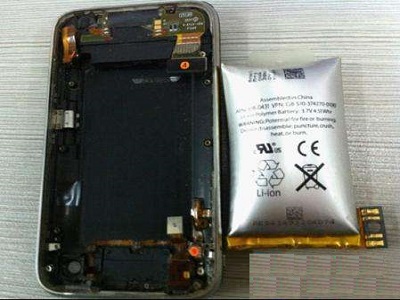
If one cell is much lower (e. g. , 2. 80V), you have an unbalanced pack.
Credit: www.benzoenergy.com
Safety Precautions Before Repairing
LiPo batteries are not like AA batteries. They can be dangerous if handled wrong. Before doing any repair:
- Work outside or in a fireproof area.
- Keep a fire extinguisher or sand nearby.
- Do not work near flammable materials.
- Wear safety glasses and gloves.
- Avoid static discharge. Touch a metal object to ground yourself.
- Never puncture or crush the battery.
- Do not use metal tools near the battery terminals.
If you feel the battery heating up or see smoke, stop immediately and move the battery outside.
Diagnosing The Problem
Before you repair, you must know what’s wrong. Here’s how to check the battery:
1. Visual Inspection
- Look for swelling, damage, or broken wires.
- Check for burnt marks or melted plastic.
2. Voltage Check
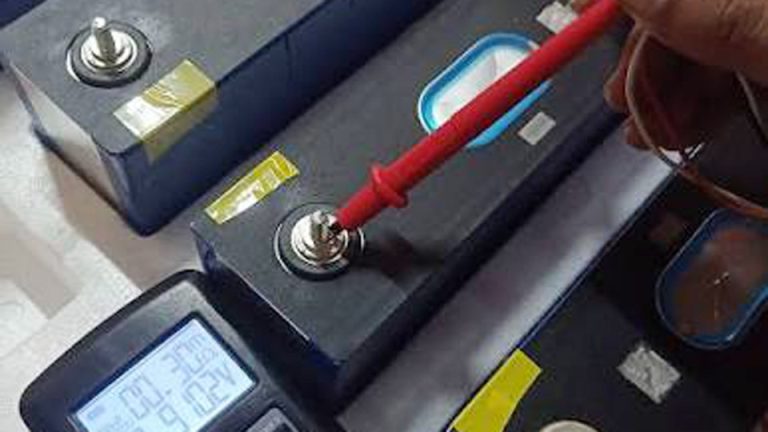
- Use a multimeter to check overall voltage at the main connector.
- Check each cell (at the balance connector) for cell voltages.
- Write down the readings.
3. Balance Test
- Connect the battery to a balance charger.
- Check if all cells show up. If one cell does not, it may be dead or disconnected.
4. Functional Check
- Try charging the battery (use low current, balance mode).
- If the charger gives an error, note the error code.

Credit: www.youtube.com
How To Repair A Broken Or Loose Connector
One of the most common problems is a broken connector or loose wire. This is usually safe to fix.
Steps:
- Cut off the damaged connector.
- Leave enough wire to strip and solder.
- Cut one wire at a time to avoid shorting.
- Strip the wire ends.
- Use wire strippers.
- Twist the wire strands to prevent fraying.
- Tin the wires and connector tabs.
- Heat with a soldering iron and add a small amount of solder.
- Solder the wires to the new connector.
- Match the polarity: Red (+) to positive, black (-) to negative.
- Double-check before soldering.
- Cover with heat shrink tubing.
- Slide tubing over the solder joint.
- Heat to shrink.
- Check the connection.
- Use a multimeter to confirm voltage and polarity.
- Test on a charger.
Tip: Always connect one wire at a time. Never let the positive and negative wires touch each other.
Fixing Unbalanced Cells
Sometimes, one cell in a LiPo pack drops much lower than the others. This is called cell imbalance. Many chargers can fix this, but sometimes manual intervention is needed.
Using A Balance Charger
- Connect the battery to a balance charger.
- Select balance charge mode (not fast charge).
- Charge at 0.5C or lower (for a 2200mAh battery, use 1.1A or less).
- Watch the cell voltages. If one cell charges slower, let the charger balance it out.
Manually Boosting A Low Cell
If a charger refuses to charge because one cell is too low, you can “boost” the low cell.
Warning: This Method Is Risky. Only Try With Mild Imbalance.
- Set charger to NiMH/NiCd mode (not LiPo).
- Charge at 0.1A for a few minutes. Watch the voltage closely.
- Stop as soon as the lowest cell reaches 3.0V.
- Switch back to LiPo balance mode and finish charging.
Never leave the battery unattended during this process.
Replacing A Dead Cell In A Lipo Pack
If one cell is dead, you can sometimes remove it and rewire the pack. This is advanced and may change the battery’s voltage and capacity.
Example: Turning A 3s Pack Into A 2s Pack
- Open the shrink wrap carefully with scissors.
- Identify the dead cell (check with a multimeter).
- Desolder the dead cell from the series.
- Disconnect only one wire at a time.
- Insulate each wire after removal.
- Rewire the remaining cells in series.
- Solder the balance connector to match the new cell count.
- Re-wrap with new heat shrink.
- Label the battery with new voltage and capacity.
When To Attempt This
Only try if the other cells are healthy. If two or more cells are bad, it is better to recycle the pack.
Repairing A Broken Balance Wire
The balance connector helps the charger measure and balance each cell. If one wire breaks, the charger can’t balance the pack.
Steps:
- Identify the broken wire on the balance connector.
- Cut and strip the wire about 1cm from the break.
- Tin the wire and pin with solder.
- Solder the wire back in place.
- Cover with heat shrink or electrical tape.
- Test with a charger.
Tip: The balance connector pin order matters. Check a wiring diagram for your connector type.
Dealing With Mildly Swollen (puffy) Lipo Batteries
A slightly puffy battery is not always dead, but it must be handled carefully. Do NOT repair heavily swollen batteries.
What Causes Puffing?
- Overcharging
- Over-discharging
- Physical damage
- High current draw
What To Do
- If the battery is only a little puffy but works, you can use it for low-power tasks.
- Store it in a fireproof bag.
- Never try to puncture or flatten a swollen battery.
- If swelling increases, recycle the battery.
Comparing Swelling Severity
| Swelling Level | Description | Action |
|---|---|---|
| Mild | Slight puff, fits in original compartment | Monitor, use for low-power applications |
| Moderate | Noticeable bulge, hard to fit | Retire, recycle soon |
| Severe | Very puffy, can’t fit, hot or leaking | Do not use, recycle immediately |
Tip: Many beginners keep using puffy batteries. This is dangerous. Mild swelling is a warning sign.
Replacing A Faulty Protection Circuit
Some LiPo batteries, especially those in phones or laptops, have a protection circuit (PCB) inside. If the battery shows zero voltage but is not swollen, the PCB may have failed.
Steps:
- Open the battery casing (carefully, without damaging the cells).
- Find the protection PCB (small circuit board).
- Buy a matching replacement PCB.
- Desolder the old PCB (note the wiring order).
- Solder the new PCB in place.
- Test the battery with a multimeter.
- Reassemble the case.
Warning: This is advanced and should not be attempted unless you are comfortable with soldering small parts.
Credit: www.benzoenergy.com
How To Dispose Of Unrepairable Lipo Batteries
Never throw a damaged LiPo battery in the trash. They must be disposed of safely.
Steps:
- Discharge the battery fully.
- Use a resistor or old light bulb to drain remaining power.
- Place the battery in a fireproof area while discharging.
- Soak the battery in saltwater for 24 hours.
- Use a plastic container.
- Add salt until no more dissolves.
- Submerge the battery, making sure terminals are covered.
- Seal the battery in a plastic bag.
- Take to a battery recycling center.
Tip: Some recycling centers have special bins for LiPo batteries. Check your local rules.
Preventing Future Lipo Battery Problems
Prevention is always better than repair. Here’s how to keep your batteries healthy:
- Never overcharge. Use a quality charger with balance mode.
- Avoid deep discharge. Don’t run below 3.0V per cell.
- Store at storage voltage (3.7–3.85V per cell) if not used for weeks.
- Check batteries regularly. Look for swelling, damage, or imbalance.
- Don’t charge unattended.
- Use a fireproof charging bag or box.
- Avoid physical shocks. Don’t drop or squeeze batteries.
Non-obvious tip: Many beginners store LiPo batteries fully charged. This shortens their life. Always store at the recommended voltage.
Real-world Repair Example
Let’s look at a typical repair: You have a 3S LiPo battery for your drone. It won’t charge, and the charger says “cell error.” You check the voltages:
- Cell 1: 4.10V
- Cell 2: 2.95V
- Cell 3: 4.12V
Cell 2 is below safe voltage, so the charger refuses to balance.
Steps Taken:
- Visual check: Battery is not swollen, wires are intact.
- Manual boost: Using NiMH mode at 0.1A, charge until Cell 2 reaches 3.1V.
- Switch to LiPo balance mode: Complete charging slowly.
- Monitor pack: After two cycles, all cells are balanced.
This pack was saved because the cell wasn’t deeply discharged for long, and there was no swelling.
Non-obvious insight: If a cell is often low, it may have higher resistance. Use this battery only for low-drain devices.
Advanced Tips For Lipo Battery Repair
- Check internal resistance. Some smart chargers measure this. High resistance means the cell is aging.
- Label repaired batteries. Write the date, repair type, and any warnings.
- Don’t mix cells from different batteries. Each cell ages differently. Always rebuild packs with cells from the same battery.
- Inspect after every crash. Even if a battery looks fine, a crash can cause hidden damage.
- Use a battery checker. Cheap devices show cell voltages instantly at the field or workshop.
When To Replace Instead Of Repair
Sometimes, buying a new battery is safer and cheaper in the long run.
- If more than one cell is bad
- If the battery is more than 300 cycles old
- If you see repeated swelling after repairs
- If you need maximum reliability (e.g., racing drones, expensive gear)
For regular hobby use, a repaired battery can still give months of life for less-demanding tasks.
Wrapping Up
Repairing a lithium polymer battery can extend its life and save money, but safety must always come first. With careful diagnosis, the right tools, and respect for the risks, many common problems can be fixed. Always know your limits—if you’re unsure, get help from an expert.
Remember, prevention is the best way to avoid battery issues. With good habits and the tips above, you can keep your LiPo batteries running safely and efficiently.
Frequently Asked Questions
What Should I Do If My Lipo Battery Catches Fire During Repair?
If a LiPo battery catches fire, do not use water. Use sand or a fire extinguisher rated for electrical fires. Move away and let it burn out. Afterward, ventilate the area and safely dispose of any remains. Always work outside or in a fireproof location.
Can I Replace A Single Dead Cell In A Lipo Battery Pack?
Yes, you can remove a single dead cell and rewire the pack, but this lowers the battery’s voltage and capacity. Only do this if the other cells are healthy. Never mix cells from different batteries.
Is It Safe To Use A Slightly Puffy Lipo Battery?
A slightly puffy battery can sometimes still be used for low-demand tasks, but you must monitor it closely. If puffing increases, stop using it immediately. Never charge or use a severely swollen battery.
Why Did My Lipo Battery Become Unbalanced?
Cell imbalance often happens due to over-discharging, poor charging habits, or a weak cell. Using a balance charger regularly helps prevent this. Batteries stored fully charged for long periods can also become unbalanced.