What Happens to Lithium Batteries When They Are Recycled?
You toss an old lithium battery into a recycling bin and move on, assuming it somehow gets turned into a new battery. But what actually happens after that? What happens to lithium batteries when they are recycled is a question I hear surprisingly often, especially from people using power tools, solar systems, laptops, or EV batteries.
Most people know lithium batteries shouldn’t go in regular trash, but very few understand what recycling really involves. These batteries don’t just get melted down and reused overnight.
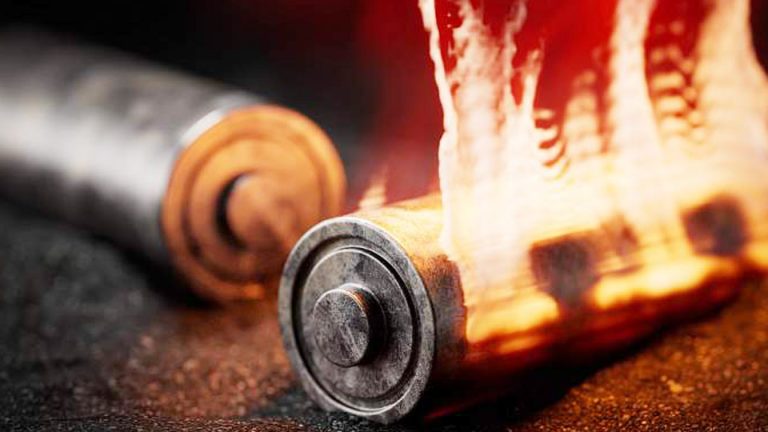
They go through sorting, dismantling, material recovery, and safety handling—because damaged lithium batteries can overheat, catch fire, or release hazardous materials if handled the wrong way.
Understanding the recycling process matters for more than environmental reasons. It affects safety, battery supply costs, and how valuable materials like lithium, cobalt, nickel, and copper are recovered for future use.
As lithium batteries become more common in homes, vehicles, and backup systems, knowing where they end up becomes a lot more important.
I’ll walk through what actually happens inside a lithium battery recycling process, what materials are recovered, and why some batteries are easier to recycle than others. You’ll also learn about common recycling myths and the real challenges happening behind the scenes.

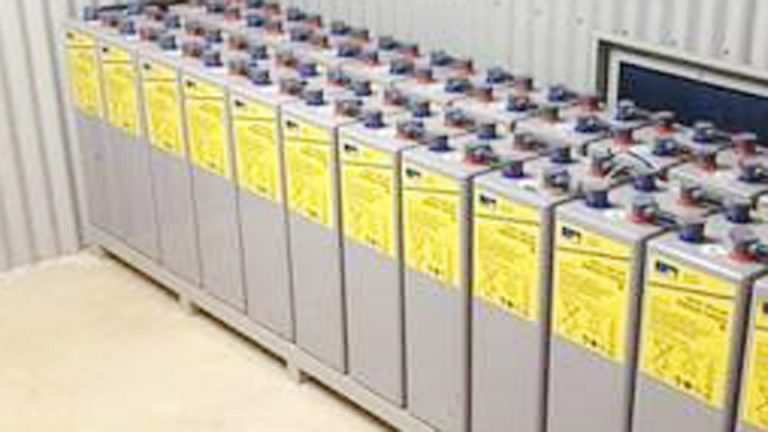
Image by recyclinginside
Why Lithium Battery Recycling Matters in Real Life
Lithium-ion batteries power everything from your car’s starter or EV drivetrain to your home solar backup and cordless tools. Unlike traditional lead-acid batteries that have a 99% recycling rate in the US, lithium-ion recycling rates hover much lower — often estimated below 15-20% in many regions, though the industry is scaling fast.
When these batteries aren’t recycled properly, they risk becoming fire hazards in landfills or releasing materials that can contaminate soil and water. On the flip side, successful recycling closes the loop: recovered metals go straight back into new batteries, reducing dependence on mined resources and lowering the overall environmental footprint.
In my experience working with both DIY solar users and professional mechanics, the shift to lithium (especially LiFePO4 for off-grid and AGM/deep-cycle replacements) brings longer life and better performance — but it also demands thinking ahead about end-of-life handling.
Understanding Lithium Battery Types Before Recycling
Different chemistries behave differently in recycling because of what metals they contain. Here’s a practical breakdown relevant to car owners, solar users, and technicians:
Lithium Iron Phosphate (LiFePO4 or LFP)
These are the workhorses for solar storage, off-grid homes, RVs, and many marine/deep-cycle applications. They offer excellent safety, long cycle life (often 3000-7000+ cycles), and thermal stability. Recycling focuses more on lithium and iron recovery.
They contain no cobalt or nickel, which makes them less “valuable” per ton in some traditional processes but still highly recyclable and increasingly common.
Nickel Manganese Cobalt (NMC)
Common in many EVs and higher-performance power tools. These pack higher energy density and contain valuable nickel and cobalt, making them economically attractive for recyclers.
Nickel Cobalt Aluminum (NCA)
Used in some premium EVs. Similar to NMC but with aluminum; high energy density but requires careful handling due to chemistry.
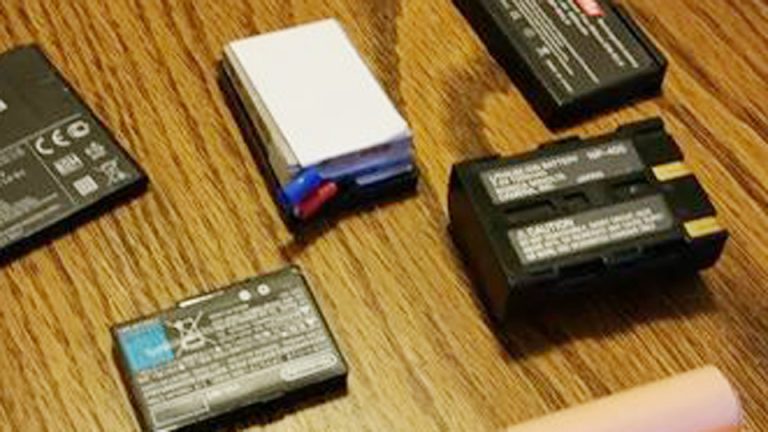
Other types like Lithium Cobalt Oxide (LCO) appear more in consumer electronics, while Lithium Titanate (LTO) is rarer but very durable in certain industrial uses.
Comparison Table: Battery Types and Recycling Considerations
| Battery Type | Common Uses | Key Materials Recovered | Relative Recycling Value | Typical Lifespan (Cycles) | Safety Notes |
|---|---|---|---|---|---|
| LiFePO4 (LFP) | Solar, RV, Marine, Off-grid | Lithium, Iron, Phosphate | Medium-High (volume driven) | 3000-7000+ | Very stable, low fire risk |
| NMC | EVs, Power Tools | Nickel, Manganese, Cobalt, Lithium | High | 1000-3000 | Good, but thermal management needed |
| NCA | High-performance EVs | Nickel, Cobalt, Aluminum, Lithium | High | 1000-2000 | Requires careful monitoring |
| Lead-Acid (for comparison) | Traditional Cars, UPS | Lead, Plastic, Acid | Very High (mature infra) | 200-500 | Established 99% recycling |
This table comes from years of comparing real installations. LFP batteries might have lower per-kilo value due to missing cobalt/nickel, but their longevity means fewer replacements overall.
The Lithium Battery Recycling Process: Step by Step
Here’s what actually happens at a modern facility when lithium batteries are recycled:
1. Collection and Transportation
Batteries come from retailers, e-waste programs, auto shops, solar installers, or dedicated collection points. For larger EV or solar packs, they often go through certified handlers. Safety is paramount — damaged or swollen batteries get special attention.
2. Discharge and Sorting
Residual energy is safely discharged (often in salt solutions or controlled setups). Batteries are then sorted by chemistry because NMC, LFP, and others require slightly different downstream processing. This step prevents mixing incompatible materials that could cause reactions.
3. Disassembly and Shredding
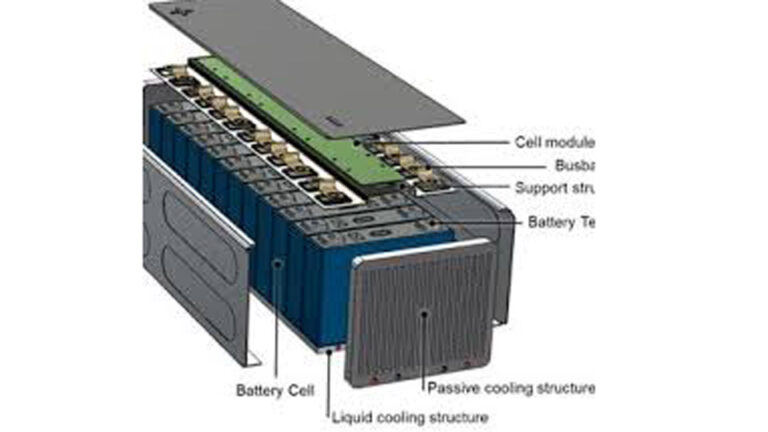
Large packs are dismantled into modules and cells where possible. Then comes shredding in controlled, oxygen-limited environments to prevent fires. This produces “black mass” — a powdery mix containing the valuable electrode materials — along with separated plastics, copper foils, aluminum, and steel casings.
4. Material Separation and Recovery
This is where the real value emerges. Two main industrial approaches dominate:
Pyrometallurgy: High-temperature smelting (like a furnace process). It melts down materials to recover metals in alloy form. Efficient for cobalt and nickel but consumes more energy and can lose some lithium to slag. Newer variants use lower temperatures and recover more lithium.
Hydrometallurgy: Chemical leaching with acids or solvents to dissolve and purify individual metals. This often achieves higher recovery rates (up to 95%+ for key materials) and is more selective. It’s gaining ground because it recovers more lithium and uses less energy in optimized setups.
Emerging direct recycling methods aim to preserve cathode materials more intact for direct reuse in new batteries, skipping full breakdown — promising lower energy use and better economics.
5. Refining and Reuse
Recovered lithium, nickel, cobalt, copper, and other materials are purified to battery-grade quality. These go back into new cell manufacturing, creating a circular supply chain. Plastics and other components find uses in other industries.
In practice, a well-run facility can recover over 95% of critical metals from many battery types.
Battery Maintenance and Lifespan: Extending Time Before Recycling
The best recycling outcome starts with proper use. I’ve seen too many good lithium packs ruined early by poor habits.
Charging Best Practices
- Use chargers matched to your chemistry. LiFePO4 typically charges to 14.2-14.6V for a 12V system. NMC chemistries have different profiles.
- Avoid constant float charging at 100% on LFP — it accelerates degradation. Many solar users set controllers to 95-98% max.
- Temperature matters: Charge between 32°F and 113°F ideally. Cold charging can cause lithium plating.
Storage Tips
Store at 30-50% charge in cool, dry conditions (around 50-68°F). This is crucial for seasonal solar systems or spare car batteries.
Common Mistakes I See
- Using lead-acid chargers on lithium (wrong voltage curves damage cells).
- Ignoring BMS warnings.
- Over-discharging below safe limits (LFP can handle deeper discharges better than NMC, but still respect limits).
- Mixing old and new batteries in banks.
Real-World Example
A friend with an off-grid cabin ran LFP batteries for 8+ years with proper 0.2C charging and temperature control. When one module finally degraded, it still had significant capacity left for a second-life UPS application before full recycling.
Safety Considerations Throughout the Lifecycle
Lithium batteries are generally safe when respected, but end-of-life handling requires care. Swollen, punctured, or overheating packs are fire risks. Never puncture cells yourself. For DIY mechanics or solar users, use proper PPE and discharge procedures when dismantling smaller packs.
In recycling facilities, fire suppression systems and inert atmospheres during shredding mitigate risks.
Second Life and Repurposing Before Full Recycling
Before full recycling, consider second-life uses. EV batteries that no longer meet automotive specs (often retaining 70-80% capacity) frequently find homes in stationary solar storage or backup power. This extends total useful life significantly and delays recycling needs.
Environmental Impact: Recycling vs Mining
Recycling lithium batteries delivers clear wins: dramatically lower greenhouse gas emissions, water use, and energy consumption compared to primary mining and refining. Studies show reductions of 50-80%+ in key metrics depending on the process and battery stream.
It also reduces pressure on mining regions and strengthens domestic supply chains — important as EV and solar adoption grows.
Practical Recommendations for Users
Test Before Replacing: Use a good multimeter or battery analyzer. Many “dead” lithium packs just need balancing or have one weak cell.
Find Local Recycling: Check retailers, auto parts stores, or municipal programs. Many accept lithium batteries free or low cost.
For Solar/Off-Grid: Choose LFP for longevity and easier future recycling.
Troubleshooting: If your pack won’t charge, check BMS, connections, and individual cell voltages before assuming failure.
Voltage and Capacity Basics: Understand Ah vs Wh. A 100Ah 12V lithium battery stores roughly 1280Wh usable — far more effectively than equivalent lead-acid due to higher DoD.
Taking Care of Your Batteries Pays Off
After handling everything from motorcycle lithium conversions to large solar arrays, one truth stands out: informed users get far more life and value from their batteries. Knowing battery types, proper charging (right voltage and current), storage conditions, and when to consider recycling puts you in control.
The strongest pro-level tip I can share from the workshop: Always invest in a quality Battery Management System (BMS) with Bluetooth monitoring and active balancing.
It prevents 80% of premature failures I see and gives you the data to maximize lifespan — meaning fewer replacements and better material recovery down the line.
FAQ
Can I recycle lithium batteries at home?
No. Lithium batteries require specialized facilities for safe discharge, shredding, and material recovery. Take them to certified collection points or e-waste recyclers to avoid fire risks and ensure proper processing.
How long do lithium batteries last before recycling?
LiFePO4 often lasts 10+ years or 3000-7000 cycles in solar use with good care. NMC in EVs might need replacement after 8-15 years or when capacity drops below 70-80%. Regular monitoring extends this significantly.
What is black mass in battery recycling?
Black mass is the valuable powder created after shredding and initial separation. It contains the key electrode materials (lithium, nickel, cobalt, etc.) that get further processed into usable metals.
Are lithium batteries better for the environment than lead-acid?
Over their full lifecycle, lithium often wins due to much longer life and higher efficiency, meaning fewer batteries produced overall. Recycling both is important, but lithium infrastructure is still catching up to lead-acid’s mature 99% rate.
What should I do with a swollen lithium battery?
Do not use or puncture it. Store it safely outdoors in a non-flammable container and take it immediately to a hazardous waste or battery recycling center. Swelling indicates internal issues and increased fire risk.
Wrapping Up
By understanding what happens to lithium batteries when they are recycled, you become part of a more sustainable energy loop — whether you’re maintaining a daily driver, running a solar homestead, or working on professional installations. The knowledge translates directly into better choices, longer service, and responsible end-of-life handling.