How Are Lithium-Ion Batteries Recycled? Process Explained
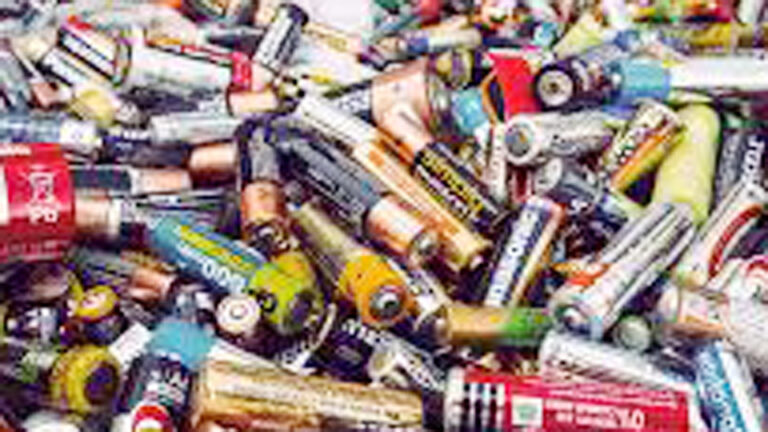
It’s easy to toss an old lithium-ion battery into a drawer and forget about it. I’ve seen garages, workshops, and storage shelves filled with worn-out batteries from power tools, laptops, e-bikes, and cordless vacuums because people simply don’t know what to do with them. That uncertainty often leads to one important question: How Are Lithium-Ion Batteries Recycled?
I’ve learned that disposing of lithium-ion batteries isn’t as simple as throwing away household waste. These batteries contain valuable materials that can be recovered and reused, but they also pose safety risks if they’re damaged or handled improperly. Sending them to a landfill can waste resources and create unnecessary environmental hazards.
Understanding the recycling process helps you make smarter decisions when a battery reaches the end of its life. It also explains why recycling programs exist, what happens after you drop off a battery, and how proper disposal supports both safety and sustainability.
I’ll walk you through how lithium-ion batteries are collected, sorted, and recycled, what materials are recovered, and the practical steps you can take to dispose of old batteries responsibly and with confidence.
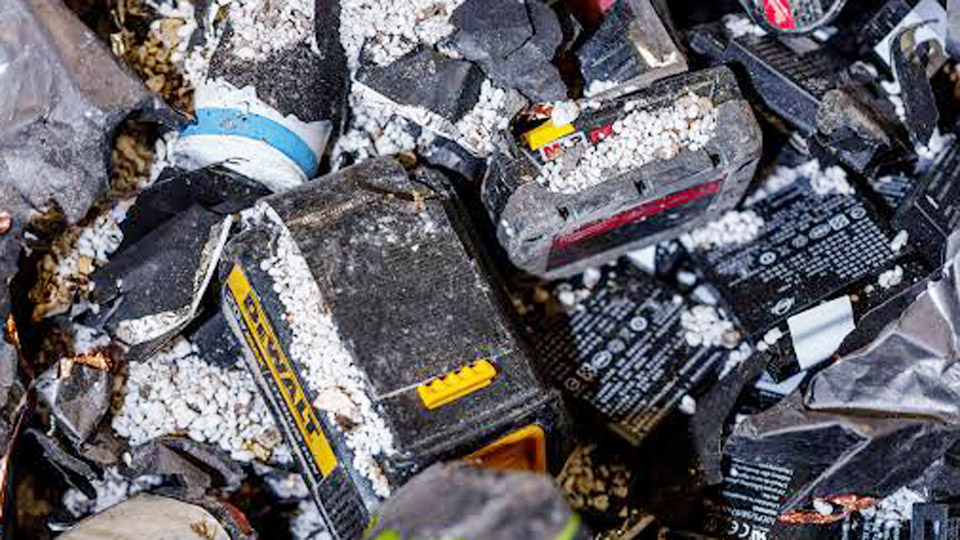
Image by washingtonpost
Why Lithium-Ion Battery Recycling Matters in Everyday Use
Lithium-ion batteries power everything from your phone to your EV and home solar backup. When they reach end-of-life—usually after 70-80% capacity loss—they don’t just vanish. Without recycling, we lose finite resources and risk fires or leaks from improper storage.
In my experience with solar customers swapping out older packs, recycling recovers 90%+ of key metals in modern facilities, slashing the need for new mining. It reduces greenhouse gas emissions by 58-81% compared to virgin material production, uses far less water and energy, and strengthens domestic supply chains.
For DIY mechanics pulling a hybrid battery or EV owners facing replacement, understanding the process helps you choose reputable drop-off points and avoid scams. It’s not perfect yet—global rates hover low in many places—but the technology is advancing fast.
Common Lithium-Ion Battery Types and Their Recycling Challenges
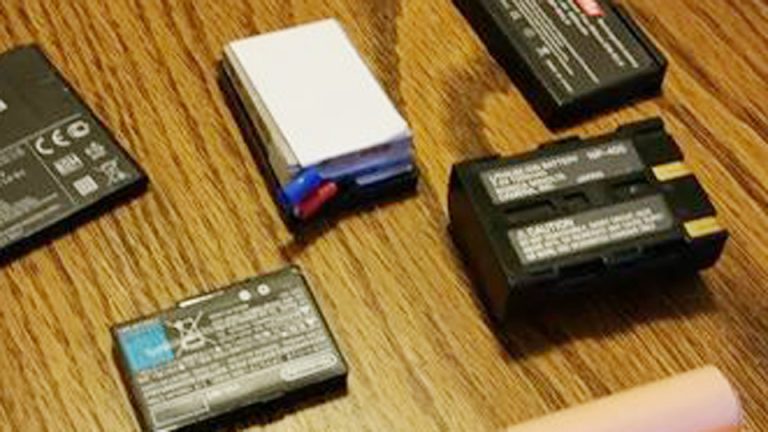
Different chemistries behave differently at end-of-life. Knowing yours helps predict value and handling needs.
NMC (Nickel Manganese Cobalt): High energy density, common in EVs. Rich in valuable cobalt and nickel, making them economically attractive to recycle.
NCA (Nickel Cobalt Aluminum): Similar to NMC, used in high-performance applications. Good recovery potential for nickel.
LFP (Lithium Iron Phosphate): Safer, longer-lasting, cobalt-free. Cheaper materials but still worth recycling for lithium and iron. Lower economic incentive sometimes leads to lower recycling priority.
LMO and others: Vary in composition.
Pros and Cons Across Types:
| Type | Valuable Materials | Recycling Ease | Lifespan (Cycles) | Common Uses |
|---|---|---|---|---|
| NMC | High (Co, Ni) | High | 1,000-2,000 | EVs, power tools |
| LFP | Moderate (Li, Fe) | Moderate | 2,000-5,000+ | Solar storage, buses |
| NCA | High (Ni) | High | 1,000-2,000 | Performance EVs |
The challenge is mixed chemistries arriving at facilities. Sorting matters because wrong processing reduces yields.
Step-by-Step: How Lithium-Ion Batteries Are Recycled
The full journey starts at collection and ends with new materials ready for manufacturing. Here’s how it unfolds in practice.
Collection and Sorting
Batteries come from retailers, e-waste centers, auto shops, or manufacturer take-back programs. Technicians sort by chemistry and size to prevent reactions. In real workshops, I’ve seen mixed drops cause issues—always label or separate if possible.
Discharge and Deactivation
Residual charge poses fire risks. Facilities discharge packs in controlled setups like salt baths or resistive loads. Some capture energy for reuse. Never try this at home without proper gear—I’ve seen damaged cells swell or vent from mishandling.
Dismantling and Pretreatment
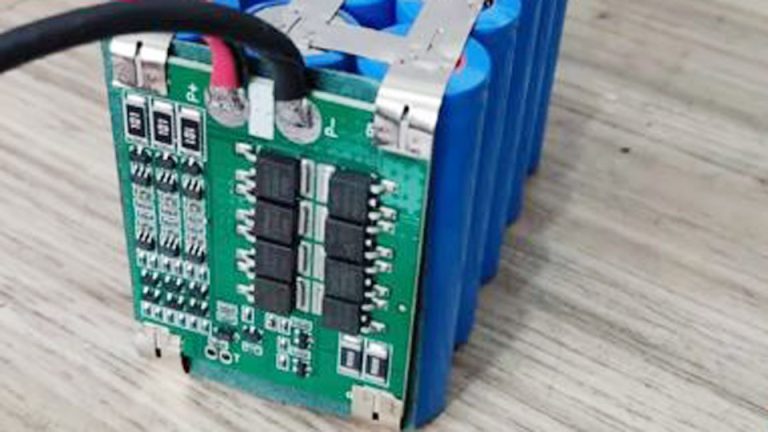
Manual or robotic disassembly removes modules, wiring, and casings. Larger EV packs get broken down into cells. Shredding follows in many processes, creating “black mass” containing the active materials. Safety protocols are critical here—ventilation, fire suppression, and PPE.
Material Recovery Processes
This is where the real value extraction happens. Facilities choose or combine methods based on economics and goals.
Pyrometallurgy (Smelting): High-temperature furnaces (over 1,000°C) burn off organics and produce alloys of cobalt, nickel, and copper. Lithium often ends up in slag and needs further recovery. It’s robust for mixed inputs but energy-intensive and loses some materials.
Hydrometallurgy (Leaching): Acids or solvents dissolve the black mass, then separate metals via precipitation or solvent extraction. Higher recovery rates for lithium and purer outputs, but it generates chemical waste that needs careful handling.
Direct Recycling (Cathode Healing): Emerging favorite. Disassembles and reconditions cathode materials directly for new batteries without full breakdown. Lower energy use and better for preserving structure. Great for specific chemistries like LFP.
Other Innovations: Electro-hydrometallurgy combines electricity with leaching for efficiency. Some experimental methods recover lithium as carbonate while producing hydrogen byproduct.
Recovery rates hit 90-98% for metals like cobalt and nickel in advanced plants, with lithium improving steadily.
Real-World Applications Across Battery Uses
In cars and motorcycles, hybrid and EV packs from shops go to specialized recyclers. Solar system owners with decommissioned storage often partner with installers who handle logistics.
UPS backup systems in data centers generate steady volumes. Power tools and consumer electronics contribute smaller cells that need careful sorting.
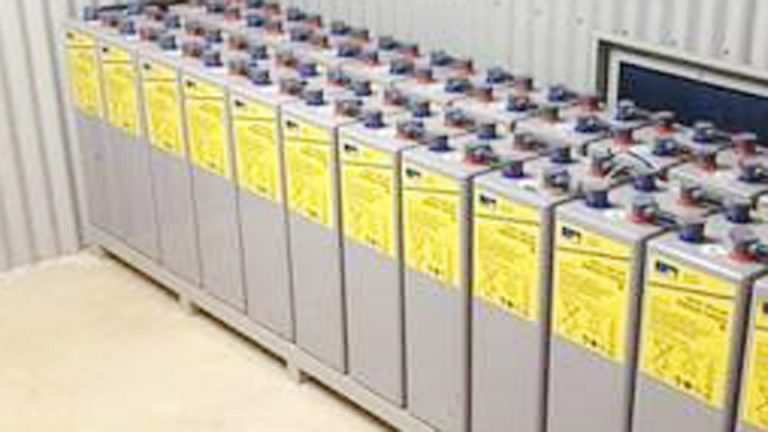
I’ve helped solar customers recycle old lead-acid banks alongside lithium upgrades. The lithium stream is growing fast, and facilities are scaling up to match EV retirements.
Pros and Cons of Different Recycling Methods
Pyrometallurgy Pros: Handles variety, proven at scale. Cons: High energy, emissions, lower lithium recovery.
Hydrometallurgy Pros: High purity, better lithium yield. Cons: Chemical waste, water use.
Direct Recycling Pros: Efficient, low impact, retains value. Cons: Needs clean input streams, still scaling.
Common Mistakes and How to Avoid Them
Beginners often store dead batteries in garages without discharging or isolating them, leading to fires. Pros sometimes mix chemistries, contaminating batches. Charging mistakes during use (wrong voltage) accelerate degradation, shortening life before recycling even begins.
Storage errors like extreme heat or humidity damage packs further. Always use original chargers, monitor temperatures, and store at 50% charge in cool conditions if keeping spares.
Real failure I’ve seen: A solar array with mismatched old lithium cells that overheated. Proper maintenance and timely recycling prevent waste.
Battery Lifespan, Degradation, and When to Recycle
Lithium-ion packs degrade from cycle count, calendar aging, high temps, and deep discharges. Capacity drops gradually. Test with proper equipment—voltage sag under load signals end-of-life.
Recycle when capacity hits 70-80% for EVs (still usable for stationary storage sometimes). Second-life applications extend usefulness before full recycling.
Practical Recommendations for Charging, Storage, and Maintenance
Match chargers to voltage and chemistry. For LiFePO4, bulk around 14.4-14.6V for 12V systems. Avoid cheap generics that overcharge.
Store at moderate temps, partial charge. Routine checks: balance packs, clean terminals, inspect for swelling.
Compatibility tip: Don’t mix old and new in the same system. Troubleshooting low performance often starts with individual cell testing.
Safety Considerations Throughout the Lifecycle
Lithium-ion fires are intense and hard to extinguish. Never puncture, expose to water indiscriminately, or overload. At recycling, trained facilities manage risks professional mechanics respect.
For home users: Drop off at certified spots, don’t ship damaged packs casually.
Challenges Facing Lithium-Ion Battery Recycling Today
Low collection rates (under 10-15% in many regions) mean most batteries still end up landfilled or stockpiled. Mixed chemistries complicate processing. Economics favor high-cobalt packs, leaving LFP behind sometimes. Infrastructure lags EV growth.
Policy and incentives are improving, but public awareness helps drive better participation.
Looking Ahead: Better Processes and Circular Economy
Direct recycling and improved sorting promise higher yields with lower impacts. As volumes grow, economies of scale will make it more viable everywhere.
Taking What You’ve Learned Forward
You’ve now got a clear picture of how lithium-ion batteries are recycled—from collection and discharge through shredding, leaching or smelting, and material recovery. Different types bring unique considerations, and methods like hydrometallurgy or direct recycling each have strengths depending on the chemistry and goals.
Common pitfalls like poor storage or mixing packs shorten usable life and complicate end-of-life handling. Proper charging voltages, routine maintenance, and knowing when to test capacity keep systems running longer. Safety runs through every step, whether in your garage or at an industrial facility.
Build relationships with certified recyclers early. They often provide drop-off guidance, data on yields, and sometimes incentives that make responsible disposal easier and more rewarding than you expect.
When you handle batteries right from day one, the recycling loop becomes a natural, efficient close instead of an afterthought.
FAQ
How long does the lithium-ion battery recycling process take?
From collection to recovered materials, it can take days to weeks depending on volume and facility. Discharge and dismantling are quick; chemical processing adds time for purification.
Can I recycle lithium-ion batteries at home?
No. Specialized equipment and safety protocols are required. Take them to certified e-waste or battery recycling centers to avoid fires or exposure.
What materials are recovered from recycled lithium-ion batteries?
Lithium, nickel, cobalt, copper, aluminum, graphite, and plastics. High-value metals like cobalt and nickel often achieve near-complete recovery.
Why aren’t more lithium-ion batteries recycled currently?
Low collection rates, economic challenges with certain chemistries, infrastructure gaps, and logistics. Improving policies and technology are changing this.
Does recycling lithium-ion batteries really reduce environmental impact?
Yes. It cuts emissions, energy use, and water consumption dramatically compared to mining new materials, while reducing landfill hazards.