How Energy Is Stored in Lithium-Ion Batteries Explained
One of the questions I hear most often after someone switches to lithium-ion batteries is, “Where does all that energy actually come from?” Whether it’s a smartphone lasting all day, a cordless drill powering through a tough job, or a solar battery keeping the lights on after sunset, many people are curious about how energy is stored in lithium-ion batteries but aren’t sure where to start.
I’ve noticed that the biggest source of confusion is that the energy isn’t simply “stored like water in a tank.” Instead, it comes from a carefully controlled chemical process happening inside the battery every time it charges and discharges.
Understanding that process makes it much easier to see why lithium-ion batteries deliver more power, charge faster, and last longer than many older battery technologies.
Knowing how these batteries store energy isn’t just interesting—it also helps you make smarter decisions about charging, storage, and everyday use. A basic understanding can help prevent habits that shorten battery life, improve performance, and save money by avoiding unnecessary replacements.
I’ll explain the science in plain English, show what happens inside a lithium-ion cell during charging and discharging, and clear up some of the most common myths so you can better understand the battery powering your devices every day.
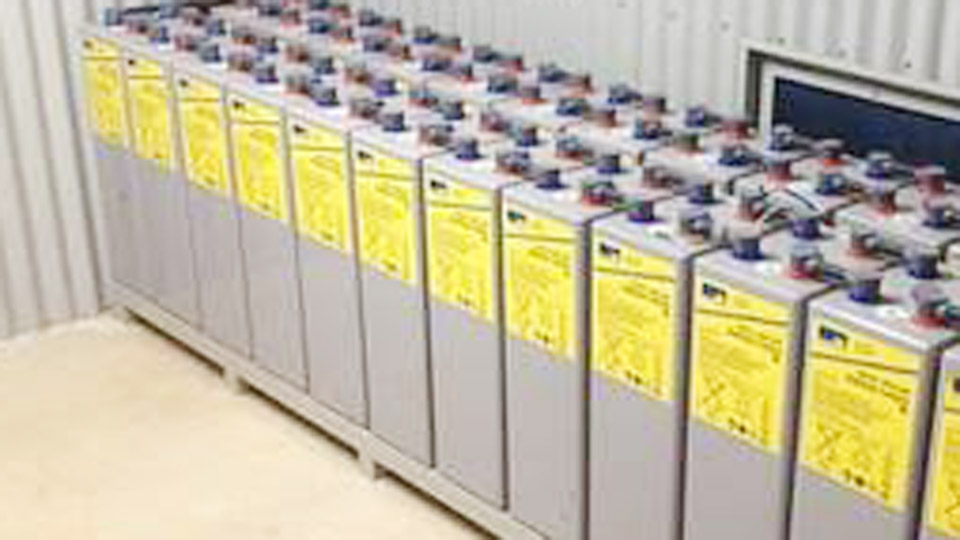
Image by iec
The Basics: What Makes Lithium-Ion Different
Lithium-ion batteries store energy through reversible chemical reactions involving lithium ions moving between two electrodes. Unlike lead-acid batteries that rely on heavy plates and liquid acid, lithium-ion uses lightweight materials and a different process called intercalation. This is why they pack more punch in a smaller, lighter package.
In simple terms, energy isn’t stored as electricity directly. It’s held as chemical potential energy. When you charge the battery, lithium ions shift positions. When you discharge, that stored potential converts back into electrical current to power your devices. This back-and-forth makes them rechargeable thousands of times when treated right.
How Energy is Stored in a Lithium-Ion Battery: The Chemistry Explained
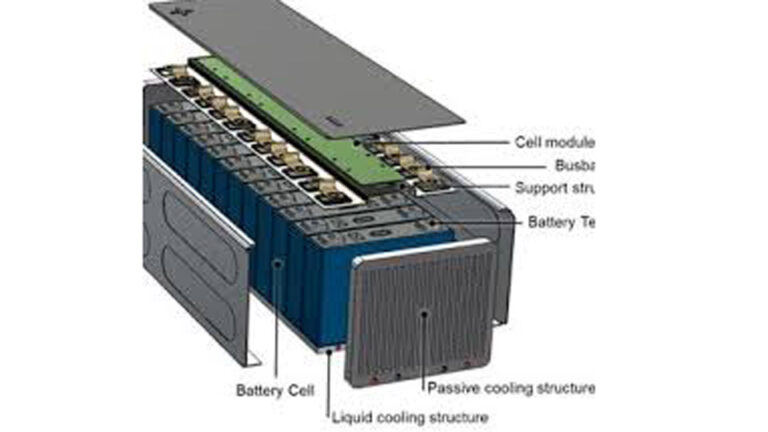
At the heart of every lithium-ion cell are four key parts: the anode (negative electrode), cathode (positive electrode), electrolyte, and separator.
During charging, lithium ions move from the cathode through the electrolyte and insert themselves into the anode’s structure—usually layers of graphite. This intercalation process stores the energy by rearranging ions and electrons without major physical changes to the materials. Electrons flow through the external circuit to balance the charge.
When discharging (using the battery), the ions flow back to the cathode. Electrons travel through your device or load, creating usable electricity. The electrolyte acts as the medium for ion movement but doesn’t get consumed in the reaction. A thin separator keeps the electrodes apart to prevent shorts while allowing ions to pass.
This movement is highly efficient, which is why lithium-ion cells deliver high voltage (around 3.6-3.7V nominal) and excellent energy density—often 150-250 Wh/kg or more, far better than lead-acid’s 30-50 Wh/kg.
In practice, I’ve seen this translate to lighter tool bags, longer EV ranges, and smallerHow Energy is Stored in Lithium-Ion Batteries: A Practical Guide for Real-World Use
You’ve got your phone dying mid-day, or the solar system cutting out during a cloudy stretch, or your golf cart slowing to a crawl on the back nine. In all these cases, you’re dealing with the same core question: how is energy stored in a lithium ion battery, and why does it sometimes fail when you need it most?
I’ve torn down enough failed packs in garages, solar sheds, and workshops to know the frustration firsthand. Lithium-ion technology powers everything from EVs and power tools to off-grid setups, yet most folks only think about it when something goes wrong—overheating, sudden capacity loss, or a pack that won’t hold a charge.
Understanding the storage mechanism helps you avoid those headaches, choose the right battery, and keep systems running reliably.
The Basics: What Makes Lithium-Ion Different
Lithium-ion batteries store energy through reversible chemical reactions involving lithium ions moving between two electrodes.
Unlike lead-acid batteries that rely on heavy plates and liquid acid, lithium-ion uses lightweight materials and a different process called intercalation. This is why they pack more punch in a smaller, lighter package.
In simple terms, energy isn’t stored as electricity directly. It’s held as chemical potential energy. When you charge the battery, lithium ions shift positions. When you discharge, that stored potential converts back into electrical current to power your devices. This back-and-forth makes them rechargeable thousands of times when treated right.
How Energy is Stored in a Lithium-Ion Battery: The Chemistry Explained
At the heart of every lithium-ion cell are four key parts: the anode (negative electrode), cathode (positive electrode), electrolyte, and separator.
During charging, lithium ions move from the cathode through the electrolyte and insert themselves into the anode’s structure—usually layers of graphite. This intercalation process stores the energy by rearranging ions and electrons without major physical changes to the materials. Electrons flow through the external circuit to balance the charge.
When discharging (using the battery), the ions flow back to the cathode. Electrons travel through your device or load, creating usable electricity. The electrolyte acts as the medium for ion movement but doesn’t get consumed in the reaction. A thin separator keeps the electrodes apart to prevent shorts while allowing ions to pass.
This movement is highly efficient, which is why lithium-ion cells deliver high voltage (around 3.6-3.7V nominal) and excellent energy density—often 150-250 Wh/kg or more, far better than lead-acid’s 30-50 Wh/kg. In practice, I’ve seen this translate to lighter tool bags, longer EV ranges, and smaller solar battery banks that fit in tight spaces.
Lithium-Ion Battery Types and Their Chemistry Variations
Not all lithium-ion batteries behave the same. The cathode material makes the biggest difference:
- Lithium Cobalt Oxide (LCO): High energy density, common in phones and laptops. Good for compact, high-drain uses but can run hotter.
- Lithium Iron Phosphate (LiFePO4 or LFP): Safer, longer cycle life (often 3,000-5,000+ cycles), and more stable. My go-to for solar and golf carts because it handles abuse better and resists thermal runaway.
- Nickel Manganese Cobalt (NMC): Balanced performance, popular in EVs. Offers strong energy density with decent safety.
- Others like NCA or LMO: Specialized for high power or specific temperatures.
Anodes are mostly graphite, sometimes blended with silicon for higher capacity. The electrolyte is typically a lithium salt in organic solvents. These variations affect how energy is stored and released—LFP stores it more stably for daily cycling, while others prioritize raw capacity.
Real-World Battery Types Comparison
Here’s how they stack up in everyday applications I’ve worked with:
| Type | Energy Density (Wh/kg) | Cycle Life | Safety | Cost | Best Uses |
|---|---|---|---|---|---|
| Flooded Lead-Acid | 30-50 | 500-700 | Moderate | Low | Budget backup, stationary |
| AGM/Gel | 40-60 | 700-1,000 | Good | Medium | Marine, RVs, vibration-heavy |
| Lithium NMC/LCO | 150-250 | 500-2,000 | Fair | Higher | Consumer electronics, EVs |
| LiFePO4 | 90-160 | 2,000-5,000+ | Excellent | Medium-High | Solar, golf carts, off-grid |
Lead-acid still has a place for cheap, simple storage, but lithium-ion wins for weight, efficiency, and longevity in mobile or frequent-use scenarios. I’ve replaced many lead-acid packs in solar setups with LiFePO4 and seen runtime double while cutting maintenance to nearly zero.
Charging: How to Put Energy Back In Properly
Charging reverses the ion flow. Use a charger matched to your battery’s chemistry and voltage. For a typical 12V LiFePO4 pack, bulk charge around 14.2-14.6V, then float lower. Over-voltage damages cells; under-voltage leaves capacity on the table.
Common mistake I see in workshops: Using a lead-acid charger on lithium. It often overcharges, triggering protection circuits or worse. Smart chargers with BMS communication are ideal—they adjust automatically and prevent imbalance.
In solar systems, MPPT controllers handle this well. For cars or motorcycles, dedicated lithium chargers prevent issues during long storage or short trips.
Capacity, Voltage, and What the Numbers Mean
Capacity is rated in Amp-hours (Ah) or Watt-hours (Wh). A 100Ah 12V battery holds about 1,200 Wh. Real usable capacity depends on discharge rate, temperature, and age. Lithium-ion holds voltage flatter during discharge compared to lead-acid, so your tools or lights stay consistent longer.
Degradation happens over time—typically 1-2% per year plus cycle wear. Heat accelerates it. I’ve pulled apart packs stored in hot sheds; cells puffed up and lost 30-40% capacity in a couple years.
Step-by-Step: Testing and Diagnosing Your Lithium-Ion Pack
- Visual Inspection: Look for swelling, leaks, or corrosion on terminals.
- Voltage Check: Use a multimeter. A 12V pack at rest should be around 12.8-13.6V when full (for LiFePO4). Individual cells in a 4S pack sit near 3.2-3.4V.
- Capacity Test: Discharge at a known rate (e.g., with a tester or load) and time it. Compare to rated Ah.
- BMS Check: Many packs have Bluetooth apps showing cell balance, temperature, and state of health.
Do this before assuming a pack is dead. One weak cell can shut down the whole system.
Maintenance and Storage: Keeping Energy Storage Reliable
Store at 50-70% charge in cool, dry conditions (around 50-70°F). Avoid full charge for long periods or complete discharge. In off-grid solar, I recommend periodic top-ups if the system sits idle.
Clean terminals, check connections, and ensure good ventilation. Temperature is the silent killer—high heat speeds degradation; freezing can cause internal damage.
For vehicles, a battery tender or maintainer designed for lithium prevents parasitic drain issues.
Common Mistakes That Kill Lithium-Ion Batteries
- Mixing old and new cells in a pack: Imbalance leads to overwork on weaker ones.
- Ignoring the BMS: It protects against over/under voltage, but cheap packs have poor ones.
- High discharge rates without proper cooling: Drains capacity faster and generates heat.
- Using in extreme cold without low-temp protection: Lithium can plate internally, reducing life permanently.
I’ve fixed more “dead” power tool batteries than I can count by simply rebalancing cells or replacing one bad one in a pack.
Safety Considerations: Real Risks and How to Avoid Them
Lithium-ion is safer than many think, especially LiFePO4, but thermal runaway happens in damaged or poorly made cells. Overcharging, puncture, or internal shorts are the main triggers.
Use batteries with quality BMS. Never disassemble without experience. In solar or UPS setups, install in fire-resistant enclosures and monitor temperatures. For EVs or high-power uses, follow manufacturer torque specs on connections to prevent arcing.
In my experience, most failures come from abuse or cheap imports rather than normal use.
Applications Across Cars, Solar, Tools, and More
In cars and motorcycles, lithium-ion drops hundreds of pounds versus lead-acid, improving handling and efficiency. Solar users get more usable energy from smaller banks with deeper discharge capability—80-90% vs. 50% for lead-acid.
Power tools run longer on lithium packs with consistent torque. UPS systems benefit from fast recharge and low self-discharge. I’ve built hybrid setups combining solar with lithium for cabins where reliability during outages matters most.
Troubleshooting Common Issues
- Won’t Charge: Check BMS protection—reset by disconnecting load/charger briefly.
- Low Runtime: Test individual cells; imbalance or aging is common.
- Overheating: Reduce load, improve airflow, or check for internal faults.
- Swelling: Stop use immediately—indicates gas buildup from damage.
Always isolate and test methodically rather than guessing.
Practical Recommendations for Choosing and Using Batteries
Match chemistry to use: LiFePO4 for stationary or daily cycling, higher-density for weight-critical applications. Calculate needs based on Wh, not just Ah. Factor in depth of discharge, efficiency (lithium is ~95%+ round-trip), and expected cycles.
Buy from reputable sources with warranties. For DIY, source matched cells and a good BMS. In professional work, I always recommend full-pack replacements over mixing for longevity.
Why Understanding This Matters for Your Setup
From the garage to the grid-tied solar array, knowing how energy is stored in a lithium ion battery takes the mystery out of performance drops, unexpected failures, and costly replacements. You’ve seen the chemistry, the comparisons, the hands-on steps, and the pitfalls.
You’re now equipped to test, maintain, and choose batteries that match real demands instead of hoping for the best. That means fewer surprises, lower long-term costs, and systems that perform when it counts.
When building or repairing a pack, always capacity-test and match cells within 1-2% of each other before assembly. It prevents premature failure and maximizes the entire system’s potential—something cheap pre-built packs often overlook.
FAQ
How long do lithium-ion batteries really last in solar systems?
In well-designed LiFePO4 setups with proper charging and temperature control, 10-15 years or 3,000-5,000 cycles is common. Lead-acid might last 3-5 years under similar conditions. Monitor via BMS and avoid extremes.
Can I replace lead-acid with lithium-ion in my golf cart or car?
Yes, but upgrade the charger and ensure the BMS handles your voltage. Lithium is lighter and holds charge better, often doubling effective range. Check compatibility to avoid electrical issues.
What voltage should I charge a 12V lithium battery to?
For LiFePO4, bulk charge to 14.2-14.6V. Avoid generic 14.8V lead-acid settings. Use a dedicated lithium charger for best results and safety.
Why is my lithium battery pack losing capacity quickly?
Likely causes: high temperatures, deep discharges without balance, or a failing cell. Test voltages and consider rebalancing or replacement of weak cells.
Is it safe to store lithium batteries over winter?
Yes, at partial charge (50-70%) in a cool, dry place. Use a maintainer if possible. Avoid full charge or freezing conditions to prevent degradation or plating.