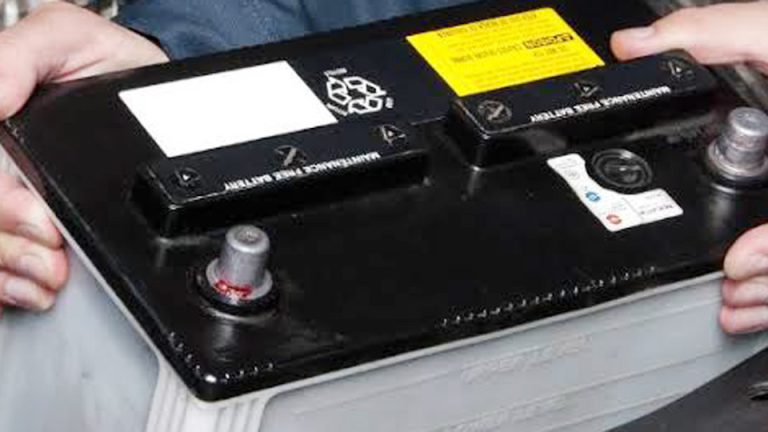
How to Neutralize Lithium-Ion Battery Safely and Effectively
Lithium-ion batteries power many devices in our daily lives, from smartphones and laptops to electric cars. They are efficient and lightweight, but can also be hazardous if not handled correctly, especially when damaged or at the end of their life.
Neutralizing a lithium-ion battery means making it safe for transport, storage, or disposal by reducing its reactive risks.
Whether you are a hobbyist, technician, or facility manager, understanding how to neutralize these batteries is important for safety and environmental protection.
This article will guide you step by step, explain key concepts, highlight common mistakes, and share practical tips to help you neutralize lithium-ion batteries confidently.
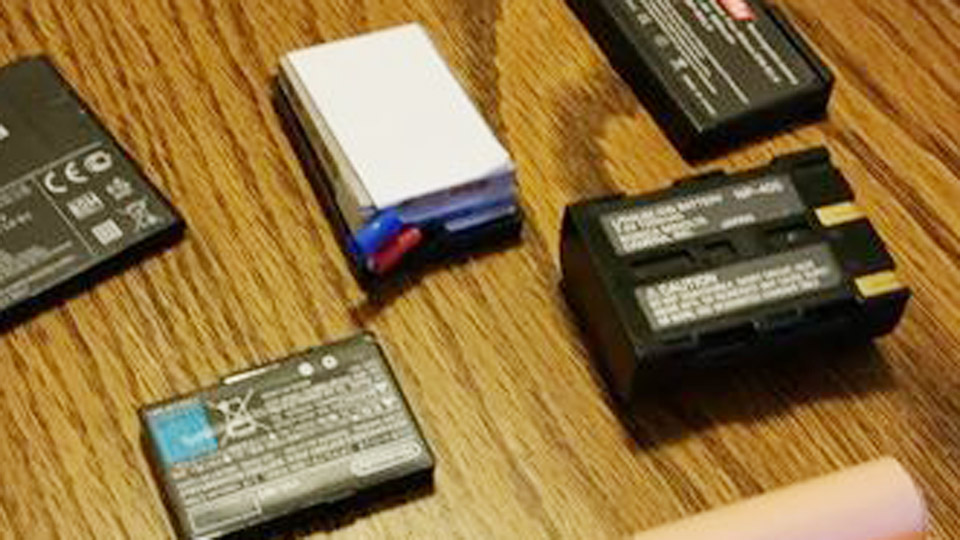
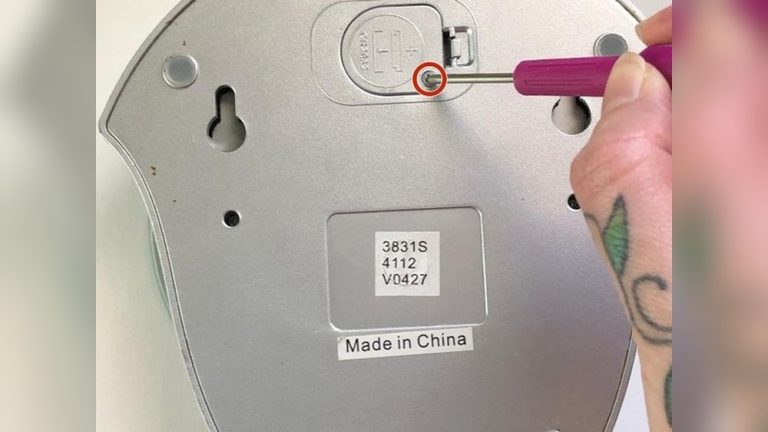
Image by instructables
Why Neutralize Lithium-ion Batteries?
Lithium-ion batteries contain flammable electrolytes, reactive lithium compounds, and sometimes toxic metals. If mishandled, they can catch fire, release harmful gases, or even explode. Neutralizing them is not just about preventing accidents—it’s about protecting people, property, and the environment.
Some key reasons for neutralization include:
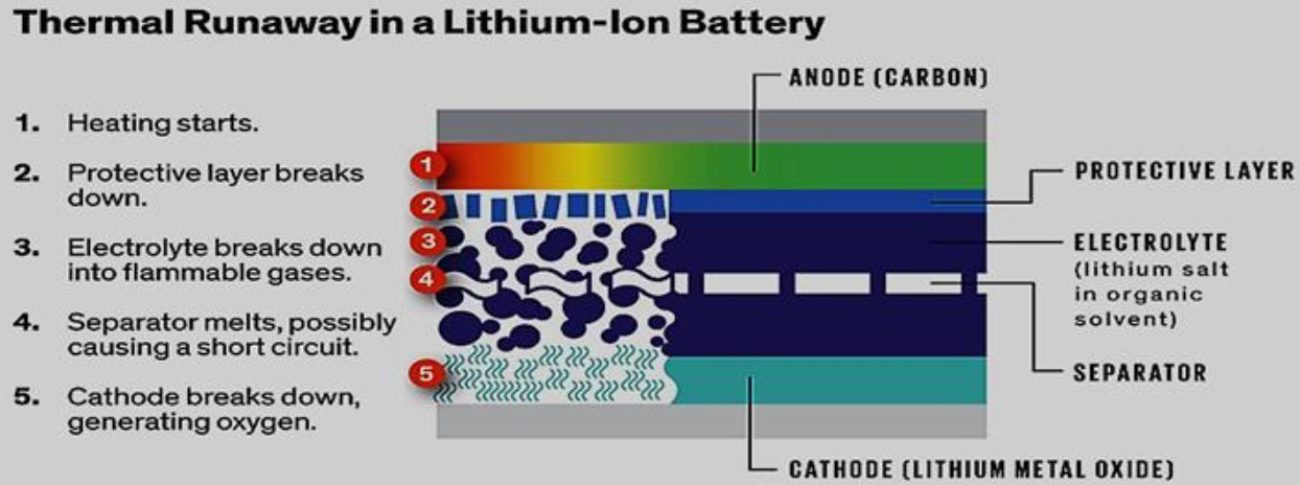
- Preventing thermal runaway (a chain reaction causing overheating and fire)
- Avoiding chemical leaks and exposure
- Complying with regulations for safe disposal and recycling
- Making batteries safe for shipment or storage
Real-world example: In 2026, a recycling facility in Arizona experienced a fire due to improper handling of lithium-ion batteries. The incident led to costly damages and highlighted the importance of safe neutralization procedures.
Understanding The Chemistry Of Lithium-ion Batteries
To neutralize a battery, you must understand what makes it dangerous. Lithium-ion batteries have several key parts:
- Cathode: Usually made from lithium cobalt oxide, lithium iron phosphate, or similar compounds
- Anode: Typically graphite, sometimes with lithium metal
- Electrolyte: A mix of organic solvents and lithium salts (e.g., LiPF6)
- Separator: Thin membrane to prevent short circuits
When a battery is damaged, the electrolyte can leak and react with water or air, producing hydrofluoric acid and other toxic gases. The lithium salts can be highly reactive, especially with moisture. This is why neutralization must be careful and controlled.
Safety Precautions Before Neutralization
Before starting, always follow strict safety measures. Even a small mistake can be dangerous.
- Wear protective equipment: Use gloves, goggles, and a face mask. A chemical-resistant apron is also recommended.
- Work in a ventilated area: Fumes from battery neutralization can be toxic.
- Keep fire suppression tools nearby: A Class D fire extinguisher is best for metal fires.
- Have emergency procedures ready: Know what to do if a fire or chemical spill occurs.
- Avoid water contact: Water can react violently with lithium compounds, especially in damaged cells.
Non-obvious insight: Never use sand or water to extinguish a lithium-ion battery fire. Sand can cause abrasion, and water can trigger dangerous reactions.
Step-by-step Process To Neutralize Lithium-ion Batteries
1. Discharge The Battery Completely
The first step is to discharge the battery as much as possible. A fully charged battery is more dangerous.
- Use a resistive load (such as a bulb or resistor bank) to drain the battery.
- Monitor voltage; stop when the battery reaches 0.0V (or as close as possible).
- For large batteries (e.g., car batteries), use professional discharge tools.
Tip: Never short-circuit the battery. It can cause overheating and fire.
2. Isolate And Inspect The Battery
Once discharged, isolate the battery from all devices and wiring. Inspect for damage, leaks, or swelling.
- Check for bulging, cracks, or leaking fluid
- If damaged, handle with extra care and avoid touching exposed chemicals
3. Prepare The Neutralization Solution
For most lithium-ion batteries, a baking soda (sodium bicarbonate) solution is effective for neutralizing acidic electrolytes. This step is for the electrolyte, not the lithium metal itself.
How to prepare:
- Mix 1 part baking soda with 10 parts water in a container.
- Stir until fully dissolved.
Important: If the battery contains exposed lithium metal, do NOT use water. Lithium reacts violently with water. For lithium metal, use mineral oil as a neutralizing agent and keep the battery submerged until it is safe.
4. Submerge And Neutralize
For batteries without exposed lithium metal:
- Place the battery in the baking soda solution.
- Let it soak for several hours (up to 24 hours for large batteries).
- Observe for bubbling or fizzing. This is the reaction neutralizing the acidic components.
For batteries with exposed lithium metal:
- Submerge in mineral oil (not water).
- Wait until bubbling stops and there is no visible reaction.
Common mistake: Many people try to neutralize with vinegar or other acids. This can worsen the reaction and release toxic gases.
5. Dry And Dispose Safely
After neutralization, remove the battery from the solution and dry it completely. Place it in a sealed, labeled container for disposal.
- Contact a certified e-waste facility for final disposal.
- Never throw neutralized batteries in household trash.
6. Clean Up And Decontaminate Tools
Wash all tools and surfaces used in the process with soap and water. Dispose of gloves and other protective gear properly.
Non-obvious insight: Avoid using metal tools for cleanup. Residual lithium compounds can react with metals, causing corrosion or sparks.
Credit: solarfiresystems.com
Handling Different Types Of Lithium-ion Batteries
Lithium-ion batteries come in many forms, from tiny coin cells to large automotive packs. Neutralization steps are similar, but some details matter.
Small Consumer Batteries
- Found in phones, laptops, cameras
- Often sealed; rarely expose lithium metal
- Baking soda solution is usually safe
Power Tool Batteries
- Higher energy; more risk if damaged
- Always discharge fully before neutralizing
- Inspect for leaks and swelling
Automotive And Industrial Batteries
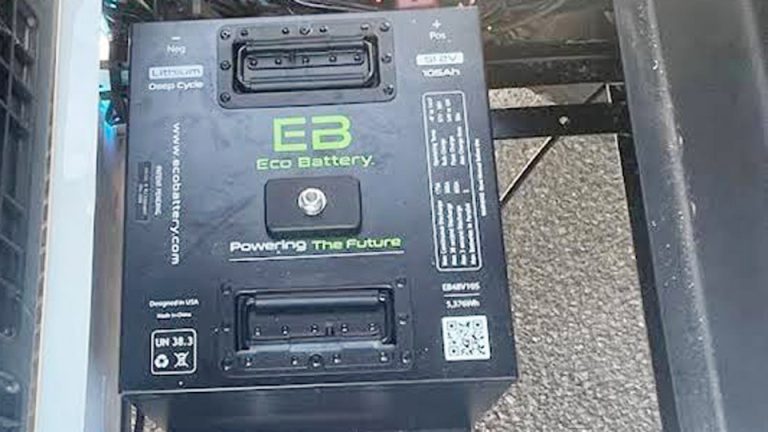
- Very large; may contain multiple cells
- Professional tools required for discharge
- Specialized facilities often needed for neutralization
Comparison Of Battery Types
Here’s a comparison of common lithium-ion battery types and their neutralization needs:
| Battery Type | Typical Size | Neutralization Risk | Common Neutralizing Agent |
|---|---|---|---|
| Coin Cell | Small (1-2g) | Low | Baking Soda Solution |
| Phone/Laptop | Medium (20-100g) | Medium | Baking Soda Solution |
| Power Tool | Medium-Large (100-500g) | High | Baking Soda Solution |
| EV/Industrial | Very Large (500g+) | Very High | Professional Neutralization |
Environmental Impact And Regulations
Neutralizing lithium-ion batteries helps prevent environmental damage. If batteries are not neutralized, they can leak heavy metals and toxic chemicals into soil and water.
- EPA regulations in the United States require proper handling of lithium-ion batteries.
- Many regions ban landfill disposal and require recycling at approved centers.
- Recycling recovers valuable metals like cobalt, nickel, and lithium, reducing mining and pollution.
Regulatory Comparison By Country
Here’s a summary of how different countries regulate lithium-ion battery disposal:
| Country | Regulation | Disposal Method | Penalty for Violation |
|---|---|---|---|
| United States | EPA Hazardous Waste Rules | Certified E-Waste Facility | Up to $25,000 fine |
| Germany | Batteriegesetz (Battery Act) | Mandatory Recycling | €50,000 fine |
| Japan | Home Appliance Recycling Law | Return to Retailer | Up to ¥1 million fine |
| China | Solid Waste Law | Specialized Centers | Up to RMB 200,000 fine |
Tip: Always check local regulations before neutralizing or disposing of lithium-ion batteries.

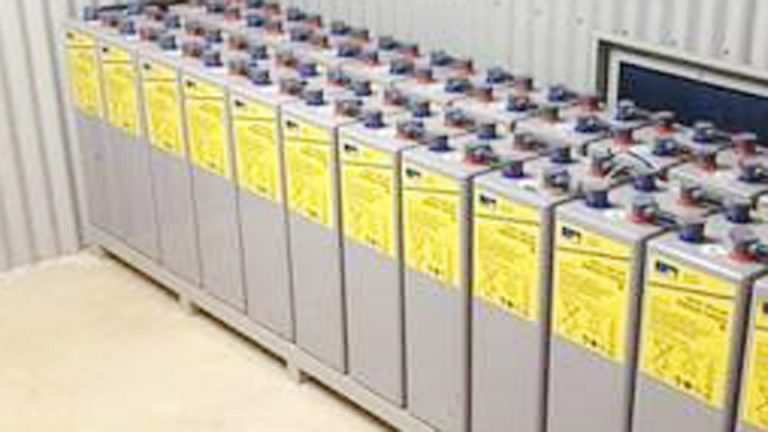
Credit: eticaag.com
Common Mistakes And How To Avoid Them
Many beginners make mistakes when neutralizing lithium-ion batteries. Here are the most frequent errors:
- Using water on exposed lithium metal: Water can cause explosions or fires.
- Short-circuiting to discharge: This is dangerous and can damage the battery further.
- Throwing batteries in regular trash: This risks environmental contamination and legal penalties.
- Ignoring protective gear: Exposure to battery chemicals can cause burns or poisoning.
- Incorrect neutralizing agent: Not all batteries can be safely neutralized with baking soda.
How To Avoid Mistakes
- Always research your specific battery type
- Use the correct agent (baking soda for electrolyte, mineral oil for lithium metal)
- Discharge batteries safely and never use shortcuts
- Wear protective gear and work in a safe environment
- Follow local disposal regulations
Advanced Techniques For Large-scale Battery Neutralization
For facilities or professionals handling large volumes, neutralization requires more advanced tools and processes.
Controlled Discharge Racks
Facilities use controlled discharge racks to safely reduce battery voltage. These racks monitor temperature and voltage, preventing overheating.
Automated Neutralization Chambers
These chambers use sensors to detect leaks, temperature changes, and chemical reactions. They apply neutralizing agents automatically, reducing human risk.
Industrial Disposal Partnerships
Partnering with certified recyclers ensures batteries are neutralized and disposed safely. Many companies offer pickup services and detailed reports on disposal.
Cost Comparison: Manual Vs. Professional Neutralization
Here’s a comparison of cost and safety for manual and professional neutralization:
| Method | Estimated Cost per Battery | Safety Level | Speed |
|---|---|---|---|
| Manual (Home) | $2–$5 | Medium | Slow |
| Professional Facility | $10–$30 | High | Fast |
Non-obvious insight: Professional neutralization may seem expensive, but it reduces liability and environmental risk. For businesses, it is often more cost-effective in the long run.
Practical Tips For Safe Neutralization
- Always label batteries before neutralization (“Discharged,” “Neutralized,” etc.)
- Store batteries in fire-resistant containers during the process
- Never mix different battery types in one batch
- Keep records of neutralization and disposal for regulatory compliance
- For damaged batteries, consult a professional before attempting neutralization
What Happens After Neutralization?
Once a battery is neutralized, it is safer to handle, transport, and dispose. However, the battery still contains metals and materials that can harm the environment if not recycled properly.
- Recycling centers extract valuable metals and safely dispose of waste
- Some parts are reused in new batteries, reducing resource demand
- Neutralized batteries can be shipped legally and safely
Wrapping Up
Lithium-ion batteries make modern life possible, but safe handling and neutralization are essential for health and environmental safety.
By understanding the chemistry, following careful steps, and avoiding common mistakes, you can make batteries safe for disposal or recycling. Always respect the risks, use the right techniques, and check local regulations.
Frequently Asked Questions
What Is The Safest Way To Neutralize A Lithium-ion Battery At Home?
The safest way is to discharge the battery fully, inspect for damage, and submerge it in a baking soda solution (unless it contains exposed lithium metal). Always wear protective gear and work in a well-ventilated area. For large or damaged batteries, seek professional help.
Can I Use Vinegar Or Other Acids To Neutralize Lithium-ion Batteries?
No. Vinegar and acids can cause dangerous reactions and release toxic gases. Baking soda (sodium bicarbonate) is safer for neutralizing acidic electrolyte components.
Is It Safe To Throw Neutralized Batteries In The Trash?
No. Even after neutralization, batteries contain metals and chemicals that harm the environment. Always dispose of them at a certified recycling or e-waste facility.
What Should I Do If A Lithium-ion Battery Starts Smoking During Neutralization?
Immediately move away from the battery and ventilate the area. Do not use water to extinguish. Use a Class D fire extinguisher or let the battery burn out in a safe space. Contact local hazardous waste authorities for help.
How Do I Know If A Battery Contains Exposed Lithium Metal?
Check the battery type and look for any visible silver metal inside cracks or leaks. Most consumer batteries do not expose lithium metal, but some industrial cells may. If unsure, treat the battery as if it contains lithium metal and use mineral oil for neutralization.