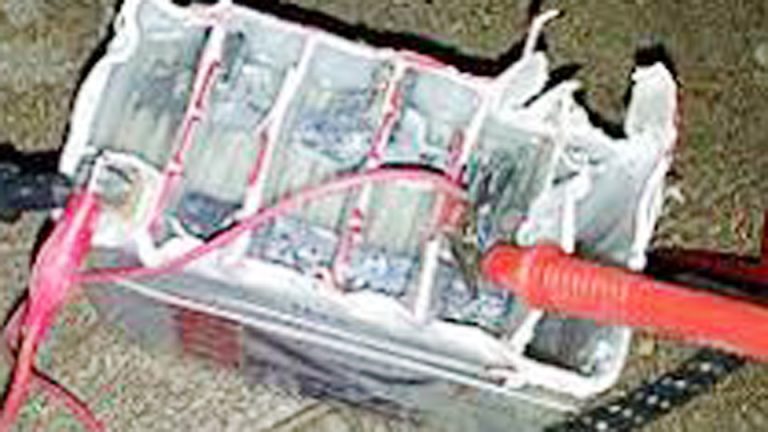
How to Remove Sulfation from Lead Acid Battery
A lead-acid battery that once started your car instantly or powered your backup system for hours suddenly seems weak and unreliable. It charges slowly, loses power quickly, and struggles when you need it most.
Before spending money on a replacement, it’s worth understanding how to remove sulfation from a lead acid battery, because sulfation is one of the most common reasons these batteries fail prematurely.
I’ve tested countless batteries that owners assumed were completely dead, only to discover that sulfation was the real culprit. In many cases, the battery plates had become coated with sulfate crystals after long periods of undercharging, infrequent use, or improper maintenance. The result was reduced capacity, poor performance, and a battery that couldn’t hold a charge like it used to.
Knowing how to deal with sulfation can save you money, extend battery life, and improve reliability when you need dependable power.
Whether you’re working with a car battery, a marine battery, or a solar storage system, understanding the warning signs early can help you avoid unexpected failures and costly replacements.
I’ll explain what sulfation is, why it happens, and the practical methods that may help restore battery performance. You’ll also learn when a sulfated battery can be recovered, when it’s beyond repair, and how to prevent the problem from coming back in the future.
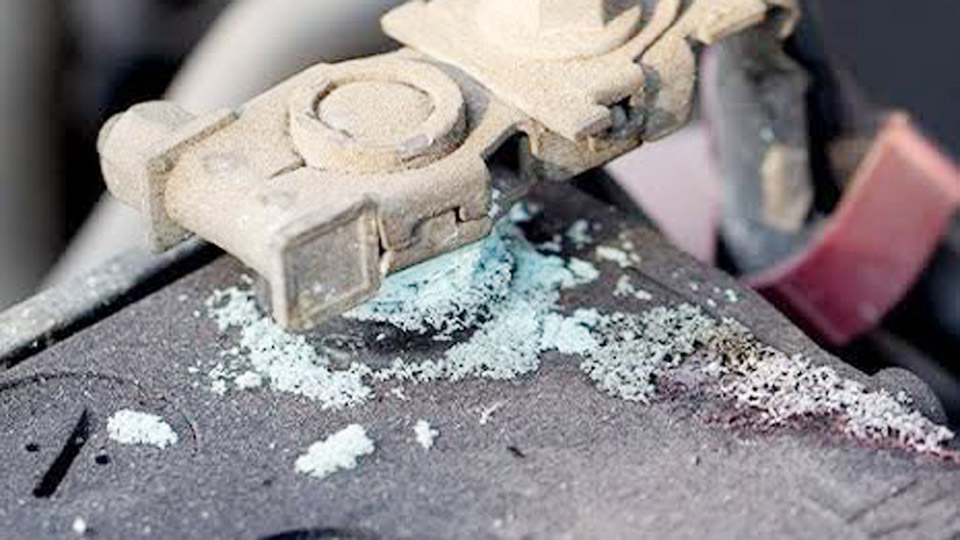
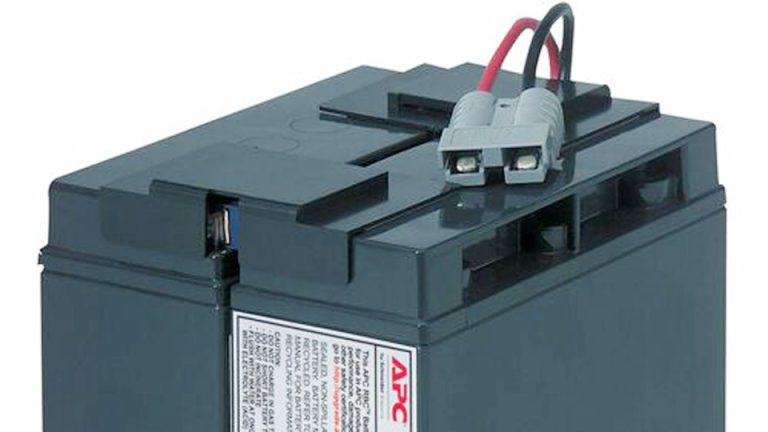
Image by legacycarts
What Is Battery Sulfation and Why Does It Happen?
Lead-acid batteries work through a reversible chemical reaction. During discharge, sulfuric acid breaks down, and sulfate ions bond with lead on the plates to form lead sulfate. When you charge it back up properly, that reaction reverses, and the sulfate returns to the electrolyte.
The problem arises when the battery sits discharged or undercharged for too long. Soft lead sulfate crystals harden into stubborn deposits that block the plates’ active surface area.
This increases internal resistance, reduces capacity, and makes charging inefficient. In extreme cases, it can permanently damage the battery.
Common triggers I’ve seen in real life:
- Vehicles or equipment left unused for weeks or months without a maintainer.
- Chronic undercharging from short trips, faulty alternators, or undersized solar controllers.
- High temperatures accelerating the process (self-discharge doubles roughly every 10°F above 75°F).
- Deep discharges without prompt recharging, especially in deep-cycle applications like solar or golf carts.
Flooded lead-acid batteries are most susceptible, but AGM and gel types can sulfate too, though usually more slowly due to their construction.
Signs Your Lead-Acid Battery Is Sulfated
Don’t wait for total failure. Look for these practical indicators:
- Slow cranking or weak starting power, even after charging.
- Rapid voltage drop under load—your multimeter shows decent voltage at rest but crashes when you turn on headlights or accessories.
- Longer-than-normal charging times or the charger staying in bulk/absorption mode forever.
- Excessive heat during charging without corresponding current acceptance.
- Low specific gravity readings in flooded cells (using a hydrometer) that don’t rise properly after charging.
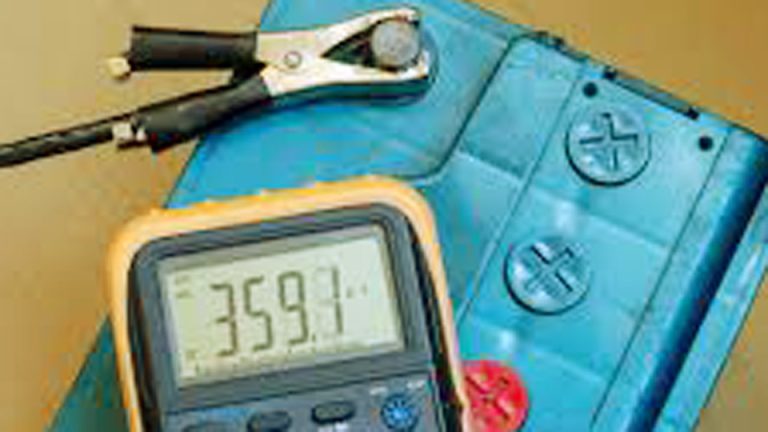
Test properly: Charge the battery fully, let it rest 12+ hours, then check open-circuit voltage. A healthy 12V battery should read around 12.6-12.7V. Below 12.4V often points to sulfation or other issues. For flooded batteries, check each cell’s specific gravity—consistent readings around 1.265-1.280 indicate health.
Battery Types: Flooded, AGM, Gel, and Beyond
Understanding your battery type matters because desulfation methods vary.
Flooded (Wet Cell) Lead-Acid: Traditional design with liquid electrolyte. Affordable and common in cars, trucks, and solar setups. They require regular maintenance (distilled water top-ups) and are easiest to desulfate but prone to spills and corrosion.
AGM (Absorbent Glass Mat): Electrolyte absorbed in fiberglass mats. Sealed, maintenance-free, vibration-resistant, and better for deep cycling. Less prone to sulfation than flooded but harder to revive once heavily sulfated because you can’t access cells easily.
Gel: Silica-thickened electrolyte. Excellent for deep discharge but sensitive to overcharging. Sulfation reversal is trickier—avoid aggressive equalization.
Lithium-Ion (LiFePO4): Not lead-acid, so no sulfation issues. Much longer cycle life, lighter, and more efficient, but higher upfront cost. Great upgrade for solar or high-use applications, though not always a direct replacement due to charging system differences.
Comparison Table (approximate real-world values for 12V deep-cycle batteries):
- Flooded: Cost low, Lifespan 300-800 cycles at 50% DoD, Maintenance high, Weight heavy, Sulfation risk high.
- AGM: Cost medium, Lifespan 500-1200+ cycles, Maintenance low, Better vibration resistance, Sulfation risk medium.
- Gel: Cost medium-high, Lifespan good for float, Sensitive to charging voltage, Low gassing.
- LiFePO4: Cost high, Lifespan 2000-5000+ cycles, Maintenance none, Lightweight, No sulfation.
Choose based on use: Flooded for budget solar banks you can maintain; AGM for vehicles or marine; lithium for performance-critical setups.
How to Test and Diagnose Sulfation
Before attempting removal, confirm the issue isn’t something else like a shorted cell or bad connections.
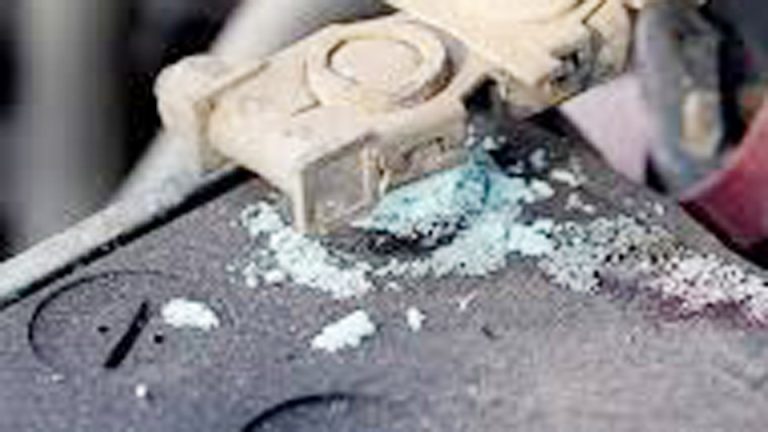
- Clean terminals thoroughly (baking soda + water mix neutralizes acid).
- Use a load tester or multimeter under load.
- For flooded: Hydrometer per cell.
- Charge fully with a smart charger and monitor current drop-off.
If capacity is low but the battery accepts some charge slowly, sulfation is likely reversible to some degree.
Step-by-Step: Removing Sulfation from Lead-Acid Batteries
Safety First: Work in a well-ventilated area, wear gloves and eye protection, have baking soda nearby to neutralize spills. Batteries can produce explosive gases.
Method 1: Controlled Equalization Charging (Best for Flooded Batteries)
This is my go-to for mildly to moderately sulfated flooded batteries.
- Charge normally to full.
- Switch to equalization mode or a charger that allows higher voltage (15.5-16.2V for 12V flooded, lower for sealed).
- Limit current to 3-5% of Ah capacity (e.g., 3-5A for a 100Ah battery).
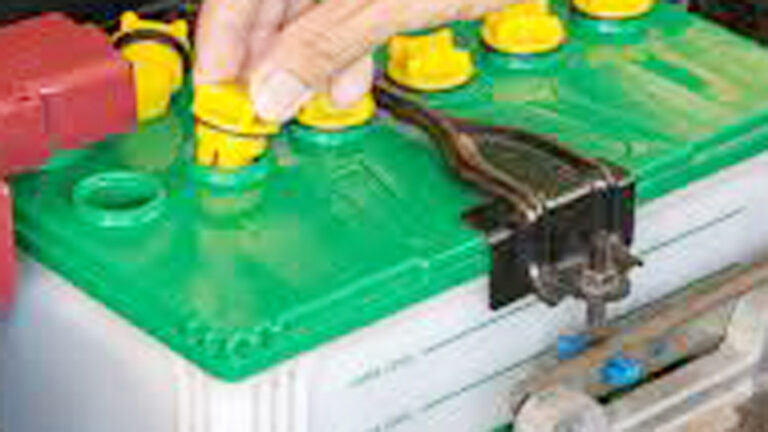
- Run for 6-8 hours or longer, monitoring temperature (keep under 125°F/50°C) and electrolyte levels. Top up with distilled water as needed.
Repeat cycles if needed, but stop if no improvement or excessive gassing/heat. This works by gently overcharging to dissolve crystals.
Method 2: Pulse Desulfation / Desulfator Devices
Electronic desulfators send high-frequency pulses that help break down crystals mechanically and chemically. Great for maintenance or mild cases. Commercial units or DIY circuits (like 555-timer based) can run for days or weeks. Combine with normal charging.
I’ve seen these restore 70-80% capacity on neglected solar batteries when used consistently.
Method 3: Slow Trickle Charging
For stubborn cases: Apply a very low current (1-2% C rate) at slightly elevated voltage for extended periods (24-72+ hours). Monitor closely.
Chemical Methods (Use with Caution)
Some add dissolved Epsom salt (magnesium sulfate) to electrolyte after draining and rinsing, but results are mixed and often temporary. It may boost specific gravity artificially without true capacity gain. Not my first choice—better for experimentation on non-critical batteries.
Always follow with proper charging. Never use on sealed batteries unless designed for it.
Common Beginner Mistakes:
- Using tap water instead of distilled (minerals worsen issues).
- Overcharging without monitoring temperature.
- Desulfating a battery with shorted or damaged cells.
- Expecting miracles on very old, heavily degraded batteries—sometimes replacement is smarter.
Charging Systems and Best Practices
Proper charging prevents sulfation in the first place.
- Bulk/Absorption/Float Stages: Use smart chargers matching your battery type. For 12V flooded: ~14.4-14.8V absorption, 13.2-13.8V float.
- Equalization: Periodic for flooded (every 1-3 months or as needed).
- Match charger to battery chemistry—wrong voltages destroy AGM/gel.
In solar setups, ensure your charge controller has proper setpoints and temperature compensation. For vehicles, check alternator output.
Storage Tips: Keep fully charged, use a maintainer/trickle charger, store cool and dry. Disconnect if possible or use battery disconnect switches.
Real-World Applications and Examples
Cars and Motorcycles: Short trips are killers. I once revived a classic car’s battery that sat all winter by equalizing it—got another two seasons out of it.
Solar and Off-Grid: Deep-cycle banks suffer from variable sun. Regular full charges and occasional equalization keep them healthy. One homeowner’s 48V bank recovered noticeably after consistent desulfation pulsing.
UPS and Backup: Standby batteries sulfate from float charging issues. Test and maintain quarterly.
Power Tools and Electronics: Smaller SLA batteries in scooters or backups benefit from dedicated maintainers.
Maintenance Routines That Save Batteries
- Check voltage and levels monthly.
- Clean terminals.
- Avoid deep discharges below 50% for longevity.
- Use quality chargers and maintainers.
- For solar: Size panels and controller appropriately for full daily recharge.
Safety Considerations
Batteries contain sulfuric acid and can explode if sparked near gassing cells. Hydrogen gas is no joke. Dispose of irreparable ones responsibly—many auto parts stores recycle them.
Practical Recommendations
- Invest in a good smart charger with desulfation mode.
- For fleets or heavy use, consider battery monitoring systems.
- When upgrading, weigh lithium’s benefits against cost.
- Track performance over time with simple logs.
Key Takeaways for Better Battery Management
Dealing with sulfation has taught me that prevention beats cure every time. Know your battery type, charge it fully and promptly, maintain connections and fluid levels, and use the right tools.
Whether you’re troubleshooting a car that won’t start or optimizing a solar array for off-grid reliability, these hands-on steps give you control over lifespan and performance.
On flooded deep-cycle batteries in solar or marine use, perform a controlled equalization charge at the start of each season after a full normal charge. It balances cells, knocks back light sulfation, and can add meaningful years of service—monitor every cell and temperature like your system’s life depends on it, because it does.
FAQ
How long does desulfation take?
Mild cases might improve in 24-48 hours of proper charging. Deep sulfation can take days to weeks of pulsing or multiple equalization cycles. Patience and monitoring are essential—rushing risks damage.
Can you desulfate AGM or gel batteries?
Yes, but more carefully than flooded. Use pulse desulfators or manufacturer-approved chargers. Avoid high-voltage equalization that could cause venting or drying out. Success rates are lower than with accessible flooded cells.
Is adding Epsom salt effective?
It provides temporary specific gravity improvement in some cases but doesn’t always restore true capacity and can introduce issues. Better as a last resort or combined with other methods—focus on electrical desulfation first.
What’s the best way to prevent sulfation?
Keep the battery fully charged at all times. Use a maintainer for stored vehicles, ensure proper charging voltages, and avoid prolonged partial states of charge. Temperature control helps too.
When should I just replace the battery?
If it won’t hold a charge after multiple attempts, has shorted cells (hydrometer shows 0 in one cell), physical damage, or is very old (5+ years heavy use). Testing capacity post-desulfation tells the story.