How to Clean Lead Acid Battery Plates for Longer Battery Life
I’ve pulled more than one dead battery from under a hood or out of a solar shed after it refused to hold a charge. Sulfation on the plates is often the silent killer—those white, crusty deposits that turn a once-reliable lead-acid battery into expensive scrap.
Learning how to clean lead acid battery plates isn’t just about saving money; it’s about understanding why your car won’t start on a cold morning, why your solar bank underperforms at night, or why your UPS fails during a power outage.
I’ll walk you through everything I’ve learned from years of hands-on work with flooded lead-acid, AGM, gel, and even comparisons to lithium setups. We’ll cover the why, the how, the safety must-dos, and the mistakes that ruin batteries faster than time itself.

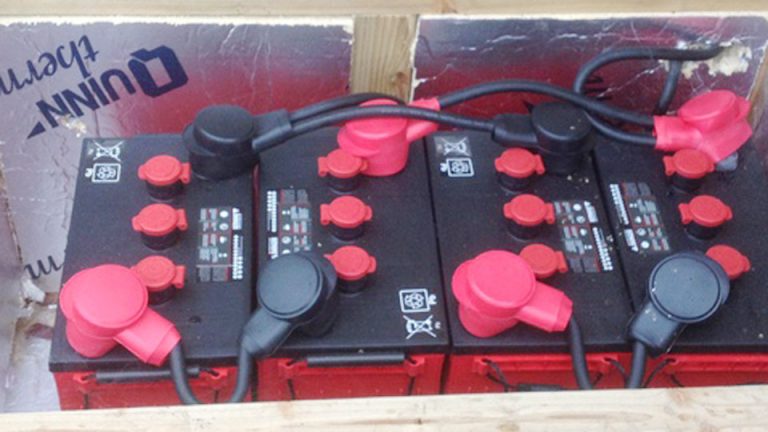
Image by the-diy-life
Why Lead-Acid Battery Plates Get Dirty and What It Means for You
Lead-acid batteries work through a simple but finicky chemical reaction. Lead plates (positive lead dioxide and negative sponge lead) sit in sulfuric acid electrolyte. During discharge, lead sulfate forms on both plates. When you charge it back up properly, most of that sulfate dissolves back into the electrolyte.
The problem hits when the battery sits discharged for too long, gets undercharged, or experiences low electrolyte levels. Soft sulfate turns into hard crystals that block the plates’ surface area. This reduces capacity, makes charging inefficient, and eventually kills the battery.
Real-world impact:
- A car battery with heavy sulfation might crank slowly or not at all.
- Solar deep-cycle batteries lose usable Ah capacity, forcing generators on earlier.
- In UPS systems, it means shorter runtime during outages.
I’ve seen batteries drop from 100Ah effective to under 40Ah because of unchecked plate buildup. Cleaning or desulfating can often recover 20-70% of lost performance if caught early.
Understanding Different Lead-Acid Battery Types
Before diving into cleaning, know your battery. Not all “lead-acid” are the same.
Flooded Lead-Acid (Wet Cell):
Traditional design with liquid electrolyte you can access. Most common in cars, trucks, motorcycles, and many solar setups. They require regular maintenance but are affordable and forgiving of overcharging if monitored.
AGM (Absorbent Glass Mat):
Sealed, with electrolyte absorbed in fiberglass mats. Vibration-resistant, low maintenance, better for deep cycling than flooded in some cases. Harder to “clean” internally since you can’t easily access plates.
Gel:
Electrolyte in gel form. Excellent for deep discharge but sensitive to overcharging. Common in marine, RV, and some solar applications.
Comparison Table: Lead-Acid Variants vs. Lithium
| Feature | Flooded Lead-Acid | AGM | Gel | Lithium (LiFePO4) |
|---|---|---|---|---|
| Cost (Initial) | Lowest | Medium | Medium-High | Highest |
| Maintenance | High (water, clean) | Low | Low | Very Low |
| Cycle Life (50% DoD) | 300-600 | 500-1000 | 500-800 | 2000-5000+ |
| Depth of Discharge | 50% recommended | 50-80% | 50-80% | 80-90% |
| Weight | Heavy | Medium | Medium | Light |
| Cold Cranking | Excellent | Very Good | Good | Good (with BMS) |
| Sulfation Risk | High | Medium | Medium | None |
Lithium wins on longevity and efficiency but costs more upfront. For many car and basic solar users, well-maintained lead-acid still makes sense.
Tools and Safety Gear You’ll Actually Need
Don’t skip safety—sulfuric acid burns skin and eyes, and hydrogen gas is explosive.
Must-have:
- Acid-resistant gloves and safety goggles
- Baking soda (for neutralization)
- Distilled water
- Battery terminal cleaner brush or old toothbrush
- Hydrometer or voltmeter
- Plastic funnel and syringe for electrolyte
- Charger with desulfation or recondition mode (if available)
- Shop rags, plastic tray for drips
Work in a well-ventilated area, away from sparks or flames. Never smoke nearby. Keep a box of baking soda handy to neutralize spills instantly.
Step-by-Step: How to Clean Lead Acid Battery Plates (External and Terminal Focus)
Most “cleaning” for everyday users targets the exterior, terminals, and accessible corrosion. Opening cells for deep plate cleaning is advanced and risky.
Step 1: Preparation
Disconnect the battery (negative first). Place it on a plastic tray. Note the orientation—some batteries aren’t sealed for tipping.
Step 2: Clean Terminals and Case
Mix baking soda and water into a paste. Apply to corroded terminals. Let it fizz (neutralizing acid). Scrub with a wire brush. Rinse with distilled water and dry thoroughly. Apply dielectric grease after reconnecting to prevent future corrosion.
Step 3: Check and Top Up Electrolyte (Flooded Only)
Remove vent caps. Check levels—plates should be covered. Use distilled water only, never tap water (minerals cause issues). If electrolyte is very low, sulfation has likely occurred.
Step 4: Visual Inspection
Look for cracks, bulges, or excessive sediment at the bottom of cells. Heavy sediment means plate shedding—time for replacement.
This external clean often revives connections and stops current drain from corrosion.
Desulfation and Internal Plate Restoration Techniques
For actual plate cleaning, you’re fighting sulfation. Full disassembly is for professionals with proper facilities due to lead hazards and acid handling.
Mild Desulfation (Recommended First Approach):
- Charge slowly with a smart charger on low amps for 24-48 hours.
- Use a charger with recondition/desulfate mode if available—these often use high-frequency pulses.
- Some add a teaspoon of Epsom salts (magnesium sulfate) per cell as a temporary aid, but results vary.
- Monitor temperature—keep under 125°F (52°C).
Advanced Methods (Use with Caution):
- Phosphoric acid additives: Some restore by converting sulfate. Requires careful dosing and extended charging.
- EDTA or other chelating agents: Experimental for dissolving crystals.
- Full electrolyte replacement and multiple charge/discharge cycles.
I’ve revived several “dead” car batteries this way, getting another 1-2 years out of them. Success depends on how hardened the sulfate is and plate condition.
Battery Charging Best Practices to Prevent Plate Buildup
Poor charging causes most sulfation.
- Voltage Ranges: Flooded: 13.8-14.4V float, up to 14.8V bulk. AGM/Gel: Follow manufacturer (usually lower to avoid gassing).
- Use a multi-stage smart charger.
- For solar: MPPT controllers with proper absorption and float settings.
- Equalization charge (controlled overcharge) for flooded batteries monthly to mix electrolyte and reduce stratification.
Never use automotive chargers on deep-cycle batteries without monitoring—they can overcharge.
Common Mistakes That Destroy Batteries Faster
- Letting a battery sit discharged below 12.2V for weeks.
- Using tap water instead of distilled.
- Over-tightening terminals or using the wrong wrench (stripping posts).
- Storing batteries in extreme heat or cold without maintenance.
- Ignoring parasitic drains in vehicles (alarm systems).
- Mixing old and new batteries in banks.
- Charging at too high a voltage, causing excessive gassing and plate erosion.
One pro mistake: Assuming a “maintenance-free” battery needs zero attention. Even AGM benefits from clean terminals and proper charging.
Maintenance Routines for Different Applications
Cars and Motorcycles:
Clean terminals every 3-6 months. Check voltage monthly. Drive regularly or use a trickle maintainer.
Solar and Off-Grid:
Deep-cycle batteries need consistent charging. Check specific gravity weekly with a hydrometer. Equalize monthly.
UPS and Backup:
Test under load periodically. Keep in climate-controlled spaces.
Power Tools:
Avoid full discharge. Clean contacts after dirty jobs.
Troubleshooting Low Performance
- Voltage reads normal but dies under load? Likely sulfation or bad cell.
- Excessive heat during charging? Short or over-sulfated.
- Low specific gravity after full charge? Add water or replace.
Load test with a proper tester for accurate diagnosis.
When to Replace Instead of Clean
If capacity is below 70-80% after desulfation attempts, or you see physical plate damage, replace it. Continuing with a weak battery stresses your alternator or inverter.
Real-World Examples from the Garage and Field
In my experience with a customer’s solar setup in a hot climate, flooded batteries lasted 4-5 years with diligent watering and cleaning versus 1-2 years neglected.
A motorcycle battery revived after terminal cleaning and slow charging started instantly again after months of sitting. Automotive users often see immediate cranking improvement after terminal service.
Practical Recommendations and Compatibility Tips
- Match battery type to application (cranking vs. deep cycle).
- Store at 50-80% charge in cool, dry places. Recharge every 1-3 months.
- For banks: Same age, type, and capacity.
- Proper current: 10-20% of Ah rating for charging.
Safety Considerations Beyond the Basics
Always neutralize spills. Dispose of old batteries responsibly—lead and acid are hazardous. Never puncture or incinerate. Wear protection even for “simple” tasks.
Final Takeaway: Building Better Battery Habits
You’ve now got the knowledge to inspect, clean, maintain, and choose lead-acid batteries wisely across cars, solar, UPS, and more. Understanding sulfation, proper charging voltages, and routine care prevents most failures and extends life significantly.
Invest in a good hydrometer and use it religiously on flooded batteries. Specific gravity tells the real story voltage often hides—catching imbalance early saves entire banks.
FAQ
How often should I clean lead acid battery plates and terminals?
Every 3-6 months for vehicles, or during routine solar maintenance. More often in dusty or humid environments. External cleaning prevents most connection issues.
Can I clean the actual plates inside a sealed AGM or gel battery?
No. Sealed designs aren’t meant for internal access. Focus on external cleaning and proper charging. Severe issues usually mean replacement.
Does baking soda damage battery plates if it gets inside?
It neutralizes acid, so avoid getting the mixture into cells. Use it only on externals and rinse thoroughly. For inside, distilled water and proper charging are safer.
What’s the best way to prevent sulfation on lead acid battery plates?
Keep batteries charged above 12.4V, use smart chargers, avoid deep discharges below 50%, and store properly. Regular use or maintainers help tremendously.
How long does a cleaned lead acid battery typically last after restoration?
It varies—mild sulfation recovery might add 6-24 months. Heavily damaged ones may only gain weeks. Prevention always beats cure.