How to Remove Alkaline Battery Leakage Safely and Effectively
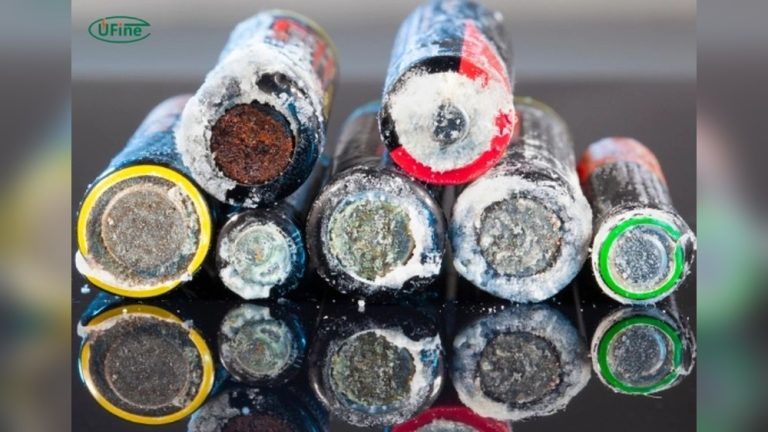
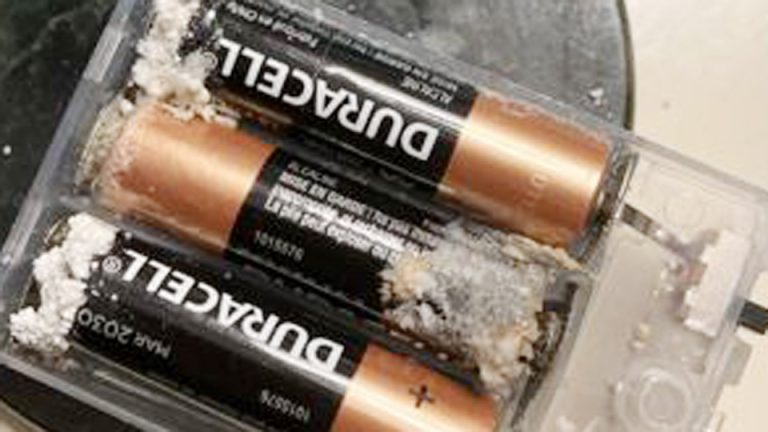
I’ve pulled more corroded remotes, flashlights, and gadgets out of drawers than I care to count. Nothing ruins a perfectly good device faster than a forgotten set of alkaline batteries that decide to leak potassium hydroxide all over the contacts and circuit board.
If you’re staring at white, crusty residue in your smoke detector, kids’ toy, or even a high-end multimeter right now, you’re not alone. Learning how to remove alkaline battery leakage can save your equipment and prevent permanent damage from the corrosive mess.
In my years working with everything from automotive batteries to off-grid solar setups and everyday consumer electronics, I’ve cleaned up countless alkaline leaks.
The electrolyte in these batteries is highly caustic, and once it starts spreading, it eats through metal contacts, damages solder joints, and can even short out sensitive electronics.
The good news is that with the right approach, most damage is reversible if you catch it early. This guide walks you through exactly what to do, step by step, based on real fixes I’ve performed in workshops and garages.
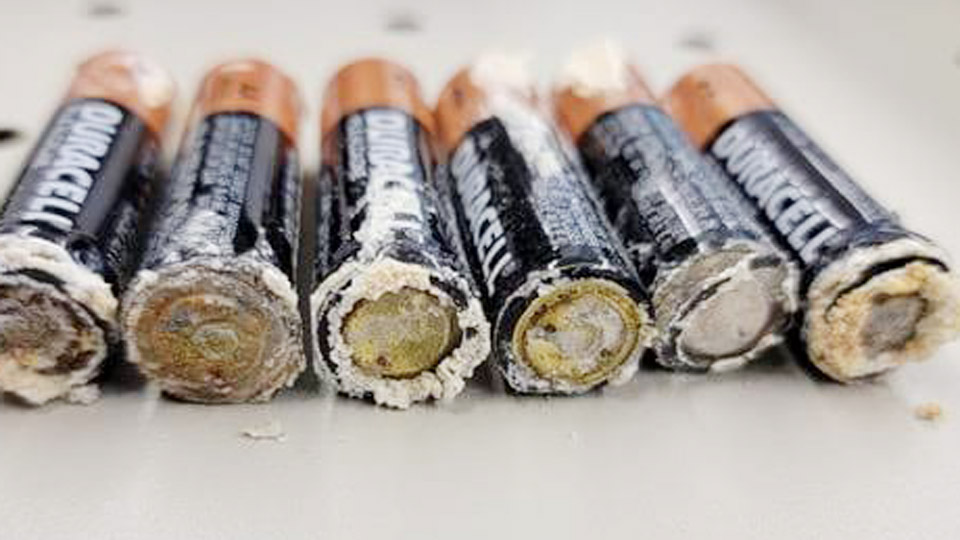
Image by r/techsupportgore
Why Alkaline Batteries Leak and the Risks Involved
Alkaline batteries use a potassium hydroxide electrolyte to generate power. Over time, especially when left in devices for months or years, the internal seals degrade. Heat, age, low charge, or mixing old and new cells accelerate this. The leaked material is a strong base that quickly corrodes zinc and other metals, forming that characteristic white or greenish crust.
This isn’t just unsightly. It can destroy spring contacts, ruin printed circuit boards, and in severe cases, make a device unsafe or unusable. I’ve seen flashlights where the battery tube was pitted so badly it needed replacement, and remotes where corrosion had traveled along traces, requiring board-level repairs.
For car owners, similar issues pop up in key fobs; solar users deal with it in controllers or meters; and technicians see it in test equipment left on benches.
Safety comes first. The residue can irritate skin and eyes, and in enclosed spaces, it off-gasses. Always work in a ventilated area, wear gloves and eye protection, and keep kids and pets away.
Identifying Alkaline Battery Leakage
Look for white, powdery, or crusty deposits around battery terminals or inside compartments. It might smell slightly soapy or chemical. In advanced cases, you’ll see discoloration on metals or even swelling of the battery casing itself. Unlike lead-acid corrosion (which is often bluish-green from sulfuric acid), alkaline leaks tend to be white and more powdery.
Test by gently probing with a non-conductive tool. If the device won’t power on or has intermittent connections, leakage is often the culprit even if you don’t see heavy buildup yet.
Step-by-Step Guide: How to Remove Alkaline Battery Leakage
Preparation and Safety
Gather white vinegar (or lemon juice as a mild acid), baking soda, isopropyl alcohol (90%+), cotton swabs, an old toothbrush, paper towels, gloves, and safety glasses. Work over a protected surface. Remove the batteries carefully—use pliers if they’re stuck, but avoid forcing them in a way that spreads debris.
Step 1: Remove the Source
Take out all batteries. Tap or brush loose powder into a disposable container. If a battery is welded in place by corrosion, apply vinegar directly to loosen it over a few minutes before prying.
Step 2: Neutralize the Alkaline Residue
This is critical. Alkaline electrolyte is a base, so you neutralize it with a mild acid like white vinegar. Dip a swab or brush in vinegar and apply to affected areas. You’ll see fizzing as it reacts. Let it work for a few minutes on heavy buildup, then wipe away. Repeat until fizzing stops.
Avoid soaking electronics—dab, don’t pour. For larger compartments like flashlights, you can let a small amount sit briefly before flushing.
Step 3: Clean and Scrub
Use the toothbrush or swabs to gently scrub contacts and surfaces. For stubborn spots, a paste of baking soda and water can help after initial neutralization, but vinegar is primary for alkaline leaks. Rinse with a damp (not wet) cloth if needed, then thoroughly dry.
Step 4: Final Degrease and Polish
Wipe everything with isopropyl alcohol to remove any remaining residue, moisture, and oils. This evaporates quickly and leaves surfaces clean. For metal contacts, a pencil eraser or fine emery cloth can restore shine without damaging plating, but be gentle on gold-plated surfaces.
Step 5: Test and Reassemble
Let everything air dry completely, ideally overnight. Insert fresh batteries and test the device. If it still malfunctions, corrosion may have reached deeper components—consider professional repair or replacement.
I’ve revived countless devices this way. One old multimeter had leakage so bad the battery door was fused shut. After a careful vinegar treatment and alcohol clean, it worked like new.
Battery Types and Leakage Risks Across Applications
Alkaline (Primary, Non-Rechargeable): Most prone to leakage in AA, AAA, C, D, and 9V formats. Common in remotes, toys, flashlights, and smoke detectors.
Rechargeable NiMH/NiCd: Less common but can still leak if over-discharged or old.
Lead-Acid (Automotive, Deep-Cycle, UPS): Use sulfuric acid—clean with baking soda instead of vinegar. These appear in cars, motorcycles, solar storage, and backup systems.
Lithium and LiFePO4: Far more stable with minimal leakage risk. Great for high-drain or long-term use in EVs, power tools, and solar setups, though they have their own safety considerations like thermal runaway if damaged.
Comparison Table: Battery Types and Leakage Characteristics
| Battery Type | Leak Risk | Electrolyte Type | Neutralizer | Typical Applications | Lifespan Notes |
|---|---|---|---|---|---|
| Alkaline | High | Potassium Hydroxide | Vinegar | Remotes, toys, flashlights | 1-5 years, leaks when depleted |
| NiMH | Medium | Potassium Hydroxide | Vinegar | Rechargeables in cameras, tools | Hundreds of cycles |
| Lead-Acid | Medium | Sulfuric Acid | Baking Soda | Cars, solar, UPS | 3-7 years with maintenance |
| Lithium-Ion/LiFePO4 | Low | Organic Electrolyte | N/A (avoid water) | EVs, power tools, solar | 1,000-5,000+ cycles |
In real-world use, alkaline batteries dominate low-drain devices, which is why leakage hits households hard. Solar off-grid setups often mix deep-cycle lead-acid with electronics that use alkalines for controls—knowing the difference prevents cross-contamination of cleaning methods.
Common Mistakes That Make Leakage Worse
Beginners (and even some pros) often skip neutralization and just wipe with water, spreading the caustic material. Others use harsh abrasives that scratch contacts or apply cleaners that leave conductive residue, causing shorts later.
Charging or storage errors compound issues. Leaving devices with dead alkalines for years is the top offender. In cars, key fobs left in hot gloveboxes accelerate leaks. For solar users, meter batteries in outdoor enclosures fail faster due to temperature swings.
I’ve seen technicians damage boards by using baking soda on alkaline leaks or vinegar on lead-acid corrosion—always match the chemistry.
Prevention Strategies That Actually Work
Remove batteries from devices you won’t use for more than a couple months. Store loose batteries in their original packaging or dedicated non-conductive containers, away from metal. Keep them cool and dry—room temperature is ideal; avoid refrigerators or hot attics.
Date batteries with a marker when installed. Use high-quality brands with better seals for critical devices like smoke detectors. For rechargeables, maintain proper charge levels and don’t mix capacities.
In workshop practice, I keep a small kit with vinegar swabs and alcohol wipes ready. For fleet or solar maintenance, schedule regular battery checks.
Broader Battery Maintenance: Charging, Storage, and Troubleshooting
While alkaline are primary cells, understanding the ecosystem helps. For rechargeable systems:
- Voltage and Capacity: AA alkalines deliver ~1.5V nominal. Lead-acid: 2V per cell. LiFePO4: 3.2V nominal. Match chargers precisely—wrong voltage ruins packs fast.
- Charging Methods: Use smart chargers for rechargeables. Trickle for long-term storage. Avoid overcharging alkalines (they’re not meant for it).
- Storage: Cool, dry, partial charge for lithium; full for lead-acid. Check monthly.
- Troubleshooting Leaks in Context: In cars, clean terminals similarly but neutralize acid with baking soda. Solar controllers with leaked alkalines in displays need the vinegar method. Power tools benefit from lithium swaps to reduce maintenance.
Real scenario: A solar setup I serviced had a backup meter ruined by alkaline leakage. Cleaning restored function, but switching to lithium cells prevented recurrence.
Practical Recommendations for Different Users
DIY Mechanics and Car Owners: Keep fobs and diagnostic tools battery-free when stored. Clean terminals on vehicle batteries routinely.
Solar and Off-Grid Homeowners: Use lithium where possible for reliability. Check all battery compartments seasonally.
Technicians: Carry neutralization supplies. Document cleaning on service logs for warranty claims.
Everyday Users: Replace batteries proactively in smoke alarms twice a year, even if not dead.
When to Replace Instead of Repair
If corrosion has pitted contacts deeply or reached electronics, cleaning might be temporary. Severely damaged devices are often better replaced, especially cheap ones. For high-value items, professional ultrasonic cleaning or board repair might be worth it.
Real-World Takeaways from Years in the Field
Dealing with alkaline battery leakage teaches you the value of prevention and quick action. Knowing battery chemistries—alkaline’s base versus lead-acid’s acid—lets you neutralize correctly every time.
Proper storage and removal habits eliminate most problems before they start. Charging discipline and matching the right battery to the job extend life dramatically across cars, solar arrays, tools, and gadgets.
You’re now equipped to handle leaks confidently, restore devices, and avoid the frustration and cost of replacements.
For any device that sees infrequent use, store batteries separately in a labeled ziplock bag inside the compartment. It adds seconds during setup but saves hours of cleanup later.
FAQ
How do I safely dispose of leaked alkaline batteries?
Place them in a plastic bag, neutralize residue if possible, and take to a household hazardous waste facility or battery recycling center. Never throw in regular trash.
Can I use baking soda instead of vinegar for alkaline leaks?
Baking soda is better for acid-based leaks like lead-acid. For alkaline, vinegar or citric acid (lemon juice) neutralizes effectively. Using the wrong one can make the mess worse.
Will removing leakage save my device completely?
Often yes, if caught early. Deep corrosion into circuits may require further repair. Always dry thoroughly and test voltages after cleaning.
How can I prevent alkaline batteries from leaking in storage?
Store at room temperature in original packaging, away from metal and humidity. Check expiration dates and rotate stock. Remove from devices for long-term storage.
Is it safe to use isopropyl alcohol right after vinegar?
Yes, after neutralizing and wiping away residue. The alcohol removes moisture and any remaining film without reacting further.
This process has salvaged more equipment than I expected over the years. Apply it consistently, and you’ll spend less time fixing and more time using your gear.