How to Store Alkaline Batteries Long Term for Longer Life
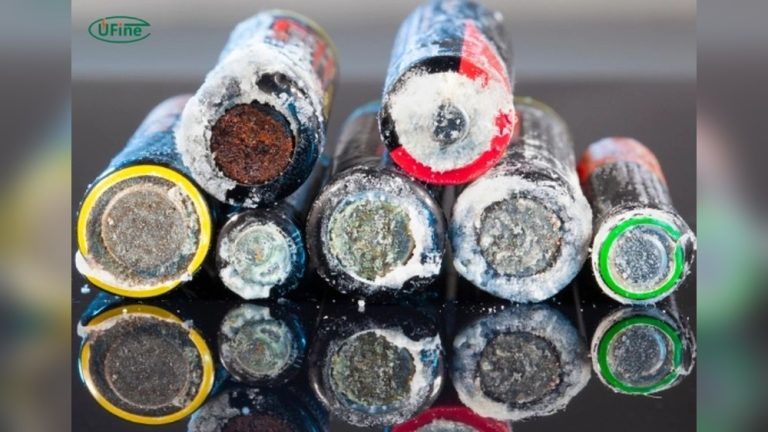
You’ve probably grabbed a pack of AA or AAA alkaline batteries for a flashlight, remote, or smoke detector, only to find them leaking or dead months or years later when you needed them most.
That frustration hits especially hard during a power outage or when a kid’s toy dies at the worst time. Learning how to store alkaline batteries long term prevents wasted money, avoids corrosive leaks that ruin devices, and ensures reliable power when it counts.
In my years working with all kinds of batteries—from car starting packs to solar deep-cycle systems and everyday household ones—I’ve seen the same patterns. Alkaline batteries, those ubiquitous non-rechargeable cylinders, have a decent shelf life, but poor storage cuts it short fast.
Heat, humidity, mixing old with new, or loose contact with metal turns good batteries into hazards. I’ll walk you through what actually works based on real experience, not just labels on the package.
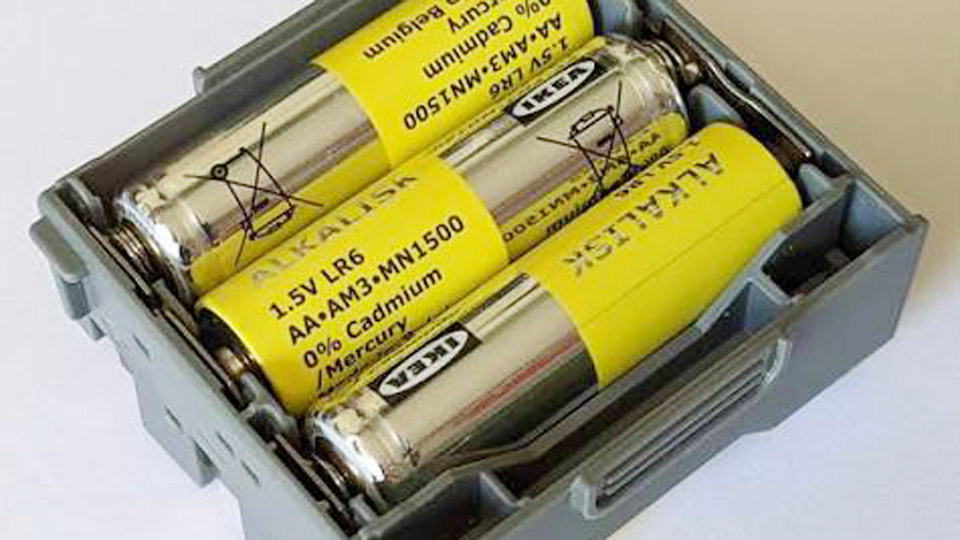
Image by philohome
Why Proper Long-Term Storage Matters for Alkaline Batteries
Alkaline batteries use zinc and manganese dioxide with an alkaline electrolyte (usually potassium hydroxide). Over time, they self-discharge slowly, and the electrolyte can become more aggressive if conditions aren’t right, leading to leakage.
In humid garages or hot attics, I’ve pulled out packs where the cardboard blister was disintegrating and white crusty residue had formed.
For car owners, mechanics, solar users, or anyone with emergency kits, this is practical stuff. A well-stored stash means your multimeter, headlamp, or backup radio works when needed. Bad storage wastes cash and creates safety issues—leaked alkaline is caustic and can damage electronics or skin.
Alkaline Battery Types and Their Storage Needs
Alkaline batteries come mainly in standard sizes: AA, AAA, C, D, and 9V. They’re primary (non-rechargeable) cells designed for moderate drain devices. Compare them to others you’ll encounter:
Alkaline: Affordable, good capacity for intermittent use, shelf life 5-10 years when stored right. They handle low to moderate current draws well but leak more readily if fully discharged or abused in storage.
Lithium (Primary, like CR123A or AA lithium): Longer shelf life (10-15+ years), better cold performance, lighter, higher voltage stability. More expensive but ideal for fire alarms or outdoor gear.
Rechargeable NiMH: Shorter shelf life (3-5 years), higher self-discharge. Great for high-use items but need different care.
Lead-Acid (Car, AGM, Gel): Not for household small devices; heavy, used in vehicles and solar. Store differently with charge maintenance.
Lithium-Ion (LiFePO4): For power tools, EVs, solar. Store at partial charge, very low self-discharge.
Alkaline stand out for simplicity—no charger needed—but they’re sensitive to environment. Voltage starts around 1.5V fresh and drops gradually. Capacity in mAh varies by brand and size (AA often 2000-3000 mAh).
Ideal Storage Conditions for Maximum Shelf Life
Room temperature is king. Aim for 60-77°F (15-25°C) with moderate humidity (35-65% RH). A climate-controlled closet, drawer, or basement shelf away from windows works better than a garage or attic.
I’ve tested this in workshops: batteries in a hot shed lost noticeable capacity faster than those indoors. Avoid refrigerators or freezers—condensation causes corrosion when they warm up. Direct sunlight or near heat sources (furnace, water heater) accelerates chemical reactions inside the cell.
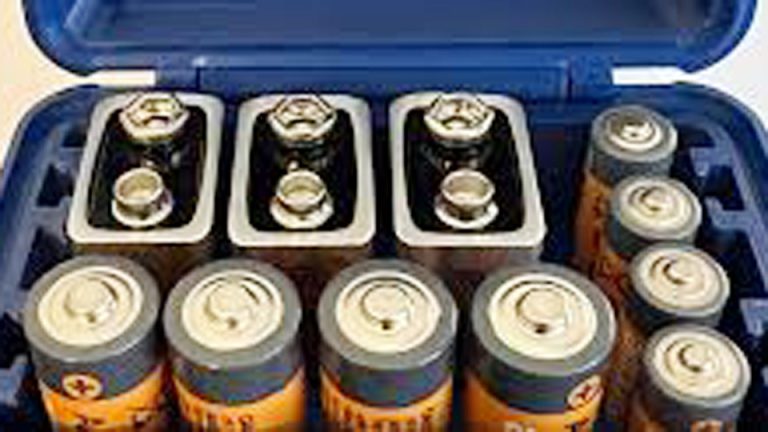
Keep them in original packaging or a dedicated plastic organizer. This prevents terminals from touching metal objects, coins, or each other, which causes shorts and leaks. Align them all positive in the same direction for easy identification.
Step-by-Step Guide: How to Store Alkaline Batteries Long Term
Inspect Before Storing
Check expiration dates (usually printed on packaging). Discard any with damage, bulging, or leaks. Separate new from used—mixing them can cause the used ones to discharge the new ones faster.
Choose the Right Location
Pick a cool, dry, dark spot. A kitchen drawer, office cabinet, or dedicated toolbox insert works. For larger stockpiles, use a plastic bin with desiccant packets if humidity is a concern, but don’t seal airtight if moisture could trap inside.
Prepare the Batteries
Leave in blister packs or cardboard sleeves when possible. For loose ones, use battery cases or tape over terminals individually (electrical tape works). Never store in devices long-term—remove them to prevent slow drain and leakage.
Organize by Type and Age
Label containers: “New AA Alkaline,” “Used 9V,” etc. This avoids grabbing a weak one in a hurry.
Periodic Checks
Every 6-12 months, inspect for leaks or corrosion. Rotate stock using oldest first. In emergency kits, test a sample annually.
In my garage setup, I use clear plastic organizers on a shelf. It takes seconds to grab what I need, and nothing has leaked in years.
Common Storage Mistakes and How to Avoid Them
Beginners and pros alike slip up. Storing in hot cars or humid basements is the top killer. One mechanic friend left a bulk pack in his truck—summer heat caused several to swell and leak, ruining the box.
Another frequent error: mixing chemistries. Don’t throw alkaline in with lithium or rechargeables. Different voltages and reactions lead to problems.
Leaving batteries in unused devices is a silent killer. Smoke detectors or kids’ toys left for months often result in corrosion inside the compartment. Always remove and store separately.
Overcrowding loose batteries leads to shorts. I’ve seen keychains or toolboxes where terminals bridged and sparked issues. Use organizers.
Ignoring temperature swings: garages fluctuate wildly. Stick to indoor controlled spaces.
Battery Types Comparison for Storage and Use
| Battery Type | Shelf Life (Proper Storage) | Best Storage Temp | Leak Risk if Mishandled | Common Uses | Cost per Unit (Approx.) |
|---|---|---|---|---|---|
| Alkaline | 5-10 years | 60-77°F | Medium-High | Remotes, flashlights, toys | Low |
| Lithium Primary | 10-15+ years | 60-77°F | Low | Cameras, medical devices | Higher |
| NiMH Rechargeable | 3-5 years | 50-70°F | Low | High-drain devices | Medium |
| Lead-Acid (AGM) | 1-3 years (maintained) | 50-80°F | Low (sealed) | Cars, solar backup | Varies |
| Li-Ion/LiFePO4 | 3-5 years (partial charge) | 50-70°F | Low | Power tools, EVs, solar | High |
Alkaline win for cheap, long-shelf household use, but lithium primaries beat them for critical long-term storage like emergency kits.
Real-World Applications Across Scenarios
Cars and Motorcycles: Keep a spare set of alkalines for key fobs or tire pressure monitors in your glovebox organizer, but rotate them. For the vehicle battery itself (lead-acid), different rules apply—keep charged.
Solar and Off-Grid Systems: Alkalines for small controls or flashlights. Main storage uses deep-cycle lead-acid or lithium. Store spares indoors near the inverter for quick access.
UPS and Backup Systems: These often use sealed lead-acid. For alkaline backups in the kit, follow the cool-dry rule. I’ve set up home UPS with dedicated battery drawers.
Power Tools and Electronics: Alkalines for occasional-use testers. Rechargeables for drills. Store tools with batteries removed if alkaline.
In a recent solar install for a cabin, we stocked alkaline packs for headlamps and radios—stored in a cool closet, they performed perfectly after two years.
Safety Considerations When Storing Alkaline Batteries
Leaked electrolyte burns skin and eyes—flush with water if contact occurs. Never store near food or where kids/pets access easily. Dispose of bad ones properly at recycling centers; don’t puncture or incinerate.
Avoid charging alkalines—they’re not designed for it and can explode or leak. For rechargeables, use proper chargers with correct voltage/current.
Fire risk is low for alkalines in normal storage but rises with shorts or damage. Keep away from flammable materials.
Practical Recommendations for Charging and Maintenance (Related Batteries)
While alkalines aren’t rechargeable, understanding related types helps. For NiMH, store at partial charge and top up every few months. Lithium-ion for tools: 40-60% charge in cool conditions. Always match voltage and Ah ratings when replacing.
Maintenance routine: For any battery stockpile, annual visual inspection and voltage check with a multimeter (fresh alkaline ~1.5V+). Clean contacts if needed.
Troubleshooting Storage Issues
Leaking Batteries: Caused by heat, age, or deep discharge. Dispose safely, clean device with vinegar or baking soda solution.
Reduced Capacity: Test with a load. Often from improper storage—replace affected packs.
Corrosion on Terminals: Wipe with baking soda paste. Prevent by proper organization.
In one case, a client’s emergency kit had corroded alkalines after humid storage. Switching to lithium and better conditions fixed it.
Choosing and Rotating Your Battery Stock
Buy reputable brands. Check dates on purchase. Use FIFO (first in, first out) rotation. For bulk, consider lithium for longer life in critical applications.
Voltage compatibility matters—don’t mix 1.5V alkalines with others in devices expecting specific outputs.
Key Takeaways for Confident Battery Management
You’ve seen how temperature, humidity, organization, and separation make or break alkaline battery life. Different chemistries demand tailored approaches—alkalines for everyday simplicity, lithium for longevity. Avoid the common traps like heat exposure, mixing types, or device storage.
Create a dedicated “battery station” in your workspace or home—a labeled drawer or bin system with a small multimeter nearby. Check it twice a year during daylight savings time changes. It takes minimal effort but saves headaches and money every single time.
FAQ
How long do alkaline batteries last in storage?
Typically 5-10 years at room temperature in proper conditions. Heat or humidity shortens this significantly—expect closer to 5 years or less in suboptimal spots. Always check dates and rotate stock.
Should I store alkaline batteries in the refrigerator?
No. Condensation from temperature changes causes corrosion and damage. Room temperature in a dry place is far better.
Can I store old and new alkaline batteries together?
Avoid it. The old ones can discharge the new ones faster through contact or chemical differences. Keep them separated by age and type.
What causes alkaline batteries to leak in storage?
Heat, humidity, full discharge over time, physical damage, or mixing with other metals/chemistries. Proper cool, dry storage minimizes this risk.
What’s the best way to organize batteries for long-term storage?
Original packaging or plastic cases, all positives aligned, labeled by size and age, in a cool indoor location. This prevents shorts and makes selection easy.