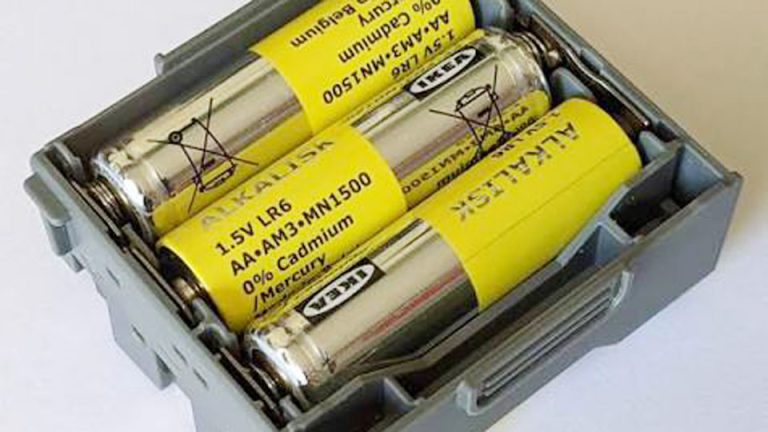
What Happens If You Try to Recharge an Alkaline Battery?
If you’ve ever found yourself with a dead TV remote or a powerless flashlight, you may have wondered: can you recharge an alkaline battery? After all, rechargeable batteries are common today, and it seems logical to try and reuse what you already have. But alkaline batteries are labeled “single-use” for a reason.
What actually happens if you attempt to recharge one? This article breaks down the science, risks, and real-world outcomes of recharging alkaline batteries—so you know exactly what you’re dealing with and avoid dangerous mistakes.
How Alkaline Batteries Work
To understand why recharging an alkaline battery is controversial, it helps to first know how these batteries operate.
Alkaline batteries are a type of primary cell—meaning they are designed for one-time use. Inside, they use zinc and manganese dioxide as electrodes, with an alkaline electrolyte (usually potassium hydroxide). When you connect a device, a chemical reaction releases electrons, creating the electricity that powers your gadgets.
This reaction is not easily reversible. Once the zinc is used up and the chemical balance shifts, the battery’s ability to produce power drops sharply. Unlike rechargeable batteries (like NiMH or Li-ion), alkaline cells do not have built-in mechanisms for safely reversing their reaction.
What Makes Alkaline Unique?
- Stable voltage: Delivers a steady 1.5 volts until close to depletion.
- Long shelf life: Can hold charge for years.
- Non-rechargeable by design: Internal structure is not made to handle repeated cycling.
What Happens During Recharging?
Trying to recharge an alkaline battery means forcing electricity back through the cell. But the results are unpredictable and often hazardous.
Chemical Changes Inside
When you apply a charging current, the following happens:
- Partial reversal of reaction: Some of the chemical reaction can reverse, restoring limited capacity.
- Gas buildup: Electrolysis splits water in the electrolyte, producing hydrogen and oxygen gas.
- Pressure increase: Unlike rechargeable batteries, alkalines lack safety vents. Gas has nowhere to go, building up pressure inside.
This pressure can eventually rupture the battery casing. In some cases, the battery can leak or explode, releasing corrosive chemicals.
Performance After Recharging
Even if the battery does not leak or burst, recharged alkaline batteries rarely perform well:
- Reduced capacity: Usually 10% to 50% of original charge is restored.
- Shorter lifespan: Each “recharge” brings fewer usable cycles.
- Voltage instability: Initial voltage may be high, but drops quickly under load.
- Higher risk of leakage: Internal seals weaken with every charge attempt.
Here’s a simple comparison of typical single-use alkaline vs rechargeable NiMH batteries:
| Feature | Alkaline (single-use) | NiMH (rechargeable) |
|---|---|---|
| Voltage (nominal) | 1.5V | 1.2V |
| Recharge Cycles | 1 (not intended) | 500-2000 |
| Risk When Recharging | High (leak/explode) | Low (safe design) |
| Cost per Cycle | High | Low |
Safety Risks You Must Know
Trying to recharge an alkaline battery is not just ineffective—it can be dangerous.
Leakage
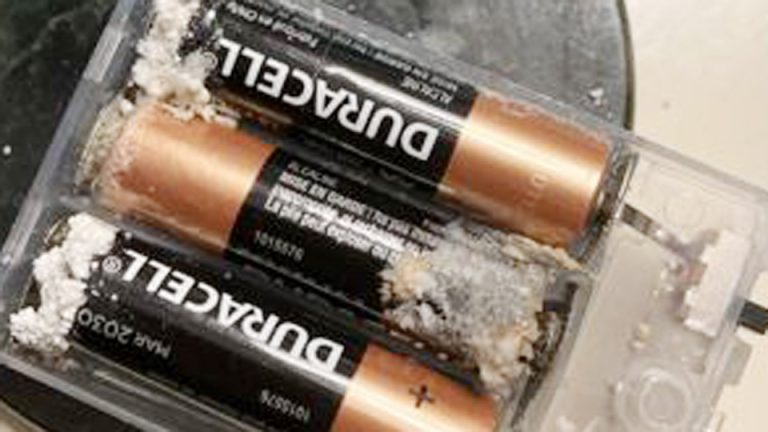
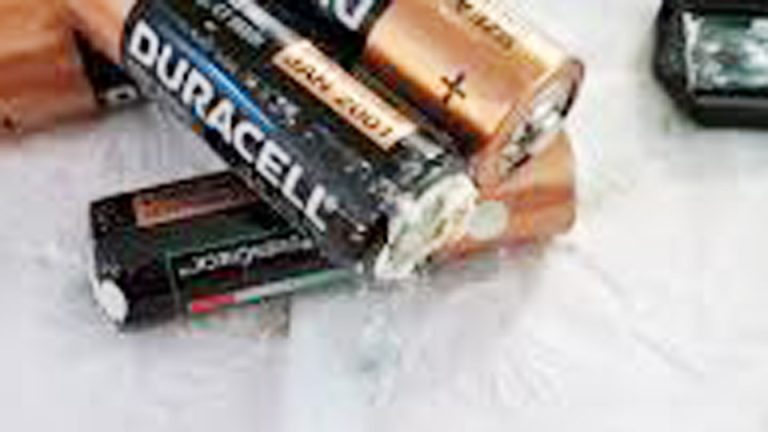
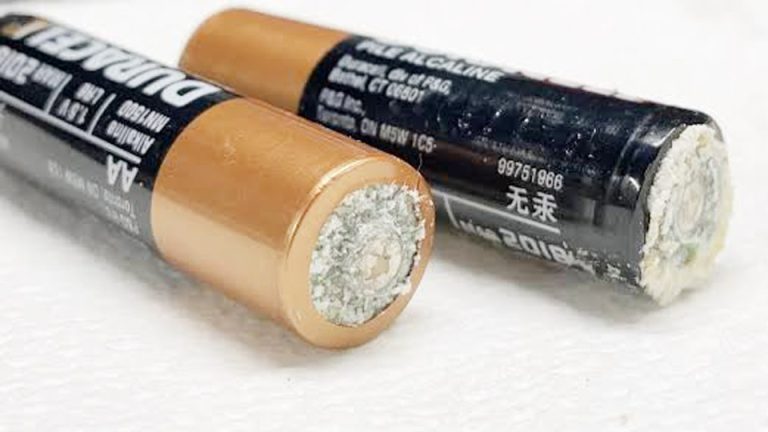
The most common risk is leakage. The potassium hydroxide inside is corrosive and can damage electronics or cause skin burns. If you notice white, crusty deposits on a battery, that’s leaked electrolyte.
Rupture Or Explosion
When pressure builds, some batteries split, break open, or in rare cases, explode. The force may be small, but flying pieces and chemical spray are serious hazards.
Fire Risk
A shorted battery or excessive heat during charging can ignite internal materials. While rare, this is a real risk, especially if you try to recharge several cells at once or use an improper charger.
Toxic Fumes
When batteries overheat or break open, they may release hydrogen gas or other fumes. In an enclosed space, this can be harmful to breathe and may even ignite.
Why Some People Try Recharging Anyway
Despite warnings, some users try to recharge alkaline batteries for several reasons:
- Cost savings: Hoping to reuse instead of buying new cells.
- Environmental concerns: Wanting to reduce battery waste.
- Curiosity or experimentation: Testing if it “works.”
Some battery chargers even claim to “refresh” or “recharge” alkalines. These devices often use a very slow, low-current charge and claim to reduce risks. But even with these, safety is not guaranteed.
Does It Ever Work? What To Expect
Some users report limited success recharging alkalines, especially if the battery was only partially discharged.
Typical Outcomes
- Partial recovery: You might get 20-30% of the original capacity back.
- Performance drops fast: Recharged cells often fail after a few hours, especially in high-drain devices.
- Higher risk each time: With every recharge, the chances of leakage or rupture increase.
Devices That Might Tolerate Recharged Alkalines
Low-power items are more likely to function with a recharged cell:
- Simple remote controls
- Small clocks
- Basic LED flashlights
Power-hungry devices like cameras or toys will likely not work, or may shut off quickly.
What The Experts And Manufacturers Say
Nearly all battery manufacturers and electrical safety organizations advise against recharging alkalines.
Duracell and Energizer, two of the world’s largest battery makers, clearly warn:
- Alkaline batteries are not designed for recharging.
- Attempting to recharge may cause leakage or rupture.
- Doing so can void warranties and damage your devices.
According to the U.S. Consumer Product Safety Commission, injuries from battery explosions are rare but can be severe, especially for children.
The Science Behind Alkaline Battery Failure
Why can’t you simply reverse the chemical reaction? Here’s a closer look:
Irreversible Changes
- Zinc anode degradation: Used zinc forms a rough, spongy structure that doesn’t recover well.
- Dendrite growth: Thin, sharp spikes of metal can form inside, causing short circuits.
- Drying out: Water in the electrolyte is lost over time, making recharging less effective.
No Built-in Safety
Rechargeable batteries have:
- Pressure vents to safely release gas
- Stronger seals to prevent leaks
- Internal chemistry designed for many cycles
Alkaline cells lack all of these.
Real-world Tests: What Do Experiments Show?
Several hobbyists and engineers have tested the limits of alkaline battery recharging. The results are consistent:
- Low capacity regained: Rarely more than 30-50% of the original.
- Rapid self-discharge: Recharged cells lose power quickly, even when not used.
- Increased risk of failure: Most cells leak or rupture after 1-2 recharge attempts.
Here’s a summary of experimental results:
| Test Condition | Result |
|---|---|
| Charging at 50mA (very slow) | Recovered 20-35% capacity, minor leakage in 2/5 samples |
| Charging at 200mA (faster) | Recovered less than 10%, 4/5 leaked or ruptured |
| Charging after full discharge | Almost zero capacity, high leakage risk |
| Charging after 50% use | Recovered up to 50%, but failed within 2-3 hours of use |
The key lesson: even under careful conditions, recharged alkalines are unreliable and risky.
Special Chargers For Alkaline Batteries: Do They Work?
Some companies sell chargers labeled “for alkaline” or “universal. ” These promise to safely recharge disposable batteries. They use very slow currents, sensors to monitor voltage, and shut off automatically.
Are They Safe?
- Slightly reduced risk: Slow charging does limit gas buildup, but not completely.
- Still not recommended: Most manufacturers do not endorse these chargers.
- Inconsistent results: Some batteries survive a few cycles, others fail after one.
Warranty And Device Risk
If a battery leaks or ruptures during use, it can destroy the device. No major manufacturer will cover this under warranty if you used a recharged alkaline cell.
Environmental Impact: Does Recharging Help?
You might think recharging alkalines is good for the environment. In reality, it’s not that simple.
- Leaking batteries: Leaked chemicals can pollute soil and water.
- Short cycle life: Since recharged alkalines only last a few cycles, they still become waste quickly.
- Better alternatives: True rechargeable batteries (like NiMH or Li-ion) can be recycled and reused safely hundreds of times.
If you want to reduce battery waste, using proper rechargeable batteries is far more effective and eco-friendly.

Credit: www.youtube.com
Common Myths About Recharging Alkaline Batteries
Let’s clear up some misunderstandings:
1. “i’ve Done It And Nothing Bad Happened.”
Luck is not the same as safety. Many batteries do survive one recharge, but risks increase every time.
2. “special Chargers Make It Safe.”
They lower the risk, not eliminate it. No charger can undo the internal chemical changes in an alkaline cell.
3. “alkaline Batteries Are The Same As Rechargeables.”
They look alike, but the chemistry and construction are very different.
4. “i’ll Save Money.”
The cost of damaged devices or a fire can easily outweigh any small savings.
The Best Alternatives To Recharging Alkalines
If you want longer battery life and less waste, consider these options:
1. Rechargeable Nimh Batteries
- Can be recharged hundreds to thousands of times
- Safe to use with the right charger
- Widely available in AA, AAA, and other sizes
2. Lithium-ion Rechargeables
- Higher energy density
- Used in phones, laptops, and high-performance devices
- Specialized chargers required
3. Pre-charged (low Self-discharge) Nimh
- Hold charge for months or years
- Great for remotes and emergency gadgets
4. Proper Recycling
- Drop off used batteries at recycling centers
- Prevents pollution and recovers valuable materials
Here’s a quick performance comparison:
| Battery Type | Recharge Cycles | Environmental Impact | Initial Cost |
|---|---|---|---|
| Alkaline (single-use) | 1 | High (waste) | Low |
| NiMH (rechargeable) | 500-2000 | Low (recyclable) | Moderate |
| Lithium-ion | 300-1000 | Low (recyclable) | High |
Two Insights Most People Miss
1. The “memory effect” is not an issue with alkalines.
Some people worry about “memory effect” (where batteries lose capacity if not fully discharged). This mainly affects older NiCd batteries—not alkalines. With alkalines, the problem is structural damage and leakage, not loss of memory.
2. Battery age matters as much as usage.
Even unused alkaline batteries lose water and degrade over time. Trying to recharge an old battery (even if it wasn’t used) is just as risky as recharging a well-used one. Always check the expiration date before considering any reuse.
Practical Guidance: What Should You Do?
- Never try to recharge alkaline batteries in a standard charger.
- If you try a specialty charger, monitor batteries closely and do not leave them unattended.
- Never use recharged alkalines in expensive or critical devices.
- Properly dispose of leaking, bulging, or corroded batteries.
- Switch to true rechargeables for regular use—they are safer, greener, and more cost-effective over time.
Wrapping Up
Trying to recharge an alkaline battery is a risky gamble with little reward. While some may claim success, the science and statistics are clear: the risks of leakage, rupture, and device damage outweigh any temporary gains.
Instead, choose safe, reliable rechargeable batteries for your everyday needs, and recycle single-use cells responsibly. Your devices, your wallet, and the planet will thank you.
Frequently Asked Questions
What Happens If I Accidentally Put An Alkaline Battery In A Charger?
If you put an alkaline battery in a charger, the battery can overheat, leak, or even explode. Most modern chargers detect non-rechargeable batteries and stop charging, but not all do. If you notice any swelling, hissing, or leaks, remove the battery and safely dispose of it.
Are There Any Alkaline Batteries Designed For Recharging?
Some brands once sold “rechargeable alkaline” batteries. These have slightly different chemistry and construction, allowing limited recharges (up to 25 times). However, they are rare now and must be used with the correct charger. Standard alkaline batteries are not designed for this and should not be recharged.
How Can I Tell If A Battery Is Leaking?
Signs of a leaking battery include white or crusty deposits on the terminals, a strange smell, or sticky liquid. If you see these, do not touch the battery with bare skin—use gloves or a cloth, and clean any residue from devices with care.
Is It Ever Safe To Recharge An Alkaline Battery?
No, it is not considered safe by manufacturers or safety experts. Even with special chargers, there is always a risk of leakage, rupture, or explosion. For safety and reliability, use only batteries marked as rechargeable.
What Should I Do With Used Alkaline Batteries?
Most communities allow you to dispose of small numbers of used alkaline batteries in household trash, but recycling is always better for the environment. Check with local recycling programs for battery drop-off locations.