How to Charge a Leisure Battery from Your Alternator
I’ve replaced more dead leisure batteries in vans, RVs, boats, and off-grid setups than I care to count. The most common culprit? People assume the alternator will magically keep everything topped up without the right setup.
You end up with a flat auxiliary battery while your starter battery stays fine, or worse, you damage expensive lithium banks by connecting them wrong.
Learning how to charge a leisure battery from an alternator properly saves money, prevents breakdowns, and extends battery life dramatically. Whether you’re a weekend camper, full-time van lifer, solar user, or just want reliable power for accessories, this works in the real world.
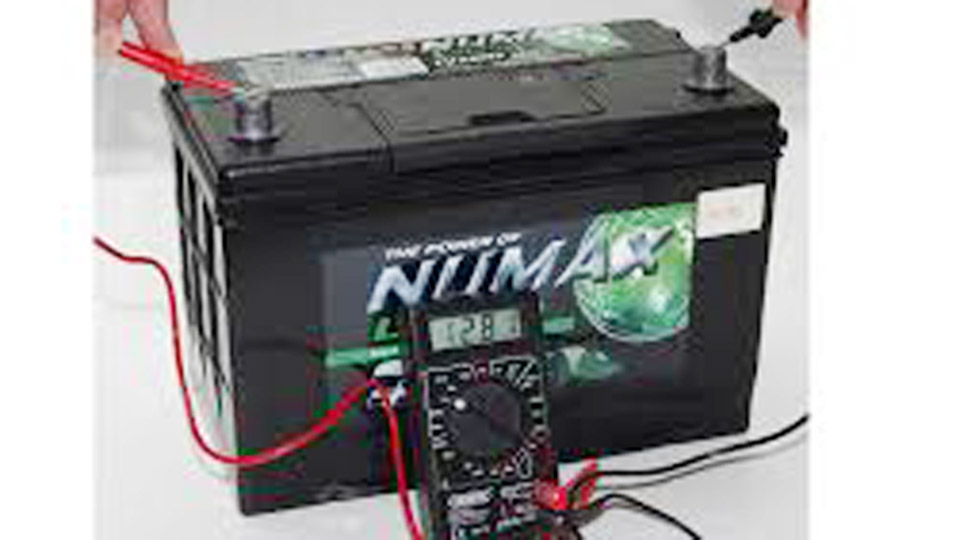
Image by campingandcaravanningclub
Why Charging Your Leisure Battery from the Alternator Matters
A leisure battery (also called a deep-cycle or auxiliary battery) powers lights, fridges, pumps, inverters, and electronics when the engine is off. Unlike starter batteries designed for short high-current bursts, leisure batteries handle repeated deep discharges.
Driving without a proper charging link means your leisure battery discharges over time while the alternator only properly services the starter battery. This leads to sulfation in lead-acid types, reduced capacity in lithium, and unexpected failures far from home.
Proper alternator charging keeps your system balanced, maximizes driving time as charging time, and reduces reliance on shore power or solar alone. Done right, it adds years to your battery’s life. Done wrong, it risks overcharging, overheating, or draining your starter battery.
Understanding Different Leisure Battery Types
Not all batteries behave the same when charged from an alternator. Choosing the right type and matching your charging method prevents headaches.
Flooded Lead-Acid (Wet Cell): Traditional and affordable. They need regular maintenance (checking electrolyte levels) and vent gases during charging. Best for budget setups where you can access them easily. They tolerate overcharging better than sealed types but self-discharge faster.
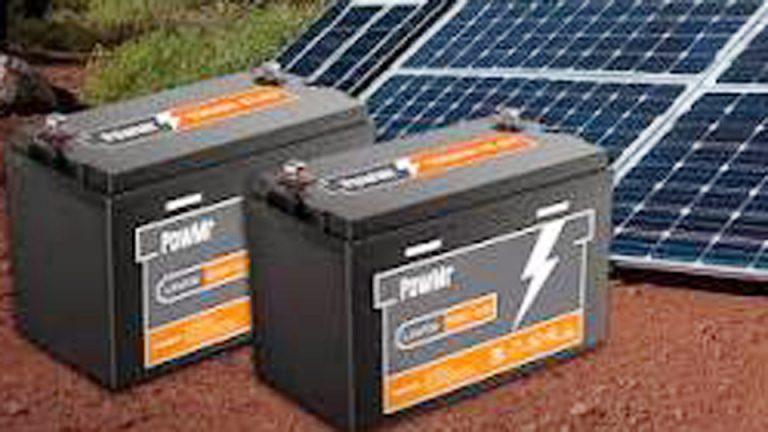
AGM (Absorbent Glass Mat): Sealed, maintenance-free, and more vibration-resistant. The electrolyte is held in fiberglass mats. They charge faster than flooded and handle higher currents well. Great for vehicles and marine use.
Gel: Another sealed VRLA type with gelled electrolyte. More sensitive to over-voltage. They excel in deep discharge but charge slower and can be damaged by high voltages common from some alternators.
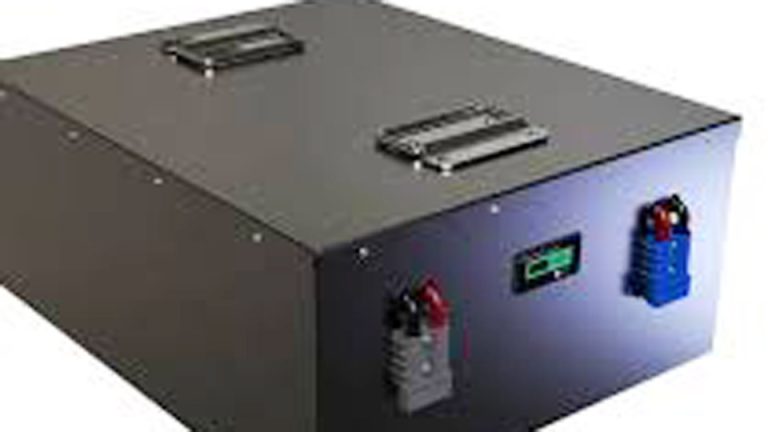
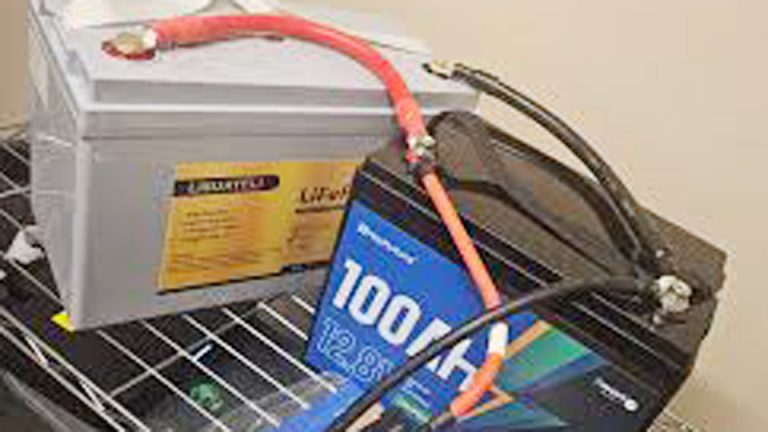
Lithium-Ion (LiFePO4): The modern choice for many. Lightweight, high cycle life (often 2000–5000+ cycles), fast charging, and stable voltage under load. They require specific charging profiles and protection via a BMS (Battery Management System). Direct connection to a standard alternator can cause issues.
Pros and Cons Comparison:
- Flooded Lead-Acid: Cheap upfront, heavy, requires maintenance, ~300-800 cycles at 50% DoD, tolerant of abuse but gasses.
- AGM: No maintenance, better than flooded for cycling, ~600-1200 cycles, more expensive, good cold performance.
- Gel: Excellent deep discharge, very low self-discharge, slower charging, sensitive to voltage, fewer cycles than AGM in some conditions.
- LiFePO4: Highest cycles and efficiency, lightest, higher initial cost, needs compatible charger/BMS, excellent for solar + alternator combos.
In my experience, AGM offers the best balance for most users who drive regularly. Lithium shines if weight and longevity matter more than upfront cost.
How Alternator Charging Works for Leisure Batteries
Your vehicle’s alternator generates DC power while the engine runs, typically outputting 13.8–14.4V (sometimes higher on smart alternators). This charges the starter battery first. To feed the leisure battery, you need a link that activates only when the engine runs and ideally protects both batteries.
Basic Principle: The alternator charges both batteries in parallel when running. When off, the batteries isolate so the leisure battery doesn’t drain the starter one.
Voltage matters: Lead-acid types like 14.4–14.8V absorption. Lithium prefers precise profiles (often 14.2–14.6V) with current limiting to avoid stressing the alternator or battery.
Methods to Charge a Leisure Battery from the Alternator
1. Split Charge Relay (Voltage Sensitive Relay – VSR)
This is the simplest and most common setup. A relay connects the positive terminals of the starter and leisure batteries. It closes when it senses charging voltage (usually >13V) from the alternator and opens when the engine stops.
How to set it up:
- Run heavy-gauge cable (at least 6 AWG, thicker for longer runs or higher amps) from starter battery positive to leisure battery positive, with a fuse near each battery.
- Connect the relay’s sense wire to a D+ or ignition-switched source if needed.
- Install an isolator switch for safety.
When to use: Budget-friendly lead-acid or AGM setups with standard alternators. Not ideal for smart alternators (variable voltage) or lithium.
Real tip: Use a VSR that prioritizes the starter battery. It only links once the starter reaches a certain voltage, preventing it from being dragged down.
2. DC-DC Battery-to-Battery Charger (Best Modern Option)
A DC-DC charger takes the alternator’s variable output, regulates voltage and current, and delivers the perfect profile for your leisure battery type. Many have settings for AGM, Gel, Flooded, or Lithium.
Advantages:
- Works with smart alternators (Euro 6+ vehicles with variable output).
- Multi-stage charging (bulk, absorption, float).
- Current limiting protects the alternator.
- Temperature compensation.
Installation basics:
- Connect input to starter battery or alternator output.
- Output directly to leisure battery.
- Add fuses and appropriate cabling.
This is my go-to recommendation for lithium and any setup where you want maximum efficiency and longevity.
3. Other Options and Hybrids
Some use battery isolators (diodes or solid-state) or advanced managers like Li-BIM for lithium. Solar + alternator hybrids with MPPT controllers add flexibility.
Step-by-Step: Installing a Split Charge or DC-DC System
- Assess Your Setup: Determine battery types, capacities (Ah), alternator output (usually 70–150A), and cable run lengths.
- Choose Components: Fuse ratings (e.g., 100A for moderate systems), cable size (calculate voltage drop), relay or DC-DC unit.
- Mount Securely: Batteries need ventilation (lead-acid) or secure boxes. Mount electronics away from heat.
- Wire It: Positive from starter → fuse → relay/DC-DC input. Output → fuse → leisure positive. Negatives to common ground or direct.
- Test: Start engine, measure voltages at both batteries. Leisure should rise toward 14V+. Check for heat.
- Add Monitoring: Voltmeter or Bluetooth BMS for lithium.
Always disconnect batteries before working. Wear eye protection—batteries can arc or leak.
Voltage and Current Guidelines by Battery Type
- Flooded/AGM: Absorption 14.4–14.8V, float ~13.5–13.8V. Charge current 10–20% of Ah capacity (e.g., 10–20A for 100Ah).
- Gel: Lower, around 14.1–14.4V absorption to avoid gassing.
- LiFePO4: 14.2–14.6V, often with tail current cutoff. Many BMS limit to 0.5C or less.
Monitor resting voltage after resting 12+ hours: ~12.6–12.8V full for lead-acid, ~13.3–13.6V for lithium.
Common Mistakes and How to Avoid Them
- Direct connection without relay/isolator: Drains starter battery overnight.
- Wrong voltage for lithium: Causes overheating or BMS shutdown. Use DC-DC.
- Undersized cabling: Voltage drop means poor charging on long runs.
- Ignoring smart alternators: Relay may not engage properly.
- Over-discharging: Keep lead-acid above 50% DoD, lithium above 20% for longevity.
- No fuses: Fire risk from shorts.
- Storing discharged: Sulfation kills lead-acid quickly.
I’ve seen pros fry expensive lithium packs by assuming “it’ll be fine” with a basic relay. Don’t be that person.
Battery Maintenance and Storage for Long Life
Test monthly with a multimeter or load tester. Clean terminals, check connections. For flooded, top up with distilled water. Store at 50–80% charge in cool, dry conditions. Lithium handles partial states better.
In vehicles, vibration padding is essential. For solar users, alternator charging supplements on cloudy days.
Troubleshooting Charging Issues
- Leisure not charging: Check fuses, relay click, voltage at input/output.
- Overheating: Reduce current or add temp sensor.
- Starter drains: Bad isolator or parasitic draw.
- Slow charging: Undersized cable, low alternator output, or deeply discharged battery.
Real-World Examples Across Applications
In a camper van, a 100Ah AGM with DC-DC keeps the fridge and lights running after a day of driving. Motorcycles or cars with added audio/power accessories benefit from AGM split-charge. Off-grid solar cabins use alternator top-ups from a generator vehicle. Power tools and UPS setups see similar principles.
Safety Considerations
Batteries store serious energy. Risk of explosion from sparks near gassing lead-acid, thermal runaway (rare but serious) in lithium if abused, acid burns, or shorts causing fires. Use proper fusing, ventilation, and never charge in enclosed unventilated spaces. Install a battery cut-off switch.
Choosing the Right Battery and Charger for Your Needs
Match capacity to load (fridge might draw 50–100Ah/day). Factor in driving habits—if short trips, add solar. Budget: Lead-acid ~$100–200 for 100Ah, lithium $400+ but pays back in cycles.
Practical Takeaways for Reliable Power
You’ve now got the knowledge to charge your leisure battery safely and effectively from the alternator. Understand your battery chemistry, use the right link (DC-DC for best results), size components properly, and monitor the system. This prevents most failures I’ve seen over the years.
One pro-level tip I always share with technicians: Install a shunt-based battery monitor (like Victron BMV or similar) right from the start. It gives real SOC, not just voltage, and alerts you to issues before they strand you. Pair it with Bluetooth for easy checks from your phone.
FAQ
Can I charge a lithium leisure battery directly from my alternator with just a relay?
Generally no. Lithium needs controlled charging to avoid high current spikes that overheat the alternator or trigger BMS protection. Use a DC-DC charger designed for lithium.
What size cable do I need for alternator charging?
Depends on current and distance. For 20–40A over 10–20 feet, 6–4 AWG is common. Calculate voltage drop—aim for under 3%. Always fuse both ends.
How long do I need to drive to fully charge a leisure battery?
It varies. A 50% discharged 100Ah battery might need 2–5 hours of driving with good setup. Deep discharges or small alternators take longer. DC-DC chargers optimize this.
Will charging from the alternator damage my starter battery?
No, with proper isolation. The system prioritizes the starter, and good setups prevent back-drain.
Is a split charge relay enough for AGM batteries?
Yes for many standard alternator setups. Upgrade to DC-DC if you have a smart alternator, high loads, or want faster/more efficient charging.