Why Do Lithium Batteries Last Longer? Lifespan Explained
I was helping a customer troubleshoot a backup power system that kept shutting down unexpectedly. The old lead-acid battery had lost capacity after only a few years of use, and the owner was frustrated with frequent replacements. That situation led to a question I hear all the time: why do lithium batteries last longer than traditional battery types?
The answer matters more than most people realize. Whether you’re starting your car on a cold morning, powering a solar setup during a blackout, or relying on a battery-powered device every day, battery lifespan directly affects reliability, performance, and long-term costs.
A battery that fails early can leave you stranded, interrupt critical power needs, or force you into expensive replacements sooner than expected.
I’ve seen people spend money on the wrong battery, use incompatible chargers, and struggle with confusing specifications like voltage, amp-hours, and cycle life. In many cases, the real difference comes down to battery chemistry and how well it handles charging, discharging, heat, and daily use.
I’ll break down the real reasons lithium batteries typically outlast lead-acid and other battery technologies. You’ll learn what affects battery lifespan, why lithium performs better in demanding conditions, and how to get the maximum life from any battery you own.

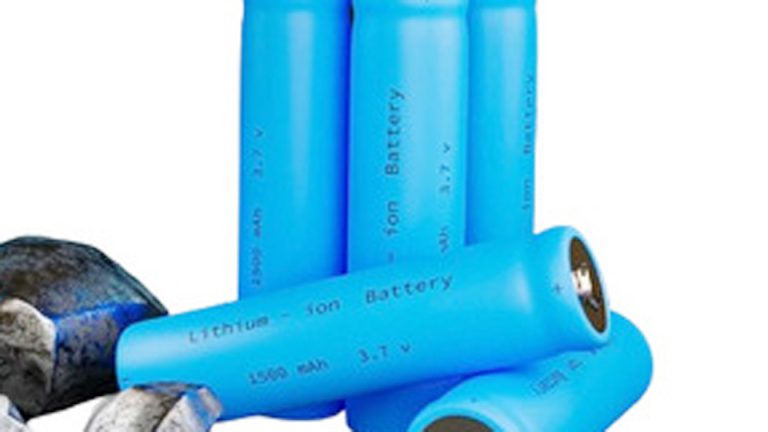
Image by smartpropel
Understanding Battery Chemistry: Why Lithium Wins on Longevity
At the heart of it, battery lifespan comes down to how the chemistry behaves during charge and discharge cycles. Lead-acid batteries (flooded, AGM, or gel) rely on a lead plate and sulfuric acid electrolyte reaction.
Every cycle causes sulfation—lead sulfate crystals build up, especially if you discharge them deeply or let them sit partially charged. This gradually reduces capacity until the battery can’t hold a useful charge.
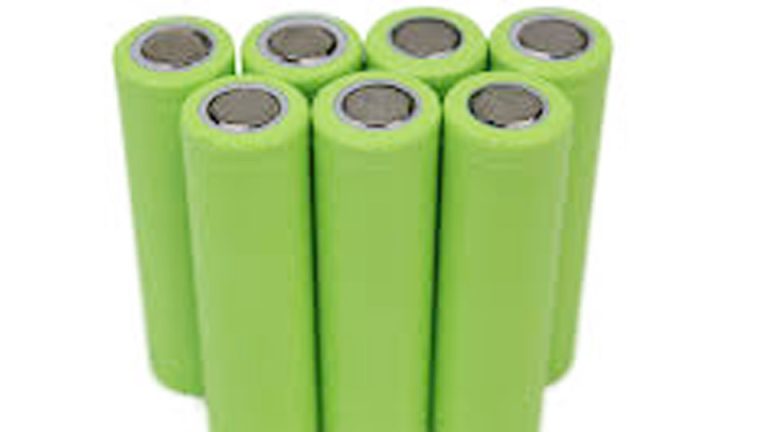
Lithium-ion batteries, particularly lithium iron phosphate (LiFePO4), use a different reaction involving lithium ions moving between graphite and iron phosphate electrodes. This process is far more stable. The materials don’t degrade as quickly, there’s minimal memory effect, and they tolerate a wider range of states of charge without permanent damage.
In practice, a quality lead-acid battery might give you 300–800 deep cycles at 50% depth of discharge (DoD) before capacity drops significantly. A good LiFePO4 can handle 4,000–10,000+ cycles at 80–100% DoD while retaining 80% or more of original capacity.
That’s not marketing hype—it’s what I’ve seen in solar banks running daily for years versus lead-acid sets that needed replacement every 2–4 years.
Temperature plays a role too. Lead-acid hates heat (it accelerates corrosion) and cold (reduced capacity). Lithium handles moderate temperature swings better, though extreme cold still requires some care with charging.
Battery Types Compared: Lead-Acid Variants vs. Lithium
Choosing the right battery starts with knowing the players. Here’s a breakdown I’ve used when advising customers.
Flooded Lead-Acid: The classic. Affordable upfront, but needs regular watering, venting for gases, and careful maintenance. Best for stationary use where you can babysit it. Shortest lifespan in cycling applications.
AGM (Absorbed Glass Mat): Sealed, spill-proof, and more vibration-resistant than flooded. Good for vehicles and marine. Still limited to about 50% usable capacity to avoid damage, with 500–1,200 cycles typical.
Gel: Similar to AGM but with a gelled electrolyte. More tolerant of deep discharge than flooded but charges slower and is sensitive to overcharging. Less common now for high-cycle needs.
Lithium-Ion (General NMC or others): High energy density, common in EVs and portables. Fast, powerful, but some chemistries run hotter and need robust BMS for safety.
LiFePO4 (Lithium Iron Phosphate): The gold standard for deep-cycle and stationary use. Safer (lower fire risk), longest life, stable voltage, and excellent efficiency (95%+ round-trip vs. ~80% for lead-acid). A bit heavier per kWh than some lithium types but far lighter overall than equivalent lead-acid banks.
Pros and Cons at a Glance
Lead-Acid (Flooded/AGM/Gel):
- Pros: Low initial cost, widely available, proven in starter applications, tolerates overcharge somewhat.
- Cons: Heavy, limited to 50% DoD for longevity, high maintenance (especially flooded), slower charging, voltage sag under load, shorter total lifespan, produces gases.
Lithium (LiFePO4 focus):
- Pros: 3–10x more cycles, 80–100% usable capacity, lightweight, fast charging, flat voltage curve (consistent power), minimal maintenance, higher efficiency, no gassing.
- Cons: Higher upfront cost, sensitive to very low/high temps for charging, requires compatible charger and BMS protection.
In real dollars, a lithium battery often pays for itself in 2–4 years through fewer replacements and energy savings, especially in solar or frequent-cycling setups.
Why Lithium Batteries Deliver More Usable Life: The Numbers and Real-World Factors
The headline “why do lithium batteries last longer” boils down to several practical advantages:
Deeper Discharge Tolerance: You can use nearly the full rated capacity repeatedly without killing the cells quickly. Lead-acid demands you stop at 50% to hit advertised cycles.
Cycle Life: As noted, thousands more cycles. A daily solar user might cycle lead-acid to death in 2–3 years but get 10+ years from lithium.
Efficiency and Charging: Lithium accepts charge faster and more efficiently. Less energy wasted as heat. They charge well from solar’s variable output.
Voltage Stability: Lithium holds voltage steadier as it discharges. Your devices and inverters run better longer, without the sag that makes lead-acid systems feel weak.
Low Self-Discharge and Maintenance: Lithium sits for months with minimal loss. No watering, no equalizing charges needed regularly.
I’ve pulled a 100Ah LiFePO4 that had seen heavy daily use in an off-grid cabin and it still tested strong after years where equivalent AGM would have been junk.
Charging Lithium Batteries Correctly: Avoiding the Biggest Killer
Most premature lithium failures I’ve seen come from bad charging practices. Don’t use a standard lead-acid charger—it can overvoltage and damage cells or trigger the BMS to shut down.
Recommended Parameters for 12V LiFePO4 (scale up for 24V/48V):
- Charging voltage: 14.2–14.6V (bulk/absorption).
- Float: Often unnecessary or set low ~13.5V.
- Current: 0.2C to 1C (e.g., 20–100A for 100Ah battery).
- Do not charge below 32°F (0°C) without low-temp protection to avoid lithium plating.
Step-by-Step Charging Guide:
- Use a dedicated lithium charger or a programmable one with lithium profile.
- Connect positive first, then negative.
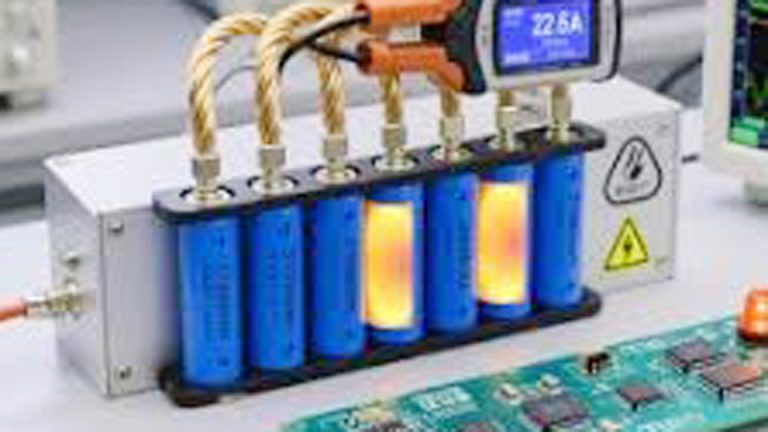
- Monitor voltage and temperature initially.
- Let the BMS handle balancing—many modern packs do this automatically when brought to full charge periodically.
- For solar: Pair with an MPPT controller set for lithium voltages.
Common mistake: Leaving a lead-acid charger on float too high. It stresses the cells. Another: Charging at high current in extreme heat without monitoring.
Maintenance and Storage: Keeping Lithium Strong for Years
Lithium is low-maintenance, but not zero. Keep terminals clean and tight. Store at 50–70% charge in a cool, dry place (ideally 50–77°F). Check every 3–6 months and top up if needed.
For vehicles: Ensure the alternator or DC-DC charger is lithium-compatible or use a BMS with alternator protection.
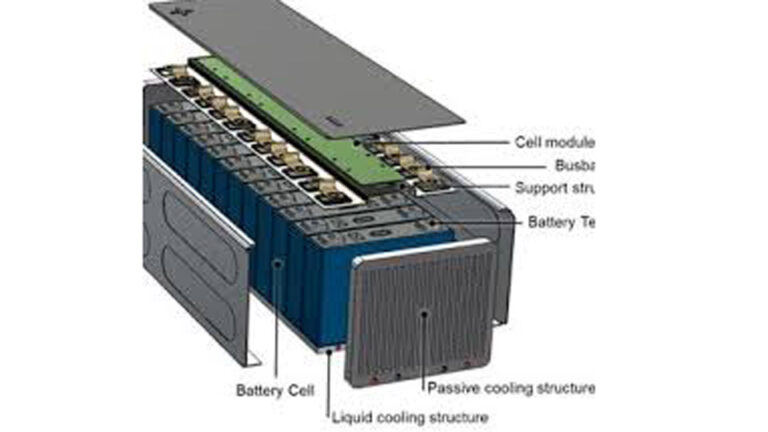
In solar/UPS: Good ventilation, avoid physical damage, and use a quality BMS that protects against over/under voltage, current, and temperature.
Testing and Troubleshooting Your Battery
Multimeter Test:
- Resting voltage (after 30+ min no load): ~12.8–13.6V full for 12V lithium.
- Under load: Watch for excessive drop.
Step-by-Step Full Test:
- Fully charge the battery.
- Let rest 1–2 hours.
- Measure open circuit voltage.
- Apply a known load (e.g., inverter with lights) and monitor voltage and capacity if you have a shunt/BMS monitor.
- Use a battery tester for CCA or internal resistance if available.
Troubleshooting:
- Sudden shutdown: Likely BMS protection—check for over-discharge, temp, or imbalance.
- Swelling: Overcharge or damage—replace.
- Low capacity: Could be cold, old age, or mismatched cells—test individual cells if possible.
- Won’t charge: Verify charger compatibility and connections.
Real-World Applications: Where Lithium Shines
Cars and Motorcycles: Lithium starter batteries are lighter and crank stronger. In hybrids/EVs, the traction packs use advanced lithium for thousands of miles of reliable service.
Solar and Off-Grid: This is where lithium dominates. You get more daily usable energy from the same panel array. I’ve seen setups go from struggling with lead-acid to running full loads comfortably.
UPS and Backup: Instant response, no maintenance, longer runtime per weight.
Power Tools and Portables: Consistent power without fade.
In every case, the longevity comes from not punishing the chemistry with partial-use limitations.
Safety Considerations: Respect the Power
Lithium is safer than many think when properly managed, especially LiFePO4 (thermal runaway risk is much lower than NMC). Still:
- Use a BMS—never bypass it.
- Avoid punctures, crushing, or water ingress.
- Charge away from flammables.
- Monitor for damage or unusual heat.
- Dispose/recycle properly.
Lead-acid has its own risks: acid spills, hydrogen gas explosions during charging.
Practical Recommendations for Buying and Using
Match voltage and capacity to your system. For solar, oversize slightly for longevity. Buy from reputable brands with strong warranties (often 5–10 years for lithium). Check for UL or similar certifications.
Compatibility: Update chargers, inverters, and alternators as needed. Many modern solar controllers have lithium presets.
Maintenance Routine:
- Monthly: Visual inspection and voltage check.
- Quarterly: Full charge to balance.
- Annually: Capacity test if critical.
Taking the Next Step with Confidence
After working with hundreds of these systems, the pattern is clear: lithium batteries last longer because they waste less of their capacity, endure more cycles with less degradation, and demand far less intervention.
You spend less time maintaining and replacing, more time using reliable power—whether that’s starting your truck on a cold morning, keeping the lights on during an outage, or maximizing solar harvest.
The biggest pro tip from the field: Invest in a good battery monitor (shunt-based) early. Knowing exact state of charge, current, and history lets you catch issues before they become failures and optimizes your entire setup. Pair that with periodic full charges, and your lithium bank will outlast expectations by a wide margin.
FAQ
How many cycles can a lithium battery really last compared to lead-acid?
In daily use, expect 4,000–10,000+ cycles from quality LiFePO4 at high DoD versus 300–1,200 for lead-acid at 50% DoD. Real-world solar or RV use often translates to 8–15+ years versus 2–5 for lead-acid.
Can I replace my lead-acid battery with lithium without changing anything else?
Usually not entirely. You’ll need a lithium-compatible charger or controller to avoid damage. In vehicles, a DC-DC charger or BMS with protection helps. Test voltages and update settings for best results.
What’s the best way to store lithium batteries long-term?
Store at 50–70% charge in a cool, dry location. Check and top up every few months. Avoid freezing or extreme heat. This minimizes degradation far better than leaving lead-acid partially discharged.
Are lithium batteries safe for indoor or home use?
LiFePO4 is among the safest chemistries with a good BMS. Keep charging supervised initially, use proper enclosures, and follow manufacturer guidelines. They’re used widely in home solar and UPS without issue when installed correctly.
Why does my lithium battery seem to lose capacity over time?
Normal calendar aging happens, but accelerated loss usually points to high temps, frequent full discharges without balancing, improper charging, or a weak cell. A BMS monitor helps diagnose and proper care can keep it above 80% for many years.