Why Does My Lithium Battery Keep Dying? Causes & Fixes
You charge your lithium battery overnight, expecting it to last all day, but just a few hours later it’s nearly empty again. Whether it’s powering a trolling motor, solar backup system, RV, or power tool, it’s incredibly frustrating when a battery you rely on keeps letting you down.
If you’ve been asking, why does my lithium battery keep dying, you’re not alone—and the answer isn’t always that the battery has reached the end of its life.
I’ve diagnosed plenty of battery systems where the real problem had nothing to do with a defective battery. In some cases, the charger was incompatible.
In others, hidden power drains, poor wiring, extreme temperatures, or an overloaded system were silently reducing battery performance. Replacing the battery without finding the root cause only led to the same problem a few weeks later.
A lithium battery that repeatedly dies isn’t just inconvenient—it can leave you stranded, interrupt your work, or shorten the battery’s lifespan if the issue goes unchecked. Understanding what’s causing the rapid discharge can save you money, improve reliability, and help you get the performance you paid for.
I’ll walk you through the most common reasons lithium batteries lose power so quickly, how to diagnose each one, and the practical fixes I’ve found work best in real-world situations. By the end, you’ll have a clear plan to get your battery performing the way it should.
Image by flagshipmazda
Understanding Lithium Battery Types and How They Differ from Lead-Acid
Before troubleshooting, know what you’re working with. Lithium batteries aren’t all the same, and confusing them with lead-acid leads to quick failures.
Lead-Acid (Flooded, AGM, Gel): These are the old standard for cars and basic solar. Nominal 12V, they tolerate overcharge but suffer from sulfation, need watering (flooded), and deliver only 50% usable capacity safely. Cycle life is often 300-500 at 50% depth of discharge (DoD). They’re cheaper upfront but heavier and less efficient (70-85%).
Lithium-Ion (NMC, NCA): Common in EVs, power tools, and consumer electronics. Higher energy density, lighter, but more sensitive to heat and over-discharge. They use cobalt or nickel chemistries and require strict voltage management.
LiFePO4 (Lithium Iron Phosphate): The go-to for solar, marine, RVs, and deep-cycle applications. Safer, with excellent thermal stability, 2,000-5,000+ cycles at 80-100% DoD, and 95%+ efficiency. Nominal cell voltage 3.2V (12.8V for 4S 12V pack). They weigh about 1/3 of lead-acid equivalents and handle deeper discharges without damage.
Pros and Cons Comparison:
- Lifespan: LiFePO4 lasts 5-10x longer than lead-acid in cycles. A good lithium pack can serve 10+ years with proper care vs. 3-5 for lead-acid.
- Weight and Efficiency: Lithium wins hands-down—lighter, faster charging, less energy loss.
- Cost: Lithium has higher upfront cost but lower lifetime cost due to longevity and usable capacity.
- Safety: LiFePO4 is far safer with lower thermal runaway risk than other lithium types.
- Maintenance: Lithium is mostly “set and forget” but demands compatible chargers and temperature awareness. Lead-acid needs regular checks.
Real-world example: In a solar cabin setup, switching from AGM to LiFePO4 doubled usable power and cut generator runtime dramatically, but only after fixing charging mismatches.
Common Reasons Why Lithium Batteries Keep Dying
1. Improper Charging Practices and Wrong Chargers
This is the top killer. Using a lead-acid charger on lithium is a recipe for disaster. Lead-acid chargers often have higher absorption voltages (14.4-14.7V+) and float stages that overcharge lithium, causing cell imbalance, swelling, or reduced capacity.
LiFePO4 charging: Bulk/absorption around 14.2-14.6V (3.55-3.65V per cell), no float or very low (13.2-13.6V for storage). Overcharging stresses the Battery Management System (BMS), which protects against extremes but can fail under abuse.
Undercharging is equally bad—partial charges lead to imbalance where weaker cells drag the pack down.
Practical Tip: Always match charger to chemistry. Dedicated lithium chargers or smart solar controllers with LiFePO4 profiles are essential. In vehicles, use a DC-DC charger or battery isolator designed for lithium.
2. Extreme Temperatures
Heat is lithium’s enemy. Above 30-40°C (86-104°F), degradation accelerates dramatically. Cold charging below 0°C (32°F) can cause lithium plating, permanently damaging capacity.
In cars parked in summer sun or solar batteries in uninsulated sheds, this happens fast. I’ve pulled swollen packs from hot attics that lost 30% capacity in a season.
Solution: Store and operate between 0-45°C ideally. Use insulation, ventilation, or heated enclosures for cold climates. Many modern BMS units include low-temp cutoffs.
3. Over-Discharge and Deep Cycling Without Limits
Lithium batteries have low self-discharge, but leaving them below 20% SOC (State of Charge) for long periods kills cells. Voltage under ~10-11V on a 12V LiFePO4 pack can trigger irreversible damage.
Parasitic drains in cars (alarms, dashcams) or solar inverters exacerbate this.
4. Cell Imbalance and BMS Issues
Individual cells drift out of balance over time. The BMS balances them during charge, but if one cell hits limits while others lag, the pack shuts down prematurely or “dies.”
Manufacturing defects, poor welds, or contamination cause early failures too.
5. Age, Calendar Aging, and High Cycle Count
Even unused, lithium degrades. Storing at 100% SOC in heat speeds this up. Capacity fades gradually—expect 80% retention after many years with good care.
6. Parasitic Loads and Incorrect Sizing
Your battery may be undersized for the load (inverter surge, accessories). Or constant small drains (stereo memory, etc.) add up.
Diagnosing a Dying Lithium Battery: Step-by-Step
Don’t rush to replace it. Test first.
- Visual Inspection: Look for swelling, leaks, cracks, or corrosion on terminals. Smell for unusual odors.
- Voltage Check: Use a multimeter. Resting voltage for 12V LiFePO4: ~13.3-13.6V full, ~12.8-13.0V at 50-70%. Below 12V is concerning; under 10V may need special recovery.
- Capacity Test: Fully charge, then discharge with a known load (e.g., lights or inverter with monitoring) while timing it. Compare Ah delivered to rated capacity. Use a battery monitor or shunt for accuracy.
- Load Test and Internal Resistance: Advanced users can check with a battery tester. High resistance indicates degradation.
- BMS Reset: Sometimes disconnecting for hours or using a recovery charger wakes a protected pack.
In the shop, I’ve revived many by balancing cells with a dedicated balancer or slow charging.
Proper Charging Methods and Voltage Ranges
- 12V LiFePO4: Charge to 14.4-14.6V max. Absorption until current tapers. No mandatory float for storage.
- Current: 0.2C to 1C (e.g., 20-100A for 100Ah battery). Faster is okay with good cooling.
- Solar: Use MPPT controller with lithium profile. Set absorption 14.4V, float 13.5V or disable.
- Vehicle Alternator: Direct connection risks issues—use a lithium-compatible DC-DC charger.
Step-by-Step Safe Charging:
- Connect compatible charger.
- Monitor voltage and temperature.
- Charge in well-ventilated area away from flammables.
- Avoid charging to 100% for long-term storage; aim for 50-80% SOC.
Maintenance Routines and Storage Best Practices
Lithium needs far less than lead-acid, but neglect kills it.
- Routine Checks: Every 3-6 months, check voltage, clean terminals, inspect for damage.
- Storage: 40-60% SOC, cool dry place (ideally 15-25°C). Top up every 6-12 months. Avoid full or empty.
- Winterizing Vehicles/Solar: Disconnect or use maintainers. For solar, ensure controller keeps it in safe range.
- Common Beginner Mistakes: Mixing old/new batteries, ignoring BMS alarms, using wrong gauge wiring (causing voltage drop), or over-tightening terminals.
Real-World Applications and Examples
Automotive and Motorcycles: Lithium starter batteries crank strong but need proper alternator regulation. A dead car battery often traces to short trips not allowing full recharge.
Solar and Off-Grid: LiFePO4 shines here. One homeowner I advised replaced failing AGM with lithium, added proper low-temp protection, and gained reliable power through winters. Undersized arrays cause chronic undercharging.
UPS, Power Tools, Electronics: Tools die fast from heat in job sites. Store at mid-SOC.
EV Users: Range loss often from temperature, software, or high-mileage degradation.
Safety Considerations
Lithium fires are rare but serious. Never puncture, submerge, or expose to extreme abuse. Use fire-resistant storage. Have a Class D extinguisher or sand ready. Monitor for swelling—replace immediately.
Always follow manufacturer specs for your specific pack.
Choosing the Right Replacement Battery
Match capacity to needs (calculate Wh usage). Look for reputable BMS with balancing, low/high temp protection, and Bluetooth monitoring. Consider warranty (many lithium offer 5-10 years).
Conclusion: Taking Control of Your Battery Life
You’ve now got the practical knowledge to diagnose why your lithium battery keeps dying, fix most issues, and prevent future headaches. Understanding types, respecting voltage and temperature limits, using correct chargers, and simple maintenance routines transform lithium from a mysterious black box into a reliable powerhouse.
Invest in a quality active balancer and a Bluetooth BMS monitor. It catches imbalance early—long before the pack “dies”—saving hundreds in replacements and downtime.
FAQ
Why does my lithium battery drain when not in use?
Self-discharge is low, but parasitic loads, cell imbalance, or storage at extreme SOC/temperatures cause it. Check for draws with a multimeter in series (under 50mA ideal for storage) and store at 50% SOC.
Can I use a regular lead-acid charger on a lithium battery?
Generally no—it risks overcharging and damage. Use a dedicated lithium charger or one with compatible settings.
How do I revive a completely dead lithium battery?
Measure voltage. If very low, use a recovery charger or supply low current (0.1C) carefully. Some BMS need a “wake-up” charge. If cells are damaged, replacement may be needed. Avoid forcing high voltage.
How long should a lithium battery last in a car or solar system?
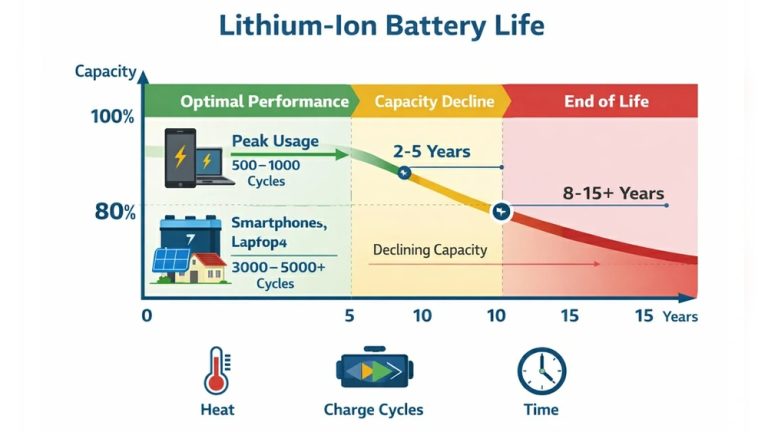
With proper care, 8-15+ years or thousands of cycles for LiFePO4. Real life depends on cycles, temperature, and maintenance.
What voltage is too low for a 12V lithium battery?
Below 10-11V resting risks permanent damage. BMS usually cuts off around there, but prolonged low voltage harms cells.