How to Replace Lead Acid Battery with Lithium Ion Safely
A customer recently brought in a backup power system that seemed to be struggling more every month. The lead-acid batteries were taking longer to charge, delivering less runtime, and requiring more maintenance than he wanted to deal with.
After hearing about the benefits of lithium technology, his first question was simple: How to Replace Lead Acid Battery with Lithium Ion without damaging the system or creating new problems.
It’s a question I hear often, especially from people who are tired of heavy batteries, frequent replacements, and declining performance. While switching to lithium-ion can provide faster charging, longer lifespan, and more usable capacity, the upgrade isn’t always as simple as swapping one battery for another.
Voltage compatibility, charging systems, battery management, and wiring all need to be considered before making the change.
I’ve seen successful upgrades that dramatically improved system performance, but I’ve also seen costly mistakes caused by choosing the wrong lithium battery or overlooking charger requirements. Taking a little time to understand the process can save a lot of frustration and expense later.
I’ll walk you through the key steps involved in replacing a lead-acid battery with a lithium-ion alternative, explain what needs to be checked before installation, and share practical tips to help you make the transition safely and confidently.
Image by pyrbatt
Understanding Battery Types: Lead-Acid vs. Lithium-Ion (LiFePO4)
Lead-acid batteries have been around forever—flooded, AGM, and gel variants. They’re cheap upfront but heavy, finicky, and short-lived in deep-cycle use. Lithium-ion, particularly lithium iron phosphate (LiFePO4), changes the game for automotive, solar, and backup applications.
What they are and how they work:
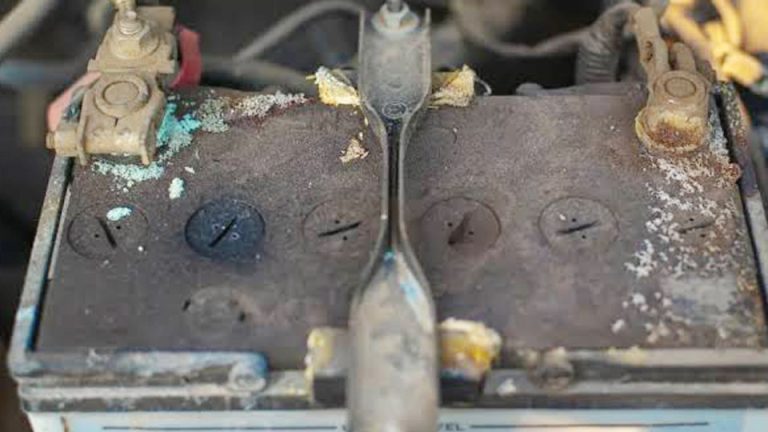
Lead-acid batteries use lead plates and sulfuric acid electrolyte. They tolerate overcharge somewhat but suffer from sulfation if left discharged. Usable capacity is typically only 50% to avoid damage. They gas during charging, need venting, and require regular maintenance like checking water levels in flooded types.
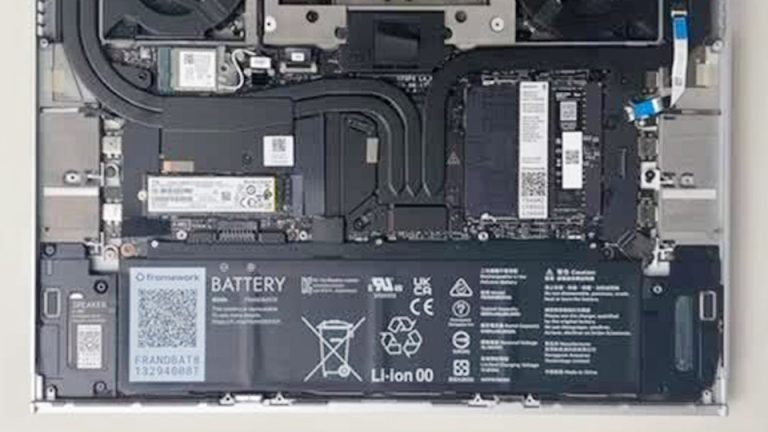
LiFePO4 batteries use lithium iron phosphate chemistry. They have a flat voltage curve, meaning voltage stays stable during most of the discharge. Built-in Battery Management Systems (BMS) protect against overcharge, over-discharge, short circuits, and temperature extremes. You can safely use 80-100% of the rated capacity.
When and why to switch:
Switch for cars or motorcycles if you want lighter weight and better cold cranking (with proper sizing). For solar and off-grid, lithium shines because it handles daily deep cycling without rapid degradation.
In UPS or power tools, the faster recharge and efficiency matter. Everyday users see benefits in reduced weight (often 50-70% lighter) and no acid leaks or maintenance.
Real-world example: In an RV, my old pair of Group 27 AGM batteries gave me about 100-120Ah usable on a good day. Two 100Ah LiFePO4 batteries replaced them and delivered nearly 200Ah usable, with room to spare and half the weight.
Pros and Cons Comparison
Here’s a practical side-by-side based on hands-on use:
Lead-Acid (AGM/Flooded):
- Upfront Cost: Lower ($150-300 for 100Ah equivalent)
- Lifespan: 300-800 cycles at 50% DoD; 3-7 years typical
- Weight: Heavy (60-70 lbs per 100Ah)
- Efficiency: 70-85% round-trip
- Maintenance: High (venting, watering, equalizing)
- Temperature Tolerance: Better in extreme cold for starting, but poor deep-cycle in heat
- Safety: Gassing, acid leaks, hydrogen risk
LiFePO4 Lithium:
- Upfront Cost: Higher ($300-600+ for 100Ah)
- Lifespan: 2000-5000+ cycles at 80-100% DoD; 10+ years common
- Weight: Much lighter (20-30 lbs per 100Ah)
- Efficiency: 95%+ round-trip
- Maintenance: Minimal to none
- Temperature Tolerance: BMS often cuts charge below freezing; excellent heat tolerance with proper management
- Safety: No gassing, built-in protections; thermal runaway risk is low with quality BMS but real if damaged or misused
Lithium wins on total cost of ownership for most users who cycle their batteries regularly. For pure starter batteries in daily-driven cars with little deep discharge, lead-acid might still make sense economically.
Key Technical Differences: Voltage, Capacity, and Charging
This is where many people trip up.
Lead-acid: Nominal 12V, charges to 14.4-14.8V absorption, floats around 13.2-13.8V. They like higher voltages to desulfate.
LiFePO4: Nominal 12.8V (3.2V per cell), charges optimally to 14.2-14.6V, with float often 13.5-13.8V. Do not exceed manufacturer specs—usually 14.6V max for 12V systems.
Voltage Chart Snapshot (12V System):
- Fully Charged (Resting): Lead-Acid ~12.6-12.8V; LiFePO4 ~13.3-13.6V
- 50% Discharged: Lead-Acid ~12.1V; LiFePO4 still around 13.0V (flat curve)
- Low Cutoff: Lead-Acid 10.5V recommended; LiFePO4 BMS often protects at 10-11V
Capacity in Ah is similar on paper, but lithium gives you nearly all of it. A 100Ah lithium often outperforms a 200Ah lead-acid bank in usable energy.
Charging Methods:
Never use an old lead-acid charger long-term on lithium. It can overcharge or fail to fully charge. Get a dedicated LiFePO4 charger or programmable one with correct profiles. Solar controllers and converters need lithium settings too.
In vehicles, consider a DC-DC charger from the alternator to avoid stressing it with lithium’s high acceptance rate.
Step-by-Step: How to Replace Lead-Acid with Lithium in Different Systems
For Cars and Motorcycles
- Assess Needs: Measure your cranking amps requirement. Lithium starter batteries exist but ensure CCA rating matches or exceeds your needs.
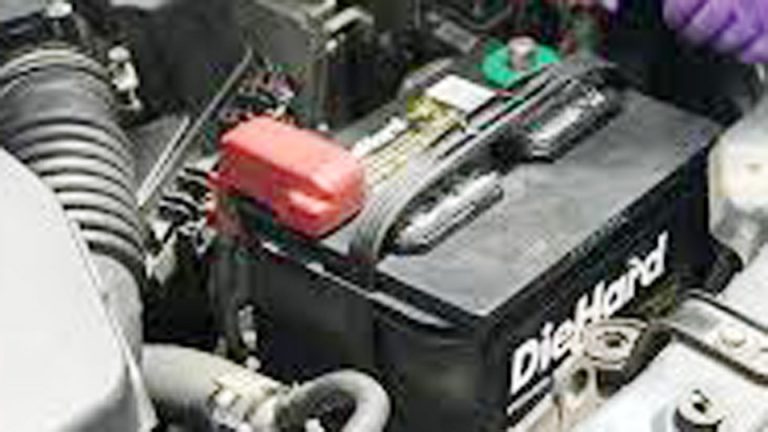
- Safety First: Disconnect negative terminal first. Wear gloves and eye protection. Lead-acid can spill acid.
- Remove Old Battery: Clean terminals and tray. Note cable lengths and fitment.
- Install Lithium: Many are direct drop-ins dimensionally. Secure it well—lithium is lighter, so vibration can be an issue.
- Charging System Check: Modern vehicles with smart alternators usually work, but monitor voltage. Some need a regulator or battery isolator upgrade.
- Test: Start the engine, check voltage (should be 13.8-14.6V charging). Drive and monitor.
Common mistake: Assuming any lithium will crank your big V8 in winter. Size appropriately or keep a lead-acid for pure starting.
For Solar and Deep-Cycle Systems (RV, Off-Grid, UPS)
This is where the upgrade pays off biggest.
- Calculate Capacity: Figure daily Ah usage. Lithium needs less total Ah for same usable energy. Example: If you use 150Ah daily from lead-acid, 100-120Ah lithium often suffices.
- Prepare: Shut off all loads, disconnect solar/inverter/charger. Remove old batteries safely.
- Install: Parallel or series as needed. Balance voltages before connecting (within 0.1V). Use proper gauge cables and fuses.
- Update Charging Sources:
- Solar MPPT controller: Set to LiFePO4 profile (14.4-14.6V absorb, 13.6V float).
- Converter/Inverter-Charger: Switch to lithium mode or replace.
- Alternator: Add DC-DC charger if towing or charging while driving.
- BMS and Monitoring: Use shunt-based monitor (not voltage-only) for accurate SOC.
- Test and Commission: Charge fully, check cell balance if accessible, discharge under load, recharge.
Storage Tip: Store at 50-70% SOC in cool, dry place. Lithium handles partial states better than lead-acid.
Power Tools and Electronics
Smaller systems often use 12V or 24V lithium packs. Ensure BMS compatibility with your charger’s output. Many “drop-in” batteries handle standard chargers reasonably well, but dedicated lithium chargers are best.
Common Mistakes and How to Avoid Them
I’ve seen (and made) plenty:
- Wrong Charger: Lead-acid chargers push 14.8V+ and can trigger BMS protection or damage cells. Use lithium-specific.
- Ignoring Temperature: Don’t charge below freezing without low-temp protection. BMS usually cuts off, but verify.
- Poor Connections: High current draw means loose terminals cause voltage drop, heat, and failures.
- Mixing Chemistries: Never parallel lithium with lead-acid. Different voltages and charge profiles cause issues.
- Undersizing Cables/Fuses: Lithium can deliver massive amps—upgrade wiring.
- No Monitoring: Relying on voltage alone misleads you with lithium’s flat curve.
- Skipping Balancing: In multi-battery banks, top-balance occasionally.
Real failure story: A friend installed lithium in his RV without updating the converter. It never fully charged, and after months of partial SOC, capacity dropped. A simple profile change fixed it.
Safety Considerations
Lithium is safer in many ways—no acid, no gassing—but has unique risks. Quality BMS is your best friend. Avoid cheap no-name batteries. Monitor for swelling, unusual heat, or smells. Install in well-ventilated areas (though less critical than lead-acid). Have a fire extinguisher rated for electrical fires nearby, especially in enclosed spaces.
For vehicles, ensure the battery fits securely and won’t short in a crash. In solar setups, proper fusing and disconnects are mandatory.
Maintenance Routines for Long Life
- Check connections quarterly.
- Keep terminals clean and tight.
- For solar: Equalize cells occasionally by holding at absorption voltage.
- Store properly during off-season.
- Update firmware on smart batteries if available.
- Avoid full discharges regularly—lithium lasts longer with shallower cycles, but handles deep ones fine.
Troubleshooting Common Issues
- BMS Shutdown: Low voltage, high current, or temp. Reset by disconnecting loads/chargers briefly.
- Not Charging: Wrong profile or voltage mismatch. Check settings.
- Low Capacity: Imbalanced cells or previous abuse. Top-balance or test individual cells.
- Alternator Overload: Install DC-DC charger.
Real-World Usage Examples
Cars/Motorcycles: Lighter weight improves handling and fuel economy slightly. Faster recharge from alternator.
Solar/Off-Grid: My solar cabin went from replacing lead-acids every 4 years to a lithium bank that’s still strong after 8+ years of daily use. More evening power without voltage sag.
UPS/Backup: Lithium provides longer runtime in smaller footprint with faster recharge.
Power Tools: Cordless setups benefit from consistent voltage.
Practical Recommendations
- Buy from reputable brands with strong warranties (5-10 years).
- Match or exceed original capacity for peace of mind.
- Invest in a good multimeter, shunt monitor, and compatible charger.
- For hybrids or complex systems, consult a professional electrician or technician.
Pro-Level Tip: When commissioning a new lithium bank, do a full charge, then a controlled discharge test under realistic load while monitoring individual cell voltages if possible. This reveals weak cells early and gives you baseline data for future troubleshooting. A good technician always baselines the system.
You’ve now got the knowledge to tackle this upgrade confidently. Whether you’re a weekend DIYer fixing your truck or managing an off-grid homestead, switching to lithium reduces headaches and delivers reliable power where it counts. Take it one step at a time, double-check compatibility, and enjoy the lighter load and longer life.
FAQ
Can I just drop in a lithium battery in place of my lead-acid without any changes?
Often yes for basic 12V systems with a compatible charger, but you’ll get best results by updating your charger, converter, or solar controller to lithium profiles. Without that, you may not reach full capacity or could stress components. Always verify voltage settings.
How much lithium capacity do I need to replace my lead-acid bank?
Generally, you can use about half the Ah rating because lithium gives you nearly full usable capacity versus 50% for lead-acid. Calculate based on your actual daily energy needs for accuracy.
Will a lead-acid charger damage my new lithium battery?
It might not immediately, but it’s not ideal long-term. It can under- or over-charge. Switch to a LiFePO4-compatible charger for safety and longevity.
What’s the biggest risk when switching to lithium?
Improper charging setup leading to incomplete charges or BMS trips, or using low-quality batteries without robust BMS. Temperature management (especially charging in cold) is also key.
How long do lithium batteries really last in solar or RV use?
With proper care, 8-15+ years or 3000-5000 cycles is common. Far better than lead-acid in cycling applications.