How Lithium Batteries Can Be Dangerous: Key Safety Risks
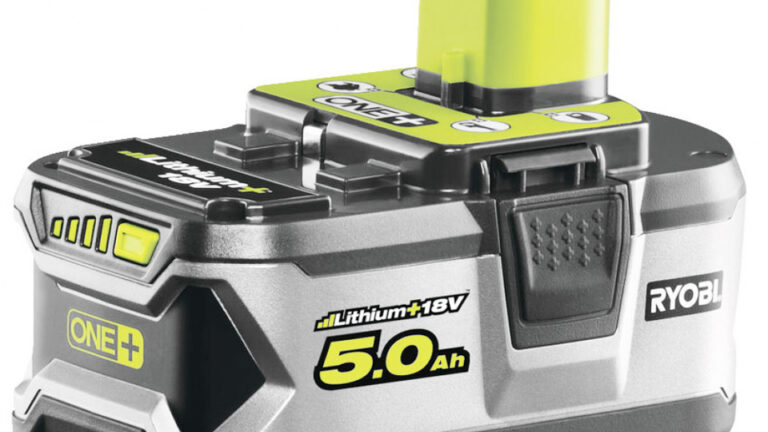
A customer once brought me a swollen lithium battery from a cordless power tool and asked if it was still safe to use. He had noticed the battery getting unusually hot during charging but assumed it was normal.
Moments like that remind me why people often ask, how lithium batteries can be dangerous, especially as these batteries become more common in everything from smartphones and laptops to electric bikes and solar storage systems.
Most lithium batteries are reliable when they’re used, charged, and stored correctly. The problems usually begin when they’re physically damaged, exposed to extreme heat, overcharged, or paired with the wrong charger. I’ve seen small mistakes turn into expensive battery failures, and in rare cases, they can even create fire or explosion risks.
Understanding these dangers isn’t about avoiding lithium batteries altogether. It’s about knowing how to handle them safely so you can enjoy their long lifespan, fast charging, and high performance without putting yourself or your equipment at risk.
I’ll explain the real situations that make lithium batteries hazardous, separate common myths from actual risks, and share practical safety tips that can help you prevent accidents and get the most out of your batteries.

Image by healthcare
What Makes Lithium Batteries Different—and Potentially Risky
Lithium batteries, particularly lithium-ion variants, store a massive amount of energy in a compact space using lithium ions shuttling between electrodes in a flammable organic electrolyte.
This chemistry gives them high voltage (nominal 3.2-3.7V per cell), excellent cycle life, and low self-discharge. But that same energy density is a double-edged sword.
When things stay within normal operating parameters—proper voltage, temperature, and current—they perform reliably. Push the boundaries, and the internal chemistry can destabilize rapidly.
Unlike lead-acid batteries that might just leak or sulfate slowly, lithium failures can escalate fast into thermal runaway: a self-sustaining chain reaction where one cell heats up, damages neighbors, and releases energy violently.
In my experience with solar installs and EV conversions, the most common trigger isn’t a manufacturing defect (though those happen). It’s everyday misuse or overlooked damage that starts the process.
Thermal Runaway: The Core Danger Explained
Thermal runaway is the term you’ll hear most when discussing how lithium batteries become dangerous. It starts when heat generation inside a cell outpaces dissipation. The electrolyte breaks down, generating more heat and gases, pressure builds, and the cell can vent, ignite, or rupture.
How It Happens in Real Life
Imagine dropping a cordless drill battery on concrete. The impact damages the separator between anode and cathode, creating an internal short.
Charging it anyway generates localized heat. Voltage drops unevenly, current spikes in weak spots, and suddenly you’re dealing with smoke and flames. I’ve pulled swollen cells from power tool packs where owners ignored early warning signs like unusual heat during use.
Causes break down into categories:
- Mechanical Abuse: Drops, punctures, crushing, or vibration in vehicles.
- Electrical Abuse: Overcharging, over-discharging below safe limits (often 2.5-3.0V per cell for Li-ion), or mismatched chargers causing excessive current.
- Thermal Abuse: Exposure to high ambient temperatures (above 60°C/140°F) or charging in freezing conditions.
- Aging and Defects: Worn cells with dendrite growth (lithium metal buildup) or manufacturing flaws that worsen over hundreds of cycles.
Once runaway starts in one cell, it can propagate through a pack in seconds to minutes, releasing flammable vapors that ignite easily. Temperatures can hit 600-1000°C, with jet flames and toxic smoke containing hydrogen fluoride and other nasty compounds.
Lithium Battery Types and Their Relative Risks
Not all lithium batteries carry the same danger level. Chemistry matters a lot.
Cobalt-Based (NMC, NCA): Common in phones, laptops, and some EVs. High energy density but more prone to thermal runaway due to less stable cathode materials. I’ve seen these fail dramatically in high-drain applications when pushed hard.
LiFePO4 (LFP): Popular for solar, marine, and RV use. Safer with higher thermal stability—harder to trigger runaway. They run cooler and tolerate abuse better, but can still vent gases and pose fire risks in large packs or with severe damage.
Other Variants: Older lithium-metal or specific LiPo (polymer) in RC and drones are even more sensitive to puncture or over-discharge.
Comparison Table: Lithium vs. Traditional Batteries
| Type | Energy Density | Fire/Explosion Risk | Maintenance | Typical Lifespan | Common Applications |
|---|---|---|---|---|---|
| Lithium-Ion (NMC) | High | Higher | Low | 500-2000 cycles | Phones, EVs, Tools |
| LiFePO4 | Medium | Lower | Very Low | 2000-5000+ cycles | Solar, Marine, Backup |
| Lead-Acid (Flooded/AGM) | Low | Lower (but leaks acid) | High | 300-800 cycles | Cars, Basic UPS |
Lithium wins on performance, but you trade some forgiveness for that power.
Common Ways Lithium Batteries Become Dangerous in Daily Use
Charging Mistakes I’ve Seen Repeatedly
Using the wrong charger is probably the top culprit. A car alternator or generic “universal” charger can overvolt a 12V lithium pack (nominal 12.8V for 4S LiFePO4, charging to 14.4-14.6V). I’ve diagnosed solar systems where owners bypassed BMS protections and fried cells.
Never leave charging unattended, especially overnight. A failing cell can heat up slowly then escalate. Stop immediately if you smell something sweet or burning, see swelling, or hear popping.
Storage Errors
Storing at full charge (100%) or zero percent accelerates degradation. For long-term, aim for 30-50% state of charge in a cool, dry place (around 50-68°F). I’ve pulled packs from garages that sat in summer heat—swollen and useless, sometimes venting.
Physical Damage
E-bikes and scooters take hits on trails. A dented pack might look okay but has compromised internals. One real scenario: A delivery rider ignored a swollen battery and kept riding/charging. It led to a garage fire that spread fast.
High-Drain and Environmental Stress
Power tools under heavy load in hot weather, or solar packs without proper ventilation. Mismatched cells in a DIY pack create imbalance—weak cells get overworked.
Real-World Failure Scenarios and Lessons
In automotive work, I’ve seen hybrid/EV battery modules where a single cell failure cascaded due to poor BMS. In off-grid solar, a homeowner paralleled old and new batteries without balancing, causing reverse current flow and heating.
E-scooter fires in urban areas often trace back to cheap imports with subpar BMS or damaged cells from shipping. The lesson? Buy quality, UL-listed or equivalent packs, and inspect regularly.
Practical Safety Tips: Charging, Storage, and Maintenance
Charging Best Practices
- Use the manufacturer-supplied or compatible smart charger with proper voltage/current limits.
- Charge in a fire-safe area, away from flammables. Consider a LiPo-safe bag for smaller packs.
- Monitor temperature—stop if above 113°F (45°C) during charging.
- For LiFePO4 in solar/RV: Set absorption around 14.2-14.6V, float lower. Avoid charging below 32°F without low-temp protection.
Storage and Handling
- Store at partial charge, cool and dry.
- Inspect for damage: swelling, leaks, dents. Dispose of compromised batteries properly—don’t puncture or throw in trash.
- For transport: Protect terminals to prevent shorts.
Maintenance Routines
Check connections for corrosion or looseness. In larger systems, monitor individual cell voltages if accessible. Balance packs periodically. In vehicles, ensure good airflow around battery compartments.
Testing and Troubleshooting
Use a multimeter for voltage. A healthy 12V lithium pack rests around 13.0-13.6V depending on SOC. Load test where possible. If voltage sags abnormally or one cell is off, investigate.
Step-by-Step: Safe Battery Replacement in a Vehicle or Solar Setup
- Disconnect negative first.
- Remove old pack carefully, avoiding shorts.
- Inspect wiring and mounts.
- Install new with proper BMS.
- Test voltages before full system integration.
- Charge slowly first time and monitor.
When Lithium Batteries Are Safer Choices (and When They’re Not)
Lithium shines in weight-sensitive applications like EVs or portable solar, but for ultra-critical backup where absolute fire risk must be minimized, some still prefer AGM lead-acid in specific low-cycle scenarios.
That said, modern LiFePO4 with robust BMS is my go-to for most installs—far safer than older chemistries when specs are followed.
Troubleshooting Lithium Battery Issues Before They Escalate
- Swelling: Stop use, isolate, and dispose/recycle. Indicates gas buildup.
- Overheating: Check charger, reduce load, improve ventilation.
- No Charge Acceptance: Test cells individually; BMS may have shut down for protection.
- Short Runtime: Capacity loss from imbalance or age—rebalance or replace weak cells.
Common beginner mistake: Ignoring BMS warnings or assuming all chargers are compatible. Pros double-check specs every time.
Broader Applications and Tailored Advice
Cars and Motorcycles: Lithium starter batteries are lighter but need compatible regulators. Avoid jump-starting improperly.
Solar and Off-Grid: Great for daily cycling, but size inverters and charge controllers correctly. Use temperature sensors.
UPS and Backup: Ensure fire suppression nearby and proper venting for any off-gassing.
Power Tools and Electronics: Use OEM chargers. Replace after drops.
Key Takeaways for Handling Lithium Batteries Confidently
You’ve got the knowledge now to recognize risks early, charge smartly, store properly, and avoid the mistakes that turn a reliable power source into a hazard. Lithium batteries aren’t inherently reckless—they reward careful users with performance that older tech can’t match.
The difference comes down to respecting their limits: voltage windows, temperature ranges, and physical integrity.
Always invest in a quality BMS with active balancing and low/high-temp cutoff for any lithium pack over a few cells. It catches imbalances long before you notice, preventing most runaway scenarios in real installations.
FAQ
Are lithium batteries more dangerous than lead-acid?
They can be in failure modes due to higher energy density and flammable electrolyte, leading to faster fire spread. Lead-acid leaks acid and gases more slowly but requires more maintenance. Proper handling makes lithium very safe for most uses.
What should I do if a lithium battery starts smoking or swelling?
Move it outdoors or to a safe, non-flammable area immediately using gloves and eye protection if possible. Do not charge or use it. Contact local hazardous waste or fire department for disposal guidance—do not puncture or immerse in water.
Can cold weather make lithium batteries dangerous?
Yes, charging below freezing can cause lithium plating and internal shorts leading to failure later. Use batteries with low-temp protection or warm them first. Discharging in cold is usually safer but reduces capacity.
How do I safely dispose of a damaged lithium battery?
Never throw in trash. Take to a certified recycling center or battery drop-off. Many auto parts stores or municipalities accept them. Tape terminals to prevent shorts during transport.
Why do lithium fires reignite after being extinguished?
Thermal runaway continues internally even if flames are doused. Cells can re-ignite when oxygen reaches hot materials or remaining energy releases. Specialized extinguishers or lots of cooling water are often needed.
This knowledge equips you to use lithium technology effectively while minimizing the very real but manageable dangers. Stay observant, follow manufacturer guidelines, and you’ll get years of reliable service.