How to Recycle Lead Acid Batteries at Home Safely
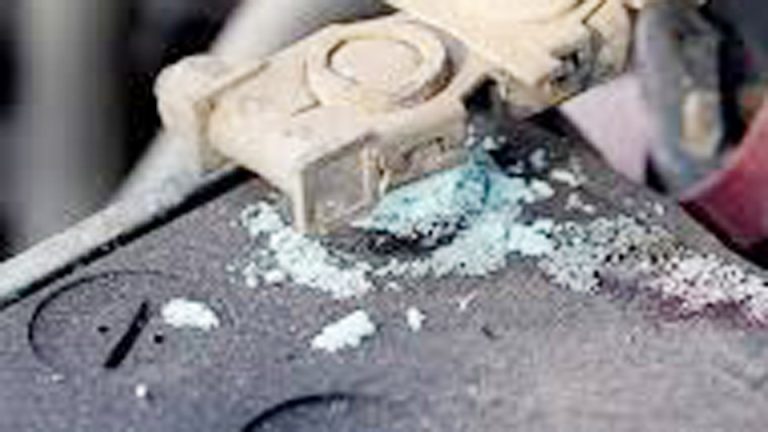
A while back, I was cleaning out my workshop and found three old lead-acid batteries sitting in a corner. They were dead, leaking a bit of corrosion around the terminals, and taking up valuable space. Like many people, my first thought was to throw them away and move on.
But after working with batteries for years, I knew that wasn’t a safe option. That’s when I started looking into how to recycle lead acid batteries at home the right way.
Old lead-acid batteries contain lead and sulfuric acid, two materials that can be harmful to people, pets, and the environment if handled improperly. Unfortunately, many batteries end up abandoned in garages, sheds, or storage areas because owners aren’t sure what to do with them. Others try risky DIY methods without understanding the safety concerns involved.
Knowing how to properly prepare and recycle a lead-acid battery can help prevent environmental damage, avoid accidental acid spills, and even save money in some cases. More importantly, it ensures valuable materials are recovered instead of ending up in landfills where they can cause long-term problems.
I’ll walk you through the safest way to handle old lead-acid batteries at home, explain what you can and cannot do yourself, and share practical tips for transporting, storing, and recycling them responsibly. By the end, you’ll know exactly how to get rid of old batteries safely without putting yourself or others at risk.
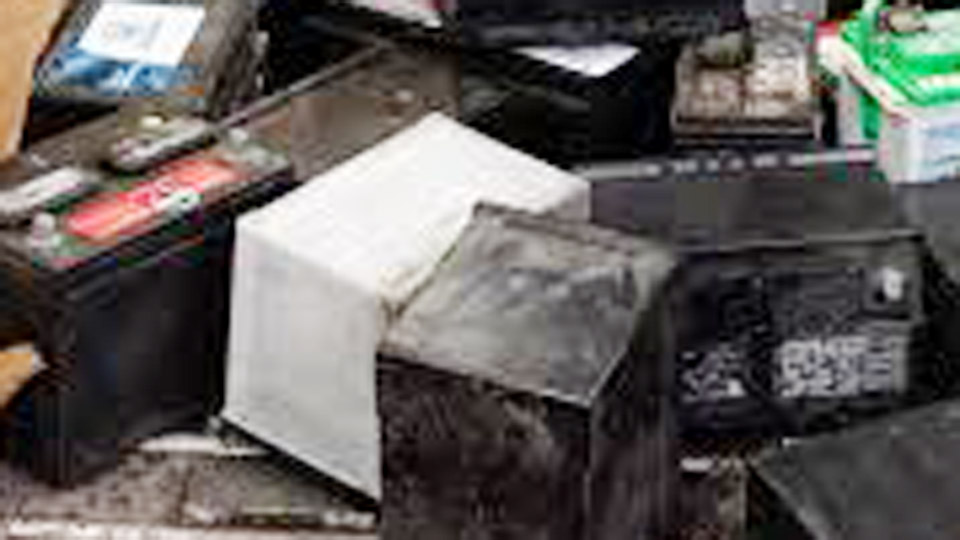
Image by associationofbatteryrecyclers
Why Recycling Lead-Acid Batteries Matters in Real Life
Batteries fail at the worst times. You’re heading out for a weekend trip and your car won’t turn over. Or your solar bank drops voltage overnight during a storm. A swollen or leaking battery isn’t just inconvenient—it’s a safety hazard. Sulfuric acid can eat through concrete and clothing, while lead is a cumulative neurotoxin. Improper disposal contaminates soil and water for generations.
Recycling recovers nearly all the lead, plastic, and acid. Facilities turn old batteries into new ones efficiently. For the average car owner or solar user, this means lower long-term costs and peace of mind.
I’ve seen DIYers try cracking cases at home for scrap value—don’t. The professional network handles it cleaner and safer, often with a small core credit when you buy a replacement.
Understanding Lead-Acid Battery Types Before You Recycle
You can’t recycle effectively without knowing what you’re dealing with. Lead-acid batteries come in several flavors, each with slightly different handling needs.
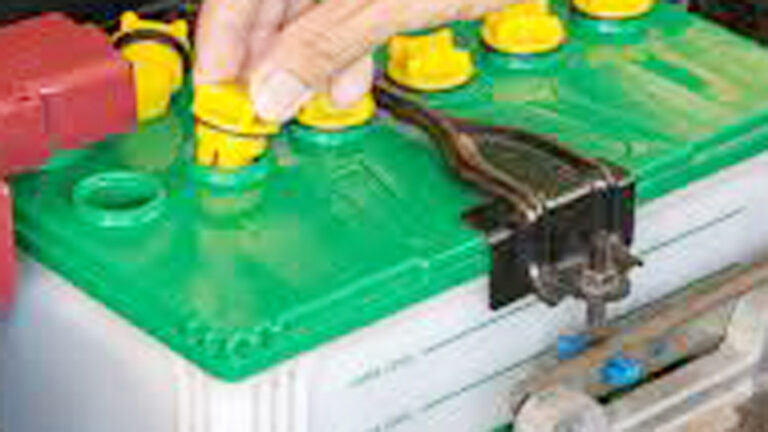
Flooded Lead-Acid (Wet Cell): The classic car battery. These have removable caps and liquid electrolyte. They’re heavy, affordable, and common in vehicles and entry-level solar setups. They require regular maintenance like checking water levels.
AGM (Absorbent Glass Mat): Sealed, with electrolyte absorbed in fiberglass mats. More vibration-resistant, common in motorcycles, RVs, and modern cars. Less prone to spills but still contain lead and acid.
Gel: Similar to AGM but with a thickened electrolyte. Great for deep-cycle applications like solar or wheelchairs, but sensitive to overcharging.
While lithium-ion (including LiFePO4) batteries are gaining ground in EVs and solar, lead-acid still dominates many legacy systems. Lithium recycling differs significantly and isn’t covered in detail here, as the query focuses on lead-acid.
Key Specs to Note Before Recycling:
- Voltage: Typically 12V nominal for automotive.
- Capacity: Measured in Amp-hours (Ah). A standard car battery might be 50-100 Ah.
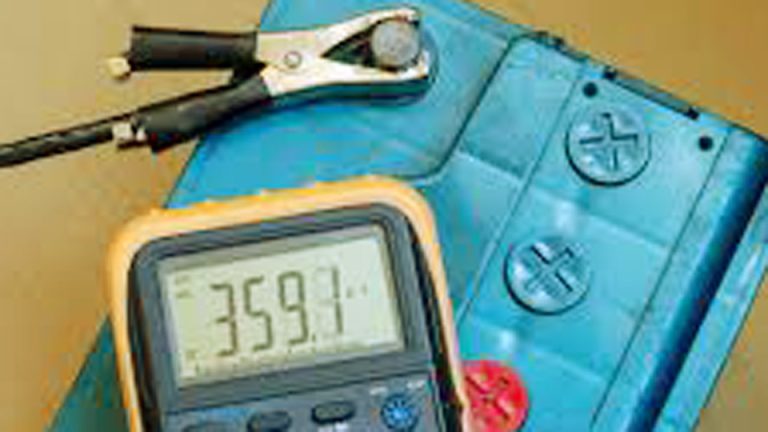
- Condition: Test voltage and load before deciding to recycle. A battery reading below 12.0V under load is often toast.
Battery Lifespan, Degradation, and When It’s Time to Recycle
In my experience, a well-maintained flooded lead-acid lasts 3-5 years in a car, while deep-cycle solar units might go 5-8 years with proper care. AGM and gel often stretch further due to sealed design. Degradation happens through sulfation (lead sulfate crystals building up), plate corrosion, and water loss.
Signs It’s Time:
- Won’t hold a charge.
- Swollen case or leaking.
- Excessive heat during charging.
- Dim lights or slow cranking.
Storing a dead battery accelerates damage. Acid stratification and sulfation worsen quickly.
Practical Maintenance and Charging to Extend Life (and Delay Recycling)
The best recycling strategy is prevention. Here’s what I’ve learned keeping dozens of systems running.
Charging Basics:
- Use a smart charger matched to your battery type. Flooded: 14.4-14.8V absorption. AGM: similar but often slightly lower. Gel: 14.1-14.4V to avoid gassing.
- Never use a standard automotive charger on gel or AGM without the right mode—it can ruin them fast.
- For solar, pair with a quality MPPT controller set to the correct profile. Avoid over-discharging below 50% for lead-acid.
Maintenance Routines:
- For flooded: Check electrolyte levels monthly, top with distilled water. Clean terminals with baking soda solution to prevent corrosion.
- Store in cool, dry conditions (not below freezing for wet cells). Use a maintainer/trickle charger for seasonal vehicles.
- Equalization charge occasionally for flooded batteries to mix electrolyte and reduce sulfation.
Common mistake: Leaving batteries on a basic float charger indefinitely or storing them discharged. Both kill lifespan.
Real-World Examples:
- Car/Motorcycle: Regular driving keeps them charged. Winter storage needs a maintainer.
- Solar/Off-Grid: Deep cycling is normal, but monitor with a battery monitor. Balance banks carefully.
- UPS/Power Tools: These often sit idle—test and charge quarterly.
Safety Considerations for All Battery Work
Always wear gloves, eye protection, and old clothes. Work in a well-ventilated area. Neutralize spills with baking soda. Never smoke or create sparks near charging batteries—hydrogen gas is explosive.
For recycling prep: Wipe terminals clean. Tape them to prevent shorts. Keep upright to avoid leaks.
Step-by-Step: How to Prepare Lead-Acid Batteries for Recycling at Home
You can’t fully recycle lead-acid at home safely or legally in most US areas—breaking them releases hazards and many states ban landfill disposal. Focus on safe preparation and drop-off.
- Test and Assess: Use a multimeter or load tester. If salvageable, try desulfation or reconditioning. Otherwise, proceed to recycle.
- Clean and Inspect: Wipe exterior with baking soda/water mix. Check for cracks or leaks. If damaged, contain in a sturdy plastic bin.
- Disconnect Properly: Remove from vehicle/system. Disconnect negative first, then positive.
- Secure for Transport: Place upright in a non-reactive container. Label if leaking.
- Locate a Recycler: Auto parts stores (AutoZone, O’Reilly), scrap yards, or household hazardous waste facilities often take them free or with a small payout. Many retailers give core credit.
Avoid DIY acid draining or plate removal. Professional hammer-mill facilities handle breaking, separation, smelting, and acid neutralization safely.
Comparison of Battery Types: Choosing and Recycling
| Battery Type | Pros | Cons | Typical Lifespan | Recycling Notes |
|---|---|---|---|---|
| Flooded Lead-Acid | Cheap, easy to maintain, widely available | Requires watering, spill risk, heavier | 3-5 years (auto), 5-8 (deep cycle) | High recycling rate; easy drop-off |
| AGM | Maintenance-free, vibration resistant, faster recharge | More expensive, sensitive to overcharge | 4-7+ years | Similar to flooded; sealed but still lead-acid |
| Gel | Excellent deep cycle, no spill | Very sensitive to voltage, slower recharge | 5-10 years | Same process; avoid high voltage chargers |
| Lithium (LiFePO4) | Lightweight, 80-100% usable capacity, long life | Higher upfront cost, different recycling | 10+ years | Separate stream; not lead-acid |
Lead-acid wins on cost and recyclability infrastructure today for many applications.
Troubleshooting Common Battery Issues
- Sulfation: Charger with desulfation mode or multiple charge/discharge cycles.
- Overcharging: Causes gassing and heat. Use temperature-compensated chargers.
- Low Voltage: Check connections, alternator, or solar input.
- Swelling/Leaking: Recycle immediately—do not attempt repair.
I’ve fixed many by simply cleaning connections or replacing a bad cell in a bank, but know when to stop.
Proper Storage and Compatibility Tips
Store charged, in moderate temps. For banks, match batteries by age, type, and capacity. Mixing old and new accelerates failure of the whole set.
Real-Life Usage Scenarios
In cars, a failing battery strands you. In solar, it means dark nights. UPS systems protect computers but fail silently if neglected. Power tools with lead-acid packs lose runtime quickly.
Key Takeaways for Confident Battery Management
You’ve now got the practical knowledge: Match charger to chemistry, maintain flooded cells, monitor usage, and recycle responsibly instead of storing hazards. Understanding types, voltages, and failure modes prevents most problems.
When replacing a bank in solar or RV service, always fully charge and test each new battery individually under load before wiring in parallel or series. It catches defects early and maximizes the set’s performance.
FAQ
Can I really recycle lead acid batteries at home by breaking them open?
No. It’s dangerous due to acid and lead exposure, often illegal, and inefficient. Prepare them safely and take to a certified recycler for proper processing.
Where can I drop off old car batteries near me?
Auto parts stores, scrap metal yards, and local hazardous waste events. Many accept them free when you purchase a new one.
What should I do if my battery is leaking acid?
Wear PPE, neutralize with baking soda, contain the leak, and transport carefully to a recycler. Do not rinse into drains.
How long do lead-acid batteries last in solar systems?
With proper charging and avoiding deep discharges below 50%, expect 5-8 years. Poor maintenance shortens this dramatically.
Are AGM and gel batteries recycled the same way as flooded ones?
Yes, through the same lead-acid recycling stream. Just ensure they’re fully prepared and not mixed with other battery types.