How to Open a Sealed Lead Acid Car Battery Safely
You turn the key on a cold morning, expecting your car to start like always, but instead, all you hear is a weak click. A few weeks ago, I was troubleshooting a similar issue when a customer asked me how to open a sealed lead acid car battery to check what was happening inside before spending money on a replacement. It’s a common question, especially when a battery suddenly stops holding a charge or shows signs of failure.
The problem is that sealed lead-acid batteries are designed differently from traditional serviceable batteries. Opening one the wrong way can lead to acid leaks, damage to the battery, or even safety hazards. At the same time, replacing a battery without understanding the real cause of the problem can waste a significant amount of money.
I’ve seen people assume a battery was completely dead when the actual issue was low electrolyte levels, sulfation, poor charging, or a faulty charging system. I’ve also seen batteries ruined because someone used the wrong tools or tried to force open a sealed case without knowing what was underneath the cover.
That’s why understanding the correct approach matters. It can help you avoid unnecessary replacement costs, improve battery performance, extend battery life, and stay safe while working around lead-acid batteries.
I’ll walk you through what a sealed lead-acid car battery really is, whether it can be opened safely, the tools you may need, important safety precautions, and the exact steps to inspect it without causing damage. Bthe end, you’ll know when opening the battery makes sense—and when it’s better to leave it sealed and use a different troubleshooting method.
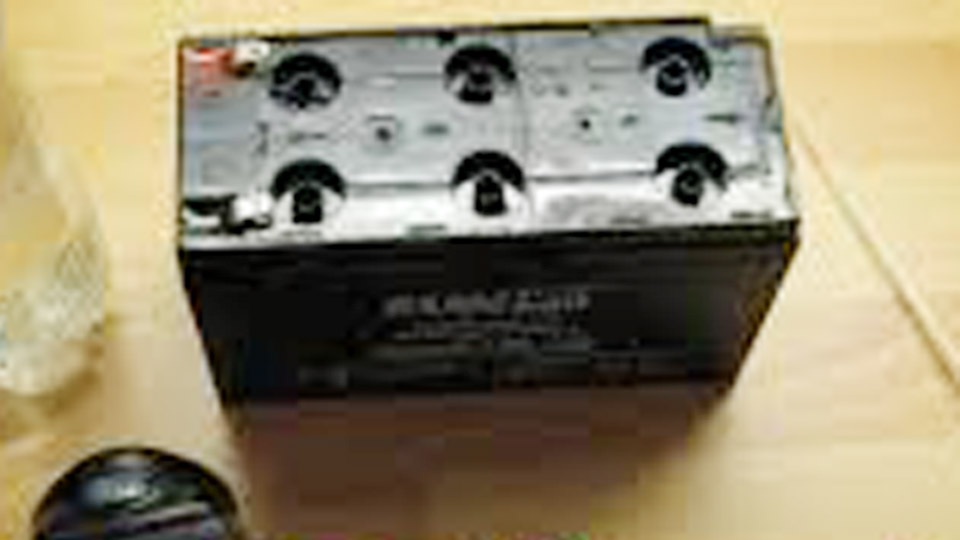
Image by larkinweb
Understanding Sealed Lead Acid Batteries
Sealed lead acid batteries use valve-regulated lead acid (VRLA) technology. Unlike traditional flooded batteries with removable caps, SLA designs recombine gases internally to minimize water loss. The two main subtypes you’ll encounter in cars and off-grid setups are:
AGM (Absorbed Glass Mat): Electrolyte is soaked into fiberglass mats between the plates. These handle vibration well, charge faster, and resist spills—ideal for motorcycles, modern cars, and solar deep-cycle use.
Gel: Electrolyte is thickened into a gel. They excel in deep discharge but charge more slowly and are sensitive to high voltages.
True “sealed” means no routine maintenance, but many have hidden access points under stickers or plastic covers. People open them for reconditioning when the battery won’t hold a charge after sitting unused or after repeated deep cycles.
Why it matters in real life: A failing SLA in your car can strand you. In a solar system, it cuts backup power during outages. Over time, heat, vibration, and improper charging cause electrolyte loss or sulfation—lead sulfate crystals that harden on plates and reduce capacity. Opening (when done right) lets you inspect and sometimes revive it.
Battery Types Comparison: Flooded vs. Sealed (AGM/Gel) vs. Lithium
Before touching any battery, know what you’re dealing with. Here’s a practical breakdown from real-world use:
Flooded Lead-Acid (Wet Cell):
- Liquid electrolyte you can see and top up.
- Cheapest upfront.
- Requires regular distilled water addition.
- Good for stationary deep-cycle but prone to spills and corrosion.
- Lifespan: 3-5 years with maintenance; degrades faster if neglected.
AGM (Sealed):
- Spill-proof, vibration-resistant.
- Higher cranking amps for starting cars.
- Faster charging, lower self-discharge.
- Lifespan: Often 4-7+ years in automotive; excellent in solar with proper care.
- Cost: Higher than flooded.
Gel (Sealed):
- Excellent for deep cycling in RVs or power tools.
- Sensitive to overcharging—can ruin quickly.
- Slower recharge.
- Lifespan: Similar to AGM but performs better in extreme temps if voltages are controlled.
Lithium-Ion / LiFePO4 (for comparison):
- Much lighter, 2000+ cycles, higher efficiency.
- No maintenance, but more expensive and needs specific chargers/BMS.
- Best for new solar or EV conversions, but not a direct swap for lead-acid in every legacy system.
Pros and Cons Summary:
- Flooded: Cheap, high capacity, but messy and high maintenance.
- AGM: Reliable daily driver, low fuss, but pricier and still sulfates eventually.
- Gel: Deep discharge king for solar/UPS, but picky on charging.
- Lithium: Long life and lightweight, but upfront cost and compatibility issues.
In my experience, AGM strikes the best balance for most car owners and solar users. A typical 12V car battery might be rated 500-800 CCA (cold cranking amps) and 50-100 Ah capacity. Deep-cycle versions prioritize Ah over CCA.
When and Why You Might Need to Open a Sealed Lead Acid Battery
Most SLA batteries last without intervention if charged properly. Open one when:
- Voltage sits below 12.0V after charging and resting.
- It won’t accept a full charge (sulfation suspected).
- You’re troubleshooting charging issues or leaks.
- Reviving for solar/off-grid where replacement is costly.
Common triggers: Leaving the car unused for months, using a cheap trickle charger that overcharges, or extreme heat boiling off electrolyte.
Safety first: Always work in a well-ventilated area. Wear gloves, eye protection, and old clothes. Sulfuric acid is nasty—it burns skin and eyes, and hydrogen gas can explode. Have baking soda nearby to neutralize spills. Never smoke or use sparks nearby.
Step-by-Step: How to Open a Sealed Lead Acid Car Battery
This process varies by brand—some have obvious covers, others hidden under heat-sealed stickers. Test the battery first.
Tools You’ll Need:
- Safety gear (gloves, goggles).
- Multimeter or hydrometer (if accessible).
- Flathead screwdriver, utility knife, or hair dryer for decals.
- Drill with appropriate bits (for some reconditioning).
- Distilled water, battery acid (sparingly), charger.
- Epoxy or plastic weld for resealing.
Steps:
- Test the Battery: Measure resting voltage (fully charged ~12.6-12.8V). Load test if possible. If it’s under 12V and won’t charge, proceed.
- Prepare the Work Area: Outdoors or garage with good airflow. Disconnect from vehicle/system. Clean terminals.
- Access the Cells: Many SLAs have a plastic cover or sticker. Use a hair dryer to warm adhesive, then gently pry with a flat screwdriver. Look for six cell caps underneath (for 12V). Some are rubber plugs or hidden.
- Inspect: Look for dry mats (AGM) or low electrolyte. White crystals indicate sulfation. Never add acid unless it’s a dry-charged new battery—usually just distilled water for topping up.
- Add Fluid if Needed: For accessible cells, add distilled water to cover plates/mats slightly. Avoid overfilling. Some advise against adding to true AGM as it can disrupt recombination, but in practice, careful addition helps dried-out units.
- Desulfate (Optional): Use a desulfating charger or manual pulsing. Some drill small holes carefully for additives, but this is advanced and risky.
- Reseal: Clean, dry, and use epoxy or heat to reseal covers. Test again.
Warning: Cutting the case entirely (hacksaw or chisel) is for salvage or extreme reconditioning—messy, dangerous, and often not worth it. Plates can short, acid spills everywhere.
Charging Methods and Best Practices
Proper charging prevents the need to open batteries in the first place.
- Float Charge: 13.5-13.8V for maintenance.
- Absorption/Bulk: 14.4-14.8V (temp compensated—lower in heat).
- Current: Limit to 0.25C or less initially (e.g., 10-25A for a 100Ah battery).
Use a smart charger designed for SLA/AGM. Avoid automotive chargers that push 15V+ constantly. In solar systems, pair with a good MPPT controller set for lead-acid profiles.
Common Charging Mistakes:
- Using the wrong voltage: Overcharges gel, undercharges AGM.
- Leaving on cheap maintainers too long.
- Charging in extreme cold/hot without compensation.
- Mixing old and new batteries in banks.
Battery Maintenance, Storage, and Troubleshooting
- Routine Checks: Voltage monthly. Clean terminals with baking soda solution.
- Storage: Keep at 50-80% charge in cool, dry place. Recharge every 1-3 months. Avoid freezing.
- Lifespan Factors: Temperature (every 10°C rise halves life), depth of discharge, charge quality.
- Degradation Signs: Slow cranking, swelling case, low voltage.
Real-World Troubleshooting:
- Battery dies overnight: Parasitic drain or bad alternator.
- Solar system underperforms: Imbalanced cells—test individually if opened.
- UPS failure: Frequent deep cycles shorten life; upgrade to lithium for critical loads.
In cars, AGM handles start-stop systems better. For motorcycles, vibration-resistant sealed units shine.
Practical Recommendations for Car Owners, Solar Users, and Pros
- Match battery to application: High CCA for starting, high Ah for deep cycle.
- Invest in a quality charger/maintainer.
- For solar: Size bank properly (avoid >50% DoD regularly).
- Compatibility: Check vehicle manual—some modern cars require AGM.
- Cost vs. Performance: A good AGM might cost more but lasts longer and saves hassle.
Comparison Table Example (imagine this formatted nicely):
| Type | Maintenance | Cycle Life | Cost | Best For |
|---|---|---|---|---|
| Flooded | High | 300-500 | Low | Stationary, budget |
| AGM | Low | 500-800+ | Medium | Automotive, solar |
| Gel | Low | 500-700 | Medium | Deep cycle, stable |
| Lithium | None | 2000+ | High | Long-term, efficiency |
Real-Life Scenarios
In my workshop, a customer’s truck battery failed after winter storage. Opening revealed dry cells; careful water addition and desulfation brought it back for another season.
In off-grid solar, AGM banks in hot climates lose water faster than advertised—monitoring and occasional access extends life significantly. Power tools and UPS systems see similar benefits from proper care.
Avoid these pitfalls: Ignoring temperature effects, using tap water (minerals kill plates), or over-torquing terminals.
Taking Control of Your Batteries
After working with dozens of these systems, the biggest lesson is prevention beats repair. Understanding your battery type, charging it right, and knowing when (and how) to inspect internally equips you to avoid roadside failures, extend solar uptime, and make smarter replacements.
Always temperature-compensate your charger settings—drop voltage by about 0.003V per cell per °C above 25°C. It prevents gassing and dramatically improves longevity in real garage or field conditions.
FAQ
Can you really add water to a sealed lead acid battery?
Yes, in many cases with hidden caps, but only distilled water and sparingly. True AGM/gel designs don’t need it ideally, but dried-out units often benefit. Never add acid unless it’s a dry new battery. Test and monitor afterward.
Is it safe to drill holes in a sealed car battery?
It can be done for reconditioning, but it’s risky—acid exposure, gas release, and structural weakening. Use proper PPE, ventilate, and reseal well. Better for experienced users only; many batteries aren’t worth the effort.
What’s the difference between AGM and gel sealed batteries for cars?
AGM handles higher charge/discharge rates and vibration better for automotive starting. Gel is superior for consistent deep cycling but charges slower and is more voltage-sensitive. Choose AGM for most cars and mixed solar use.
How long do sealed lead acid car batteries last?
Typically 3-7 years depending on use, climate, and maintenance. Automotive starting batteries lean toward the shorter end; well-cared-for deep-cycle AGM in solar can exceed that. Regular charging prevents premature failure.
What voltage should I charge a 12V sealed lead acid battery at?
Bulk/absorption around 14.4-14.8V, float 13.5-13.8V. Always use a smart charger and adjust for temperature. Over 15V risks damage.