How to Check Alkaline Battery Life | Simple Voltage Test
Few things are more annoying than grabbing a flashlight during a power outage or picking up a remote control, only to find that it barely works—or doesn’t work at all. The first question that usually comes to mind is whether the device is faulty or the batteries are simply running out of power. That’s where knowing how to check alkaline battery life can save you a lot of frustration.
I’ve seen people throw away batteries that still had plenty of usable power left, while others kept using weak batteries that caused poor device performance. The problem is that alkaline batteries don’t always die suddenly. They often lose power gradually, making it difficult to tell whether they’re still good without testing them properly.
Learning how to check battery life isn’t just about convenience. It can help you avoid unnecessary battery purchases, keep important devices ready when you need them, and prevent the headaches that come from unreliable performance.
Whether you’re testing AA, AAA, C, or D batteries, a quick check can tell you whether they’re worth keeping or ready for recycling. I’ll show you several simple ways to test alkaline batteries, explain what the results actually mean, and share a few practical tips that can help you get the most value out of every battery you use.
Image by mountainbikebill
Why Alkaline Battery Life Matters More Than You Think
Alkaline batteries power everything from TV remotes and wireless mice to portable electronics and emergency gear. Unlike the deep-cycle or lithium systems I work with in cars and solar arrays, these are single-use cells that degrade gradually.
A fresh alkaline AA should deliver around 1.5V nominal voltage, but real-world performance drops based on drain rate, temperature, and age.
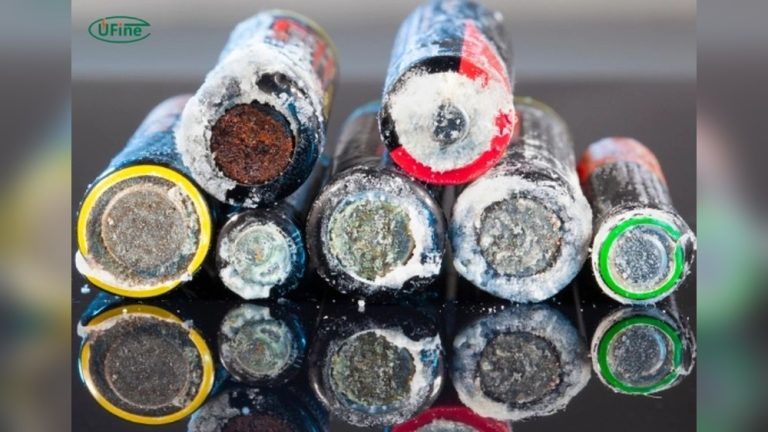
Failing to check them properly leads to wasted money on premature replacements, unreliable devices, and even safety issues like leaking batteries corroding equipment.
In my experience, people often assume a battery is dead when it still has usable life in a lower-drain application. Learning accurate testing bridges the gap between guesswork and confidence.
Understanding Alkaline Battery Basics
Alkaline batteries use zinc and manganese dioxide with an alkaline electrolyte (usually potassium hydroxide). This chemistry gives them better capacity and leak resistance than older carbon-zinc cells. A standard AA alkaline holds roughly 2,500–3,000 mAh, depending on the brand, but that capacity varies wildly under load.
Key specs to know:
- Voltage: Starts ~1.5–1.65V fresh; usable down to about 1.0–1.2V.
- Capacity (Ah): Measured in milliamp-hours; higher for premium brands.
- Shelf life: 5–10 years when stored properly, but real performance declines over time.
They excel in low-to-moderate drain devices but struggle in high-drain ones like digital cameras or high-powered flashlights compared to lithium primaries.
Simple No-Tool Methods to Check Alkaline Battery Life
The drop (or bounce) test is my go-to quick check when I don’t have gear handy. Hold the battery vertically, positive end up, about 1–2 inches above a hard surface like a concrete floor or sturdy table. Drop it.
- A fresh or well-charged alkaline battery lands with a solid “thud” and stays put or bounces minimally once.
- A depleted one bounces several times like a rubber ball and topples over because the internal gel electrolyte has dried or changed consistency.
This works surprisingly well for distinguishing new from old batteries. It’s not perfect for partial charge but great for sorting a drawer full of mixed cells. I’ve used it countless times in the field—clients are always amazed when it separates the keepers from the trash.
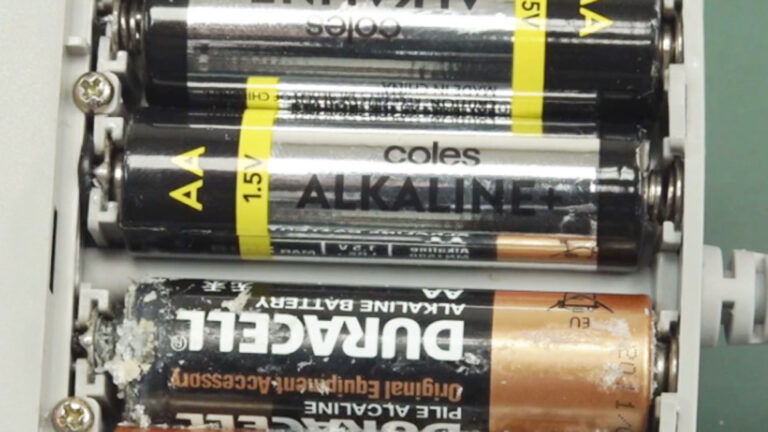
Another quick visual: Look for bulging, leakage, or corrosion around the terminals. Any of these signs mean immediate disposal—safely.
Using a Multimeter: The Reliable Way to Check Voltage and Health
For more precision, grab a digital multimeter. Set it to DC voltage (20V range is safe). Touch the red probe to the positive (+) end and black to the negative (-).
- Fresh: 1.55–1.65V
- Good/usable: 1.3–1.5V
- Weak: 1.1–1.3V (may still work in low-drain devices)
- Dead: Below 1.0–1.1V
Open-circuit voltage (no load) gives a decent snapshot, but it’s not the full story. A battery can read okay at rest but collapse under load.
Pro tip from the garage: Always test under simulated load for critical applications. Use a resistor (around 100 ohms for AA) or simply insert the battery into a device and measure voltage while it’s running. Significant drop indicates low remaining capacity.
Dedicated Battery Testers for Everyday Use
Cheap universal battery testers (under $15) are worth every penny for households or small shops. They apply a small load and give a quick green/yellow/red reading. Slide the battery in, match polarity, and read the gauge. They’re faster than a multimeter for sorting multiples and account for some load behavior.
I keep one in my toolbox next to the multimeter—it handles AA, AAA, C, D, and 9V effortlessly.
Load Testing for Accurate Remaining Life Assessment
True capacity testing involves discharging the battery at a known rate while monitoring voltage. For DIY, a simple load test with a resistor and multimeter works. Compare no-load vs. loaded voltage. A healthy battery holds voltage better.
In professional settings, I use dedicated capacity analyzers that fully discharge and measure mAh delivered. For alkaline, this is destructive testing, so reserve it for verification rather than routine checks.
Comparing Alkaline to Other Battery Types
Alkaline batteries fit into a broader ecosystem. Here’s how they stack up in real applications:
Battery Type Comparison Table
| Battery Type | Nominal Voltage | Typical Lifespan (Use) | Rechargeable? | Best For | Cost per Use | Shelf Life |
|---|---|---|---|---|---|---|
| Alkaline | 1.5V | Months to 1-2 years | No | Low/moderate drain (remotes, clocks) | Low upfront | 5-10 years |
| Lithium Primary | 1.5V | Much longer | No | High drain, cold temps (cameras, outdoor) | Higher | 10-20 years |
| NiMH Rechargeable | 1.2V | Hundreds of cycles | Yes | Frequent use devices | Lowest long-term | Shorter charged |
| Lead-Acid (AGM/Gel) | 12V | 3-7 years | Yes (limited) | Automotive, solar deep cycle | Moderate | Varies |
| LiFePO4 | 3.2V/cell | 2,000+ cycles | Yes | Solar, EV, off-grid | Higher upfront | Excellent |
Pros of Alkaline:
- Inexpensive upfront.
- Excellent shelf life.
- Reliable voltage output until near end.
- No charging needed.
Cons:
- Single use—wasteful for high-drain or frequent applications.
- Performance drops in extreme cold.
- Can leak if left too long in devices.
Rechargeables like NiMH shine for toys and gadgets you use often, while lithium primaries beat alkaline in demanding conditions. For cars, motorcycles, solar, or UPS, we’re talking entirely different systems—lead-acid, AGM, or lithium that require voltage checks, load testing, and specific chargers.
Real-World Applications Across Devices
Cars and Motorcycles: Alkalines rarely power the main system, but they’re in key fobs and sensors. A weak fob battery causes range issues. Test with multimeter before blaming the car’s electronics.
Solar and Off-Grid: Alkalines for small electronics or backups. Main storage uses deep-cycle batteries. I’ve seen homeowners mix types poorly, leading to failures.
UPS and Backup Systems: Rely on sealed lead-acid or lithium. Checking involves different voltage ranges (12V, 24V systems) and capacity tests.
Power Tools and Electronics: Lithium-ion packs dominate here. Alkalines for occasional use. High-drain devices kill alkalines fast—switch to lithium or rechargeables.
Battery Maintenance, Storage, and Common Mistakes
Store alkalines in a cool, dry place (ideally 50-70°F). Avoid mixing old and new in the same device. Remove batteries from devices not used for months to prevent leakage.
Charging mistakes (relevant for rechargeables, but people try it with alkalines): Never attempt to recharge standard alkalines—it’s dangerous and ineffective. Use proper NiMH chargers for rechargeables.
Common errors I see:
- Relying only on voltage without load testing.
- Storing in hot garages or cars.
- Ignoring date codes on batteries.
- Over-tightening terminals or mixing sizes.
- Disposing improperly (recycle at stores).
For automotive or solar: Wrong charger voltage ruins batteries fast. Always match AGM, gel, or lithium profiles. Over-discharging lead-acid sulfates plates; lithium has BMS protection but hates extreme temps.
Step-by-Step Guides
Testing Multiple Alkaline Batteries:
- Gather them in one spot.
- Perform drop test to cull obvious duds.
- Multimeter voltage check.
- Load test questionable ones.
- Label and store keepers separately.
Replacing in a Device:
Match chemistry and size. Clean contacts. Test new ones first.
For Larger Systems (e.g., car battery):
Use a load tester or voltmeter. Healthy 12V lead-acid rests ~12.6V; under load shouldn’t drop below 9.6V quickly.
Safety Considerations
Alkaline leakage contains corrosive electrolyte—wear gloves, neutralize with vinegar or baking soda. Dispose responsibly. For lithium or lead-acid, risks include fire, explosion from shorting, or toxic fumes. Always work in ventilated areas, use insulated tools, and follow manufacturer specs.
Never puncture, incinerate, or mix with water improperly.
Practical Recommendations for Longevity
- Buy reputable brands for consistent performance.
- Match battery to device drain needs.
- For mixed use, keep a stock of tested alkalines and rechargeables.
- In cold climates, lithium primaries outperform alkaline.
- Routine checks every few months for stored gear.
Voltage and current ranges: Alkaline chargers don’t apply, but for rechargeables, use 1.4–1.5V per cell charging voltage. Automotive: 13.8–14.4V charging for lead-acid.
Compatibility: Don’t mix alkaline with rechargeable in series/parallel.
Troubleshooting Low Battery Performance
Device not working? Test batteries individually. Clean contacts. Check for corrosion. If voltage is good but performance poor, suspect high drain or cold temps. For solar/automotive: Check connections, alternator output, or inverter compatibility.
Taking Control of Your Battery Game
After years of diagnosing dead batteries in vehicles, solar sheds, and toolboxes, one thing stands clear: consistent, practical testing turns random failures into manageable routines. You now understand not just how to check alkaline battery life with drop tests, multimeters, and load methods, but how alkalines fit alongside lithium, lead-acid, AGM, gel, and LiFePO4 in real setups.
You know the voltage tells, the common pitfalls like improper storage or mismatched charging, and why load matters more than open-circuit readings.
Build the habit of testing before you need it. Keep a dedicated tester in your kit, date your batteries when you buy them, and rotate stock. That one practice has saved me more callouts and downtime than any fancy diagnostic tool.
FAQ
How accurate is the drop test for alkaline batteries?
It’s excellent for telling fresh from depleted but less precise for partial charge. Combine with a multimeter for better results. Fresh ones thud; dead ones bounce.
Can I recharge alkaline batteries?
No. Standard alkalines are not designed for recharging. It can cause leaks, overheating, or rupture. Stick to NiMH for rechargeables.
What voltage means an AA alkaline battery is dead?
Below 1.0–1.1V under load is generally dead. 1.2–1.3V may still power low-drain devices.
How do alkaline batteries compare to lithium for everyday use?
Lithium lasts longer in high-drain or cold conditions and has better shelf life, but costs more. Alkaline is fine for low-drain household items.
Why does my battery tester show different results than a multimeter?
Testers apply a load, giving a more realistic picture of performance under use. Multimeter open-circuit readings can be misleadingly high.