How to Restore Sealed Lead Acid Battery & Extend Life
Few things are more frustrating than discovering that a sealed lead acid battery no longer holds a charge when you need it most. I’ve seen it happen with UPS backup systems during power outages, mobility scooters sitting unused for a few months, and emergency lighting systems that suddenly fail their battery tests. Before rushing out to buy a replacement, many people wonder whether the battery can be saved.
That’s where the question of how to restore sealed lead acid battery comes in. While not every battery can be brought back to life, some lose performance because of sulfation, long periods of storage, or improper charging rather than permanent internal damage.
In the workshop, I’ve recovered batteries that owners were ready to throw away simply by following the right testing and charging procedures.
Knowing how to evaluate and potentially restore a sealed lead acid battery can save money, reduce waste, and extend the life of equipment that depends on reliable backup power. It can also help you avoid the mistake of replacing a battery that still has usable life left in it.
I’ll walk you through the restoration methods that are actually worth trying, how to determine whether a battery is recoverable, and the warning signs that tell you it’s time to stop troubleshooting and replace the battery instead.
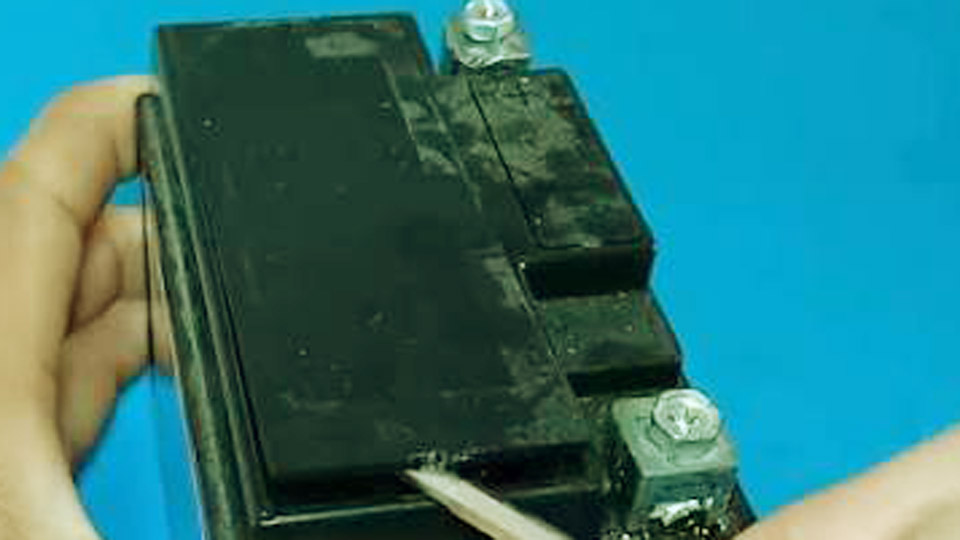
Image by ezbatteryrecondition
Understanding Sealed Lead Acid Batteries and Why They Fail
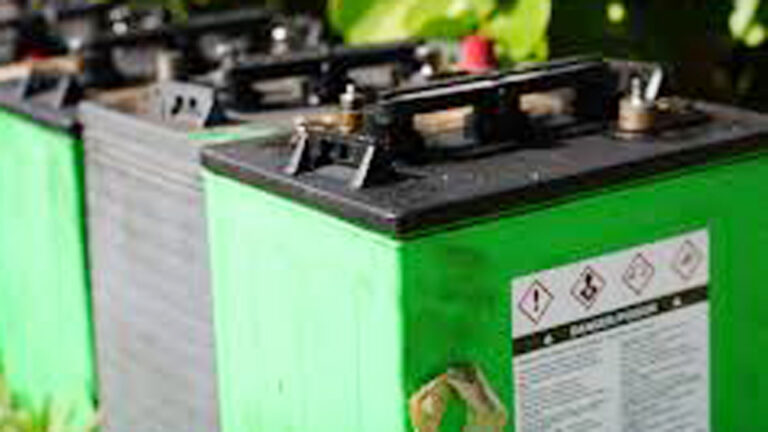
Sealed lead acid batteries, also called valve-regulated lead-acid (VRLA), come in variants like AGM (Absorbed Glass Mat) and gel. Unlike traditional flooded lead-acid batteries with removable caps for easy electrolyte checks, SLAs are designed as maintenance-free with a sealed case and pressure-relief valves. They use a recombinant system where gases recombine into water, minimizing loss.
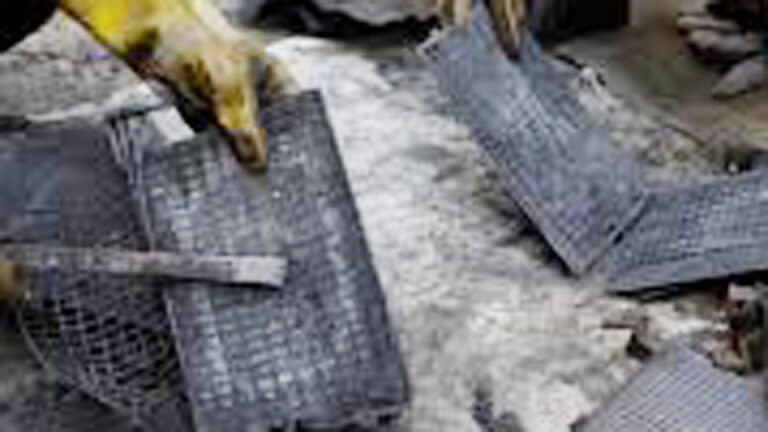
In practice, “sealed” doesn’t mean indestructible. Over time, especially if left discharged, sulfation builds up—hard lead sulfate crystals form on the plates, blocking the chemical reaction needed for charging and discharging. Electrolyte can dry out through venting or evaporation, plates can corrode, or internal shorts develop from shedding material.
I’ve pulled SLA batteries from everything from lawn tractors to solar backups that read under 10V and thought they were toast. Many respond because the primary failure is reversible sulfation or low electrolyte, not total plate destruction.
Common failure scenarios I’ve seen:
- A car or motorcycle battery left sitting over winter.
- Solar deep-cycle batteries in off-grid systems that get chronically undercharged.
- UPS batteries in home offices or shops that float at low voltage for years.
Voltage is a quick diagnostic. A healthy 12V SLA at rest (after settling) should read around 12.6-12.8V when fully charged. Below 12.2V it’s discharged; under 10.5V it’s deeply discharged and at risk of permanent damage. Capacity is rated in Amp-hours (Ah)—a 7Ah battery can theoretically supply 1A for 7 hours or 7A for 1 hour. Watt-hours (Wh) give energy perspective: Wh = V × Ah.
Battery Types: Flooded, AGM, Gel, and Lithium Comparisons
Knowing the type matters for restoration and charging. Here’s a practical breakdown from hands-on use:
Flooded Lead-Acid (Wet Cell): Traditional, with liquid electrolyte. Cheapest upfront. Pros: Tolerant of overcharge, easy to check/add water, high cranking amps for starters. Cons: Requires regular maintenance, spills possible, needs upright mounting, higher self-discharge. Best for cars, motorcycles where access is easy.
AGM (Absorbed Glass Mat): Electrolyte soaked in fiberglass mat. Popular sealed type. Pros: Spill-proof, vibration-resistant (great for vehicles/boats), faster charging, lower self-discharge, can be mounted any orientation. Cons: More expensive, sensitive to overcharging (can dry out), harder to restore if severely sulfated. Excellent for solar, UPS, power tools.
Gel: Electrolyte thickened with silica. Pros: Very deep-cycle tolerant, low gassing, excellent for solar/off-grid. Cons: Slower charging, sensitive to high voltages (can ruin quickly), higher cost, poor high-current performance. Avoid aggressive desulfation.
Lithium-Ion / LiFePO4: Not lead-acid, but often compared. Pros: Much lighter, higher cycle life (2000+ vs 300-500 for lead-acid), efficient deep discharge, faster charge. Cons: Higher upfront cost, needs specific BMS/chargers, less forgiving in extreme cold. Great upgrade for solar or EVs, but restoration is different (usually not DIY like lead-acid).
Comparison Table (Approximate Real-World Values for 12V Systems):
- Flooded: Cost low, Lifespan 300-500 cycles (50% DoD), Maintenance high, Cranking good, Deep cycle fair.
- AGM: Cost medium, Lifespan 400-700 cycles, Maintenance low, Cranking excellent, Deep cycle good.
- Gel: Cost medium-high, Lifespan 500-800+ cycles, Maintenance very low, Cranking fair, Deep cycle excellent.
- LiFePO4: Cost high, Lifespan 2000-5000+ cycles, Maintenance none, Cranking good (with BMS), Deep cycle best.
In my experience, AGM is the sweet spot for most DIY and solar users—reliable without constant babysitting.
Diagnosing Your Sealed Lead Acid Battery
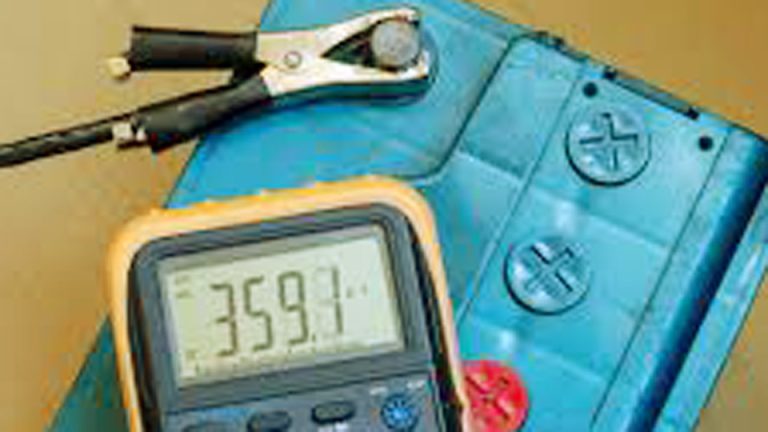
Before restoration, test properly. Grab a digital multimeter.
- Voltage Check: Resting voltage after sitting 24 hours. Below 12V? Deeply discharged.
- Load Test: Use a battery load tester or improvise with a high-draw load (headlights + resistor). A good battery should hold voltage under load. For capacity, discharge at C/10 or C/20 rate and time it.
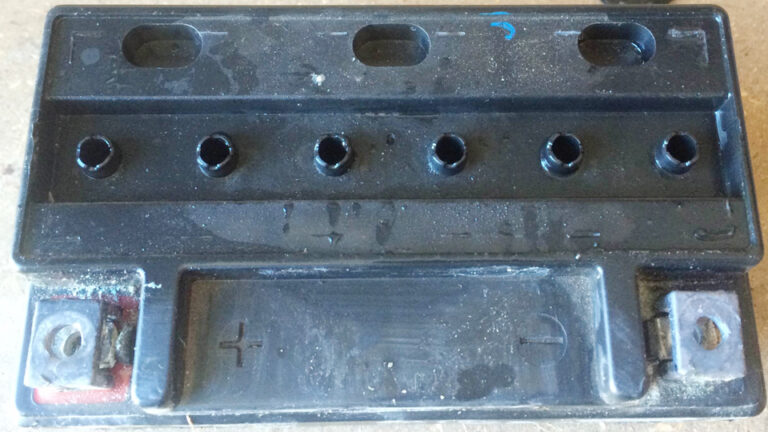
- Visual Inspection: For SLAs, carefully pry the cover if needed (voids warranty). Look for dry plates, white sulfate crust, or bulging case (overcharge damage).
Common mistake: Assuming a low-voltage battery is dead without trying a proper recovery charge. Smart chargers often refuse batteries below ~10.5V.
Step-by-Step: How to Restore a Sealed Lead Acid Battery
Safety First: Work in a ventilated area, wear gloves, goggles, and old clothes. Have baking soda nearby to neutralize acid spills. Hydrogen gas is explosive— no sparks or flames.
Basic Recovery (No Opening Required):
- Connect a compatible charger. For deeply discharged, use a manual charger or parallel with a good battery to “wake” it.
- Charge slowly at low amps (0.1C or less initially). For a 12V 7Ah, start at 0.5-1A.
- Target voltages: Bulk ~14.4-14.7V, Float ~13.5-13.8V. Monitor temperature—warm is ok, hot is bad.
- Let it charge 24-48+ hours. Some use a desulfation/pulse mode if available.
- Cycle: Charge fully, discharge moderately (to ~50%), recharge. Repeat 3-5 times.
Advanced Restoration (Opening the Battery):
Many SLAs have pry-off tops or hidden caps. Use a flat screwdriver carefully.
- Inspect cells: Add distilled water (not tap) to cover plates if dry. Avoid overfilling.
- For sulfation: Some add Epsom salt solution (magnesium sulfate), but results vary— it can raise SG artificially without fixing chemistry long-term. Use sparingly.
- High-voltage desulfation: Limited current (0.05-0.1C) at 15-20V for short periods, monitoring closely. Not for gel.
- Shake gently, charge slowly, reseal with epoxy or glue if needed.
I’ve revived several UPS SLAs this way, gaining back 60-80% capacity for light duty. Don’t expect full original performance on heavily used batteries.
Charging Methods and Correct Parameters:
- Use a smart charger matched to SLA/AGM/gel settings.
- Current: 10-30% of Ah rating for standard charge.
- Never exceed manufacturer max voltage. Overcharging dries them out irreversibly.
- For solar: MPPT controllers with proper profiles prevent issues.
Mistake I see often: Using a car alternator or wrong charger that cooks the battery.
Maintenance, Storage, and Preventing Failure
Restoration is great, but prevention is better.
- Storage: Keep fully charged in cool, dry place. Use a maintainer/trickle charger. Check every 1-3 months.
- Routine: For deep-cycle, avoid discharging below 50% regularly. Equalization (controlled overcharge) on flooded types periodically.
- Compatibility: Match voltage, Ah, and chemistry. Mixing old/new or types causes imbalance.
- Real-World Example: In a solar setup, a 100Ah AGM bank left at 30% for weeks sulfated badly. Slow recovery plus proper controller got it back for evening loads.
Troubleshooting:
- Won’t charge: Check connections, try recovery mode or parallel kickstart.
- Low capacity: Sulfation or dry cells—test and restore.
- Overheating: Bad charger or internal short—replace.
Lithium vs Lead-Acid: When to Upgrade
For high-cycle solar or EV use, LiFePO4 shines—lighter, longer life, but requires compatible systems. Lead-acid remains king for budget, high-crank, or simple setups.
Practical Tips from the Workshop
- Always label batteries with date and capacity notes.
- For motorcycles/cars: AGM handles vibration better.
- Power tools/UPS: Restore for spares, but test under load.
- Cost savings: Restoring beats buying new frequently, but know when to recycle (lead is valuable).
Common pro mistake: Rushing high current on a flat battery. Patience wins.
Real-Life Usage Examples
In cars/motorcycles, a restored SLA often cranks reliably for starting but may sag on accessories. Solar/off-grid: Pair with good charge controller for daily cycling. UPS: Restored units handle short outages fine. Electronics: Small SLAs in gadgets revive easily with low-current chargers.
Pros and Cons Summary (per type):
- Flooded: Affordable but thirsty for attention.
- AGM: Versatile workhorse.
- Gel: Deep discharge specialist, picky on charge.
Taking It Further: Testing and Longevity
Build or buy a capacity tester. Discharge at moderate rate to 10.5-11V cutoff, calculate Ah delivered. Aim for 80%+ of rated for continued use.
Battery lifespan depends on depth of discharge, temperature (heat kills), and charge quality. Proper care yields 3-7+ years.
After working with dozens, the key insight is that most failures are from neglect, not age alone. A slow, monitored charge cycle fixes far more than people realize.
When recovering, monitor individual cell voltages if possible (on accessible batteries) or feel for even warming. The first cell to gas heavily is often the weak one—gives you a clear signal on overall health.
FAQ
Can you really restore a completely dead sealed lead acid battery?
Yes, many can be revived if sulfation or dehydration is the main issue, not physical damage. Expect partial recovery—test capacity afterward. Deeply discharged ones below 1V per cell are tougher.
What voltage should I use to charge a 12V SLA battery?
Bulk/absorption around 14.4-14.7V, float 13.5-13.8V. Adjust for temperature—lower in heat. Use a proper SLA charger.
Is adding Epsom salt or opening the battery safe and effective?
It can help in some cases but carries risks like spills or voiding warranty. Distilled water refill is often safer first step. Results aren’t guaranteed long-term.
How long do restored SLA batteries last?
Depends on prior damage and future care. Many gain 6-24 months of useful service for lighter duties. Full deep-cycle performance is rarer.
When should I just replace instead of restore?
If it won’t hold over 70-80% capacity after multiple cycles, shows physical damage, or is for critical use (safety systems). Recycling old ones is responsible.