How to Check If Lead Acid Battery Is Good | Voltage Test
Few things are more frustrating than turning the key in your car or checking your backup power system, only to find the battery isn’t doing its job.
Before rushing out to buy a replacement, it’s worth taking a few minutes to learn how to check if lead acid battery is good. I’ve seen plenty of perfectly usable batteries get replaced simply because no one tested them correctly.
I’ve found that a lead-acid battery can appear fully charged but still struggle to deliver the power you need. Internal damage, sulfation, aging, or a weak cell can all reduce performance without obvious warning signs.
Relying on voltage alone or making assumptions often leads to unnecessary expenses and unexpected breakdowns.
Knowing how to test your battery properly helps you avoid costly mistakes, improve reliability, and get the most out of your investment. Whether the battery is in a car, motorcycle, solar system, RV, or backup power setup, a few simple checks can reveal its true condition.
I’ll walk you through the methods I use to evaluate lead-acid batteries, explain what the test results actually mean, and share practical tips to help you decide whether your battery is healthy, needs maintenance, or is ready to be replaced.
Image by brsbattery
Why Lead Acid Batteries Matter
Lead acid batteries have been used for over 160 years. They are reliable and cost-effective. Most cars and home power backup systems still use them. But these batteries can fail suddenly, leaving you stuck. Many people replace batteries too soon, or too late, because they don’t know how to test them.
Checking your battery helps avoid unnecessary spending and ensures your devices work when needed.
Signs Your Lead Acid Battery May Be Bad
Before testing, look for obvious signs. Some symptoms suggest that your battery is failing or already dead:
- Slow engine crank: Car engine turns over slowly or not at all.
- Dim lights: Headlights or interior lights appear weak.
- Swelling or leaking: The battery case looks swollen, cracked, or leaks fluid.
- Corrosion: White or blue powder around terminals.
- Sulfur smell: Rotten egg odor, a sign of leaking acid.
- Frequent jump starts: You need to jump start your vehicle often.
These signs indicate a problem, but you still need tests to be sure.
Safety Precautions Before Testing
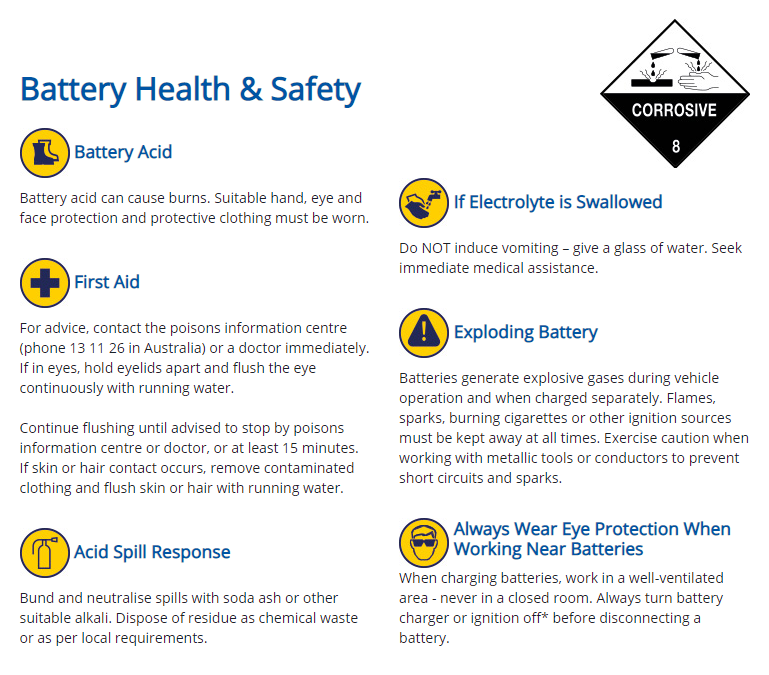
Checking a lead acid battery involves handling chemicals and electricity. Always follow these safety rules:
- Wear gloves and eye protection.
- Work in a well-ventilated area.
- Avoid open flames or sparks.
- Wash hands after handling batteries.
- If you see cracks, leaks, or swelling, do NOT test—dispose safely.
Battery acid is dangerous. If it touches skin or eyes, rinse immediately with water and seek medical help.
Types Of Lead Acid Batteries
You need to know what kind of battery you have, because some tests and maintenance differ.
| Type | Main Use | Maintenance |
|---|---|---|
| Flooded (Wet Cell) | Cars, UPS, Solar | Needs water, regular checks |
| Sealed (AGM/Gel) | Motorcycles, Solar, Mobility | No water needed, limited checks |
Flooded batteries let you check electrolyte levels. Sealed batteries are safer but harder to test internally. Always check your battery label.
Step-by-step Guide: How To Check If Lead Acid Battery Is Good
Testing a lead acid battery can be simple or detailed, depending on tools and time. Let’s look at the main methods, from quick checks to advanced diagnostics.
1. Visual Inspection
Start with a careful look. Most battery problems can be seen.
- Check for swelling, cracks, or leaks.
- Look for corrosion on terminals.
- Inspect for loose or damaged cables.
- If you see any of these, the battery may be unsafe or finished.
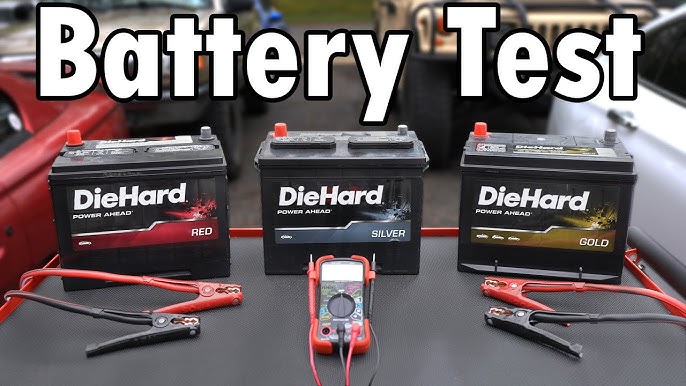
2. Measure Voltage With A Multimeter
A multimeter gives a quick answer. Here’s how:
- Turn off all devices connected to the battery.
- Set your multimeter to DC volts.
- Connect the red probe to the positive (+) terminal, black probe to negative (-).
- Read the voltage.
Healthy lead acid batteries show these values at rest:
| Voltage | Status |
|---|---|
| 12.6 – 12.8 V | Fully charged, healthy |
| 12.4 – 12.5 V | Partially charged, may be okay |
| 12.0 – 12.3 V | Low charge, could be weak |
| < 12.0 V | Discharged, or failing |
If your battery is below 12. 0 volts after charging, it’s likely bad. But voltage alone doesn’t tell the whole story.
3. Check Electrolyte Level And Condition (flooded Batteries Only)
Flooded batteries need water in each cell. Low electrolyte can cause failure.
- Remove the battery caps carefully.
- Check if the liquid covers the lead plates.
- If low, add distilled water (never tap water).
- Look at the liquid: Clear is good, brown or cloudy means trouble.
Do not overfill—leave space for expansion.
4. Test Specific Gravity With A Hydrometer (flooded Batteries)
A hydrometer measures the density of the battery acid. This shows how well each cell is working.
- Draw liquid from a cell into the hydrometer.
- Read the specific gravity.
Healthy readings are:
- 1.265 – 1.299: Fully charged
- 1.230 – 1.265: Partially charged
- Below 1.200: Discharged or bad cell
Test all cells. If one cell is much lower, that cell is failing.
5. Perform A Load Test
Load tests check if the battery can deliver power under stress. You need a battery load tester.
- Charge the battery fully.
- Connect the tester as per instructions.
- Apply the load for 10–15 seconds.
- Watch the voltage:
- If voltage stays above 9.6V (for a 12V battery), it’s good.
- If voltage drops quickly below 9.6V, the battery is weak.
Load tests are very reliable. Many auto shops offer this service.
6. Observe Battery Behavior During Use
Sometimes, real-world use shows problems that tests miss.
- Does your device start well after charging?
- Does the battery hold charge for days?
- Does the voltage drop fast under load?
If your battery loses charge quickly or struggles to start devices, it may be near the end of its life.
Common Mistakes When Testing Lead Acid Batteries
Many people make errors that lead to wrong conclusions or even injury.
- Testing after charging: Always wait at least 1 hour after charging before testing voltage or gravity.
- Using tap water: Only use distilled water, as minerals damage the battery.
- Ignoring one bad cell: One weak cell can cause the whole battery to fail.
- Testing sealed batteries with hydrometers: Sealed batteries cannot be opened safely.
- Skipping safety gear: Acid burns are serious—always wear protection.
- Misreading voltage: Temperature affects readings. If testing in cold weather, readings may be lower.
- Assuming voltage means health: Voltage tells charge level, not capacity.
Advanced Diagnostics: Capacity And Internal Resistance
If you want deeper answers, advanced tools help. These are mainly for technicians, but can be useful for critical systems.
Capacity Test
Capacity means how much energy the battery can deliver. Specialized testers discharge the battery at a fixed rate, then measure how long it lasts. For example, a 12V, 100Ah battery should deliver 100 amps for 1 hour. If it delivers much less, it’s weak.
Internal Resistance Test
Some testers measure internal resistance. High resistance means the battery struggles to deliver power. Good batteries have resistance below 5 milliohms. Bad batteries may show 20 milliohms or more.
How To Interpret Results: Is The Battery Good?
After testing, combine all your results:
- Visual check: No leaks, cracks, or swelling
- Voltage: Above 12.6V after rest
- Electrolyte: Proper level, clear liquid
- Specific gravity: All cells above 1.265
- Load test: Voltage stays above 9.6V under load
If all these are true, your battery is good. If one or more tests fail, the battery may need replacement.

Credit: www.amazon.com
How To Improve Battery Life
A good battery can last 3–7 years, but most fail sooner. Here are tips to keep your battery healthy:
- Keep terminals clean and tight.
- Check water levels monthly (flooded batteries).
- Avoid deep discharging—charge before voltage drops below 12V.
- Store batteries in cool, dry places.
- Charge fully after each use.
- Use smart chargers with automatic shut-off.
- Avoid vibration and shocks.
Non-obvious insight: Sulfur buildup inside the battery (sulfation) is the main cause of early failure. Using a smart charger with “desulfation mode” can extend battery life.
Comparing Lead Acid Battery Test Methods
Here’s a summary of the main methods, with their pros and cons:
| Test Method | Accuracy | Ease of Use | Needed Tools |
|---|---|---|---|
| Visual Inspection | Low | Very Easy | None |
| Voltage Test | Medium | Easy | Multimeter |
| Hydrometer | High | Medium | Hydrometer |
| Load Test | Very High | Medium | Load Tester |
| Capacity Test | Very High | Hard | Special Tester |
| Internal Resistance | High | Hard | Special Tester |
For most users, voltage and load tests are enough.
Credit: www.youtube.com
When To Replace Your Lead Acid Battery
Even with care, batteries don’t last forever. Replace your battery if:
- It fails the load test.
- Voltage drops below 12V after charging.
- Specific gravity is low in one or more cells.
- The battery shows swelling, leaks, or corrosion.
- Device performance drops even after charging.
Don’t wait for total failure—replace before your device stops working.
What To Do With A Bad Battery
Lead acid batteries contain toxic lead and acid. Never throw them in the trash. Take them to a recycling center or a battery store. Many stores give discounts for old batteries. Proper recycling prevents pollution and saves resources.
Advanced Tip: Battery Equalization
Flooded batteries can develop differences between cells. Equalization is a controlled overcharge that balances cells. Many smart chargers offer this mode. Do this every 3–6 months for flooded batteries, but never on sealed batteries.
Lead Acid Battery Maintenance Schedule
A simple schedule keeps your battery healthy:
- Monthly: Check terminals, water level (flooded), clean if needed.
- Quarterly: Perform voltage and load test.
- Yearly: Full capacity test (if possible), equalization for flooded batteries.
Keeping records helps spot problems early.
Real-world Example: Car Battery Failure
A driver noticed slow starting and dim headlights. Visual check showed corrosion. Multimeter reading was 12. 2V after charging. Load test dropped to 8. 7V. Hydrometer showed one cell at 1. 195. The battery was only 2 years old, but sulfation had built up.
Replacing the battery fixed the problem. The owner learned to check water monthly and use a smart charger.
Non-obvious Insight: Battery Age Isn’t Everything
Many people judge batteries by age. But a battery can fail in one year if abused, or last seven years with care. Testing is more reliable than guessing by age. Always check before replacing.
Using Modern Battery Testers
Digital battery testers are now affordable. They show voltage, internal resistance, and even estimate health. These tools make testing easier for beginners. If you use batteries often, investing in a tester saves time and money.
Frequently Asked Questions
How Often Should I Test My Lead Acid Battery?
Test your battery every three months for normal use. For critical systems (like UPS or solar), test monthly. Always check after unusual events, like hard starts or power failures.
Can I Test A Sealed Lead Acid Battery With A Hydrometer?
No. Sealed batteries (AGM, Gel) cannot be opened safely. Only use voltage and load tests for these types.
Is It Okay To Use Tap Water To Refill My Battery?
Never use tap water. Only use distilled water. Tap water contains minerals that damage the battery and shorten its life.
What Causes Batteries To Fail Early?
The most common cause is sulfation—crystals build up on plates when batteries are left discharged. Other causes include overcharging, deep discharging, vibration, and poor maintenance.
Where Can I Recycle Lead Acid Batteries?
Take them to a battery recycling center or auto parts store. Many places accept old batteries for free. For more information, visit EPA Battery Recycling Guide.
Checking if your lead acid battery is good is practical and easy with the right tools and knowledge. Regular tests, proper maintenance, and safe recycling keep your devices running and protect the environment. Whether you’re a car owner, solar enthusiast, or just want reliable backup power, these steps help you get the most from your battery, every time.
Credit: www.bullsbattery.com