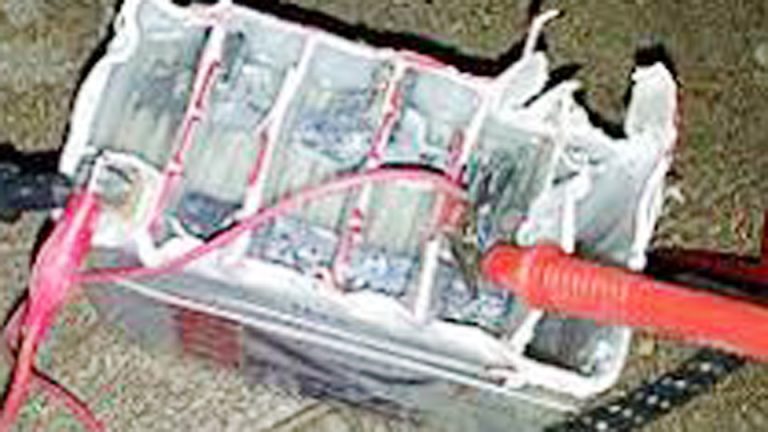
How to Charge Sealed Lead Acid Rechargeable Battery Safely
Sealed lead acid (SLA) rechargeable batteries are everywhere: emergency lights, alarm systems, UPS backups, scooters, and even children’s ride-on toys. These batteries are popular because they are reliable, affordable, and safe when handled correctly.
But to get the most life and performance from a sealed lead acid battery, charging it properly is essential. Incorrect charging can ruin a battery quickly, while careful charging can extend its lifespan by years.
Many people are unsure about how to charge these batteries the right way. This confusion can lead to dead batteries, wasted money, and even safety risks.
If you want your SLA battery to last, you need to know the correct charging process, the right chargers, and how to avoid common mistakes. This guide will walk you through everything you need to know, in clear and simple language.
What Is A Sealed Lead Acid Rechargeable Battery?
A sealed lead acid battery is a type of rechargeable battery that uses lead and acid (sulfuric acid solution) to store electrical energy. Unlike old-style car batteries, SLA batteries are sealed, so the acid cannot leak out. This makes them safer and maintenance-free—there’s no need to top up the water or check the acid level.
There are two main types of sealed lead acid batteries:
- Absorbent Glass Mat (AGM): The acid is absorbed in glass fiber mats, making the battery spill-proof and vibration-resistant.
- Gel Cell: The acid is mixed with a gel, making the battery less likely to leak and better for deep discharge cycles.
SLA batteries come in many sizes and voltages. The most common are 6V and 12V batteries, used in everything from wheelchairs to toys.
Why Proper Charging Matters
Charging a sealed lead acid battery the wrong way can damage it in a few hours. Proper charging, on the other hand, can help the battery last for 3–5 years or more. Here’s why charging correctly is so important:
- Overcharging heats the battery, dries out the electrolyte, and causes swelling or leaks.
- Undercharging leads to a buildup of lead sulfate, which reduces the battery’s ability to hold a charge.
- Wrong charger type can destroy a battery, especially if it’s not designed for SLA batteries.
A well-charged battery holds more energy, works longer, and is safer to use.
How Sla Batteries Work During Charging
When you charge an SLA battery, you are reversing the chemical reaction that happens when it discharges. Charging pushes electrons back into the battery, turning lead sulfate and water into lead, lead dioxide, and sulfuric acid again.
The charging process has three main stages:
- Bulk charge: Most of the charging happens here. The charger provides a constant current, and the battery voltage rises.
- Absorption charge: The charger holds the voltage steady while the current drops. The battery fills up almost completely.
- Float charge: The charger reduces voltage and current. This stage keeps the battery at 100% without overcharging.
Understanding these stages helps you pick the right charger and charging method.
Choosing The Right Charger
Not all chargers are safe for sealed lead acid batteries. Using the wrong charger can damage or destroy your battery. Here’s what to look for:
Voltage Matching
Check your battery’s voltage (usually printed on the label). The charger must match this voltage exactly. For example, use a 12V charger for a 12V battery.
Current Rating
A good rule is to charge at 10–30% of the battery’s capacity (measured in amp-hours, Ah). For example, a 12V 7Ah battery should be charged at 0. 7A to 2A. Charging too quickly can cause overheating.
Smart Charging Features
Modern chargers have features to protect your battery:
- Automatic shut-off when fully charged
- Three-stage charging (bulk, absorption, float)
- Temperature compensation to avoid overheating
Look for chargers labeled “for sealed lead acid batteries” or “SLA/AGM/Gel compatible. ”
Charger Comparison Table
Here’s how different charger types compare for SLA batteries:
| Charger Type | Suitable for SLA? | Key Features | Risk Level |
|---|---|---|---|
| Car Battery Charger (manual) | No | Simple, no auto shut-off | High (overcharge risk) |
| Smart SLA Charger | Yes | 3-stage, auto shut-off, safe | Low |
| Trickle Charger | Sometimes | Very low current | Medium (can overcharge if left on) |
| Solar Charger (with controller) | Yes | Regulated charging | Low |
| Unregulated Power Supply | No | No protection | Very High |
Preparing To Charge: Safety And Setup
Charging sealed lead acid batteries is generally safe, but taking a few precautions can prevent accidents.
- Charge in a well-ventilated area: Even sealed batteries can release small amounts of hydrogen gas.
- Check for damage: Never charge a battery that is swollen, leaking, or has cracked terminals.
- Use the right charger: Double-check the voltage and current settings.
- Clean terminals: Dirty terminals can reduce charging efficiency. Wipe with a dry cloth.
Set up the battery on a stable, non-flammable surface, away from direct sunlight and heat sources.
Step-by-step Guide: Charging A Sealed Lead Acid Battery
Follow these steps for the safest and most effective charge:
- Read the battery label. Find the voltage (e.g., 6V, 12V), capacity (Ah), and any charging instructions.
- Connect the charger. Attach the positive (red) cable to the battery’s positive terminal, and the negative (black) cable to the negative terminal.
- Set the charger. Select the correct voltage and current. Use the lowest setting if unsure.
- Turn on the charger. Start the charging process.
- Monitor the charge. Most smart chargers have indicator lights to show charging status.
- Wait for the charger to finish. Modern chargers will switch to float mode or turn off when done.
- Disconnect safely. Turn off the charger before removing the cables. Remove the negative cable first, then the positive.
Charging Time Estimates
How long does it take to charge a sealed lead acid battery? The time depends on the battery’s capacity and the charger’s current.
| Battery Size (Ah) | Charger Current (A) | Approx. Charging Time (hours) |
|---|---|---|
| 7 Ah | 1 A | 7–9 |
| 12 Ah | 2 A | 7–8 |
| 18 Ah | 2 A | 10–12 |
| 35 Ah | 4 A | 9–10 |
| 100 Ah | 10 A | 10–12 |
The last 10–20% of charging usually takes longer as the battery absorbs the final charge.
Important Charging Methods Explained
There are a few main ways to charge an SLA battery, each with pros and cons.
Constant Voltage Charging
This is the most common and recommended method. The charger supplies a fixed voltage (usually 2. 3–2. 45V per cell, or about 13. 8–14. 7V for a 12V battery). The current naturally drops as the battery fills up.
- Best for most uses
- Safer for battery life
- Used by most smart chargers
Constant Current Charging
The charger gives a fixed current, and the voltage rises as the battery charges. This method is faster but riskier if not monitored, as it can overcharge.
- Faster charging
- Needs careful monitoring
Float Charging
The charger holds the battery at a low voltage (about 2. 25–2. 3V per cell, or 13. 5–13. 8V for 12V). This keeps the battery topped up over long periods without overcharging.
- Great for standby batteries
- Prevents self-discharge
Comparison Of Charging Methods
Here’s how the main charging methods compare:
| Method | Speed | Safety | Best For |
|---|---|---|---|
| Constant Voltage | Moderate | High | General use |
| Constant Current | Fast | Medium (risk of overcharge) | Professional/quick charge |
| Float Charging | Slow | Very High | Long-term standby |
Common Mistakes When Charging Sealed Lead Acid Batteries
Many battery problems come from simple charging mistakes. Here are the most common errors and how to avoid them:
- Using the wrong charger: Never use a car battery charger or lithium-ion charger. Always use one designed for SLA batteries.
- Overcharging: Leaving the charger on too long or using a charger without auto shut-off can cause swelling and leaks.
- Charging too fast: High current can overheat and damage the battery’s internal plates.
- Charging a frozen battery: If the battery is below freezing, let it warm up first. Charging a frozen battery can crack the case.
- Not charging regularly: SLA batteries like to stay charged. Letting them sit empty for weeks will shorten their life.
- Ignoring manufacturer’s instructions: Each battery can have slightly different needs—always check the label.
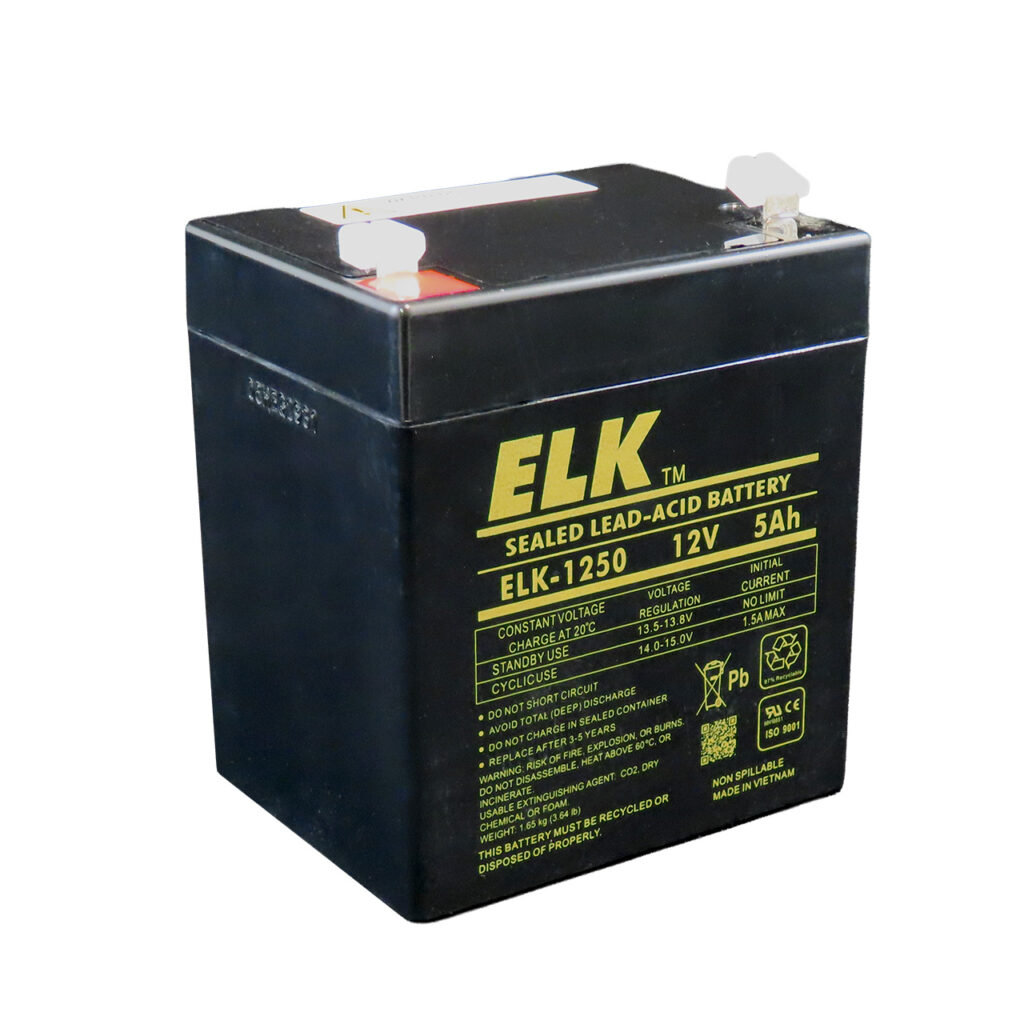
Credit: www.elkproducts.com
Tips To Maximize Sla Battery Life
Getting the most out of your sealed lead acid battery is not just about charging—it’s about the right habits. Here are practical tips:
- Charge as soon as possible after use: Don’t let the battery stay empty.
- Store fully charged: If you put the battery away for months, store it charged and top it up every 3–6 months.
- Keep cool: High heat shortens battery life. Store and charge at room temperature.
- Avoid deep discharge: Try not to drain the battery below 50% if you want it to last longer.
- Use a quality charger: A cheap, unregulated charger can ruin an expensive battery.
Non-obvious Insight: The Impact Of Partial State Of Charge
Many beginners think it’s best to always fully drain and recharge SLA batteries. In fact, keeping them partially charged (not fully empty) is better. Unlike some other battery types, lead acid batteries do not benefit from deep discharge cycles.
Non-obvious Insight: Temperature Compensation
Charging voltage should be adjusted for temperature. At higher temperatures, the charging voltage should be lowered, and at lower temperatures, it should be raised.
Smart chargers often handle this automatically, but basic models do not. Failing to adjust for temperature can cause overcharging in hot climates or undercharging in cold ones.
Charging In Series And Parallel
Some devices use multiple SLA batteries connected together. Here’s what you need to know:
Series Charging
- Batteries connected end-to-end (positive to negative) to increase voltage.
- Example: Two 12V batteries in series = 24V.
- Use a charger that matches the total voltage (24V in this example).
- All batteries should be the same age, size, and state of charge.
Parallel Charging
- Batteries connected positive to positive, negative to negative to increase capacity (Ah).
- Voltage stays the same.
- Use a charger that matches the battery voltage.
- All batteries should be identical.
Mixing old and new batteries in a bank is a common mistake and can reduce performance.
Charging Sla Batteries With Solar Power
Solar panels are a great way to charge sealed lead acid batteries, especially for off-grid systems. But you can’t connect a solar panel directly to a battery—you need a charge controller to regulate the voltage and current.
- Use a solar charge controller designed for lead acid batteries.
- Match the panel’s output voltage to the battery bank.
- Monitor the battery to avoid overcharging.
Solar charging is slower, but it’s reliable and good for maintenance charging.
Testing And Monitoring Battery Health
Even with perfect charging, batteries wear out over time. Here’s how to check your battery’s health:
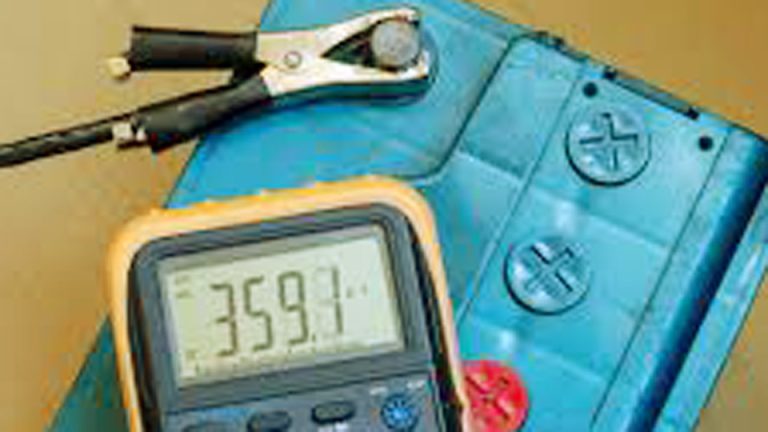
- Check voltage: A fully charged 12V SLA battery should read about 12.7–13.0V at rest.
- Load test: Some auto shops and battery stores can test your battery’s ability to deliver power under load.
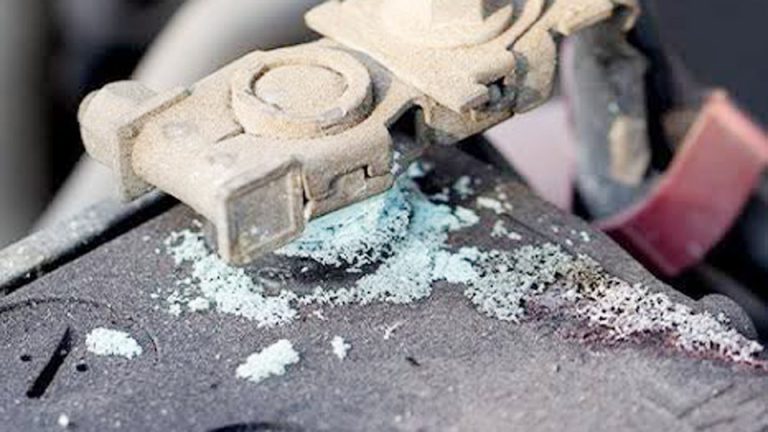
- Look for signs of failure: Swelling, leaks, or a battery that won’t hold a charge usually means it’s time to replace.
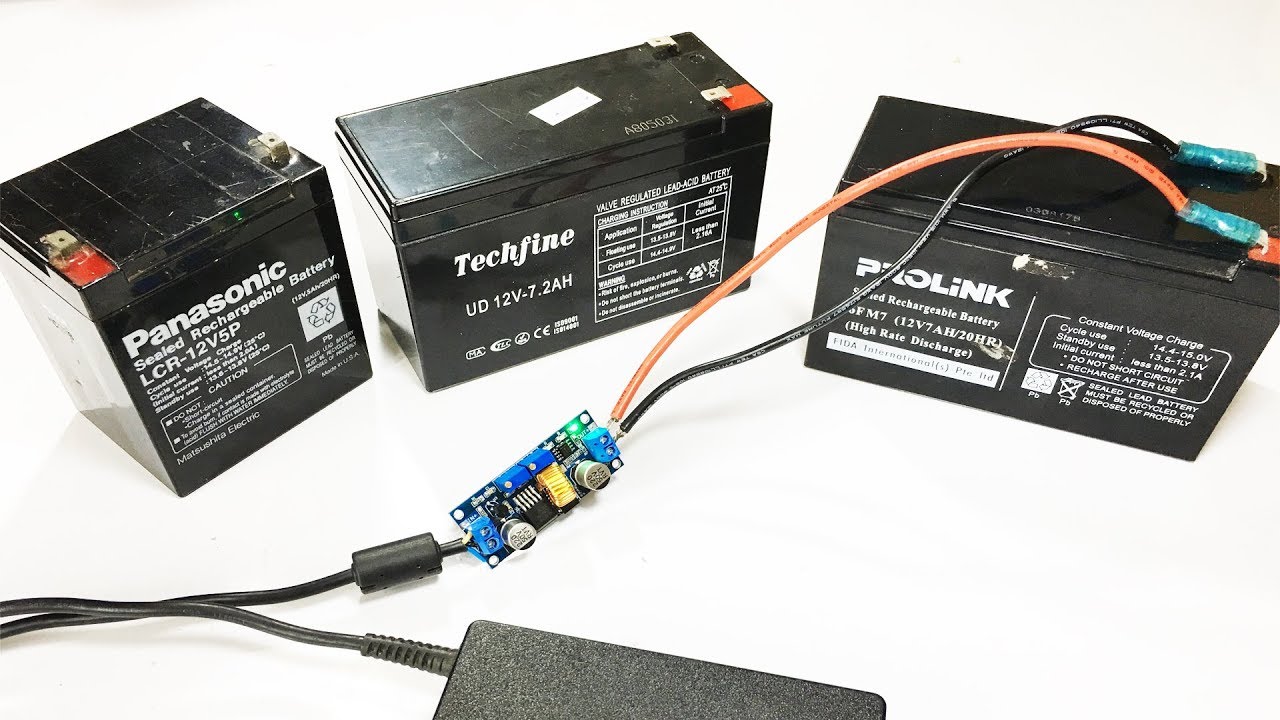
Credit: www.youtube.com
Recycling And Disposal
SLA batteries contain lead and acid, which are hazardous to the environment. Never throw them in the trash.
- Recycle at auto parts stores, recycling centers, or battery dealers.
- Do not open or dismantle the battery.
Proper recycling helps recover the lead for new batteries and prevents pollution.
When To Replace Your Sla Battery
No matter how well you charge and care for your sealed lead acid battery, it will eventually wear out. Signs that it’s time to replace include:
- Can’t hold a charge: Even after full charging, the battery drains quickly.
- Swelling or leaks: Physical damage or bulging case.
- Voltage drops too quickly: Voltage falls below 11V under normal use.
Most SLA batteries last 3–5 years with proper care.
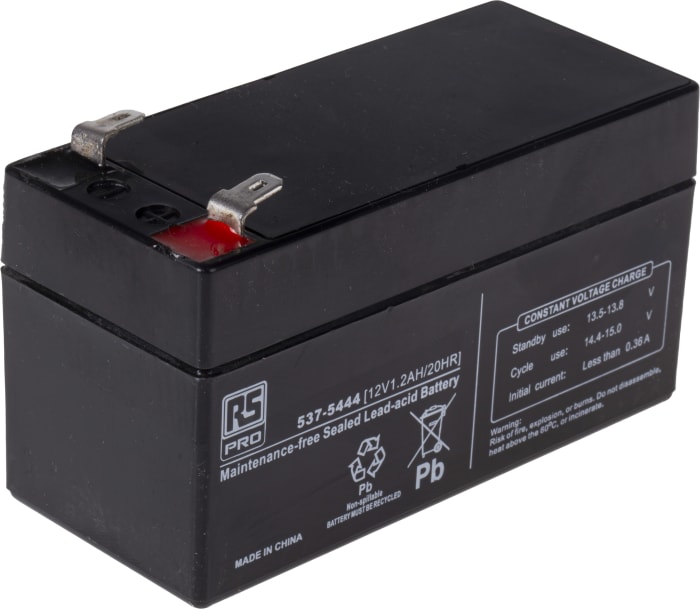
Credit: sa.rsdelivers.com
Wrapping Up
Charging a sealed lead acid rechargeable battery the right way is not hard, but it does require attention to detail. Use the correct charger, follow safe steps, and avoid common mistakes to extend your battery’s life and performance. With proper care, your SLA battery will power your devices reliably for years.
Frequently Asked Questions
What Charger Do I Need For My Sealed Lead Acid Battery?
You need a charger that matches your battery’s voltage (e.g., 6V, 12V) and supplies current at 10–30% of the battery’s Ah rating. Look for chargers labeled for sealed lead acid, AGM, or gel batteries. Smart chargers with auto shut-off are best.
Can I Use A Car Battery Charger For A Sealed Lead Acid Battery?
Most car battery chargers are not safe for small or medium sealed lead acid batteries. They often charge at too high a current and lack automatic shut-off, which can damage or overcharge SLA batteries. Always use a charger designed for SLA batteries.
How Do I Know When My Sla Battery Is Fully Charged?
If you use a smart charger, indicator lights or a display will show when charging is finished. For manual charging, a fully charged 12V SLA battery typically reaches 12.7–13.0V at rest. Overcharging can occur if you leave the charger connected too long.
Is It Safe To Leave An Sla Battery On The Charger?
If your charger has float mode or automatic shut-off, it is safe to leave the battery connected. Basic chargers without these features can overcharge and damage the battery if left on too long. Always monitor charging if your charger is manual.