Do Lithium Batteries Go Bad If Not Used? Storage Facts
You put away a spare lithium battery for emergencies, fully expecting it to work months later. Then the day finally comes—you install it in your device, press the power button, and nothing happens. That’s when people start asking: do lithium batteries go bad if not used, or are they supposed to last forever in storage?
A lot of battery problems don’t come from heavy use at all. I’ve seen perfectly good-looking lithium batteries lose capacity simply because they were stored the wrong way or left sitting too long without attention.
Heat, deep discharge, and even storing them fully charged can quietly shorten their lifespan before they ever power a device again.
This matters whether you’re storing backup batteries for solar systems, power tools, cameras, or emergency equipment. A neglected lithium battery can become unreliable, charge poorly, or in some cases develop safety risks like swelling or overheating. Replacing expensive batteries earlier than expected is frustrating—and avoidable in many situations.
I’ll explain what really happens to lithium batteries during storage, how long they typically last unused, and the simple habits that help keep them healthy for years. You’ll also learn the common storage mistakes that quietly ruin battery performance over time.

Image by harveypoweress
Why Lithium Batteries Degrade Even When Sitting Idle
All batteries experience two main aging types: cycle aging (from charging/discharging) and calendar aging (time-based chemical reactions). Lithium-ion batteries suffer calendar aging even at rest because side reactions continue inside the cells. Electrolyte decomposition, solid electrolyte interphase (SEI) layer growth on the anode, and lithium ion loss drive this process.
Self-discharge happens too. Most quality lithium-ion cells lose 1-5% capacity per month, though this varies with chemistry, temperature, and state of charge (SoC). LiFePO4 (LFP) tends to self-discharge more slowly than some NMC types in practice for stationary use.
If voltage drops too low for too long, copper dissolution or other irreversible damage can occur, making the battery unsafe or unusable. High temperatures accelerate everything — storing at 40°C (104°F) can cut remaining capacity dramatically compared to cool conditions.
In real life, I’ve seen 12V lithium car batteries left on a garage shelf at 100% charge in summer heat lose noticeable capacity in under a year. Conversely, a properly stored LiFePO4 solar bank checked every few months often stays strong for years.
Lithium Battery Types: How They Compare for Storage and Real-World Use
Not all “lithium” batteries behave the same. Understanding the main types helps you choose and maintain the right one.
Lithium-ion (NMC, NCA, etc.): Common in EVs, power tools, and consumer electronics. Higher energy density but more sensitive to heat and full-charge storage. They prefer moderate SoC for long-term storage.
LiFePO4 (LFP): The go-to for solar, marine, RV, and deep-cycle applications. Excellent thermal stability, longer cycle life, and better tolerance for some storage conditions. They handle wider temperature ranges and show strong calendar life when managed right.
Lead-Acid Variants (Flooded, AGM, Gel): Still common in cars and backups. Higher self-discharge (5-15% per month for flooded), need regular charging to avoid sulfation, and shorter overall life. AGM and gel improve on flooded but still trail lithium in longevity and maintenance.
Here’s a practical comparison table based on typical real-world performance:
| Aspect | Flooded Lead-Acid | AGM/Gel | Lithium-ion (NMC) | LiFePO4 |
|---|---|---|---|---|
| Self-Discharge/Month | 5-15% | 2-5% | 1-5% | ~1-3% |
| Optimal Storage SoC | 100% (float) | 100% | 40-60% | 30-60% |
| Calendar Life (est.) | 3-5 years | 5-7 years | 5-10+ years | 8-15+ years |
| Temp Sensitivity | High (sulfation) | Medium | High | Lower |
| Weight (for same kWh) | Heavy | Heavy | Light | Light |
| Maintenance | High (water, charge) | Low | Very Low | Very Low |
| Cost per Cycle | Higher | Medium | Lower | Lowest |
In cars or motorcycles, a lithium starter battery weighs a fraction of lead-acid and cranks harder, but you must store it smarter. In solar setups, LiFePO4 shines because you can use more of the capacity (80-100% DoD vs 50% for lead-acid) without killing lifespan.
How Long Can Lithium Batteries Sit Unused?
Quality lithium cells can last 2-5+ years on the shelf with minimal loss if stored correctly. But “unused” doesn’t mean zero attention. A battery left at 100% in a hot garage might drop to 70-80% health after a couple years. One stored at 50% SoC in a cool basement often retains 90%+ capacity.
Real example: A set of 18650 cells pulled from old laptop packs after 4-5 years of storage. Some still delivered 70-80% original capacity when tested; others were dead because they went into deep discharge.
EV or solar packs with BMS protection fare better, but the BMS itself draws a tiny parasitic load that can eventually drain the pack if ignored.
Best Practices for Storing Lithium Batteries Long-Term
From years of pulling, testing, and reinstalling batteries, here’s what actually works:
Charge to the Right Level — Store at 40-60% SoC for most lithium chemistries. For LiFePO4, 30-50% often works great. Avoid 100% or near 0%. Many modern BMS or chargers have a “storage mode.”
Control Temperature — Ideal range is 10-20°C (50-68°F). Avoid garages that swing from freezing to scorching. Never store in direct sun or near heat sources. Cool (not freezing) is far better than warm.
Disconnect and Isolate — Remove from vehicles or devices if possible. Tape terminals to prevent shorts. Store in fire-safe bags or containers, especially loose cells.
Periodic Checks — Every 3-6 months, check voltage and top up to storage SoC. This prevents deep discharge. In solar systems, set your charge controller for a slight maintenance float if the bank stays idle.
Environment — Dry, moderate humidity (<50-60%). Good ventilation. Keep away from flammable materials.
For car owners: If wintering a vehicle, consider a smart maintainer compatible with lithium (lower voltage profile than lead-acid). Many “universal” maintainers damage lithium by over-volting.
For solar/off-grid: LiFePO4 banks can sit for months with the system off, but enable low SoC alarms or periodic equalization if your inverter allows.
Charging Lithium Batteries the Right Way
Wrong charging is one of the fastest ways to kill any battery, used or unused.
LiFePO4 (12V nominal): Bulk/absorption around 14.2-14.6V. Float ~13.5-13.8V. Never use a lead-acid charger with equalization or high voltage.
NMC Lithium-ion (12V): Similar but check specific pack ratings — often 14.4-14.8V max.
Use CC/CV (constant current/constant voltage) charging. Match current to battery specs (0.2C-0.5C common for long life). Over-current causes heat and stress.
In practice, a good lithium-specific charger or solar controller with lithium profile makes a huge difference. I’ve seen AGM chargers push lead-acid voltages on lithium packs, causing swelling over time.
Step-by-Step: Testing and Reviving a Stored Battery
- Visual Inspection — Look for swelling, leaks, corrosion, or damage. Discard if compromised.
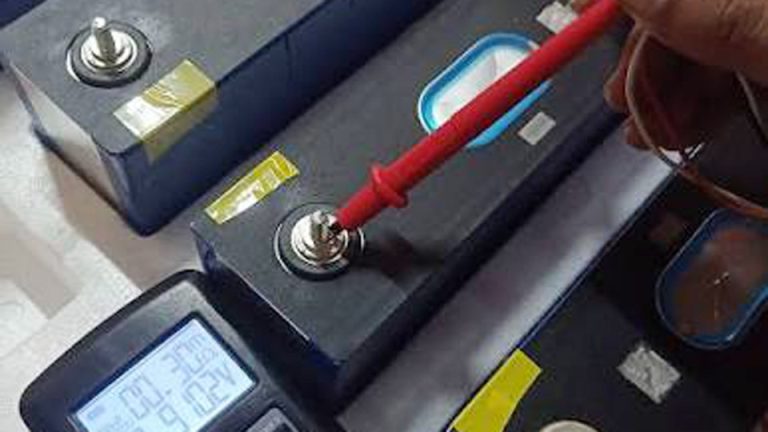
- Voltage Check — Use a multimeter. For 12V LiFePO4, above 12V is usually okay; below 10-11V risks damage.
- Slow Charge — If low, charge at low current (0.1C) and monitor temperature.
- Capacity Test — Use a smart charger or tester to discharge and recharge while measuring Ah. Compare to rated capacity.
- Load Test — For car batteries, simulate cranking or use a carbon pile tester carefully.
- BMS Reset (if applicable) — Some packs need specific procedures after deep discharge.
Common mistake: Throwing a dead pack on a high-amp charger immediately. This stresses weak cells and can trigger protection or worse.
Common Mistakes That Kill Stored Batteries
- Leaving at 100% SoC in heat (accelerates SEI growth).
- Storing fully discharged.
- Using incompatible chargers (lead-acid desulfation modes).
- Ignoring temperature swings.
- Forgetting parasitic drains from connected devices or faulty BMS.
- Mixing old and new cells in a pack.
- Physical damage during storage (stacking heavy items on packs).
Professionals sometimes overlook that even “maintenance-free” lithium needs occasional attention. A customer once brought in a “new” solar lithium bank that sat for 18 months at 100% in a hot shed — several cells swollen and the capacity halved.
Safety Considerations for Unused Lithium Batteries
Lithium fires are rare with proper handling but serious. Swollen cells, punctures, or water exposure increase risks. Store in a cool, dry place away from combustibles. Have a Class D or lithium-specific extinguisher or sand nearby for larger setups. Never store damaged packs indoors.
For EVs or large banks, follow manufacturer guidelines strictly. BMS helps, but it’s not foolproof against abuse.
Real-World Applications and Examples
Cars and Motorcycles: Lithium starter batteries offer cranking power and weight savings. Store the vehicle with a compatible maintainer or disconnect and store the battery at 50% in a cool spot. Many seasonal riders replace lead-acid annually; lithium can last multiple seasons with care.
Solar and Off-Grid: LiFePO4 excels here. A bank can sit through cloudy winters if kept above minimum SoC. Set controllers for lithium profiles and use monitoring apps for remote checks.
Power Tools and Electronics: Remove batteries from tools for long-term storage. Charge to 40-60% and keep in a climate-controlled area. I’ve revived many tool packs this way.
UPS and Backup: Critical systems need regular testing. Calendar aging means a 5-year-old UPS battery may not deliver full runtime even if “unused.”
Troubleshooting Storage-Related Issues
- Won’t Charge: Check BMS protection (deep discharge). Some require a “wake-up” charge at low voltage.
- Reduced Capacity: Likely calendar aging or imbalance. Balance charging or cell-level testing helps.
- Swelling: Overcharge, heat, or age. Stop using and dispose safely.
- High Self-Discharge: Faulty cell or BMS drain. Isolate and test.
Practical Recommendations Summary
- Match charger to chemistry and voltage.
- Prioritize cool, stable storage.
- Check and top up every 3-6 months.
- Invest in quality batteries with good BMS for critical uses.
- Track usage and age — even unused, plan replacement every 8-12 years for lithium in demanding setups.
Key Takeaways for Better Battery Management
You’ve now got the hands-on knowledge to avoid the common pitfalls that sideline lithium batteries. By respecting calendar aging, storing at the right SoC and temperature, using proper chargers, and performing periodic checks, you extend life dramatically compared to “set it and forget it.”
Whether you’re troubleshooting a car that won’t start after storage, optimizing a solar installation, or maintaining a fleet of tools, these practices pay off in reliability and lower replacement costs.
Treat every stored lithium pack like it has a slow timer running — a quick voltage check and top-off takes minutes but prevents the majority of failures I’ve seen over the years.
FAQ
How long can lithium batteries sit unused before going bad?
Typically 2-5 years or more with proper storage at 40-60% SoC in cool conditions. Without care, significant degradation can occur in 6-18 months. Check every few months.
Should I store lithium batteries fully charged?
No. Full charge (especially at higher temperatures) accelerates aging. Store at partial charge for best longevity.
Do LiFePO4 batteries last longer in storage than regular lithium-ion?
Yes, generally. Their chemistry offers better stability and calendar life for stationary or seasonal use, though best practices still apply.
Can a completely dead lithium battery be saved?
Sometimes, with a slow recovery charge, but success drops if left deeply discharged for long. Prevention beats cure.
Is it safe to store lithium batteries in my garage?
It depends on temperature extremes. A well-insulated, non-extreme garage works; hot attics or freezing unheated spaces do not. Use fire-safe practices.