How to Check Lead Acid Battery Is Fully Charged | Voltage Test
Few things are more frustrating than disconnecting a lead-acid battery from the charger, thinking it’s ready to go, only to find it doesn’t have enough power when you need it most.
I’ve seen this happen with car batteries, backup power systems, and even deep-cycle batteries that appeared fully charged but weren’t. That’s why knowing how to check lead acid battery is fully charged is more important than many people realize.
One of the biggest mistakes I come across is relying solely on the charger’s indicator light. A green light doesn’t always mean the battery has reached its full capacity, especially if the battery is old, sulfated, or developing internal problems.
Without checking it properly, you could end up with poor performance, unexpected failures, or a battery that wears out much sooner than it should.
Fortunately, you don’t need expensive diagnostic equipment to determine a battery’s charge level. With a few simple tools and the right testing methods, you can verify whether your battery is truly ready for use and catch potential issues before they leave you stranded.
I’ll walk you through the practical ways I use to check a lead-acid battery’s state of charge, explain what the readings actually mean, and share a few common mistakes that can lead to inaccurate results.

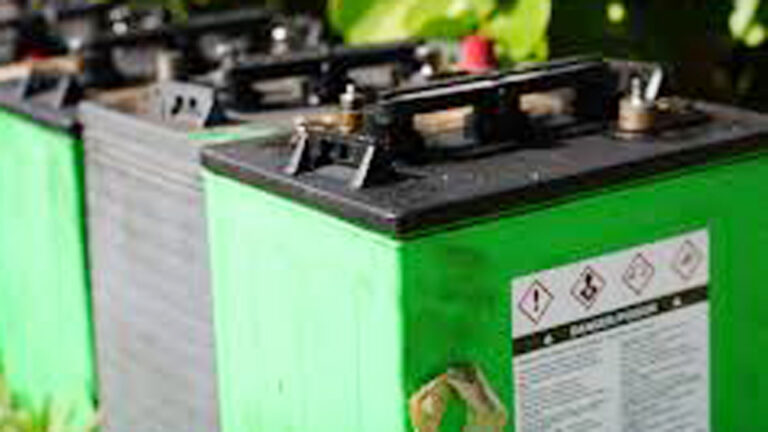
Image by batteryempire
Why Proper Charge Checking Matters in Real Life
Lead-acid batteries power everything from your daily driver to off-grid solar arrays and backup power. A fully charged 12V battery typically rests around 12.6–12.8 volts after a rest period, but many people misread surface charge right off the charger and think it’s good.
Let it sit disconnected for a few hours (ideally overnight), and the true resting voltage tells the story. Below 12.4V and you’re heading into trouble. Chronic undercharging leads to sulfation — those hard lead sulfate crystals that rob capacity and eventually kill the battery.
Overcharging causes gassing, water loss, and plate corrosion. Both shorten lifespan dramatically and raise risks like hydrogen gas buildup or acid spills in flooded types.
I once replaced a bank of four deep-cycle batteries in a solar cabin because the owner relied on the charger’s “full” light without verifying. The system barely lasted two years instead of the five to seven it should have. Checking charge properly prevents that.
Understanding Lead-Acid Battery Types
Before diving into checks, know your battery. Not all lead-acid batteries behave the same.
Flooded Lead-Acid (Wet Cell): Traditional design with liquid electrolyte. Common in cars and some deep-cycle applications. They require maintenance — checking water levels, cleaning terminals. They tolerate overcharging better by venting gas but need distilled water top-ups.
AGM (Absorbent Glass Mat): Electrolyte absorbed in fiberglass mats. Sealed, maintenance-free, vibration-resistant, and better for deep cycling. They charge faster with lower internal resistance but are sensitive to overvoltage. Great for motorcycles, RVs, and solar.
Gel: Electrolyte thickened with silica. Also sealed. Excellent for deep discharge but slower to charge and more sensitive to high voltages. Less common now due to AGM advantages in many uses.
Comparison Table: Lead-Acid Battery Types
| Feature | Flooded | AGM | Gel |
|---|---|---|---|
| Maintenance | High (water, clean) | Low/None | Low/None |
| Vibration Resistance | Moderate | Excellent | Good |
| Deep Cycle Ability | Good | Excellent | Very Good |
| Charge Speed | Moderate | Fast | Slow |
| Cost | Lowest | Higher | Highest |
| Lifespan (typical) | 3-5 years | 4-7+ years | 4-6 years |
| Best For | Cars, budget | Vehicles, solar, RV | Deep cycle, stable |
Lithium-ion (LiFePO4) is increasingly popular for solar and deep-cycle due to longer life and lighter weight, but lead-acid remains king for affordability and compatibility with many legacy systems.
Voltage Ranges and What They Mean
Voltage is your quickest check. Always use a digital multimeter for accuracy.
For a 12V lead-acid battery (6 cells):
- Fully Charged (resting, after 4+ hours): 12.6–12.8V (sometimes up to 12.9V on new AGM).
- 75% Charged: ~12.4V
- 50% Charged: ~12.2V
- 25% Charged: ~12.0V
- Discharged: 11.8V or below — recharge immediately to avoid damage.
Temperature matters. Cold batteries read lower; hot ones higher. Adjust roughly 0.01V per degree F from 77°F (25°C) baseline.
For 6V batteries, halve these numbers. Always check each cell in multi-cell batteries for balance.
Pro Tip from the Garage: Surface charge can fool you. After charging, turn on headlights for 30-60 seconds or let it rest. Then measure.
Step-by-Step: How to Check with a Multimeter
- Safety First: Wear gloves and eye protection. Work in a ventilated area. Disconnect the battery from the system/charger.
- Rest the Battery: Disconnect loads and charger. Wait at least 4-12 hours for surface charge to dissipate.
- Measure Voltage: Set multimeter to DC volts. Probe positive and negative terminals firmly. Note the reading.
- Interpret: Compare to the chart above. If below 12.5V after rest, it needs charging.
- Check Individual Cells (Flooded): Remove caps and test voltage per cell (~2.1V per cell fully charged).
This method works for cars, solar, UPS — anywhere.
Using a Hydrometer for Precise SOC (Flooded Batteries)
For flooded batteries, specific gravity (SG) via hydrometer is the gold standard. It measures electrolyte density — higher acid concentration means more charged.
How to Use a Hydrometer:
- Fully charge and rest the battery.
- Remove vent caps. Squeeze the bulb, insert into a cell, draw electrolyte until the float rises freely.
- Hold vertically at eye level. Read where the liquid meets the scale (bottom of meniscus).
- Fully charged: 1.265–1.280 SG per cell at 77°F.
- Compensate for temperature: Add 0.004 per 10°F above 77°F; subtract below.
- All cells should be within 0.020–0.050 of each other. Big differences mean a bad cell.
Repeat for every cell. Rinse the hydrometer with distilled water afterward.
I prefer hydrometers for deep-cycle flooded banks because voltage alone can miss uneven cells.
Load Testing and Other Diagnostic Tools
Voltage and SG tell state of charge. Load testing reveals health and capacity.
- Carbon Pile or Electronic Load Tester: Applies a high load (half CCA rating) for 15 seconds. Voltage should stay above 9.6V for a healthy 12V battery.
- Battery Analyzer: Modern ones test conductance or impedance for quick health insights.
For solar or UPS, monitor with a shunt or battery monitor (like Victron) for real-time Ah tracking.
Charging Methods and Reaching Full Charge
To check “fully charged,” you must charge properly first.
Stages of Charging:
- Bulk: High current until ~80% (voltage rises to ~14.4V).
- Absorption: Constant voltage, current tapers.
- Float: Maintenance ~13.2–13.8V depending on type.
Use a smart charger matched to your battery type. AGM needs slightly higher voltages than gel, flooded tolerates more.
Correct Voltage Ranges (12V battery at 77°F):
- Flooded: Bulk 14.4–14.8V, Float 13.2–13.8V
- AGM: Bulk 14.6–14.9V, Float 13.6–13.8V
- Gel: Lower, ~14.1–14.4V bulk to avoid damage.
Never exceed manufacturer specs. Overcharging gasses flooded batteries and damages sealed ones.
Real-World Example: In my truck, the alternator puts out 13.8–14.5V while driving — perfect for topping off. For solar, a good MPPT controller handles multi-stage automatically.
Common Charging and Maintenance Mistakes
- Relying on Charger Lights Alone: Many “full” indicators stop at 80-90%. Always verify with voltage/SG.
- Undercharging: Leaves batteries sulfated. Charge fully after every significant use.
- Wrong Charger: Using a car charger on deep-cycle or vice versa.
- Storing Discharged: Sulfation city. Always store fully charged and check monthly.
- Ignoring Temperature: Heat accelerates degradation; cold reduces capacity.
- Overfilling Water (Flooded): Do it after charging. Use distilled only.
- Mixing Old/New Batteries: Causes imbalance.
I’ve seen pros parallel mismatched batteries and wonder why the bank fails early.
Battery Lifespan, Degradation, and Real-World Usage
Expect 3-7 years from lead-acid depending on use. Deep cycling, high temps, and poor maintenance cut it short. Sulfation, plate corrosion, and shedding are main culprits.
Cars/Motorcycles: Starting batteries see shallow cycles. Keep charged via alternator. Test before winter.
Solar/Off-Grid: Deep-cycle flooded or AGM. Aim for 50% max DoD daily. Proper charging extends to 5-10+ years with care.
UPS/Backup: Float charging. Check quarterly. Sealed AGM/gel shine here for no maintenance.
Power Tools: Smaller sealed types. Charge after use.
Maintenance Routine:
- Visual inspection monthly.
- Clean terminals with baking soda solution.
- Tighten connections.
- For flooded: Check water levels.
- Equalization charge periodically for flooded (controlled overcharge to mix electrolyte and remove sulfate).
Store in cool, dry place (50-77°F). Use a maintainer for long-term.
Safety Considerations
Hydrogen gas is explosive — no sparks near charging batteries. Acid burns skin and eyes. Neutralize spills with baking soda. Dispose properly as hazardous waste.
In enclosed spaces like RVs or boats, ventilation is critical.
Troubleshooting Low Charge or Failure
- Won’t Hold Charge: Bad cell, sulfation, or parasitic drain. Test and isolate.
- Slow Cranking: Low charge or high resistance connections.
- Overheating During Charge: Bad charger or internal short.
- Voltage Drops Fast: Test under load.
Replace if capacity is below 70-80% of original.
Choosing the Right Battery and Charger
Match to application. For solar, prioritize deep-cycle Ah rating. Consider total cost of ownership — AGM costs more upfront but lasts longer with less hassle.
Smart chargers with temperature compensation are worth it.
Practical Recommendations Summary
- Invest in a good multimeter and hydrometer.
- Charge fully after use; verify with resting voltage.
- Maintain proper water levels and cleanliness.
- Avoid deep discharges when possible.
- Match chargers to battery chemistry.
Key Takeaways for Better Battery Management
You now know how to accurately determine when a lead-acid battery is fully charged using voltage, specific gravity, and load tests. You understand the differences between flooded, AGM, and gel types, their charging needs, and the costly mistakes that destroy them prematurely.
From weekend mechanics keeping cars reliable to off-grid folks depending on solar storage, these habits directly translate to fewer failures, lower costs, and safer operation.
After any major charge or equalization on a flooded bank, let it rest fully, then measure specific gravity in every single cell and log it. That baseline catches imbalances early — long before voltage alone would alert you — and has saved more battery banks than any other single practice.
FAQ
How long should I charge a lead-acid battery to consider it full?
It depends on discharge depth and charger, but plan for several hours in absorption until current drops below 1% of Ah rating. Always verify with resting voltage or hydrometer, not just time or lights.
What voltage means a 12V lead-acid battery is fully charged?
12.6–12.8V after resting several hours. Higher right off the charger is surface charge.
Can I check charge without disconnecting the battery?
Surface charge and loads interfere. For accuracy, disconnect and rest. In systems, use a battery monitor for ongoing insights.
Why does my battery show full but dies quickly?
Likely sulfation, bad cell, or lost capacity. Load test it. Prevention is regular full charges and avoiding storage below 12.4V.
Is it safe to leave a lead-acid battery on a charger indefinitely?
Only with a proper float/maintenance charger set to the correct voltage for your type. Smart chargers switch automatically and prevent overcharge. Manual chargers — no.