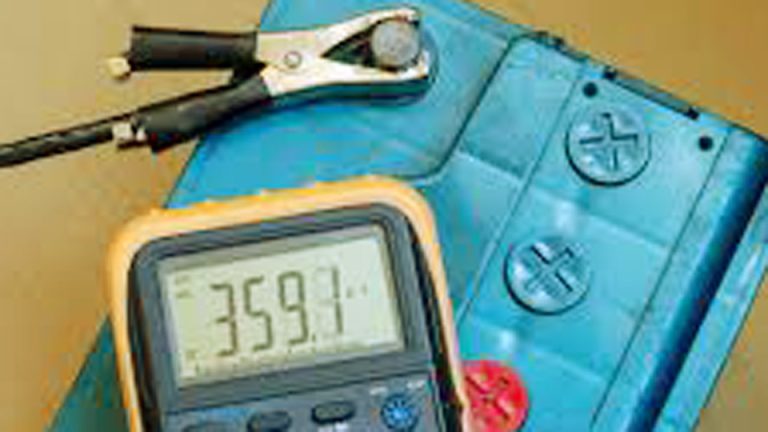
How to Charge Lead Acid Battery With Power Supply Safely
Charging a lead acid battery with a power supply is a practical skill that can save you time and money. Many people think they must use a special battery charger, but a standard DC power supply can do the job if you know the right steps.
This article breaks down the process, showing you how to do it safely and effectively, even if you are not an expert. You will learn about the equipment you need, how to set up your workspace, the steps to charge different types of lead acid batteries, and how to avoid common mistakes.
With clear explanations and real-world examples, you’ll gain the confidence to handle this task yourself.
Understanding Lead Acid Batteries
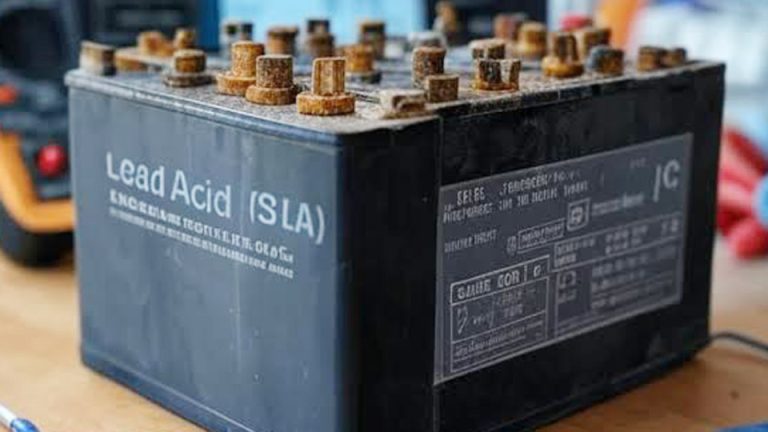
Lead acid batteries are one of the oldest and most widely used rechargeable batteries. You find them in cars, backup power systems, solar setups, and even some uninterruptible power supplies (UPS). Their popularity comes from their reliability, relatively low cost, and ability to deliver high current.
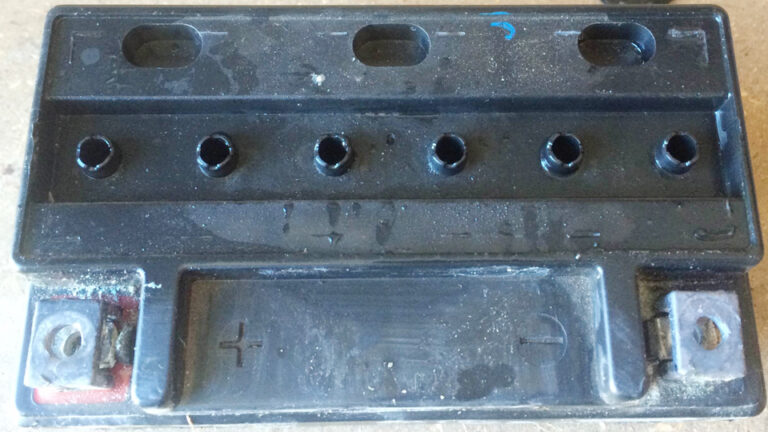
There are two main types: flooded (wet cell) and sealed (VRLA, AGM, Gel Cell). Flooded batteries use liquid electrolyte and often require topping up with distilled water. Sealed batteries are maintenance-free but more sensitive to overcharging.
A typical 12V lead acid battery in a car has six cells, each producing around 2.1 volts. So, a fully charged 12V battery actually measures about 12.6 to 12.8 volts when rested. Understanding the type and voltage of your battery is the first step to safe charging.
Key Characteristics
- Nominal voltage: Usually 2V per cell (6V, 12V, 24V batteries are common)
- Capacity: Measured in ampere-hours (Ah), such as 7Ah, 100Ah, etc.
- Charge acceptance: Lead acid batteries accept charge at different rates depending on state of charge.
Why Power Supplies Work
A DC power supply can replace a standard charger because charging is mainly about providing controlled voltage and current. The main difference is that dedicated chargers have built-in safety features, while with a power supply, you must control parameters manually.
Safety Precautions Before Charging
Charging lead acid batteries can be dangerous if you ignore safety. The batteries contain sulfuric acid and can produce hydrogen gas, which is explosive. Mishandling a power supply can also cause overcharging, battery damage, or even explosions.
Essential Safety Tips
- Work in a well-ventilated area. Charging releases gases, especially with flooded batteries. Never charge in a closed room.
- Wear safety glasses and gloves. Protect yourself from acid splashes and sparks.
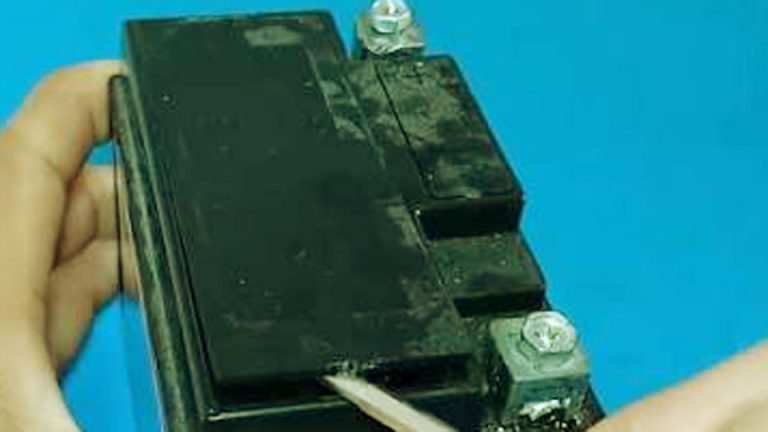
- Check the battery for cracks or leaks. Never charge a damaged battery.
- Keep flames and sparks away. Even a small spark can ignite hydrogen gas.
- Double-check polarity. Connecting positive to negative will cause sparks and damage.
Equipment Checklist
- DC power supply (with adjustable voltage and current)
- Multimeter (for checking voltage and current)
- Insulated wires with alligator clips
- Safety glasses and gloves
- Battery vent caps (for flooded batteries)
- Distilled water (if you need to top up a flooded battery)
Choosing The Right Power Supply
Not every power supply is suitable for charging lead acid batteries. The right supply depends on your battery’s voltage, capacity, and type.
What To Look For
- Adjustable voltage and current: Essential for proper charging control.
- Voltage range: Should match your battery (e.g., 0-15V for 12V batteries).
- Current capability: Should deliver at least 10% of the battery’s Ah rating but not exceed 30%.
- Display meters: Helpful for monitoring during charging.
Below is a comparison of typical power supply features for charging a standard 12V lead acid battery:
| Feature | Minimum Requirement | Recommended |
|---|---|---|
| Voltage Range | 0-15V | 0-20V |
| Current Range | 0-5A | 0-10A |
| Display | Voltage only | Voltage & Current |
| Short Circuit Protection | Optional | Highly Recommended |
Common Mistakes
- Using a fixed-voltage supply with no current limit (risk of overheating)
- Choosing a supply with too low current (charging takes too long)
- Not checking voltage accuracy (some supplies are poorly calibrated)
Setting Up For Charging
Before connecting anything, set up your workspace for safety and convenience.
Preparation Steps
- Place the battery on a non-conductive surface. Wood or plastic is best.
- Remove cell caps (for flooded batteries). This releases gas pressure.
- Check electrolyte level. Top up with distilled water if needed.
- Position the power supply nearby. Ensure cables reach comfortably.
Checking The Battery’s State
Use your multimeter to measure the battery’s voltage. A battery below 11. 8V is deeply discharged. If it’s much lower (e. g. , under 10V), charging will take longer and may need special care.
- Fully charged: 12.6–12.8V
- 50% charged: 12.2V
- Discharged: 12.0V or less

Credit: www.amazon.com
How To Set Power Supply Parameters
The right voltage and current settings are critical for safe, efficient charging. Lead acid batteries use constant current (bulk) and constant voltage (absorption) charging stages.
Bulk Charge (constant Current)
Set the current to 10–20% of the battery’s Ah rating. For a 12V 40Ah battery, use 4A to 8A.
- Start voltage: Set to 14.4V for most 12V batteries.
- Current limit: Set to 10–20% of Ah rating.
Absorption Stage (constant Voltage)
As the battery charges and voltage rises, the current naturally drops. When the voltage reaches 14. 4V, hold this voltage and let current decrease.
- Maintain 14.4V until current drops below 2% of Ah rating (for a 40Ah battery, below 0.8A).
- This typically takes 2–4 hours after bulk charge.
Float Charging
If you want to keep the battery topped up, reduce voltage to 13. 5–13. 8V after charging completes.
- This prevents overcharging and keeps the battery healthy.
Here’s a quick reference for typical 12V battery charging parameters:
| Stage | Voltage (V) | Current (% of Ah) | Duration |
|---|---|---|---|
| Bulk | 14.4 | 10-20% | Until 14.4V reached |
| Absorption | 14.4 | Decreasing | 2-4 hours |
| Float | 13.5-13.8 | Very low | Indefinite |
Non-obvious Insight
Many beginners forget to adjust the voltage down after the main charge. Keeping the battery at 14. 4V for too long will cause water loss (flooded batteries) or damage (sealed batteries).
Step-by-step Charging Process
Let’s go through the process in detail, using a 12V 40Ah flooded battery as an example.
1. Connect Everything Safely
- Turn off the power supply.
- Attach the positive (red) lead to the battery’s positive terminal.
- Attach the negative (black) lead to the battery’s negative terminal.
- Double-check connections.
2. Set Voltage And Current
- Set voltage to 14.4V (or the manufacturer’s recommendation).
- Set current limit to 4A–8A (for a 40Ah battery).
3. Start Charging
- Switch on the power supply.
- Observe the ammeter (current meter). The current should be at the set limit, then gradually decrease.
- The battery will start in the bulk stage, accepting as much current as the supply allows (up to the limit).
4. Monitor Progress
- Monitor battery voltage and temperature every 30–60 minutes.
- The battery should feel only slightly warm. If it gets hot, reduce the current or stop charging.
- When voltage reaches 14.4V and current drops below 0.8A, move to the next step.
5. Switch To Float Charge
- Lower voltage to 13.6V.
- Leave connected if you want to keep the battery fully topped (such as in standby applications).
6. Disconnect Safely
- Turn off the power supply.
- Remove the negative lead first, then the positive.
- Replace cell caps if you removed them.
- Wipe any acid residue with a damp cloth.
Example: Charging A Deeply Discharged Battery
Suppose a 12V 40Ah battery measures only 10. 5V. Start with a lower current (about 2A) for the first hour. Once voltage rises above 12V, increase current as normal. This gentle start reduces stress on the battery and helps recovery.
Non-obvious Insight
Many people forget to check the battery’s temperature during charging. If the battery case feels hot to the touch, stop charging immediately. High temperatures can warp plates and shorten battery life.
Charging Different Types Of Lead Acid Batteries
Not all lead acid batteries are charged the same way. Small sealed (AGM/Gel) batteries need more care than large flooded ones.
Flooded (wet Cell) Batteries
- Can handle higher charge rates.
- Check and top up water regularly.
- More tolerant of overcharging, but still need care.
Sealed Agm And Gel Batteries
- Lower charge currents (5–10% of Ah rating).
- Never open the case or add water.
- Overcharging can cause permanent damage or swelling.
Here’s a comparison of charging parameters for each type:
| Battery Type | Bulk Voltage (V) | Current Limit (% of Ah) | Special Notes |
|---|---|---|---|
| Flooded | 14.4–14.8 | 10–20% | Check water, vent caps open |
| AGM | 14.2–14.4 | 10–15% | Do not overcharge |
| Gel | 13.8–14.1 | 5–10% | Low current, avoid high voltage |
How To Know When Charging Is Complete
A lead acid battery is fully charged when the charging current drops below 2% of the Ah rating at the absorption voltage (e. g. , below 0. 8A for a 40Ah battery at 14. 4V). The battery voltage should stay steady at the set value.
- For flooded batteries, you may also notice gentle bubbling (gassing).
- For sealed batteries, never let the current flow at high rates for long—overcharging shortens battery life.
After charging, let the battery rest for at least one hour before testing voltage. A fully charged 12V battery should show 12. 6–12. 8V.
Common Mistakes And How To Avoid Them
- Overcharging: Leaving the battery at high voltage for too long causes water loss or swelling. Always reduce to float voltage when charging completes.
- Reversed polarity: Double-check connections before switching on the power.
- Ignoring battery type: Use lower voltage and current for sealed types.
- Not monitoring temperature: Batteries should not get hot.
- Charging in a closed room: Always ensure good ventilation.
Troubleshooting Problems
Sometimes charging doesn’t go as planned. Here’s what to do in common situations:
Battery Voltage Won’t Rise
- The battery may be sulfated (plates covered with hard lead sulfate).
- Try charging at a lower current for a longer time.
- If voltage doesn’t reach at least 12V after several hours, the battery may be beyond recovery.
Excessive Gassing Or Bubbling
- Charging voltage is too high.
- Lower voltage immediately.
- For sealed batteries, stop charging if you see swelling.
Charger Shuts Down Or Trips
- The battery may be shorted or the current is set too high.
- Check all connections and reduce current.
Advanced Tips For Longer Battery Life
- Use a timer or voltage-sensing relay to automate stopping.
- Record charging cycles in a logbook.
- Store batteries at full charge in a cool, dry place.
- For seasonal use, recharge every 3–6 months (float charge if possible).
When To Replace Your Battery
Lead acid batteries have a limited lifespan—typically 3–5 years for automotive, up to 10 years for stationary types. Signs of aging include:
- Battery won’t hold charge.
- Voltage drops quickly under load.
- Visible bulging or leaking.
Never try to revive a battery with obvious physical damage. Recycle old batteries at a proper facility.

Credit: www.youtube.com
Environmental And Legal Considerations
Lead acid batteries contain hazardous materials. Always dispose of old batteries according to local laws. Many auto parts stores or recycling centers accept them for free.
Charging in public places or workspaces may be regulated—check rules before setting up.
Final Thoughts
Charging a lead acid battery with a power supply is a useful skill that gives you more control and flexibility than using a standard charger. By understanding your battery’s needs, setting the right voltage and current, and following safety steps, you can keep your batteries healthy and extend their life.
Frequently Asked Questions
What Voltage Should I Set My Power Supply To Charge A 12v Lead Acid Battery?
Set the voltage to 14.4V for most 12V lead acid batteries during the bulk and absorption stages. For sealed AGM or gel types, check the label or datasheet—some require lower voltage (around 14.1V). After charging, reduce to 13.6V for float charging.
How Long Does It Take To Charge A Lead Acid Battery With A Power Supply?
Charging time depends on battery capacity and current. For a 40Ah battery charged at 4A, expect 10–12 hours for a full charge from empty. Higher currents charge faster but should not exceed recommended limits. Always monitor progress to avoid overcharging.
Can I Use Any Dc Power Supply To Charge My Battery?
Not all DC power supplies are suitable. You need an adjustable supply with voltage and current controls. The supply must reach the correct voltage (e.g., 14.4V for a 12V battery) and provide enough current (at least 10% of battery Ah rating). Never use a supply without current limiting.
Is It Safe To Charge Sealed Lead Acid Batteries With A Power Supply?
Yes, but extra care is needed. Use lower charge current (5–10% of Ah rating) and voltage (per manufacturer specs). Never open or add water to sealed batteries. Stop charging if the battery case gets warm or swells.
What Should I Do If My Battery Doesn’t Charge Or Voltage Stays Low?
The battery may be deeply discharged or sulfated. Try charging at a lower current for several hours. If voltage does not rise, the battery may be beyond recovery. Do not keep charging—it can overheat or leak acid. Recycle the battery if necessary.