What Are the Effects of NiMH Batteries on the Environment?
A customer once asked me what to do with a box of old rechargeable batteries that had been sitting in his garage for years. His first thought was to toss them in the household trash, but he hesitated because he wasn’t sure if that was safe.
Questions like that come up more often than you’d think, and they usually lead to a bigger discussion about what are the effects of NiMH batteries on the environment.
After working with rechargeable batteries in everything from power tools to solar backup systems, I’ve learned that battery performance is only part of the story. Every battery has an environmental impact—from the materials used to manufacture it to the way it’s disposed of at the end of its life.
While NiMH batteries are generally considered a greener option than many older battery types, they still have environmental costs that are worth understanding.
Knowing how these batteries affect the environment can help you make smarter purchasing decisions, reduce unnecessary waste, and recycle them responsibly instead of sending them to a landfill. Small choices like these can extend the benefits of rechargeable batteries while minimizing their environmental footprint.
I’ll explain how NiMH batteries impact the environment throughout their life cycle, compare them with other common battery chemistries, and share practical tips for using, storing, and recycling them in the most environmentally responsible way.
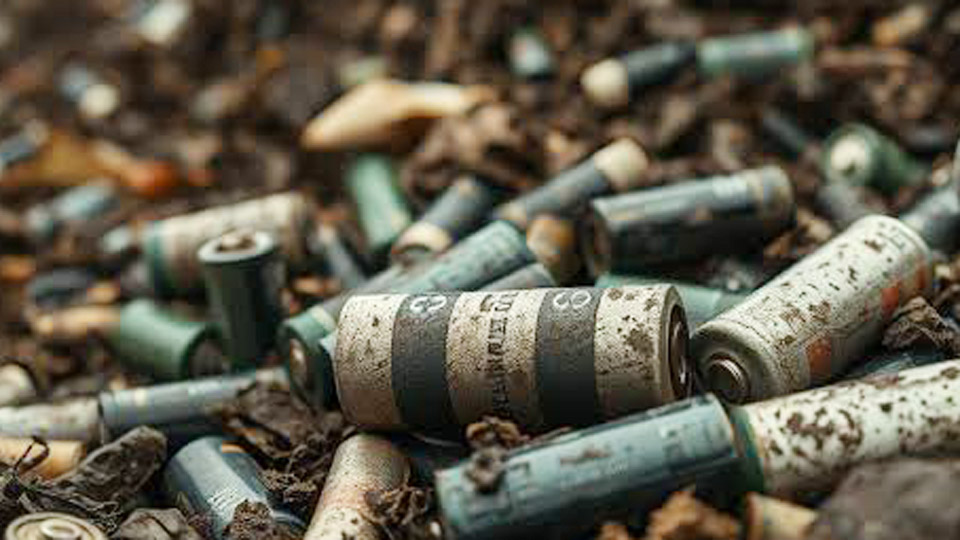
Image by td4ecoglo
How NiMH Batteries Work and Why Their Chemistry Matters for the Planet
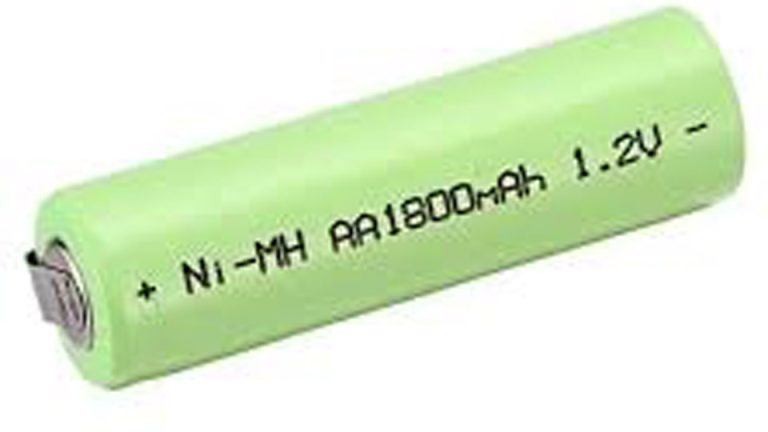
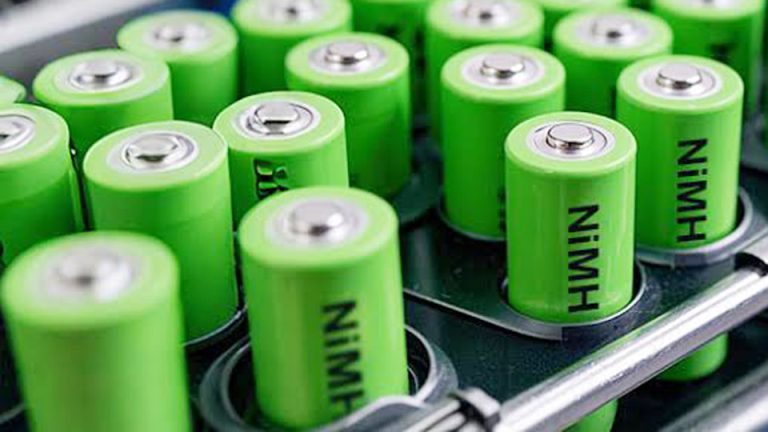
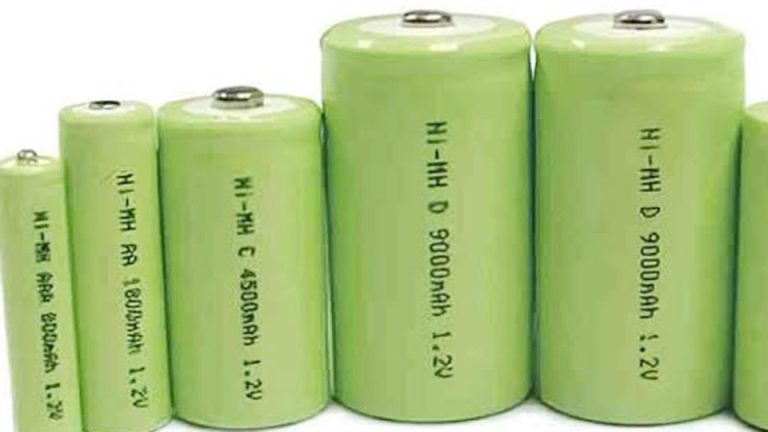
NiMH cells use a nickel hydroxide positive electrode and a metal hydride negative electrode, with an alkaline electrolyte like potassium hydroxide. During discharge, hydrogen ions move between electrodes, generating power without the heavy cadmium found in older NiCd batteries.
This makes them rechargeable hundreds to thousands of times, cutting down on single-use waste compared to alkaline disposables.
The environmental angle starts at mining. Nickel extraction involves open-pit operations that disturb habitats and release sulfur compounds, contributing to acid rain. Rare earth metals in the hydride alloy add to water pollution and energy-intensive refining.
Production itself demands significant electricity and water, releasing CO2 and other emissions. One life-cycle study showed NiMH batteries often have higher global warming potential, human toxicity, and acidification impacts than lithium-ion equivalents, largely due to nickel content.
In real use, though, their rechargeability shines. A set of NiMH AAs in your garage tools can last years, avoiding the constant manufacturing of new primaries. I’ve seen DIY solar setups where NiMH packs store modest energy reliably without the fire risks of lithium, reducing overall waste if managed right.
Production and Raw Material Impacts: The Hidden Upstream Costs
Every NiMH battery starts with digging up nickel, cobalt traces, and rare earths. Mining these creates tailings that can leach into waterways, affecting aquatic life and local communities. Processing refines these into electrode materials, consuming fossil fuels and generating waste heat and chemicals.
Compared to lithium-ion, NiMH production can have a heavier footprint in certain categories like marine ecotoxicity because of nickel’s properties. However, they skip some of lithium’s water-intensive brine extraction in arid regions.
In my work with hybrid vehicle packs, I’ve noticed that scaling production for mass-market hybrids amplified these mining demands in the early 2000s.
Practical takeaway: When buying new NiMH packs for power tools or camera gear, look for manufacturers with better sourcing transparency. It’s not perfect, but it pressures the industry toward cleaner methods.
Usage Phase: Lower Operational Impact Than Many Realize
Once installed, NiMH batteries perform cleanly during use. They don’t emit gases under normal conditions, and their efficiency in hybrids helps reduce tailpipe emissions from gasoline vehicles. A well-maintained NiMH pack in a Toyota Prius, for example, can deliver solid service for 100,000+ miles, offsetting manufacturing impacts through fuel savings and lower CO2 output.
Common mistake I see: Overcharging or mixing old and new cells, which shortens life and leads to premature replacement. Proper chargers with trickle or smart shutoff prevent this, extending cycles and reducing replacement frequency.
In solar storage or UPS systems, NiMH handles moderate depths of discharge without dramatic degradation, making them practical for homeowners avoiding lithium’s higher upfront environmental mining costs.
End-of-Life Challenges: Disposal, Leakage, and Landfill Risks
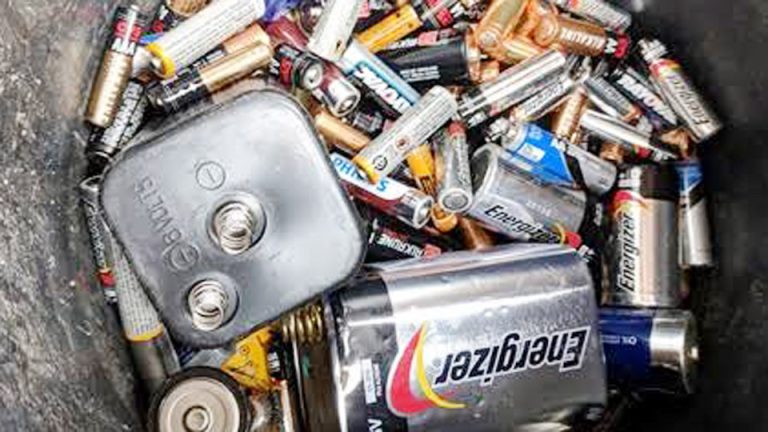
This is where things get messy for many users. Tossing NiMH batteries in regular trash risks casings degrading and metals leaching nickel and other compounds into soil and groundwater. Unlike lithium, they’re less prone to thermal runaway, but landfilled batteries still contribute to long-term contamination.
I’ve pulled swollen, leaking NiMH modules from old cordless tools—electrolyte can irritate skin and harm plants if it escapes. Incineration releases toxic fumes. Recycling rates vary, but when done right, facilities recover nickel and other materials, cutting the need for virgin mining and saving energy.
Real-world failure: A customer brought in a drawer full of dead AA rechargeables. Instead of recycling, they’d been bagged for trash. That small habit, multiplied across households, adds up to unnecessary habitat loss from new mining.
Recycling NiMH Batteries: The Best Path Forward
Recycling NiMH is well-established compared to early days. Processes recover nickel, steel, and plastics through hydrometallurgical or pyrometallurgical methods. Recovered materials go back into new batteries or stainless steel, closing the loop and reducing environmental burdens.
In practice, drop them at electronics stores, auto parts retailers, or municipal hazardous waste events. Some programs pay for larger hybrid packs. I always tell folks: A quick search for “battery recycling near me” turns up options—don’t let convenience lead to landfill.
Compared to lithium-ion, NiMH recycling is often simpler and less energy-intensive for certain fractions, though both benefit hugely from proper handling.
NiMH vs. Other Battery Types: Environmental Comparison Table
Here’s a grounded comparison based on hands-on experience and life-cycle data for common applications like vehicles, solar, tools, and electronics:
| Battery Type | Key Materials | Mining/Production Impact | Usage Phase Emissions | End-of-Life Risks | Overall Environmental Footprint |
|---|---|---|---|---|---|
| NiMH | Nickel, metal hydride | Moderate-high (nickel mining pollution) | Low | Leaching if landfilled; good recycling | Moderate; better than NiCd |
| Lithium-Ion | Lithium, cobalt, nickel | High (water use, habitat loss) | Very low | Fire risk, complex recycling | Variable; often lower long-term |
| Lead-Acid | Lead, sulfuric acid | High toxicity from lead | Low | Severe leaching and toxicity | High; avoid where possible |
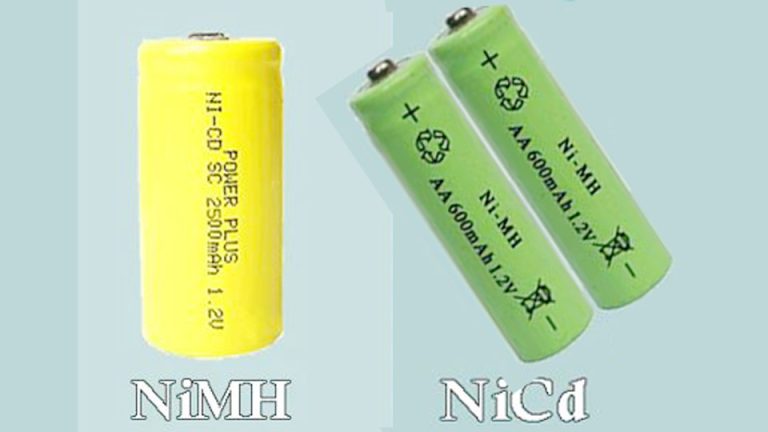
| NiCd | Nickel, cadmium | High cadmium toxicity | Low | Extremely hazardous | Worst; largely phased out |
NiMH strikes a middle ground—safer than NiCd or lead-acid for disposal but not as efficient in energy density as lithium, which can mean more frequent replacements in high-drain uses.
Practical Applications and Real-World Examples
Hybrid Cars and Motorcycles: NiMH packs powered early hybrids effectively. Proper thermal management prevents degradation. I’ve refurbished modules by replacing weak cells, extending life and avoiding full-pack environmental costs.
Solar and Off-Grid Systems: For small setups, NiMH offers reliable storage without lithium’s cold-weather sensitivities. Charge controllers matched to voltage (typically 1.2V per cell) prevent overcharge. One off-grid cabin I helped wire used NiMH for lighting—low maintenance and recyclable at end-of-life.
Power Tools and Electronics: Cordless drills love NiMH for safety and consistent power. Avoid leaving on chargers constantly; it causes heat buildup and reduces cycles.
UPS and Backup: In small systems, they provide outage protection without the fire concerns of lithium.
Common Mistakes That Amplify Environmental Harm
Beginners often over-discharge packs, killing capacity early. Pros sometimes ignore temperature—extreme heat swells cells and leaks electrolyte. Storage errors like leaving discharged for months accelerate failure. Always store at partial charge in cool, dry spots.
Charging with the wrong voltage or cheap unregulated chargers causes gassing and reduced life. Use manufacturer-recommended smart chargers.
Safety and Maintenance Tips to Minimize Impact
- Test packs with a multimeter or capacity analyzer regularly.
- Recycle promptly—don’t hoard dead cells.
- For larger systems, balance cells to maximize lifespan.
- Avoid mixing chemistries in devices.
These steps keep batteries working longer, reducing overall demand and waste.
Choosing and Handling Batteries Responsibly
Match the chemistry to the job: NiMH for moderate power, safe rechargeables; lithium for high density where weight matters. Check local recycling rules—many states have battery laws.
In solar or EV contexts, think lifecycle: A slightly higher upfront impact can pay off with thousands of cycles.
Wrapping Up
After years swapping batteries in everything from forklifts to home backups, I’ve learned that no chemistry is perfect, but informed choices cut harm dramatically. NiMH batteries offer a practical balance—rechargeable, relatively safe, and recyclable—when you handle them right.
Their effects on the environment stem mostly from mining and poor disposal, not daily use. By recycling, maintaining properly, and pairing with efficient chargers, you shrink that footprint significantly.
One pro-level tip I give every technician: When a hybrid pack starts failing, capacity-test individual modules before full replacement. Often, swapping just a few weak cells revives the pack, saving resources and money while keeping more material in use instead of the recycling stream or worse.
FAQ
Are NiMH batteries better for the environment than lithium-ion?
It depends on the full lifecycle. NiMH often have higher production impacts from nickel but are easier to recycle and lack some lithium mining issues. For shorter-cycle uses, they can be preferable; lithium wins in high-efficiency, long-life applications when recycled well.
What happens if I throw NiMH batteries in the trash?
Metals can leach into soil and groundwater as casings break down, contributing to pollution. Always recycle to recover materials and prevent contamination.
How do I recycle NiMH batteries safely?
Take them to retail drop-off points, auto shops, or hazardous waste facilities. For larger packs like hybrids, contact specialized recyclers—many accept them free or for a small fee.
Do NiMH batteries contain toxic materials?
They contain nickel and other metals that are semi-toxic if released, but no cadmium like older types. Proper recycling minimizes risks; improper disposal creates hazards.
Can reusing or refurbishing NiMH batteries reduce environmental impact?
Absolutely. Extending life through cell balancing or module replacement cuts manufacturing demand and waste. It’s a hands-on way to make a difference in your garage or workshop.