How to Check NiMH Battery Condition | Capacity Test
A rechargeable battery that worked perfectly last week suddenly refuses to hold a charge. Maybe it’s in your cordless drill, camera, RC car, or garden light, and now you’re left wondering whether the battery is worn out or if the charger is to blame.
Situations like these are why so many people search for how to check NiMH battery condition before spending money on a replacement.
I’ve tested hundreds of rechargeable batteries over the years, and I’ve learned that poor performance doesn’t always mean a NiMH battery has reached the end of its life.
Sometimes it’s a weak cell, an incomplete charge, or a simple issue that’s easy to identify with the right approach. Without checking the battery properly, it’s easy to misdiagnose the problem and replace a battery that still has plenty of usable life.
Knowing how to evaluate a NiMH battery can save you time, money, and frustration. It also helps you avoid unexpected power loss, improve battery performance, and decide whether a battery can be restored or should be recycled.
I’ll show you the practical methods I use to check NiMH battery condition, explain what the test results actually mean, and share a few troubleshooting tips that can help you get the most out of your rechargeable batteries.
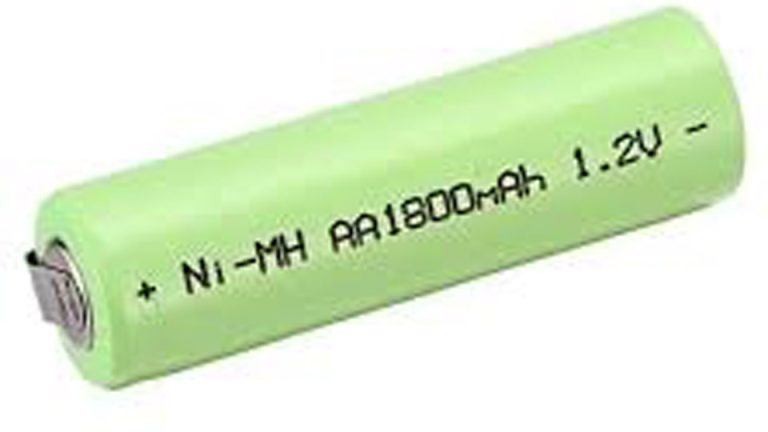
Image by nbcell
Why Checking NiMH Battery Condition Matters in Real Life
NiMH cells degrade over time through repeated charge cycles, heat exposure, and improper storage. A fresh AA NiMH might deliver 2000-3000 mAh, but after a couple years of heavy use, you might see half that capacity. This leads to shorter runtimes, unexpected failures in devices, and higher long-term costs.
In cars or motorcycles, weak NiMH packs in key fobs or accessories drain quickly. Solar system users notice reduced backup power in off-grid setups. Power tools lose torque mid-job.
The flat voltage profile—holding around 1.2V for most of the discharge—hides problems until it’s too late. Checking condition regularly helps you catch issues early, extend usable life, and stay safe from over-discharged cells that can leak or vent.
Understanding NiMH Battery Basics Before Testing
NiMH stands for Nickel-Metal Hydride. These rechargeable cells use a nickel hydroxide positive electrode and a metal hydride negative one, with potassium hydroxide electrolyte. Nominal voltage per cell is 1.2V, with a fully charged open-circuit voltage often around 1.3-1.4V.
Compared to older NiCd, NiMH offers higher capacity and less memory effect, but they self-discharge at about 1-2% per day at room temperature—much faster than lithium. High-drain versions suit RC vehicles or cameras, while standard ones work for low-power devices.
Capacity is measured in mAh (milliamp-hours). A good test shows how much energy the battery actually delivers under load versus its rated spec. Internal resistance also rises with age, causing voltage sag under heavy draw.
Step-by-Step: How to Check NiMH Battery Condition with Basic Tools
Start simple before investing in specialized gear. Grab a digital multimeter, which every DIYer should have anyway.
Voltage Testing for Quick Assessment
Measure open-circuit voltage after resting the cell for a few hours post-charge. A healthy NiMH at full charge reads 1.35-1.45V. Below 1.2V resting often means it’s partially discharged or weak. Under a small load (say 100-200mA for AA), voltage should stay near 1.2V for most of the usable capacity. Sharp drops signal trouble.
In practice, I charge a suspect cell overnight with a smart charger, let it rest, then check. If it won’t reach 1.3V+, it’s likely degraded.
Capacity Testing – The Gold Standard
This tells the real story. Use a dedicated battery analyzer like the Opus BT-C3100 or similar. Fully charge the cell, then run a discharge test at a standard rate (0.5C or 1A for AA). Note the mAh delivered until voltage hits 1.0V cutoff. Compare to the rated capacity.
I’ve tested old packs where “2500 mAh” cells only delivered 800-1200 mAh after years of use. That’s the point where replacement makes sense.
Internal Resistance Check
Higher resistance means poorer performance. Some analyzers measure this directly. A healthy AA NiMH often shows under 50 milliohms when charged; much higher indicates aging plates or electrolyte issues.
Load it briefly and watch voltage drop. Excessive sag under moderate current points to problems.
Advanced Diagnostic Methods for Professionals
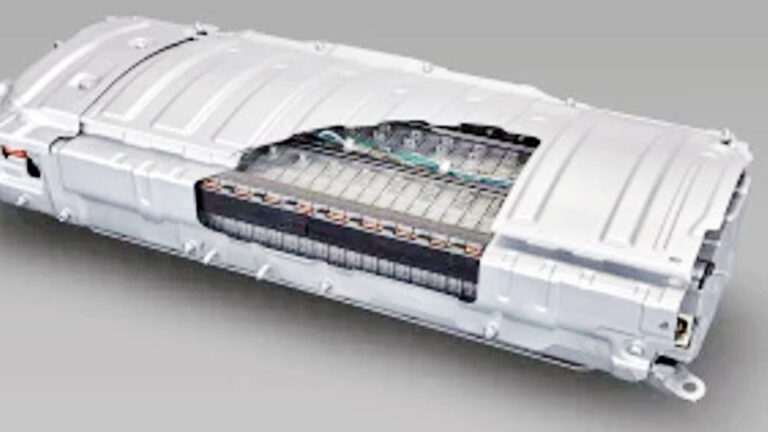
For hybrid vehicle modules or larger packs, capacity testing combined with IR measurement is key. The flat discharge curve makes voltage alone unreliable for state of charge (SOC). True state of health (SOH) comes from full cycle testing.
In solar or UPS setups, monitor packs under real load over time. Track total amp-hours delivered in a discharge cycle.
Comparing NiMH to Other Battery Types
Understanding NiMH in context helps decide when to stick with them or switch.
Battery Type Comparison Table
| Type | Nominal Voltage | Capacity Example (AA) | Self-Discharge | Lifespan (Cycles) | Best Applications | Drawbacks |
|---|---|---|---|---|---|---|
| NiMH | 1.2V | 2000-3000 mAh | High (1-2%/day) | 500-1000 | Household devices, RC, hybrids | Self-discharge, heat sensitive |
| NiCd | 1.2V | 600-1500 mAh | Moderate | 1000+ | High-drain power tools (legacy) | Memory effect, toxic |
| Alkaline | 1.5V | 2000-3000 mAh | Very Low | Single use | Low-drain remotes | Not rechargeable |
| Lithium-Ion | 3.6-3.7V | 2000-3500 mAh equiv. | Very Low | 500-2000+ | High-performance electronics | Higher cost, protection needed |
NiMH strikes a balance for cost and rechargeability in mid-range uses, but lithium wins for low-maintenance scenarios.
Common Charging Methods and How They Affect Condition
Smart chargers with delta-V detection (looking for a small voltage drop at full charge) are essential. NiMH peak at around 1.4-1.5V per cell before a slight drop signals full.
Avoid cheap trickle chargers that overcharge and cook cells. In my experience, mismatched chargers cause the most premature failures. Use 0.5C to 1C rates for charging—faster for high-drain cells, slower for longevity.
For storage, avoid full charge or complete discharge long-term. A 40-60% state works best to minimize stress.
Real-World Usage Examples Across Applications
In cars and motorcycles, NiMH powers keyless entry or backup systems. Weak cells cause intermittent failures—test them individually in multi-cell packs.
Solar and off-grid homeowners use NiMH in smaller sensor or lighting setups. Self-discharge means checking packs monthly if not in daily use.
UPS and backup systems benefit from periodic full discharge/recharge cycles to calibrate capacity.
Power tools and electronics see heavy abuse. High-drain NiMH hold up better than standard ones, but test after drops or heat exposure.
Practical Maintenance Routines to Preserve Condition
- Charge promptly after use.
- Store in cool, dry conditions (avoid freezing or above 77°F/25°C).
- Perform a refresh cycle (full discharge then charge) every few months on stored packs.
- Match cells by capacity and age in multi-cell devices.
- Clean contacts to reduce resistance.
Beginners often leave batteries in chargers indefinitely or mix old and new cells—both accelerate failure.
Troubleshooting Poor NiMH Battery Performance
Rapid Self-Discharge: Heat or old age. Test capacity and replace if under 70% rated.
Won’t Hold Charge: Check for physical damage or use a proper charger. Over-discharged cells below 1V per cell risk reversal in packs.
Voltage Sag Under Load: High internal resistance. Common in abused tool batteries.
Overheating During Charge: Faulty charger or damaged cell. Stop immediately.
I’ve fixed many “dead” packs simply by identifying and removing the one weak cell dragging the group down.
Safety Considerations When Handling and Testing NiMH
Though less volatile than lithium, NiMH can leak potassium hydroxide if over-discharged or damaged—irritating to skin and eyes. Work in ventilated areas, wear gloves, and neutralize leaks with vinegar or baking soda.
Never short-circuit cells intentionally. Use proper analyzers with cutoff protection. Dispose of dead cells at recycling centers—don’t toss in trash.
Choosing the Right NiMH Batteries and When to Upgrade
Look for low-self-discharge (LSD) versions like Eneloop for devices that sit idle. Match voltage and capacity precisely in packs.
For high-cycle needs or low maintenance, consider lithium alternatives where compatible. But NiMH remains king for many 1.2V applications due to simplicity and cost.
Final Thoughts from the Workshop
After testing thousands of cells across cars, solar arrays, tools, and gadgets, one thing stands clear: regular checks on NiMH condition prevent most headaches. You’ve now got the practical steps for voltage, capacity, and resistance testing, plus the context of how these batteries behave in real scenarios compared to lead-acid, AGM, gel, or lithium options.
Proper charging, storage, and avoiding common pitfalls like over-trickle or mismatched packs will keep your devices running longer and safer.
Always capacity-test a full set after any major use or storage period, and replace the entire pack if more than one cell falls below 80% of rated mAh. Mixing weakens the whole system faster than anything else.
FAQ
How do I know if my NiMH batteries are bad?
Run a capacity test. If they deliver significantly less than rated mAh (under 70-80%), or show high voltage sag under load despite charging, replace them. Rapid self-discharge is another clear sign.
What voltage should a fully charged NiMH battery read?
Open-circuit resting voltage around 1.35-1.45V per cell. Under light load, expect a steady 1.2V plateau for most of the discharge.
Can you restore old NiMH batteries?
Sometimes a few deep discharge/charge cycles help mild cases, but severely degraded cells won’t recover meaningful capacity. Prevention through proper care works far better than cures.
How often should I check NiMH battery condition?
Every 3-6 months for stored or frequently used packs, or whenever runtime drops noticeably. In critical applications like backups, test monthly.
What’s the difference between checking NiMH vs lithium battery condition?
NiMH needs capacity analyzers due to flat voltage curves, while lithium relies more on voltage and BMS data. NiMH also demands attention to self-discharge that lithium largely ignores.