How to Dispose NiMH Batteries Safely Without Mistakes
Every day, people use devices powered by rechargeable batteries. From cameras to cordless phones and power tools, Nickel-Metal Hydride (NiMH) batteries have become a trusted source of portable energy. But what happens when these batteries no longer hold a charge? Many simply toss them in the trash.
However, improper disposal of NiMH batteries can harm the environment and even break the law in some areas. Understanding the correct way to dispose of NiMH batteries helps protect your health, the planet, and keeps you on the right side of regulations.
Let’s explore how to dispose of NiMH batteries safely, why it matters, what happens if you do it wrong, and practical steps you can take. Whether you have a single battery or a box full, this guide will show you exactly what to do, where to go, and what to avoid.
What Are Nimh Batteries?
NiMH batteries are rechargeable batteries that use nickel oxide hydroxide and a hydrogen-absorbing alloy as electrodes. They became popular in the 1990s as a safer and more environmentally friendly alternative to nickel-cadmium (NiCd) batteries. You’ll find NiMH batteries in:
- Digital cameras
- Cordless phones
- Power tools
- Toys
- Hybrid vehicles
They are favored because they have a higher capacity than NiCd batteries and don’t contain toxic cadmium. However, that does not mean they are entirely harmless. Each NiMH battery still contains metals and chemicals that can harm the environment if not disposed of properly.
Why Proper Disposal Is Important
Many people believe that since NiMH batteries don’t have lead or cadmium, they are safe to throw away. This is a mistake. Here’s why proper disposal is crucial:
1. Environmental Protection
NiMH batteries contain nickel and other metals. If they end up in landfills, rainwater can cause these metals to leach into soil and groundwater, polluting ecosystems and drinking water sources.
2. Resource Recovery
Batteries contain valuable metals that can be recycled and reused. Recovering nickel and other materials from old batteries reduces the need for new mining, which can be destructive to the environment.
3. Legal Requirements
Many countries and US states ban or restrict battery disposal in regular trash. Fines for improper disposal can be significant.
4. Fire Hazard
Damaged or improperly stored batteries can short-circuit and start fires, especially at waste processing facilities.
What Happens If You Throw Nimh Batteries In The Trash?
It’s easy to ignore the risks of tossing a dead battery in the garbage, but the consequences are real:
- Heavy Metal Pollution: Nickel and other metals can seep into the ground, harming plants and animals.
- Toxic Chemical Release: Some chemicals in NiMH batteries can break down and release harmful substances.
- Fire Risk: Batteries may spark, causing fires in garbage trucks or landfills.
- Lost Materials: Valuable metals are wasted instead of being recovered and reused.
- Legal Trouble: In some places, improper disposal can result in fines.
How To Identify Nimh Batteries
Before you dispose of a battery, confirm that it is a NiMH type. Most batteries are marked with their chemistry. Look for:
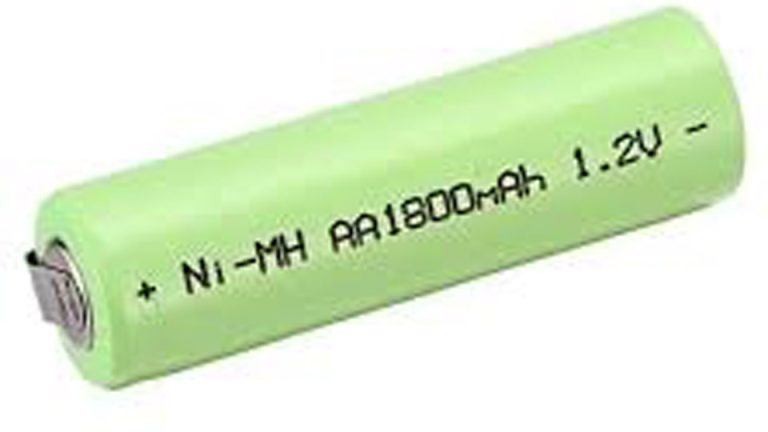
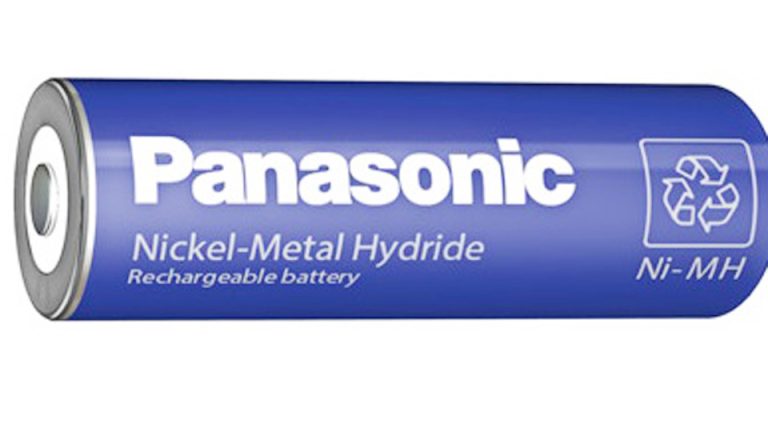
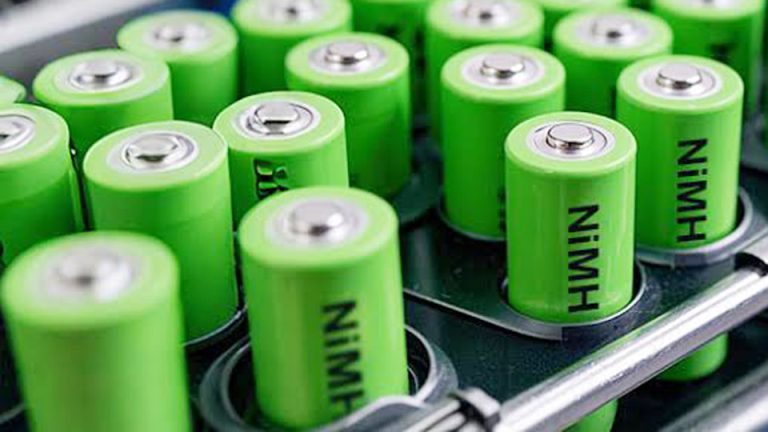
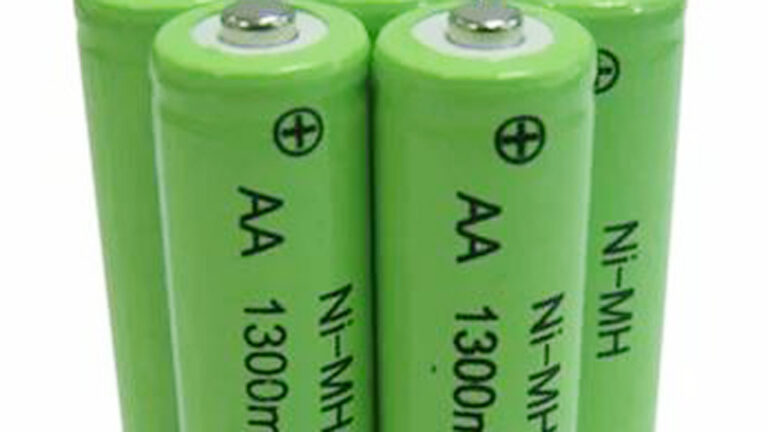
- The label “NiMH” or “Nickel-Metal Hydride” printed on the battery.
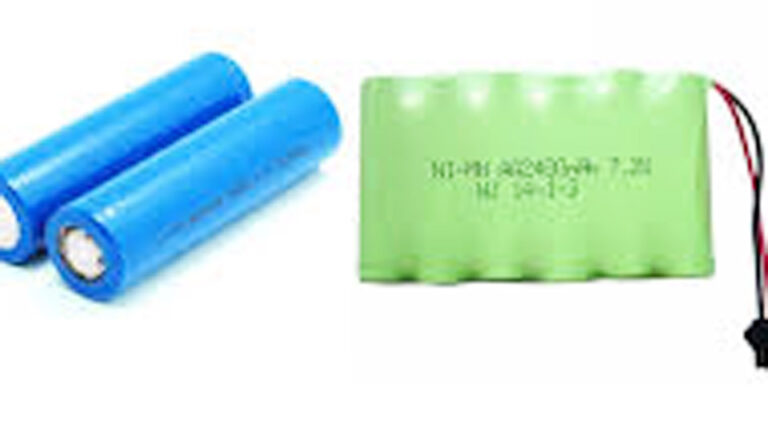
- Typical sizes: AA, AAA, C, D, 9V, and custom packs for devices.
- Often colored green or black, but color is not a guarantee.
If the battery is unmarked, check the device’s manual or contact the manufacturer to confirm the battery type.
Step-by-step Guide: How To Dispose Nimh Batteries
Disposing of NiMH batteries requires a few clear steps to ensure safety and compliance. Here’s what you should do:
1. Remove Batteries Safely
- Turn off the device and, if possible, unplug it.
- Use care when removing batteries to avoid punctures or damage.
- For battery packs (like those in power tools), follow manufacturer instructions for removal.
2. Store Batteries Properly Before Disposal
- Place used NiMH batteries in a dry, cool place away from heat or flame.
- Store batteries in a non-metal container (plastic or cardboard box).
- If you have several batteries, tape the terminals with non-conductive tape to prevent short-circuits.
3. Find A Recycling Location
Most places have dedicated facilities or drop-off points for battery recycling. Use these resources to find a location near you:
- Retailers: Many stores (like Best Buy, Home Depot, Lowe’s, Staples) have battery recycling bins.
- Local Government Facilities: City or county recycling centers often accept batteries.
- Mail-In Programs: Some companies offer prepaid boxes to send in used batteries.
- Special Collection Events: Some communities have events for collecting household hazardous waste.
4. Drop Off Batteries
- Take the batteries to the chosen recycling center or drop-off point.
- Follow all posted instructions for depositing batteries.
- Never mix batteries with regular recycling or household trash.
5. For Large Quantities Or Businesses
- If you have a large number (over 10 lbs) of batteries, contact the recycling center in advance.
- Businesses may need to follow special procedures or register as a hazardous waste generator.
6. Document Your Disposal (optional)
- Keep a record of your battery disposal, especially for businesses or organizations.
- Some recycling centers provide receipts or certificates.
Where Can You Recycle Nimh Batteries?
Here is a comparison of some common options for recycling NiMH batteries:
| Location Type | Who Can Use | Cost | Accepted Battery Types | Notes |
|---|---|---|---|---|
| Retail Store Drop-Off | Public | Usually Free | NiMH, NiCd, Li-ion, Alkaline | Convenient; check with store for limits |
| Municipal Recycling Center | Residents | Free or Small Fee | All household batteries | May have specific hours |
| Mail-In Program | Anyone | Prepaid or paid by sender | Most battery types | Good for remote areas |
| Hazardous Waste Event | Residents | Free | All hazardous items | Held periodically |

Credit: www.youtube.com
What Happens To Nimh Batteries After Recycling?
When you recycle a NiMH battery, it goes through several steps to recover valuable materials and dispose of waste safely. Here’s what typically happens:
- Collection and Sorting: Batteries are collected and sorted by chemistry.
- Mechanical Processing: The batteries are crushed or shredded in machines.
- Material Separation: Metals (nickel, steel) are separated using magnets or other methods.
- Chemical Treatment: Some facilities use chemical baths to extract metals.
- Reuse: Recovered nickel and other metals are sold to manufacturers to make new batteries or products.
- Safe Disposal: Any remaining waste is disposed of safely according to regulations.
Environmental Impact Of Nimh Battery Recycling
Proper recycling of NiMH batteries has a big environmental benefit:
- Reduces mining: Recycling nickel and other metals means less need to dig new mines.
- Saves energy: Making batteries from recycled materials uses less energy than using raw materials.
- Prevents pollution: Keeps harmful metals out of soil and water.
A 2018 study found that recycling one ton of NiMH batteries can recover up to 200 kg of nickel and 50 kg of other metals. This not only reduces pollution but also supports the circular economy.
Common Mistakes To Avoid
Even with the best intentions, people sometimes make mistakes when disposing of NiMH batteries. Here are errors to watch out for:
1. Throwing Batteries In The Trash
This is the most common and serious mistake. Never put NiMH batteries in regular garbage.
2. Mixing Battery Types
Different batteries need different recycling methods. Mixing them can cause safety issues.
3. Damaging Batteries
Crushing, puncturing, or burning batteries is dangerous. Always handle with care.
4. Storing Batteries Incorrectly
Keep used batteries in a cool, dry place, away from metal and moisture.
5. Ignoring Local Rules
Each city or state may have its own rules. Always check local guidelines before disposal.
How Nimh Batteries Compare To Other Battery Types
Understanding how NiMH batteries differ from other types can help you choose the right disposal method. Here’s a quick comparison:
| Battery Type | Common Uses | Toxic Metals | Recyclable? | Disposal Rules |
|---|---|---|---|---|
| NiMH | Electronics, toys, tools | Nickel | Yes | Recycle only |
| NiCd | Older devices, power tools | Cadmium (highly toxic) | Yes | Must recycle; illegal to landfill |
| Lithium-ion | Phones, laptops | No heavy metals | Yes | Recycle; fire risk |
| Alkaline | Remotes, clocks | Small amounts | Some areas | Trash or recycle |
| Lead-acid | Cars, UPS | Lead (toxic) | Yes | Recycle only |
Legal Regulations For Nimh Battery Disposal
Laws about battery disposal vary by country and even by state or city. Here’s what you should know:
- United States: Some states (like California and New York) ban all household batteries from landfills. Others only ban rechargeable types. The federal Battery Act requires recycling of rechargeable batteries, including NiMH.
- Europe: The EU Battery Directive requires all member states to collect and recycle batteries, including NiMH.
- Canada: Most provinces require or encourage recycling of rechargeable batteries.
- Asia: Japan, South Korea, and China have strict battery recycling laws.
Check your local government’s website or recycling center for the most up-to-date rules.
Tips For Reducing Nimh Battery Waste
While recycling is important, reducing waste is even better. Here’s how you can help:
1. Use Rechargeable Batteries Wisely
Get the most life out of your NiMH batteries by following manufacturer instructions for charging and storage.
2. Switch To Devices With Built-in Rechargeables
Many newer devices use built-in batteries designed to last longer.
3. Donate Working Batteries
If your batteries still work, consider donating them to schools or community groups.
4. Buy Only What You Need
Avoid stocking up on more batteries than you can use.
5. Educate Others
Share what you learn about battery recycling with friends and family.

Credit: genstattu.com
How To Safely Prepare Nimh Batteries For Recycling
Before taking batteries to a recycling center, a few extra steps can improve safety:
- Tape the Terminals: Cover both ends of the battery with electrical or masking tape. This prevents accidental contact and reduces fire risk.
- Group by Type: If possible, separate NiMH batteries from other types to help recycling staff.
- Check for Leaks: If a battery is leaking or swollen, place it in a sealed plastic bag before recycling.
- Label Bags or Boxes: Mark containers as “Used NiMH Batteries” to avoid confusion.
What To Do If You Can’t Find A Local Recycling Option
Sometimes, local recycling options are limited. Here’s what you can do:
- Use a Mail-In Program: Companies like Call2Recycle offer national mail-in services in the US.
- Ask Retailers: Even if a store doesn’t have a bin, they may accept batteries at the service desk.
- Contact Local Government: Your city or county may offer pickup or special collection events.
- Hold Batteries Temporarily: If you can’t recycle right away, store used batteries safely until an option is available.
Nimh Battery Recycling Myths And Facts
There are many myths about battery recycling. Let’s clear up the most common ones:
| Myth | Fact |
|---|---|
| NiMH batteries are safe to throw away. | They contain metals and should always be recycled. |
| All recycling centers accept NiMH batteries. | Some centers only take certain types, so always check first. |
| Recycling batteries is expensive for consumers. | Most programs are free for households. |
| Damaged batteries can go in the trash. | Damaged batteries are more dangerous and must be recycled carefully. |
| One battery won’t make a difference. | Every battery recycled helps reduce pollution and recover resources. |
Final Thoughts
Properly disposing of NiMH batteries isn’t just good for the environment—it’s a responsibility we all share. By taking the right steps, you protect your health, your community, and the planet.
Next time your rechargeable batteries reach the end of their life, remember: recycle, don’t throw away. Every battery counts.
Frequently Asked Questions
How Do I Know If My Battery Is Nimh?
Check the label on the battery. It should say “NiMH” or “Nickel-Metal Hydride.” If you’re unsure, check your device’s manual or contact the manufacturer.
Can I Put Nimh Batteries In The Regular Recycling Bin?
No. NiMH batteries require special recycling processes. Place them in dedicated battery recycling bins at stores or recycling centers, not in your household recycling.
What Should I Do If My Nimh Battery Is Leaking?
Handle leaking batteries with care. Wear gloves, put the battery in a sealed plastic bag, and take it to a recycling center. Do not throw it in the trash.
Are Nimh Batteries Dangerous?
When handled and stored properly, NiMH batteries are safe. However, damaged or short-circuited batteries can cause fires or leaks. Always recycle them safely.