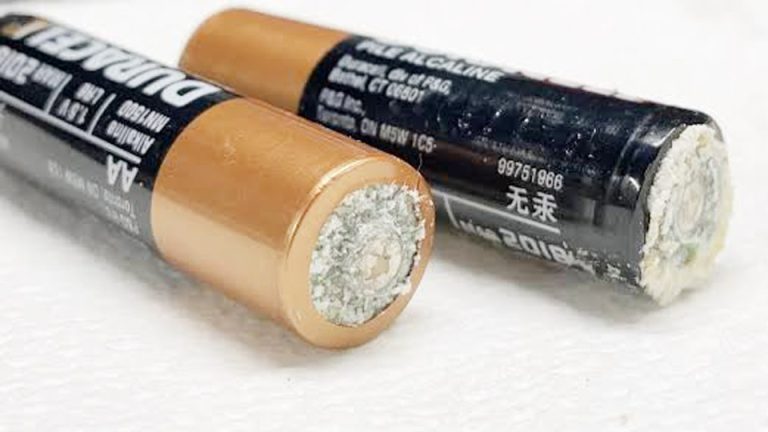
How to Dispose of Dead Alkaline Batteries Safely
It usually starts with a small pile of used batteries sitting in a kitchen drawer, garage, or toolbox. Every time I clean up my workspace, I find a few dead AA or AAA batteries and end up asking the same question many people do: how to dispose of dead alkaline batteries without creating a safety or environmental problem.
I’ve noticed plenty of confusion about what to do next. Some people toss them straight into the trash, while others assume every battery has to be taken to a recycling center. Using the wrong disposal method may not only violate local regulations but can also increase the risk of leaks or contamination if the batteries are damaged.
Knowing the proper way to handle dead alkaline batteries helps protect your home, reduces unnecessary waste, and ensures you’re disposing of them responsibly. It also saves you from guessing every time another battery reaches the end of its life.
I’ll explain when alkaline batteries can be thrown away, when they should be recycled, how to prepare them for disposal, and the common mistakes I’ve seen people make over the years. By the end, you’ll know exactly what to do with your old batteries and why it matters.
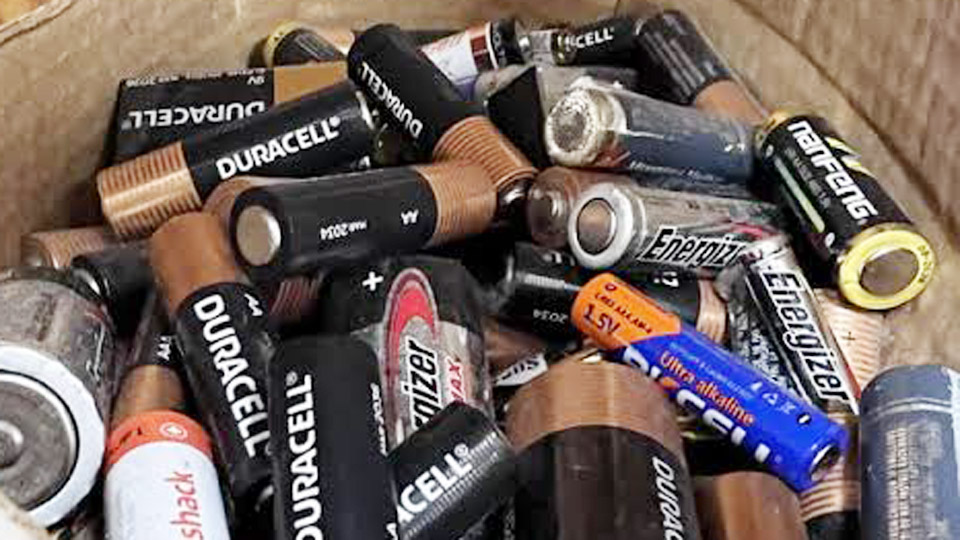
Image by r/lansing
Why Proper Disposal of Dead Alkaline Batteries Matters in Everyday Life
Dead alkaline batteries might seem harmless compared to a swollen lithium-ion pack or a leaking lead-acid unit, but habits add up. In the US, the EPA generally allows alkaline and zinc-carbon batteries in regular household trash in most communities.
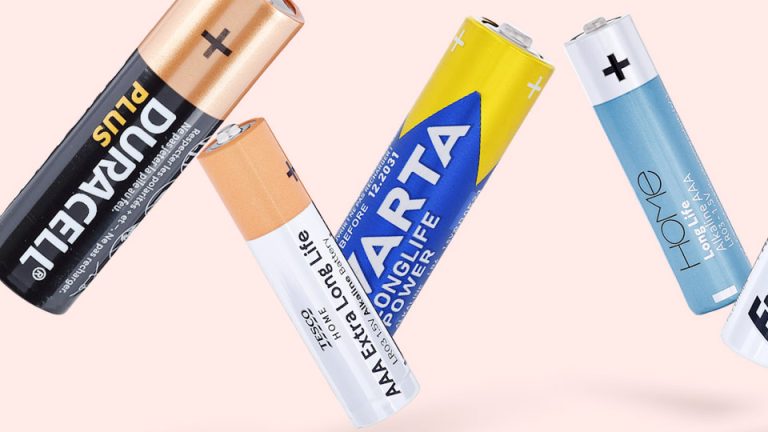
These single-use cells (AA, AAA, C, D, 9V) power countless low-drain devices without the heavy metals that once made older versions more problematic.
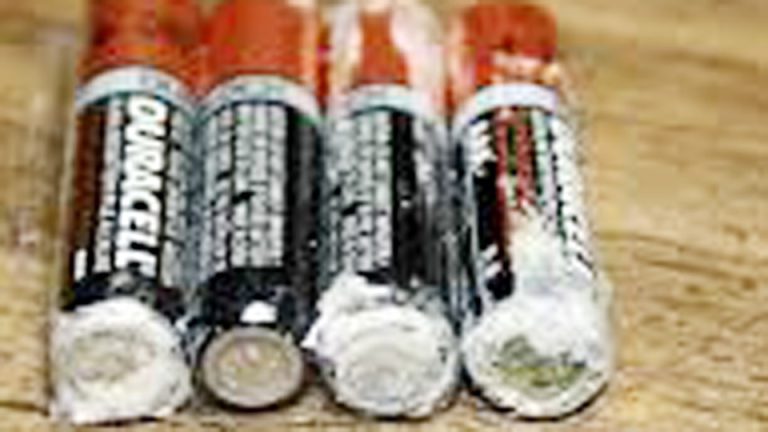
That said, I’ve seen garages where mixed battery piles create issues. A corroded alkaline can leak potassium hydroxide, which isn’t fun on your workbench. In states like California, you can’t toss any batteries in the trash—everything goes to hazardous waste or recycling.
Even where trash is legal, recycling recovers materials like zinc and manganese when economically viable, and it keeps landfills cleaner.
The bigger picture? Once you start managing alkalines properly, it naturally leads you to better practices for the rechargeable batteries in your car, solar system, or power tools. Mixing them up is one of the most common beginner mistakes I see.
Understanding Different Battery Types: Alkaline vs. Rechargeables
To handle disposal right, you need context on what you’re dealing with. Alkaline batteries are primary (non-rechargeable) cells using zinc and manganese dioxide with an alkaline electrolyte. They’re cheap, reliable for intermittent use, and have decent shelf life—often 5-10 years unopened.
Rechargeable options dominate higher-drain or frequent-use scenarios:
- Lead-Acid (Flooded, AGM, Gel): Classic car and deep-cycle batteries. Affordable upfront, heavy, sensitive to deep discharge.
- Lithium-Ion and LiFePO4: Lightweight, high energy density, long cycle life. Common in EVs, solar storage, and modern tools.
In real-world use, I’ve installed hundreds of these across vehicles, off-grid cabins, and UPS systems. A dead car battery (lead-acid) demands different handling than a pouch cell from a vape or a stack of alkalines.
Comparison of Common Battery Types
| Battery Type | Typical Uses | Lifespan (Cycles/Years) | Cost (Relative) | Pros | Cons | Disposal Notes |
|---|---|---|---|---|---|---|
| Alkaline (Primary) | Remotes, toys, flashlights | 1 use / 5-10 yr shelf | Low | Cheap, no maintenance | Single-use, lower capacity | Trash in most US areas; recycle where available |
| Flooded Lead-Acid | Cars, motorcycles, solar | 200-500 / 3-5 yr | Low | Inexpensive, widely available | Needs watering, vented | Retailer/HHW take-back required |
| AGM Lead-Acid | Modern vehicles, marine | 300-800 / 4-7 yr | Medium | Spill-proof, vibration resistant | More expensive than flooded | Same as lead-acid |
| Gel Lead-Acid | Deep cycle, solar | 500-1000 / 5-8 yr | Medium | Low self-discharge | Sensitive to overcharge | Same as lead-acid |
| Lithium-Ion (NMC) | EVs, portables | 1000-3000 / 8-15 yr | High | High density, lightweight | Costly, thermal concerns | Specialized recycling |
| LiFePO4 | Solar, marine, RV | 2000-6000+ / 10+ yr | High | Safe, long life, stable | Higher upfront cost | Specialized recycling |
This table comes from years of swapping batteries in the field. Lithium setups shine in solar because you can use 80-90% depth of discharge without killing them, unlike lead-acid’s typical 50% recommendation.
Step-by-Step: How to Dispose of Dead Alkaline Batteries
Here’s the practical process I recommend:
- Sort Them Out: Separate alkalines from rechargeables. Tape terminals on any lithium or button cells to prevent shorts.
- Check Local Rules: Search your county or city waste authority. In most places, bag the alkalines and toss with regular trash. Avoid mixing with recyclables to prevent fires from damaged rechargeables.
- Recycle When Possible: Programs like Call2Recycle or retailer drop-offs (some Home Depots, AutoZones) accept alkalines in certain areas. Earth911 or battery network sites help locate spots.
- Handle Leakers Carefully: Worn alkalines can leak. Wear gloves, neutralize with vinegar if needed, and bag individually.
- Bulk Quantities: For workshops or large collections, look into mail-in services or municipal HHW events.
Never crush or puncture them. I’ve seen corroded piles short out and create a mess.
Broader Battery Maintenance: Lessons That Apply Everywhere
Disposal is the end of the line, but prevention starts with maintenance. In cars, a weak alternator kills batteries faster than age alone. For solar, mismatched charging voltages destroy banks.
Testing a Battery:
- Use a multimeter: Healthy 12V lead-acid reads ~12.6V rested. Alkaline AA should be around 1.5V new, dropping below 1.0V when dead.
- Load tester for automotive: Simulates cranking.
Charging Right:
- Lead-acid: Bulk ~14.4-14.8V, float ~13.2-13.8V. Overcharging causes gassing and water loss.
- Lithium: Strict voltage limits; use a BMS.
- Common mistake: Using a car charger on a deep-cycle or leaving on a maintainer too long without checking.
I once revived a “dead” solar bank by equalizing properly—most failures trace to neglect, not manufacturing.
Storage Tips:
- Cool, dry place. Avoid freezing or extreme heat.
- Lead-acid: Keep charged; trickle chargers help.
- Lithium: Store at 50-60% SOC for long term.
Safety First:
- Ventilation for lead-acid (hydrogen gas).
- Never short terminals.
- PPE for acid or leaks.
- In solar or EV work, respect high voltages.
Real-World Scenarios: Cars, Solar, Tools, and More
In a daily driver, alkaline remotes are minor, but the starting battery is critical. I’ve jump-started plenty and learned that AGM holds up better in hot climates or vibration-heavy trucks.
For off-grid solar, LiFePO4 transformed reliability. One client went from replacing lead-acid every 3-4 years to a decade-plus system with proper charge controllers. Alkalines still power the backup multimeter and headlamps.
Power tools? NiMH or lithium packs outperform alkalines in drills. Dispose of tool batteries through manufacturer programs.
UPS systems in homes or shops often use sealed lead-acid—treat them like automotive.
Common Mistakes That Shorten Battery Life (and Lead to More Disposal)
- Ignoring Voltage: Charging a 12V system at 15V+ cooks it.
- Deep Discharging Lead-Acid Repeatedly: Sulfation kills capacity.
- Mixing Old and New Batteries: In series/parallel banks, imbalance destroys the set.
- Poor Connections: Corrosion on terminals leads to failure.
- Storing Discharged: Permanent damage, especially lead-acid.
- Overlooking Temperature: Heat accelerates degradation; cold reduces capacity temporarily.
Professionals check specific gravity on flooded cells or use Bluetooth monitors on lithium for real data.
Choosing and Maintaining the Right Battery for Your Needs
Match the chemistry to the job. For occasional car use, a quality flooded lead-acid works fine. Solar or frequent cycling? Go lithium or AGM.
Maintenance routines:
- Monthly visual checks.
- Clean terminals with baking soda/water mix.
- Test annually.
- For vehicles: Drive regularly or use maintainers.
Troubleshooting:
- No crank? Check connections, then battery voltage.
- Solar underperforming? Check controller settings and individual cell voltages.
Practical Recommendations for Longevity and Safety
- Use smart chargers with multi-stage profiles.
- For lithium solar: 14.2-14.6V absorption for LiFePO4.
- Capacity: Calculate Ah needs based on load (e.g., 100Ah bank for modest overnight draw).
- Compatibility: Don’t mix types in a bank.
Taking Charge of Your Battery Habits
Handling dead alkaline batteries correctly is a small step that reflects bigger awareness of how these power sources work in our lives. You’ve seen the types, the comparisons, the real maintenance that keeps cars starting, lights on after dark, and tools running.
Whether you’re swapping a motorcycle battery, optimizing a solar array, or just cleaning out the junk drawer, you now have the knowledge to avoid the common pitfalls that waste money and create hazards.
Invest in a good battery monitor or desulfator for lead-acid systems, and always verify charging voltages with a calibrated meter before trusting the charger display. That single habit has saved more batteries than anything else I’ve done.
FAQ
Can I throw dead alkaline batteries in the regular trash?
Yes, in most US communities according to EPA guidelines. Bag them to contain any leaks, but check your local rules—California and some cities require recycling or HHW drop-off.
What’s the difference in disposal between alkaline and lithium batteries?
Alkalines are generally trash-friendly; lithium, NiMH, and lead-acid require recycling due to fire risks and materials. Never mix them, and tape lithium terminals.
How do I know if my alkaline batteries are truly dead?
Test with a multimeter—below about 1.0-1.1V under load, they’re done for most devices. Many “dead” ones still have juice for low-drain items like clocks.
Are there recycling programs specifically for alkaline batteries?
Yes, though less common than for rechargeables. Check Call2Recycle, local retailers, or municipal programs. Some areas accept them at HHW facilities.
How does proper disposal connect to overall battery care?
It encourages sorting and awareness, reducing mix-ups that damage equipment or create safety issues. Good habits with alkalines carry over to maintaining expensive lithium or lead-acid banks.