Nickel Metal Hydride Battery Advantages and Disadvantages
A cordless drill that used to run strong suddenly loses power halfway through a job. The batteries still charge, but the runtime feels shorter every month, and now you’re stuck wondering whether to replace them or switch to something better.
That’s usually when people start researching nickel metal hydride battery advantages and disadvantages to figure out if these batteries are still worth using today.
NiMH batteries are common in rechargeable AA batteries, power tools, cameras, toys, and backup devices, but they can be confusing if you don’t understand their strengths and limitations.
Some people love them for their rechargeability and lower cost over time, while others get frustrated with self-discharge, charging issues, or reduced performance after heavy use.
Choosing the right rechargeable battery affects more than convenience. It impacts runtime, charging speed, long-term cost, device performance, and even safety if the wrong charger or battery type is used.
I’ve seen plenty of devices perform perfectly with NiMH batteries—and others struggle because the battery simply wasn’t the right fit for the job.
I’ll break down the real-world pros and cons of NiMH batteries, where they perform best, and the common mistakes that shorten their lifespan. You’ll also learn practical tips to get better performance and avoid wasting money on batteries that don’t match your needs.
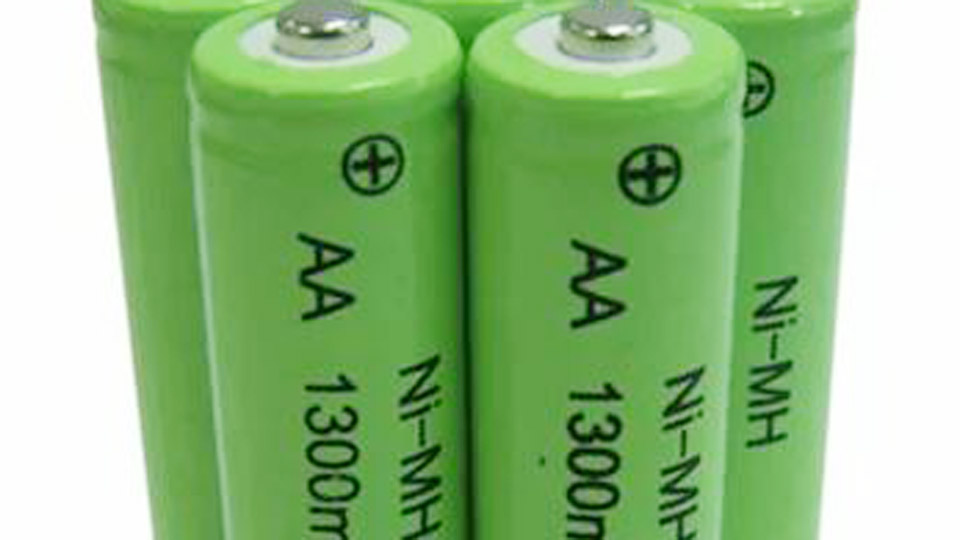
Image by ainbattery
What Is a Nickel-Metal Hydride Battery and How Does It Work?
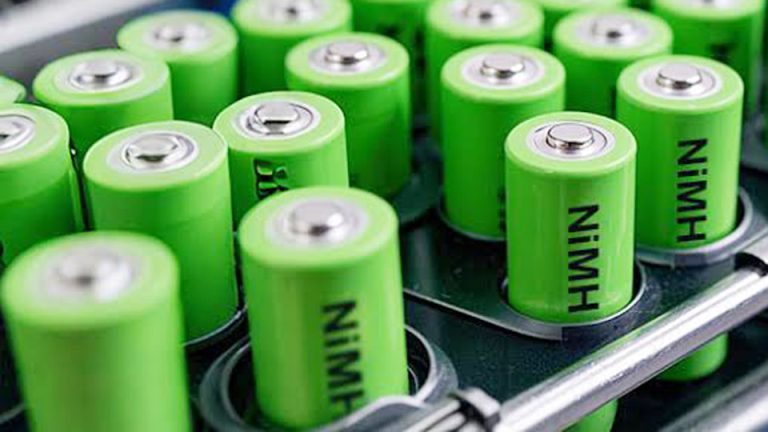
NiMH batteries use a positive nickel hydroxide electrode and a negative electrode made from a hydrogen-absorbing alloy (typically a mix of rare earth metals like lanthanum, nickel, and others). The electrolyte is usually potassium hydroxide, similar to NiCd cells but without the toxic cadmium.
During discharge, hydrogen ions move from the negative alloy to the positive nickel electrode. Charging reverses this process. The nominal voltage per cell is about 1.2V, lower than lithium-ion’s 3.6-3.7V but stable across a wide range of loads.
This chemistry tolerates moderate overcharge and deep discharges better than many modern alternatives, though smart management still extends life significantly.
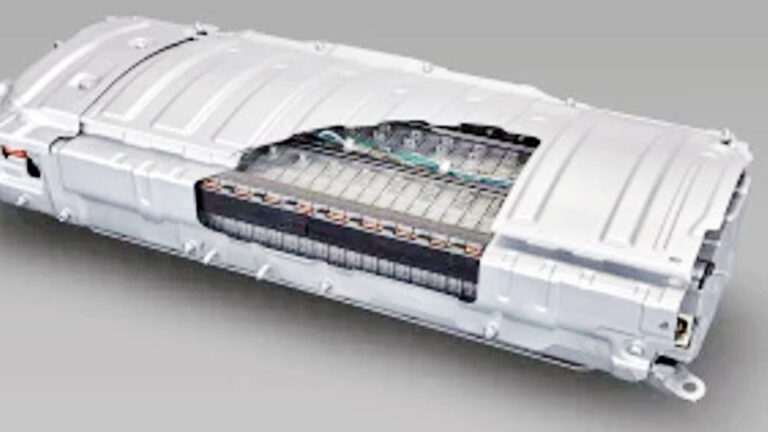
In practice, I’ve seen NiMH packs in older Toyota Prius hybrids endure hundreds of thousands of miles with proper care. The alloy absorbs hydrogen like a sponge, which gives decent energy density—typically 60-120 Wh/kg—without the thermal runaway risks that keep lithium BMS engineers up at night.
Key Advantages of NiMH Batteries
Safer Operation in Real Conditions
NiMH cells are far less prone to catching fire or exploding compared to lithium-ion. They vent hydrogen and oxygen under abuse but don’t enter thermal runaway as easily. This makes them excellent for enclosed spaces, power tools, or hybrid vehicle packs where safety margins matter.
I’ve worked on cordless drills and emergency lighting where a dropped or punctured NiMH pack might leak or vent, but it rarely escalates. Lithium packs demand sophisticated protection circuits; NiMH is more forgiving for DIY or budget builds.
Good Cold-Weather Performance
NiMH shines in low temperatures better than many lithium chemistries. The inorganic electrolyte handles sub-freezing conditions without the drastic capacity drop you see in Li-ion below 0°C (32°F). This is why some hybrid vehicles and outdoor solar gear still rely on them.
Environmental Edge and Recyclability
No toxic cadmium like older NiCd batteries, and lower overall environmental impact than lead-acid. They are fully recyclable, and many programs exist for them. For off-grid homeowners conscious about disposal, this is a real plus.
High Discharge Rates and Power Delivery
They support high current draws without immediate damage. Specific power can exceed 1500W/kg in optimized cells, making them suitable for power tools and hybrid assist applications.
Mature Technology with Proven Longevity in Hybrids
Many first-generation hybrids still run on original NiMH packs after 15+ years. With proper management, they deliver 500-1000+ cycles depending on depth of discharge and temperature.
Lower Upfront Cost in Certain Formats
For consumer AA/AAA packs or smaller systems, NiMH often costs less per pack than equivalent lithium setups, especially when you factor in charger simplicity.
Real Disadvantages of NiMH Batteries
Higher Self-Discharge Rate
This is the biggest practical complaint. Standard NiMH cells lose 1% or more per day, so a fully charged pack can drop to 50-80% capacity after a month on the shelf. Low-self-discharge (LSD) variants like Eneloop help, but they’re not perfect.
I always tell garage customers: don’t charge your NiMH AAs months in advance unless you use LSD cells.
Lower Energy Density Than Lithium
NiMH packs are bulkier and heavier for the same energy. This matters in EVs and portable electronics where weight and space are critical. Lithium-ion dominates here for good reason.
Memory Effect (Mild) and Voltage Depression
While much better than NiCd, repeated shallow discharges can still cause some voltage depression. Full occasional cycles help mitigate this.
Sensitivity to Heat and Overcharge
High temperatures accelerate self-discharge and degradation. Overcharging generates heat and gas, shortening life. You need proper chargers—trickle charging at low rates (C/10 or less) or smart delta-V detection.
Lower Voltage per Cell
1.2V nominal means you need more cells in series for higher voltage systems, adding complexity and failure points.
NiMH vs Other Battery Types: Practical Comparison
Here’s how they stack up in real applications I see every day:
Lead-Acid (Flooded, AGM, Gel)
- Cheapest upfront, excellent for high cranking amps in starter batteries.
- Heavy, poor cycle life on deep discharges (often 200-400 cycles), sulfation issues.
- NiMH wins on cycle life and energy density for deep-cycle needs.
Lithium-Ion / LiFePO4
- Highest energy density, longest cycle life (2000+), low self-discharge.
- Higher cost, more complex BMS needed, poorer extreme cold performance in some formulations, and higher fire risk.
- NiMH is simpler and safer for moderate-duty applications.
NiCd (Older Technology)
- NiMH replaced these for higher capacity, less memory effect, and no cadmium toxicity.
In solar backups or UPS, I often recommend LiFePO4 for daily cycling now, but NiMH still works well in hybrid vehicles and smaller standby systems where simplicity rules.
Real-World Applications and When to Choose NiMH
Hybrid Vehicles
Older Prius, Honda Insight, and similar models use large NiMH packs. They handle frequent shallow cycles beautifully and tolerate the temperature swings in engine bays better than early lithium packs.
Cordless Tools and Power Equipment
Many drills and garden tools still ship with NiMH. High discharge capability without complex electronics is a win.
Consumer Electronics and AA/AAA Packs
Flashlights, cameras, toys, and remotes. LSD NiMH cells have largely replaced disposables for heavy users.
Solar and Off-Grid Small Systems
Good for low-to-moderate cycling where cold nights are common and you want simple, safe storage without expensive BMS.
UPS and Backup
Reliable for shorter runtime needs with less maintenance than lead-acid.
Avoid NiMH for full EV traction packs or high-energy portable devices today—lithium wins there.
Charging NiMH Batteries the Right Way
Use a smart charger with delta-V detection (looks for voltage drop at full charge) or temperature monitoring. Avoid cheap “dumb” chargers that just pump current until you unplug them.
Typical charging: 0.5C to 1C rate for fast charging (with good temp monitoring), or slow C/10 overnight. Stop charging when voltage peaks and drops slightly or temperature rises. Trickle charge should be very low (<0.025C) to minimize heat.
Step-by-Step Safe Charging
- Check voltage and match cells in a pack.
- Use a charger rated for NiMH.
- Charge at room temperature (ideally 15-25°C / 59-77°F).
- Monitor for heat—warm is okay, hot is bad.
- Don’t charge in series mismatched packs without balancing.
Common mistake: Using a NiCd charger on NiMH or vice versa—voltage profiles differ slightly.
Maintenance, Storage, and Troubleshooting
Store at 30-50% charge in a cool, dry place. Check and top up every 3-6 months. Avoid full discharge regularly.
Testing a Battery
Use a decent battery analyzer or multimeter under load. A healthy AA NiMH should hold above 1.2V under moderate draw and deliver close to rated mAh capacity.
Signs of Failure
- Rapid self-discharge (dead in days).
- Won’t hold charge or gets unusually hot.
- Reduced runtime in devices.
- Physical swelling or leakage.
Replacing in Packs
Match capacity and age as closely as possible. One weak cell kills the pack.
Battery Safety Considerations
Ventilate areas when charging large packs. Never short-circuit. Dispose through proper recycling—don’t throw in trash. For hybrids, always disconnect high-voltage systems before working.
Practical Recommendations for Different Users
Car Owners and Mechanics
Stick with AGM lead-acid for starting unless it’s a hybrid. For accessories, consider NiMH or lithium for deep cycling.
Solar/Off-Grid Homeowners
Evaluate daily Ah needs. NiMH works for smaller systems; scale to LiFePO4 for bigger ones.
DIY and Technicians
Keep a set of quality LSD NiMH AAs on hand. Invest in a good analyzer and smart charger.
Everyday Users
Switch to LSD NiMH for devices you use regularly. They’re cheaper long-term than alkalines.
Comparison Table: Battery Types at a Glance
- NiMH: 1.2V/cell, 60-120 Wh/kg, 500-1000 cycles, moderate self-discharge, good safety, moderate cost.
- Lead-Acid: 2V/cell, 30-50 Wh/kg, 200-500 cycles, low self-discharge when maintained, low cost, heavy.
- Li-ion/LiFePO4: 3.2-3.7V/cell, 150-250+ Wh/kg, 2000+ cycles, very low self-discharge, higher cost, needs BMS.
Choose based on duty cycle, environment, and budget—not just hype.
Final Thoughts
After years swapping batteries in everything from lawn mowers to backup systems, the lesson is clear: match the chemistry to the job. NiMH batteries offer a balanced, safe, and proven option with solid advantages in safety, cold performance, and simplicity, balanced against higher self-discharge and lower density. Understand their quirks—especially charging and storage—and they’ll serve reliably for years.
One pro-level tip I always share with technicians: when rebuilding a NiMH pack, capacity-match every cell under real load, not just open-circuit voltage. That single habit prevents more premature pack failures than anything else.
FAQ
Are NiMH batteries better than lithium for hybrid cars?
In older designs, yes—they offer excellent cycle life under shallow discharges, better cold tolerance, and simpler management. Modern EVs favor lithium for range and weight, but many hybrids still prove NiMH durability.
How long do NiMH batteries last in solar setups?
Expect 3-8 years or 500-1000 cycles with proper charging and moderate depth of discharge. Heat and frequent deep cycling shorten this significantly. Low-self-discharge cells perform better in standby solar roles.
Can I use a lithium charger on NiMH batteries?
No. Voltage and charge algorithms differ. Using the wrong charger risks overcharging, overheating, and reduced life. Always match the charger chemistry.
Why do my NiMH batteries die so fast on the shelf?
High self-discharge is normal (especially non-LSD types). Store cool, at partial charge, and use LSD variants for infrequent devices.
What’s the best way to test if my NiMH pack is still good?
Fully charge, then discharge under a known load while measuring capacity and voltage curve. Compare to rated specs. Cells dropping below 70-80% of original capacity usually need replacement.