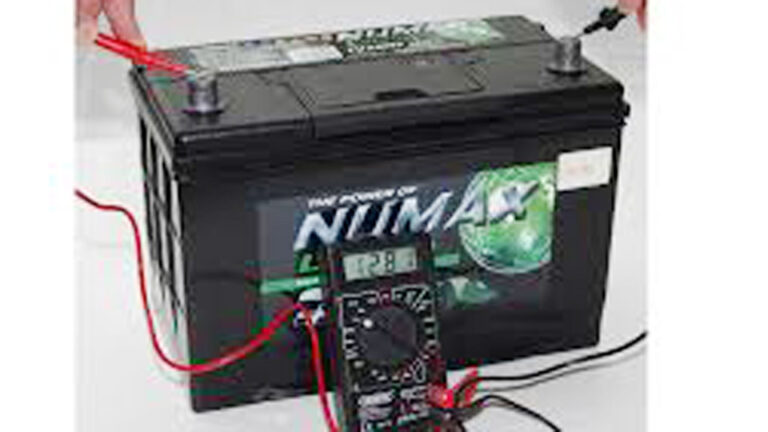
How to Charge a Lithium Ion Battery Correctly
I’ve replaced more dead batteries in cars, solar setups, and off-grid systems than I care to count. One of the most common calls I get is from someone whose expensive lithium battery pack died way before it should have.
Nine times out of ten, the issue traces back to charging habits that seemed fine but quietly destroyed the cells over time.
Learning how to charge lithium ion battery systems correctly isn’t just about avoiding a dead battery on a cold morning. It saves real money, prevents dangerous situations like swelling or thermal runaway, and gets you the thousands of cycles these batteries promise.
Whether you’re topping off a car starting battery, managing a solar bank, or keeping an EV or power tool running strong, the right approach makes all the difference.
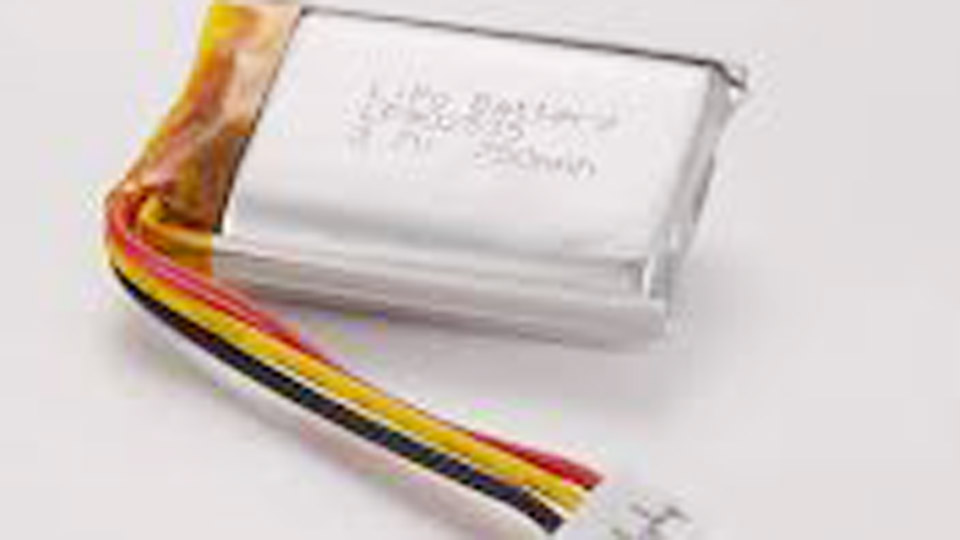
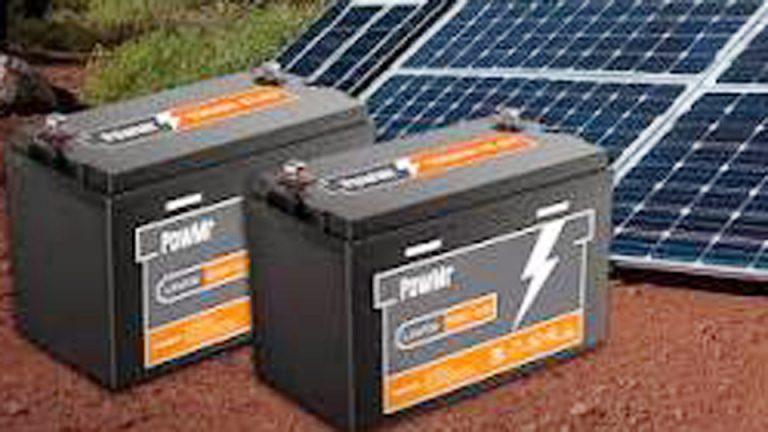
Image by lithium-polymer-batteries
Understanding Lithium-Ion Batteries and Why Charging Matters
Lithium-ion batteries power everything from your phone to your car because they pack a lot of energy into a lightweight package with high efficiency. Unlike older lead-acid types, they don’t like being babied in the same ways, but they do demand precision.
The chemistry inside involves lithium ions moving between positive and negative electrodes during charge and discharge. Push them wrong—too high voltage, too much current, extreme temperatures—and you get lithium plating, electrolyte breakdown, or worse.
Real-world impact: A properly charged lithium battery in a solar setup or daily driver can last 8–10+ years with 2000–5000 cycles. Mistreat it, and you’re looking at replacement in 2–3 years. That’s thousands of dollars down the drain, plus downtime.
Battery Types: Lead-Acid, AGM, Gel, Lithium-Ion, and LiFePO4
Before diving into lithium charging, you need context on the landscape. People often mix chargers and expectations across types.
Flooded Lead-Acid: Traditional, cheap, needs watering and venting. Good for basic starting but heavy and low cycle life (300–500 deep cycles).
AGM (Absorbent Glass Mat): Sealed lead-acid variant. Better vibration resistance, no maintenance, handles higher discharge. Still limited to ~600–800 cycles and sensitive to over-discharge.
Gel: Another sealed lead-acid. Thick electrolyte makes it forgiving on deep discharges but slower to charge and poor in cold weather.
Lithium-Ion (NMC, NCA, etc.): High energy density, lighter, faster charging. Common in EVs and portables. Nominal ~3.6–3.7V per cell, max charge ~4.2V.
LiFePO4 (LFP): A safer lithium subset. Nominal 3.2V per cell, charges to ~3.65V. Excellent thermal stability, longer cycle life (3000+), slightly lower energy density but far safer for home/solar use.
Pros and Cons Comparison:
| Battery Type | Cycle Life | Weight | Cost | Safety | Best For | Charging Tolerance |
|---|---|---|---|---|---|---|
| Flooded Lead-Acid | 300–500 | Heavy | Low | Moderate | Basic starting | Forgiving but slow |
| AGM | 600–800 | Medium | Medium | Good | Vehicles, marine | Better than flooded |
| Gel | 500–700 | Medium | Medium | Good | Solar, deep cycle | Slow charge |
| Lithium-Ion | 1000–2000+ | Light | High | Lower | EVs, portables | Precise needed |
| LiFePO4 | 2000–5000+ | Light | High | Excellent | Solar, off-grid, RV | Very stable |
In my experience, LiFePO4 is the sweet spot for most solar and backup users in the US—safer than standard lithium-ion and far more durable than lead-acid.
How Lithium-Ion Charging Actually Works: CC-CV Explained
The gold standard is Constant Current – Constant Voltage (CC-CV) charging.
Constant Current (CC) Phase: Charger pushes a steady current (often 0.5C to 1C, where C is capacity in Ah). Battery voltage rises steadily. This fills most of the capacity quickly (70-80%).
Constant Voltage (CV) Phase: Once voltage hits the limit (e.g., 4.2V for standard Li-ion, 3.65V for LiFePO4), the charger holds voltage steady while current tapers off. This tops off the last 20-30% safely without overvoltage.
Termination: Charging stops when current drops to a low threshold (like 0.05C).
This method prevents overcharging, which causes heat and degradation. Many modern batteries have a built-in Battery Management System (BMS) that adds protection layers like cell balancing and cutoffs.
Step-by-Step: How to Charge a Lithium Ion Battery Correctly
Preparation:
- Check the battery specs. Look for voltage (12V, 24V, etc.), capacity (Ah), chemistry, and recommended charger.
- Use a dedicated lithium charger or one with a lithium mode. Never use a plain lead-acid charger unless it explicitly supports lithium profiles.
- Inspect for damage: swelling, leaks, or cracks—do not charge.
Basic Charging Process:
- Connect positive (+) first, then negative (-). Use secure clamps or plugs.
- Set charger to correct voltage/current. For a 12V LiFePO4: absorption around 14.4–14.6V. For standard 12V lithium-ion: ~14.4–14.7V depending on cells.
- Start charging in a well-ventilated area, ideally 15–35°C (59–95°F). Avoid freezing or extreme heat.
- Monitor initial hours. Feel for excessive warmth.
- Let it complete the CV phase. Disconnect once full—avoid prolonged float unless the charger is smart.
For Automotive/Solar Use:
- In vehicles: Use a DC-DC charger or smart alternator controller designed for lithium to prevent uncontrolled charging from the alternator.
- Solar: Pair with an MPPT controller set for lithium voltages. No equalization needed (and it can damage lithium).
Correct Voltage and Current Ranges
- Standard Lithium-Ion (e.g., 18650 cells): Max 4.2V per cell. Charge current 0.5C–1C.
- LiFePO4: 3.65V per cell max. 12V system: 14.2–14.6V absorption. Float around 13.5–13.8V or none.
- Current: Match to battery (e.g., 50Ah battery at 0.5C = 25A). Higher for fast charging if battery allows.
Always follow the manufacturer’s label. A 0.1V difference over time adds up to big capacity loss.
Common Charging Mistakes (And How I’ve Seen Them Kill Batteries)
- Using the wrong charger: Lead-acid chargers often push 14.8V+ or float too high, cooking lithium cells.
- Full discharges regularly: Keep above 20% SOC when possible. Deep drains stress cells.
- Charging in extreme temps: Below 0°C causes plating; above 45°C accelerates aging.
- Leaving on cheap chargers indefinitely: No auto-shutoff leads to trickle damage.
- Ignoring BMS warnings: If it cuts off, find out why instead of forcing it.
- Mixing old and new cells or unbalanced packs without proper balancing.
One guy brought me a solar bank that lasted only 18 months. He used his old lead-acid controller. The voltage was too high, and cells were imbalanced. Cost him a full replacement.
Battery Storage and Maintenance Best Practices
Store at 40–60% SOC in a cool, dry place (around 50–68°F). Check every 3–6 months and top up if needed.
Maintenance is minimal with lithium:
- Keep terminals clean.
- Ensure good ventilation.
- For multi-battery banks: Balance regularly via BMS or active balancer.
- In cars: Use a battery tender designed for lithium during long storage.
Safety Considerations: Real Risks and Prevention
Lithium fires are rare but dramatic. Causes usually tie to physical damage, overcharge, or short circuits. Always:
- Charge on non-flammable surfaces away from flammables.
- Never charge unattended with cheap gear.
- Have a fire extinguisher rated for electrical fires (Class D or ABC).
- If a battery swells or gets hot, disconnect and isolate it safely.
BMS helps hugely, but it’s not foolproof—buy quality batteries with reputable BMS.
Charging in Different Applications
Cars and Motorcycles: Lithium starting batteries charge fast but need compatible regulators. Opportunity charging is fine.
Solar and Off-Grid: LiFePO4 shines here. Set controllers properly (no equalization). You can charge during the day and use at night with minimal loss.
UPS/Backup: Float at safe voltage or use smart systems that disconnect when full.
Power Tools and Electronics: Follow OEM chargers. Partial charges are better than full 100% daily.
Troubleshooting Charging Issues
- Battery not charging: Check connections, charger output, BMS protection (reset if possible).
- Slow charging: Wrong current setting or cold temps.
- Overheating: Reduce current or improve airflow.
- Won’t hold charge: Possible cell imbalance or degradation—test individual cells if advanced.
Real-World Takeaways for Longer Battery Life
Treat your lithium batteries with the respect their chemistry demands. Avoid extremes in SOC (20–80% ideal for daily use), temperature, and voltage. A little attention upfront prevents expensive headaches later.
The single best pro-level tip I give technicians: Invest in a good Bluetooth BMS monitor or voltmeter. Watching real-time cell voltages and temperatures during charging teaches you more than any manual. You’ll catch issues early and dial in your setup perfectly.
FAQ
How long does it take to charge a lithium ion battery?
Depends on capacity and charger. A 100Ah battery at 50A (0.5C) takes roughly 2–3 hours to 80%, plus tapering time. Faster chargers cut this but generate more heat.
Can I use a lead-acid charger on lithium batteries?
Generally no. Voltage profiles differ and can damage lithium. Only use if the charger has a dedicated lithium setting.
Should I charge lithium batteries to 100% every time?
Not necessary for longevity. Daily use benefits from 80% max, with occasional full charges for calibration or long trips.
Is it safe to charge lithium batteries overnight?
Only with quality smart chargers that auto-stop. Monitor first few times and avoid cheap no-name units.
What’s the difference in charging LiFePO4 vs standard lithium-ion?
LiFePO4 uses lower voltages (3.65V/cell vs 4.2V) and is more forgiving on overcharge, but still requires proper CC-CV. It’s safer overall for home use.