How to Prevent Sulfation in Lead Acid Batteries & Extend Life
You walk out to your car on a cold morning, turn the key, and instead of the engine firing up, you hear that familiar slow cranking sound. The battery was working fine a few weeks ago, so what happened? In many cases, the hidden culprit is sulfation.
That’s why understanding How to Prevent Sulfation in Lead Acid Batteries is one of the most valuable things any battery owner can learn.
I’ve seen sulfation cause problems in everything from car batteries and motorcycles to solar backup systems and deep-cycle battery banks.
Many people assume a battery has simply reached the end of its life, only to discover later that poor charging habits, long storage periods, or undercharging gradually damaged it. The frustrating part is that much of this damage could have been avoided.
Sulfation doesn’t just reduce battery performance. It can shorten battery lifespan, increase charging times, lower capacity, and eventually lead to expensive replacements. For solar users, it may mean less backup power when you need it most. For vehicle owners, it can leave you stranded at the worst possible moment.
Preventing sulfation is usually much easier—and cheaper—than replacing a failed battery. In this guide, I’ll walk you through the practical steps, charging habits, maintenance tips, and real-world solutions that help keep lead-acid batteries healthy, reliable, and performing at their best for years to come.
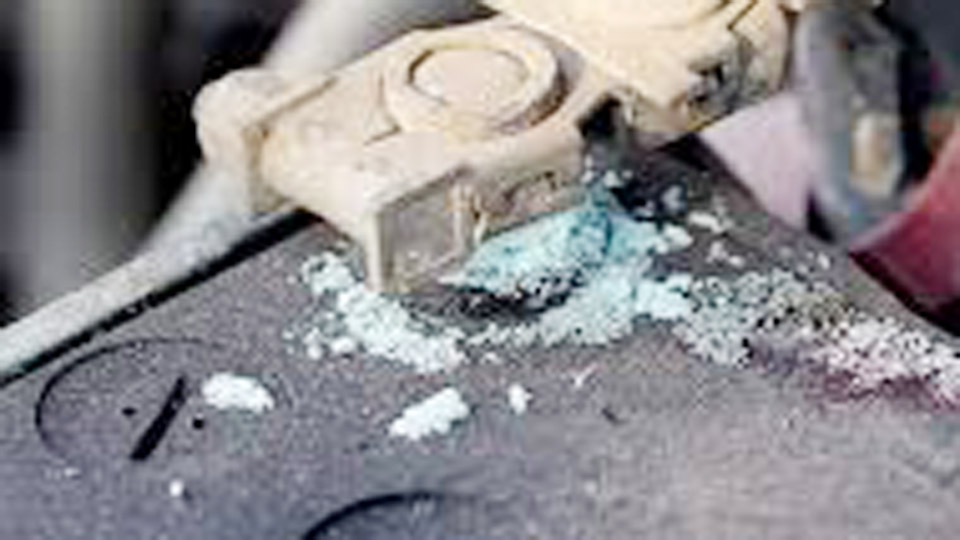
Image by batteriesplus
What Causes Sulfation and Why It Hits Lead-Acid Batteries Hard
During normal discharge, sulfuric acid in the electrolyte splits and lead sulfate forms on both plates. Recharge reverses this. But leave the battery partially discharged, undercharged, or sitting idle, and those crystals grow and harden. Key triggers include:
- Storing batteries below full charge.
- Undercharging from faulty alternators, cheap chargers, or undersized solar controllers.
- High temperatures speeding up self-discharge and crystal formation.
- Frequent deep discharges without prompt full recharges.
- Over time, even minor neglect compounds.
Flooded (wet) lead-acid batteries are most vulnerable because of exposed plates and electrolyte that can stratify. AGM and gel types resist it better due to immobilized electrolyte, but they aren’t immune—especially if abused. Lithium-ion (including LiFePO4) batteries don’t sulfate the same way at all, which is why many people upgrade for solar or RV use, but lead-acid remains common for cost reasons.
In my experience, the worst cases come from seasonal equipment like boats, RVs, or backup generators left on a trickle charger that isn’t smart, or solar batteries that never hit 100% because of cloudy weeks and conservative controller settings.
Recognizing the Signs of Sulfation Before It’s Too Late
Don’t wait for total failure. Watch for:
- Slower engine cranking or clicking starter.
- Battery that takes much longer to charge than usual.
- Reduced runtime in deep-cycle applications (solar, UPS, power tools).
- Excessive heat during charging.
- Low specific gravity readings across cells (more on testing later).
- In extreme cases, bulging case or leaking.
A multimeter or load tester helps, but nothing beats a hydrometer for flooded batteries.
Battery Types: Lead-Acid Variants and When Sulfation Risk Differs
Understanding your battery type is key to prevention strategies.
Flooded Lead-Acid (Wet Cell): Traditional, cheapest option. Requires regular watering with distilled water. High sulfation risk if neglected. Good for cars and budget solar. Pros: Inexpensive, tolerant of overcharge in some cases. Cons: Maintenance-heavy, spill risk, shorter life if not cared for. Typical lifespan: 3-5 years with good care.
AGM (Absorbent Glass Mat): Electrolyte absorbed in fiberglass mats. Sealed, maintenance-free, vibration-resistant. Lower sulfation risk than flooded but still needs proper charging. Excellent for cars, motorcycles, marine. Pros: Spill-proof, faster recharge, better cold cranking. Cons: More expensive, sensitive to overcharging. Lifespan: Often 4-7+ years.
Gel: Similar to AGM but with silica-thickened electrolyte. Very low gassing, good for deep cycling. Pros: Deep discharge tolerance, low self-discharge. Cons: Slower recharge, very sensitive to high voltages (can ruin them fast). Best for solar or UPS where steady loads apply.
Lithium-Ion / LiFePO4: Not lead-acid, so no sulfation. Much higher cycle life (2000-5000+), lighter, higher usable capacity (80-90% DoD vs 50% for lead-acid). Pros: Long life, efficient. Cons: Higher upfront cost, needs compatible chargers/BMS. Great upgrade for solar or heavy-use scenarios.
Comparison Table (Approximate for 12V 100Ah Class):
- Flooded: Cost low ($100-150), Cycles ~300-500 at 50% DoD, Weight heavy, Maintenance high.
- AGM: Cost medium ($200-300), Cycles ~500-800, Weight heavy, Maintenance low.
- Gel: Cost medium-high, Cycles ~500-1000, Weight heavy, Maintenance low.
- LiFePO4: Cost high ($400+), Cycles 2000+, Weight light, Maintenance very low.
Choose based on use: Flooded for occasional car starting, AGM for vehicles with electronics, lithium for solar/off-grid longevity.
Step-by-Step: How to Test for Sulfation and Battery Health
Prevention starts with knowing the state.
For flooded batteries, use a hydrometer:
- Wear gloves and eye protection.
- Fully charge the battery first (critical—readings on discharged batteries mislead).
- Remove vent caps.
- Draw electrolyte from each cell into the hydrometer.
- Read the specific gravity. Fully charged: 1.265-1.280 at 80°F. Correct for temperature (add/subtract 0.004 per 10°F deviation).
- Compare cells—more than 0.050 difference indicates a problem.
A digital voltmeter: Resting voltage (after 12+ hours off charge) around 12.6-12.8V is healthy; below 12.4V suggests discharge/sulfation risk.
Load test with a professional tester for real cranking ability.
Proper Charging Practices: The Foundation of Sulfation Prevention
Charging is where most people go wrong. Use a smart charger with multi-stage (bulk, absorption, float) profiles matched to your battery type.
Voltage Guidelines (12V battery, room temp):
- Flooded: Bulk/Absorption 14.4-14.8V, Float 13.2-13.8V, Equalize ~15-16V periodically.
- AGM: Bulk 14.4-14.7V, Float 13.5-13.8V.
- Gel: Lower—around 14.1-14.4V absorption; avoid high equalize.
Never use a car alternator charger on deep-cycle or gel without regulation. In solar, set your charge controller correctly—many have presets for flooded/AGM/gel/lithium.
Keep batteries above 80% SoC most of the time. Recharge promptly after deep discharges. For storage, maintain at least 12.4V with periodic top-ups.
Real Tip from the Garage: I equalize flooded batteries monthly in solar banks (controlled overcharge to mix electrolyte and break soft sulfate). Do this only on flooded types, in a ventilated area, and monitor temperature and water levels.
Storage Best Practices to Avoid Sulfation
Batteries die fastest in storage. Keep them cool (below 75°F/24°C ideal—self-discharge doubles every 10°F rise), fully charged, and on a smart maintainer. Disconnect from loads. For long-term, check voltage monthly and charge if below 12.4V.
In winter, bring car batteries inside if possible or use a tender. For solar, ensure controllers keep them topped even in low sun.
Maintenance Routines for Different Applications
Cars and Motorcycles: Clean terminals with baking soda/water mix. Check connections. Drive regularly or use maintainer. Test annually.
Solar and Deep-Cycle: Monitor daily SoC if possible. Equalize periodically. Keep ventilated. Avoid chronic undercharging from small arrays.
UPS/Backup: Test under load quarterly. Replace on schedule even if they seem okay—sulfation can hide until outage.
Power Tools/Electronics: Use correct chargers. Don’t store discharged.
Common mistakes I’ve seen: Using tap water (minerals accelerate issues), mixing old/new batteries, ignoring temperature, over-tightening terminals, or cheap float chargers that overcharge.
Troubleshooting and Desulfating (When Prevention Fails)
If caught early, you can sometimes recover:
- Use a desulfating charger or pulse device (mixed results, works best on soft sulfate).
- For flooded: Equalizing charge (24 hours at higher voltage, monitored).
- Multiple controlled charge/discharge cycles.
- Desperate measures: EDTA or other chemical treatments (risky, for pros).
Permanent hard sulfation is usually game over—replace it. Prevention beats rescue every time.
Safety Considerations
Lead-acid batteries involve sulfuric acid—wear protection. Ventilate during charging (hydrogen gas). Dispose properly (recyclable). Never short terminals. For lithium upgrades, ensure BMS compatibility.
Real-World Examples Across Uses
In cars, a sulfated battery strands you on cold mornings. One customer left his truck unused; six months later, new battery needed. Prevention: Tender during storage.
Solar off-grid: A 48V bank undercharged during winter clouded out. Capacity dropped 30%. Fix: Better array sizing, regular equalization, and monitoring.
UPS: Corporate setups fail during outages from neglected float charging. Schedule replacements every 3-5 years.
I’ve seen motorcycles with AGM batteries last years longer with proper winter storage versus those left on concrete floors discharged.
Practical Recommendations Summary
- Match charger to battery type and follow voltage specs.
- Keep charged—aim for full as often as possible.
- Store cool and maintained.
- Test regularly (voltage, SG, load).
- Maintain flooded types (water with distilled only).
- Consider lithium for high-cycle needs despite cost.
Taking Charge of Your Batteries
After years working with these systems, the pattern is clear: Batteries that get regular full charges, proper storage, and matching equipment last dramatically longer. You now know the types, the charging realities, the testing methods, and the mistakes that ruin them fast.
Whether it’s keeping your daily driver reliable, your solar system powering through nights, or your UPS ready for emergencies, these habits give you confidence and cut replacement costs.
Invest in a good battery monitor (voltage, current, SoC tracking) for any serious setup. It removes guesswork and catches issues early—worth every penny for technicians and serious users alike.
FAQ
How long can a lead-acid battery sit without charging before sulfation starts?
Even a few weeks at partial charge risks it, especially in heat. Top up every 30 days minimum, or use a maintainer. Fully charged storage is safest.
Can you fully reverse sulfation in a battery?
Soft or early sulfation often yes with desulfators, equalization, or smart chargers. Hard, long-term sulfate is usually permanent—replace the battery.
What’s the best charger to prevent sulfation?
A quality multi-stage smart charger with temperature compensation and battery-type presets. Avoid cheap constant-voltage ones.
Do AGM batteries sulfate less than flooded?
Yes, due to design, but they still need correct charging voltages and avoiding prolonged discharge. They’re more forgiving overall.
Is it worth switching to lithium to avoid sulfation entirely?
For deep-cycle, solar, or frequent use, absolutely—higher upfront cost but far longer life, more usable capacity, and no sulfation worries. For basic starting, stick with lead-acid and maintain it well.