How to Rejuvenate a Sealed Lead Acid Battery Safely
Few things are more annoying than reaching for a battery-powered device and finding it completely dead. Whether it’s a UPS that won’t provide backup during a power outage, a mobility scooter that suddenly loses range, or a security system battery that no longer holds a charge, sealed lead acid batteries often seem to fail at the worst possible moment.
Before spending money on a replacement, many people wonder if there’s a way to bring the battery back to life. That’s where how to rejuvenate a sealed lead acid battery becomes an important question.
I’ve tested plenty of sealed lead acid batteries that were considered “dead.” Some were truly beyond recovery, but others simply suffered from sulfation, prolonged storage, or improper charging. In the right circumstances, a battery that appears worn out can sometimes regain useful capacity with the correct approach.
Knowing when and how to attempt battery rejuvenation can save money, reduce waste, and extend the life of equipment you depend on every day. It can also help you avoid common mistakes that often make a weak battery deteriorate even faster.
I’ll walk through the practical methods I’ve used, explain which batteries have a realistic chance of recovery, and show you the warning signs that indicate it’s time for replacement instead. By the end, you’ll know exactly what to try, what to avoid, and how to get the most from your sealed lead acid battery.
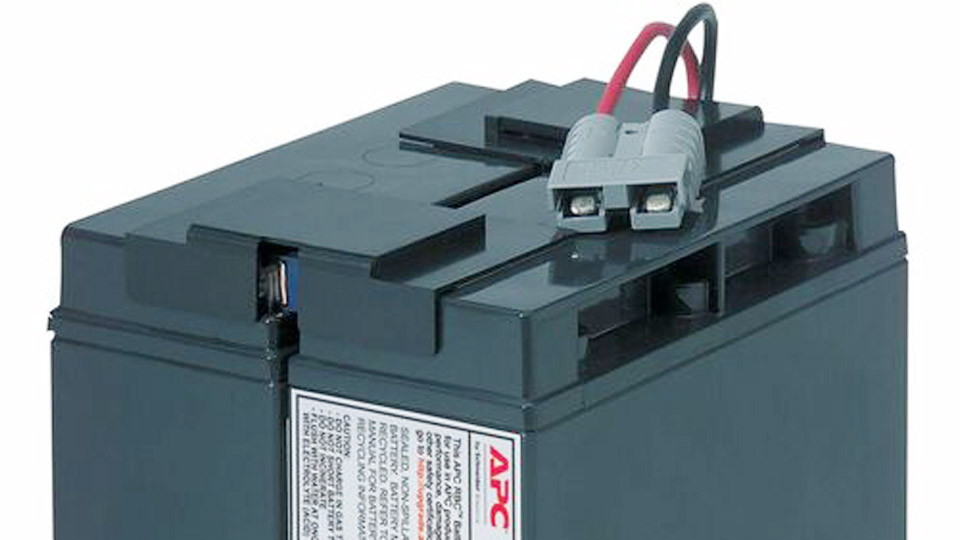
Image by gatewayp
Understanding Sealed Lead Acid Batteries
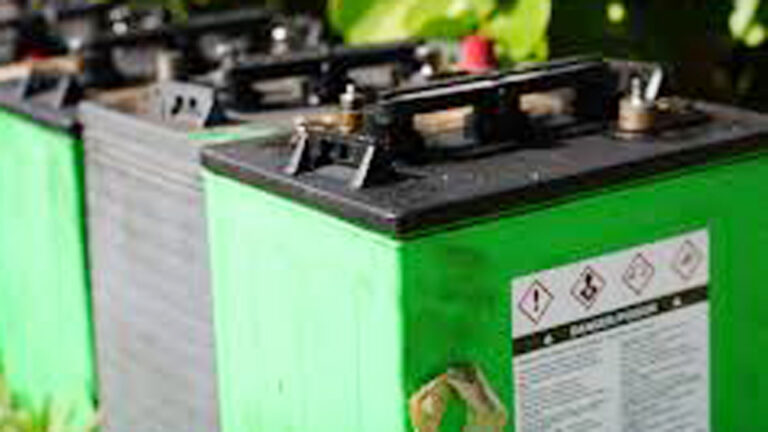
Sealed lead acid batteries, also called valve-regulated lead-acid (VRLA), come in a few main flavors: Absorbed Glass Mat (AGM) and Gel. Both immobilize the electrolyte to prevent spills and reduce maintenance, but they behave differently in real use.
AGM batteries suspend the sulfuric acid in a fiberglass mat between the lead plates. This design handles higher discharge and charge rates better than gel and performs well in cold weather or vibration-heavy applications like vehicles and motorcycles.
Gel batteries thicken the electrolyte with silica into a gel. They excel in deep-cycle applications with slower, steadier discharges, like solar storage or wheelchairs, but they’re more sensitive to high charge currents and can suffer permanent damage if overcharged.
True “sealed” doesn’t always mean completely unopenable. Many have removable covers or caps hidden under a plastic strip that you can carefully pry off for access to the cells.
Why SLA Batteries Fail and When Rejuvenation Makes Sense
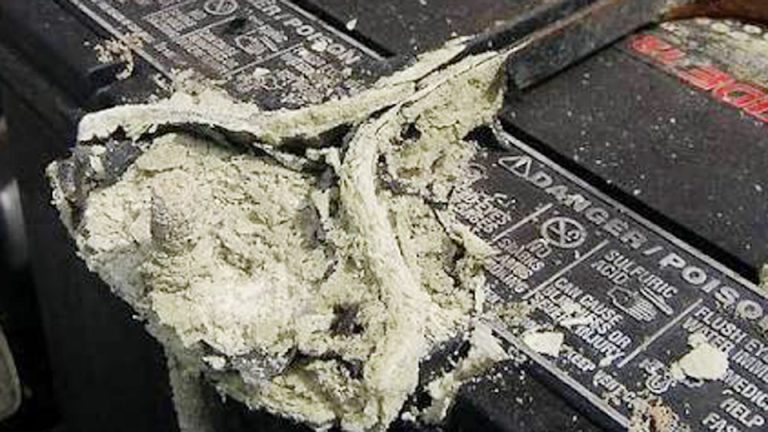
The most common culprit is sulfation: lead sulfate crystals form on the plates when the battery sits discharged for too long. These crystals harden over time and block the chemical reaction needed for charging and discharging.
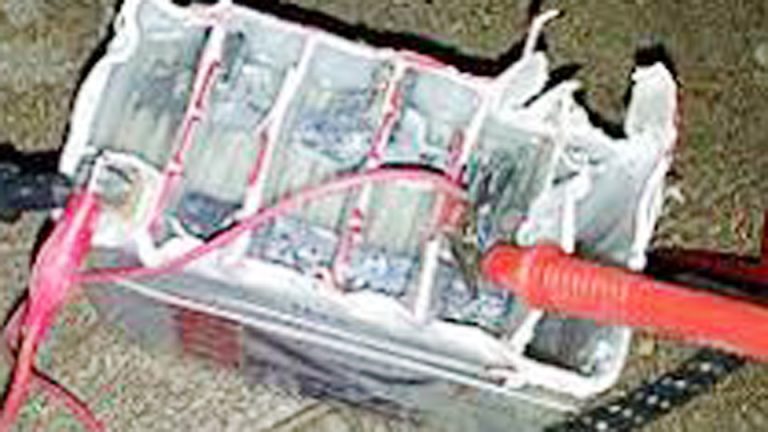
Other issues include water loss (even in sealed designs, electrolyte can evaporate or recombine poorly), plate corrosion, internal shorts, or physical damage.
Rejuvenation is worth trying if:
- The battery is less than 3–5 years old.
- It hasn’t been deeply discharged for months or years.
- There’s no visible bulging, cracking, or leaking.
- Voltage reads above 0V (completely zero often means internal failure).
If it’s ancient or shows physical damage, recycle it responsibly and buy new. Safety first: always work in a well-ventilated area, wear gloves and eye protection, and avoid sparks near charging batteries.
Tools and Safety Essentials You’ll Need
Gather these before starting:
- Digital multimeter for voltage and load testing.
- Battery charger with desulfation or reconditioning mode (smart chargers are ideal).
- Distilled water and possibly Epsom salts (magnesium sulfate) for some methods.
- Syringe or turkey baster for adding fluid if accessible.
- Safety gear: acid-resistant gloves, goggles, apron.
- Optional: adjustable power supply, desulfator device, or load tester.
Never work on batteries while wearing jewelry, and keep baking soda nearby to neutralize any spills.
Step-by-Step: Testing Your SLA Battery
Start simple. Measure the resting voltage with a multimeter. A 12V battery should read around 12.6–12.8V when fully charged. Below 12.0V indicates deep discharge; under 10.5V is critically low and often sulfated.
For a better picture, perform a load test. Many auto parts stores offer free testing. Or use a carbon pile tester to apply load and watch voltage drop. If it falls quickly, capacity is low.
Check for physical signs: swelling means overcharging or internal pressure; cracks mean replacement time.
Rejuvenation Method 1: Slow Charging and Recovery Cycles
The safest starting point is a long, slow charge. Many “dead” SLA batteries recover simply from proper recharging.
- Connect a smart charger designed for SLA/AGM/gel batteries.
- Use a low current—around 0.1C (10% of Ah rating). For a 20Ah battery, that’s about 2A.
- Charge in a cool place. Monitor temperature; warm is okay, hot is not.
- Let it charge fully, then discharge to about 50% under controlled load, and recharge again. Repeat 3–5 cycles.
This often breaks down light sulfation naturally. Expect it to take hours or days.
Rejuvenation Method 2: Accessing Cells and Adding Distilled Water
Many SLAs aren’t truly “sealed forever.” Carefully pry off the top cover.
- Look for six cell caps or rubber seals.
- Use a syringe to add distilled water until plates are just covered. Don’t overfill.
- Shake gently or tap to release bubbles.
- Reassemble and charge slowly.
This revives dried-out batteries common in hot climates or long storage.
Epsom Salt Method Variation: Some mix a saturated Epsom salt solution (magnesium sulfate) with distilled water. Add carefully, charge, then flush and replace with proper electrolyte if needed. Results vary, and it’s more experimental.
Rejuvenation Method 3: Desulfation Techniques
For stubborn sulfation, higher voltage or pulsed charging helps.
- Use a charger with desulfation mode or a dedicated desulfator.
- Some apply 15–16V (for 12V battery) with current limited to low amps for controlled periods, monitoring closely.
- Pulse chargers send high-frequency pulses that supposedly break crystals without damaging plates.
Caution: Overdoing high voltage warps plates or causes gassing. Never leave unattended. I’ve seen batteries recover 70–80% capacity this way, but not always to new specs.
Charging Best Practices for SLA Batteries
Proper charging prevents future failure.
Voltage Guidelines (for 12V battery at room temperature):
- Float: 13.2–13.8V
- Absorption/Bulk: 14.4–14.8V
- Do not exceed manufacturer specs; temperature compensation is key (reduce voltage in heat).
Use constant voltage with current limiting. Smart chargers switch stages automatically. For deep-cycle use, avoid constant high current.
Charge after every use. Never store below 50% charge. In vehicles or solar, a maintainer or trickle charger works wonders during off-seasons.
Battery Types Comparison: Choosing and Using the Right One
Here’s a practical breakdown:
Flooded Lead Acid (traditional wet cell):
- Pros: Cheapest, easiest to rejuvenate by adding water/acid.
- Cons: Requires regular maintenance, spills, venting needed.
- Best for: Stationary, budget setups.
AGM (Sealed):
- Pros: Maintenance-free, vibration resistant, faster recharge, no spills.
- Cons: More expensive, sensitive to overcharging.
- Best for: Cars, motorcycles, marine, RVs.
Gel:
- Pros: Excellent deep cycling, low self-discharge.
- Cons: Slower recharge, damaged by high currents.
- Best for: Solar, UPS, mobility devices.
Lithium (LiFePO4):
- Pros: Much longer life (2000–5000+ cycles), lighter, higher usable capacity (80–90% DoD vs 50% for lead-acid), faster charging.
- Cons: Higher upfront cost, needs compatible chargers/BMS.
- Best for: High-cycle solar, off-grid, EVs where weight and longevity matter.
Rough Lifespan Expectations:
- Flooded/AGM/Gel: 300–800 cycles depending on use and care.
- Lithium: 5–10x longer in many applications.
For solar or deep-cycle, LiFePO4 often pays for itself quickly despite higher cost.
Real-World Applications and Examples
In cars and motorcycles, a rejuvenated AGM battery often starts reliably after winter storage with a good charge cycle. I’ve revived several that owners thought were toast.
For solar and off-grid: Deep-cycle SLAs in battery banks suffer from irregular charging. Regular equalization (controlled overcharge) on compatible flooded or AGM types prevents stratification and sulfation. Monitor with a good charge controller.
UPS and backup systems: These sit at float charge for years. Failures often come from infrequent full discharges or heat. Test and cycle them quarterly.
Power tools and electronics: Small SLA packs in cordless equipment die from incomplete charging. A dedicated maintainer extends life significantly.
Common Mistakes That Kill Batteries (And How to Avoid Them)
- Leaving discharged: Sulfation starts fast. Charge immediately.
- Wrong charger voltage: Using a car alternator-style charger on gel can destroy it.
- Overcharging: Causes heat, water loss, and corrosion.
- Extreme temperatures: Heat accelerates degradation; cold reduces capacity temporarily.
- Ignoring maintenance: Even “sealed” benefits from cleaning terminals and checking connections.
- Deep discharging without recovery: Avoid going below 50% regularly for longer life.
Maintenance Routines for Long Life
- Keep terminals clean and tight.
- Store in cool, dry place at partial charge.
- Use temperature-compensated charging.
- For accessible batteries, check electrolyte levels periodically.
- Perform capacity tests yearly.
- Invest in a good smart charger or solar controller with proper profiles.
Troubleshooting Persistent Issues
- No charge acceptance: Heavy sulfation or internal damage—try desulfation or replace.
- Gets hot quickly: Overcurrent or shorted cells.
- Low capacity after recovery: Normal for aged batteries; expect 70–80% of original.
- Bulging case: Stop immediately—risk of rupture.
Practical Takeaways for Real Users
Rejuvenating a sealed lead acid battery combines diagnosis, patience, and safe techniques. You’ll extend the life of automotive, solar, and backup batteries while understanding why they fail. Not every battery comes back strong, but many do with slow charging, fluid top-up, and proper cycling.
Treat every battery with a full charge-discharge cycle every few months, even if it’s “maintenance-free.” This prevents sulfation buildup and reveals true capacity early. Combine it with a quality smart charger, and your batteries will outlast expectations.
FAQ
Can you really bring a completely dead sealed lead acid battery back to life?
Often yes, especially if sulfation or drying is the issue. Slow charging, adding distilled water if accessible, and multiple cycles recover many batteries to 60–80% capacity. Completely failed internals usually can’t be fixed.
What voltage should I use to charge a 12V SLA battery?
Bulk/absorption around 14.4–14.8V, float at 13.2–13.8V. Always match your specific battery type (AGM vs gel) and monitor temperature.
Is it safe to open a sealed lead acid battery?
With care, yes—many have pry-off covers. Wear protection, work in ventilated space, and reseal well. Not all are designed for it, so proceed cautiously.
How long do rejuvenated SLA batteries typically last afterward?
It varies. You might gain months to a couple years of additional service, especially for lighter-duty use. Don’t expect full original lifespan.
When should I replace instead of trying to rejuvenate?
If the battery is swollen, leaking, over 5 years old, shows zero voltage, or fails multiple recovery attempts. Safety and reliability come first in critical applications like vehicles or backups.