What Does Alkaline Battery Acid Smell Like? Leak Signs
You pick up a flashlight that has been sitting in a drawer for months, and as soon as you open the battery compartment, you notice a strange odor along with a white, powdery residue around the batteries.
It’s enough to make anyone wonder, what does alkaline battery acid smell like, and whether it’s a sign of something dangerous. I’ve come across plenty of leaking alkaline batteries while repairing remotes, toys, portable radios, and other household devices.
One thing I’ve learned is that people often mistake the smell for burning plastic, chemicals, or even mold, making it difficult to know whether the battery has simply leaked or if there’s a more serious problem that needs immediate attention.
Knowing what you’re smelling can help you respond the right way. It can prevent skin contact with battery residue, reduce the risk of damaging your device further, and save you from replacing electronics that can often be cleaned and restored.
It also helps you recognize when it’s time to dispose of leaking batteries safely instead of continuing to use them.
I’ll explain what a leaking alkaline battery actually smells like, why that odor develops, whether it’s harmful to breathe, and the steps you should take if you discover a battery leak. You’ll also learn how to clean up the residue safely and prevent the same problem from happening again.
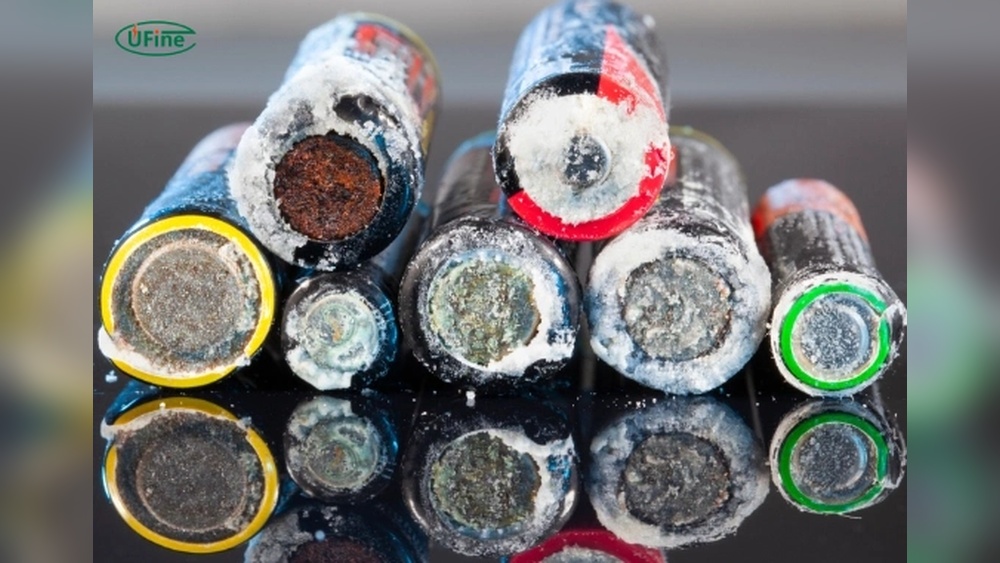
Image by ufine
What Does Alkaline Battery Acid Smell Like
Most people use batteries every day, from TV remotes to flashlights. But what if one leaks? Suddenly, you notice a strange smell. It’s sharp, unusual, and probably makes you worry. Is this dangerous? What exactly does alkaline battery acid smell like, and how can you tell it apart from other battery leaks?
This is more than just curiosity—knowing the answer can help you stay safe and avoid damage to your electronics and your health.
Understanding the scent of alkaline battery acid is helpful for anyone who uses household batteries. While the word “acid” often brings to mind strong, sour smells, alkaline batteries are different from the acid-based batteries found in cars or older electronics.
Their leaks smell unique, and knowing what to expect can help you spot problems early. In this article, you’ll learn exactly what alkaline battery acid smells like, why it has this odor, how to recognize it, and what to do if you come across that distinctive scent.
What Is Alkaline Battery Acid?
Alkaline batteries are the most common type of household battery. They power clocks, toys, remotes, and many more devices. Unlike car batteries, which use sulfuric acid, alkaline batteries use a chemical called potassium hydroxide as their main electrolyte.
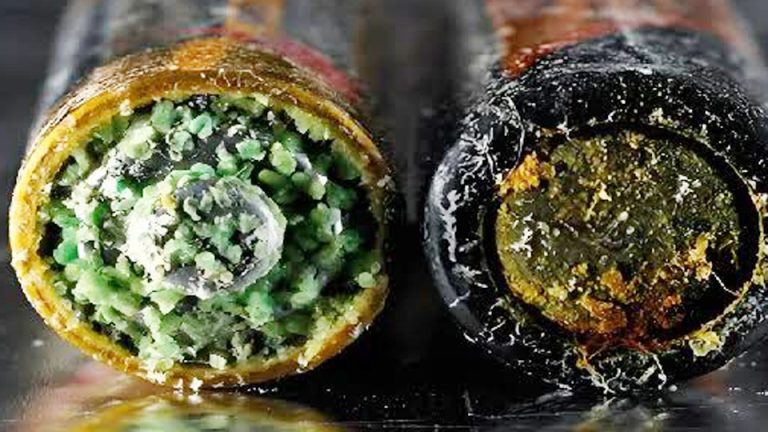
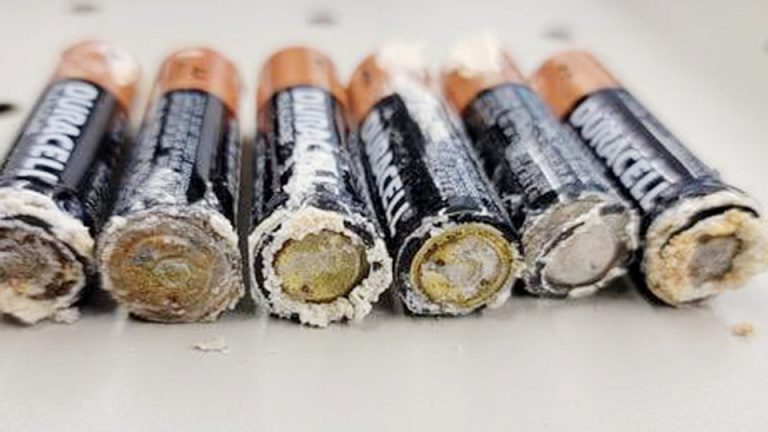
When people talk about “alkaline battery acid,” they’re usually describing the liquid or white, crusty substance that leaks out of damaged or old batteries.
Technically, this isn’t a true “acid” at all. It’s actually an alkaline (basic) substance, which is the opposite of acidic. However, both acids and bases can be caustic and dangerous.
Potassium hydroxide is odorless in its pure form, but when it reacts with air, metals, or the battery’s contents, it can create new compounds. These reactions are what produce the smells people notice when a battery leaks.
The Distinct Smell Of Alkaline Battery Acid
So, what does alkaline battery acid really smell like? It’s a scent that’s hard to forget once you’ve smelled it. Most people describe it as:
- Sharp
- Bitter
- Soapy
- Acrid (harsh and unpleasant)
Some say it reminds them of a mix between bleach, ammonia, and cleaning products. Others notice a slightly metallic or “chemical” smell that lingers in the air. This odor is different from the rotten egg smell of sulfur (from car batteries) or the fishy odor of some rechargeable batteries.
Why Does It Smell This Way?
When alkaline batteries leak, the potassium hydroxide inside reacts with zinc (from the battery casing), carbon dioxide (from the air), and other materials. These chemical reactions can create several compounds that have a pungent, irritating odor. The smell gets stronger if:
- The battery is old or damaged
- The device is in a warm or humid place
- The leak has been there for a while
The combination of chemical reactions and the breakdown of battery components creates the unique scent associated with alkaline battery leaks.
Comparing Battery Leak Smells
It’s helpful to compare the smell of alkaline batteries with other common battery types. Here’s a side-by-side look:
| Battery Type | Main Chemical | Leak Smell Description |
|---|---|---|
| Alkaline | Potassium Hydroxide | Sharp, soapy, bitter, chemical, bleach-like |
| Lead-Acid (Car) | Sulfuric Acid | Rotten eggs, strong sulfur odor |
| Nickel-Cadmium (NiCd) | Potassium Hydroxide | Similar to alkaline, plus metallic |
| Lithium-ion | Lithium, Electrolyte Solvents | Sweet, fruity, or solvent-like |
Recognizing Alkaline Battery Leak Signs
The smell is just one clue that a battery is leaking. Usually, the odor comes with other visible signs:
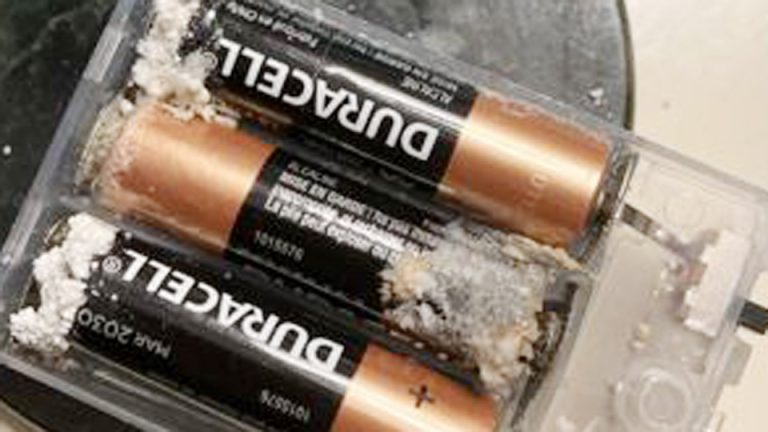
- White, powdery residue around the battery contacts or casing. This is dried potassium carbonate, formed when potassium hydroxide reacts with carbon dioxide.
- Corrosion or rust on the metal parts of your device.
- Sticky or wet spots on or around the battery compartment.
- Device malfunction, such as not turning on or flickering.
If you notice a sharp, soapy odor near a device, check for these physical clues. Sometimes the smell appears before you see any obvious leak, especially if the leak is small or inside a closed compartment.
Alkaline Vs. Acidic Leaks: Key Differences
Alkaline battery leaks look and smell different from acid-based leaks. Here’s a quick comparison:
| Leak Type | Appearance | Smell | Common Devices |
|---|---|---|---|
| Alkaline | White powder/crust, sometimes wet | Sharp, bitter, bleach-like | Remotes, toys, flashlights |
| Acidic (Lead-acid) | Wet, clear, may cause bubbling | Rotten eggs (sulfur) | Car batteries, UPS systems |
Is The Smell Dangerous?
The sharp, chemical smell of a leaking alkaline battery is more than just unpleasant—it can be a warning sign. While a brief whiff isn’t likely to cause harm, prolonged exposure or close contact can be risky.
Health Risks
- Irritation: The potassium hydroxide and its reaction products can irritate your nose, throat, and eyes. Some people feel a burning sensation or start coughing after inhaling the fumes.
- Skin burns: Direct contact with the liquid or powder can cause burns, redness, and pain. It can damage your eyes if it splashes.
- Asthma or allergies: People with respiratory problems may be more sensitive and develop symptoms faster.
It’s important to avoid touching or smelling leaking batteries closely. If you do get battery residue on your skin, rinse with plenty of water and seek medical help if it burns or blisters.
When To Seek Help
If you or someone else feels dizzy, has trouble breathing, or experiences severe eye pain after exposure to battery fumes, get medical attention quickly. The risk is higher in small, poorly ventilated rooms.
Why Do Batteries Leak And Produce This Smell?
Even new batteries can leak if conditions are right. Here’s why it happens:
- Old age: As batteries get older, the seals holding the chemicals inside can break down.
- Over-discharge: Leaving batteries in a device after they’re dead can cause them to leak. Trying to use “empty” batteries can force the chemicals out.
- Heat and humidity: High temperatures or dampness speed up chemical reactions and damage the battery’s casing.
- Physical damage: Dropping or crushing a battery can crack the seal and cause a leak.
When a leak starts, the chemicals inside react with air and metals, creating the strong, sharp smell. Not every leak produces a strong odor right away—sometimes it takes hours or days for the smell to become noticeable.
How Common Are Alkaline Battery Leaks?
According to industry surveys, about 1–3% of household batteries will leak over their lifetime. This number is higher if you leave batteries in devices for years, especially cheap or generic brands. Devices stored in garages, sheds, or hot attics are at greater risk.
How To Safely Handle A Leaking Alkaline Battery
If you smell that sharp, soapy odor and suspect a leak, take these steps:
- Turn off and unplug the device immediately.
- Move it to a well-ventilated area.
- Wear gloves (rubber or latex) to avoid touching any powder or liquid.
- Remove the batteries carefully. Avoid breaking them open or squeezing.
- Clean the compartment with a cotton swab dipped in vinegar or lemon juice to neutralize the alkaline residue. Then wipe with a dry cloth.
- Dispose of the batteries according to your local hazardous waste rules. Do not throw them in the regular trash.
After cleaning, wash your hands thoroughly—even if you wore gloves.
Practical Tips For Prevention
- Remove batteries from devices you don’t use often.
- Store batteries in a cool, dry place.
- Choose reputable brands with good quality control.
- Check battery expiration dates before use.
What Does A “normal” Battery Smell Like?
Fresh, unopened alkaline batteries are nearly odorless. If you notice any strong chemical smell from a new battery, it may be damaged or defective. In that case, don’t use it. Return it to the store or contact the manufacturer.
A faint metallic or plastic smell is normal if you sniff a new battery closely, but you should never smell a sharp, bleach-like odor unless there is a leak.
Non-obvious Insights About Alkaline Battery Smell
Many people assume that all battery leaks smell the same, but alkaline batteries are unique for several reasons:
Humidity amplifies the smell: In damp rooms, leaked potassium hydroxide dissolves more easily, spreading the smell faster and making leaks harder to spot.
Some people can’t smell it well: A small percentage of people have a reduced ability to detect the sharp, soapy odor from alkaline leaks. This can be risky if you rely only on smell to check for leaks.
Another insight: not all white powder inside a battery compartment is fresh. Sometimes, old dried residue remains after a past leak. If you clean it up and the smell goes away, you probably fixed the problem. If the odor returns or intensifies, a new leak is likely.
Credit: www.eblofficial.com
Common Myths About Alkaline Battery Acid Smell
Let’s clear up some misunderstandings:
- Myth: The smell is always dangerous. Truth: It’s a warning sign, but brief exposure is rarely harmful unless you have allergies or asthma.
- Myth: Only old batteries leak. Truth: Even new batteries can leak if they’re damaged, over-discharged, or stored poorly.
- Myth: All leaks are acidic. Truth: Alkaline batteries are actually basic (alkaline), not acidic.
- Myth: The smell means a fire risk. Truth: While leaks can damage devices, the chemicals usually aren’t flammable.
Real-life Examples Of Alkaline Battery Leaks
Consider these scenarios:
- TV remote stop working: You open the battery cover and smell a sharp, chemical odor. There’s white crust on the metal contacts. This is a classic alkaline leak.
- Old flashlight in the garage: You find it after years, and there’s a strong soapy, acrid smell before you even open it. The smell often lingers in small, closed spaces.
- Children’s toy stopped working: Parents notice a bitter, bleach-like smell and white residue inside. This is a sign to act quickly, as kids are especially sensitive to chemical exposure.
In each case, recognizing the smell and acting fast prevents bigger problems.
Comparing Alkaline Battery Smell To Other Household Chemicals
Many people confuse the smell of leaking alkaline batteries with common cleaning products. Here’s a comparison to help you tell the difference:
| Source | Smell Description | Notes |
|---|---|---|
| Alkaline Battery Leak | Sharp, soapy, bitter, bleach-like | Often with white powder residue |
| Bleach | Strong, chlorine, disinfectant | Liquid, no powder |
| Ammonia Cleaner | Pungent, eye-watering, sharp | Usually clear liquid |
| Vinegar | Sour, acidic | Distinctly different from batteries |
If you’re not sure, look for white powder near batteries—cleaning products don’t leave this behind.
If You Can’t Smell The Leak: What Else To Check
Sometimes, the smell is faint or goes unnoticed. Here’s what else to watch for:
- Device not working or losing power suddenly
- Corroded or discolored battery contacts
- Sticky or oily feeling inside the battery compartment
- Signs of moisture or bubbling
If you see any of these, check the batteries—even if you don’t notice a smell.

Credit: www.reddit.com
Environmental Impact Of Leaking Alkaline Batteries
Leaking alkaline batteries are not just a health issue—they can also harm the environment. The chemicals inside can:
- Contaminate soil and water if thrown in regular trash
- Damage wildlife that comes into contact with the leak
- Corrode metal parts in landfills, releasing more chemicals
Wrapping Up
The smell of alkaline battery acid is a warning sign you shouldn’t ignore. Now you know how to recognize it, what it means, and how to protect yourself and your devices. Stay aware, act quickly, and your electronics—and your health—will thank you.
Frequently Asked Questions
What Does Alkaline Battery Acid Smell Like Compared To Car Battery Acid?
Alkaline battery leaks have a sharp, soapy, bleach-like smell. In contrast, car battery acid (sulfuric acid) smells like rotten eggs due to sulfur compounds. The two are easy to tell apart if you know what to expect.
Can You Get Sick From Smelling Leaking Alkaline Battery Acid?
Brief exposure to the smell is usually not dangerous for healthy adults. However, long or repeated exposure, or close contact with the chemicals, can irritate your nose, throat, and eyes. People with asthma or allergies may react more strongly.
What Should I Do If I Touch Or Smell A Leaking Alkaline Battery?
If you touch the powder or liquid, wash your skin with plenty of water immediately. Avoid rubbing your eyes. If you smell the leak, move to fresh air and clean up the leak safely. If you feel burning, pain, or have trouble breathing, seek medical help.
Do Rechargeable Batteries Smell The Same When They Leak?
Not always. Nickel-cadmium (NiCd) rechargeable batteries can smell similar to alkaline leaks but may also have a metallic or different chemical odor. Lithium-ion batteries may smell sweet, fruity, or like solvents, which is very different from the sharp, soapy odor of alkalines.
How Can I Prevent My Batteries From Leaking And Producing This Smell?
Store batteries in a cool, dry place. Remove them from devices you won’t use for a long time. Use quality brands and check expiration dates. Don’t mix old and new batteries, and replace all batteries in a device at the same time to reduce the risk of leaks.