What Batteries Are Not Alkaline? Types, Uses & Key Differences
Batteries are everywhere: in your remote control, smartphone, children’s toys, and even your car. Many people know about alkaline batteries because they are common in daily life. But have you ever wondered what batteries are *not* alkaline? Why do so many other battery types exist, and what makes them different?
Understanding non-alkaline batteries can help you make better choices for your devices, save money, and even protect the environment.
This article explores the world of non-alkaline batteries. You will learn about different types, how they work, their uses, and their pros and cons. We’ll also compare these batteries with alkaline batteries, help you avoid common mistakes, and answer frequently asked questions.
By the end, you will understand which battery is best for each situation and why alkaline is not always the best choice.
What Does “alkaline” Mean In Batteries?
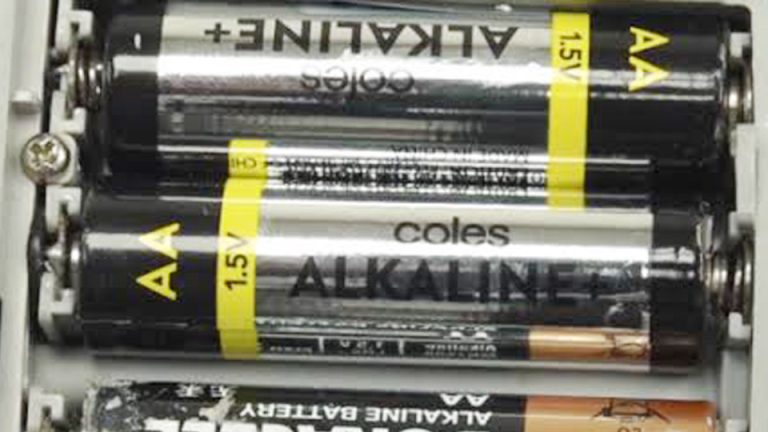
Before we look at non-alkaline batteries, it’s important to know what “alkaline” means. An alkaline battery uses an alkaline electrolyte, usually potassium hydroxide, to carry the electric charge inside. This design makes alkaline batteries stable, long-lasting, and good for everyday devices.
Non-alkaline batteries use other chemicals, like acids or special solutions, to move electricity. This small change inside the battery creates big differences in performance, safety, and price.
Main Types Of Batteries That Are Not Alkaline
There are many non-alkaline batteries, each with its own strengths and weaknesses. Here are the most common types:
1. Zinc-carbon Batteries
Zinc-carbon batteries are one of the oldest battery types. They are often called “heavy duty” or “general purpose” batteries.
- Chemistry: Uses a zinc anode, a carbon rod cathode, and an acidic paste (ammonium chloride or zinc chloride) as the electrolyte.
- Voltage: 1.5V per cell, the same as alkaline batteries.
- Cost: Usually cheaper than alkaline.
- Shelf Life: Shorter than alkaline (usually 2–3 years).
- Best Use: Remote controls, flashlights, clocks, and devices that do not use much power.
Non-obvious insight: Zinc-carbon batteries may leak more easily than alkaline types, especially when left in devices for a long time.
2. Lithium Primary Batteries
Lithium primary batteries are single-use (not rechargeable) batteries that use lithium metal or compounds.
- Chemistry: Uses lithium as the anode and various cathodes (like manganese dioxide or iron disulfide).
- Voltage: Often 1.5V (AA/AAA size), 3V (coin cells), or higher.
- Shelf Life: Very long — up to 10 years or more.
- Temperature Tolerance: Works well in both hot and cold environments.
- Best Use: Cameras, smoke detectors, watches, car key fobs, and medical devices.
Tip: Lithium batteries are much lighter than alkaline or zinc-carbon, making them ideal for portable devices.
3. Nickel-cadmium (nicd) Batteries
Nickel-cadmium batteries are one of the oldest rechargeable battery technologies.
- Chemistry: Uses nickel oxide hydroxide and metallic cadmium as electrodes with a potassium hydroxide electrolyte (still non-alkaline because of the cadmium and nickel chemistry).
- Voltage: 1.2V per cell.
- Rechargeable: Yes, hundreds to thousands of times.
- Best Use: Power tools, emergency lighting, some cordless phones.
Non-obvious insight: NiCd batteries can suffer from “memory effect,” which means they may lose capacity if not fully discharged before recharging.
4. Nickel-metal Hydride (nimh) Batteries
NiMH batteries are a newer type of rechargeable battery, often used as a replacement for NiCd.
- Chemistry: Uses nickel oxide hydroxide and a hydrogen-absorbing alloy.
- Voltage: 1.2V per cell.
- Rechargeable: Yes, usually 500–1000 cycles.
- Best Use: Digital cameras, toys, flashlights, wireless controllers.
Tip: NiMH batteries hold more energy than NiCd, but they lose charge faster when not used (high self-discharge rate).
5. Silver-oxide Batteries
Silver-oxide batteries are small, button-shaped batteries used in watches and medical devices.
- Chemistry: Uses silver oxide and zinc with an alkaline or non-alkaline electrolyte.
- Voltage: 1.55V per cell.
- Best Use: Watches, hearing aids, calculators.
Non-obvious insight: Silver-oxide batteries are expensive because of the silver content, but they offer very steady voltage over their life.
6. Lead-acid Batteries
Lead-acid batteries are heavy and powerful, commonly found in cars.
- Chemistry: Uses lead dioxide and sponge lead with a sulfuric acid electrolyte.
- Voltage: 2V per cell, usually combined for 6V or 12V batteries.
- Rechargeable: Yes, hundreds of cycles.
- Best Use: Car batteries, backup power, wheelchairs.
Tip: Lead-acid batteries should never be fully discharged, or their lifespan will drop quickly.
7. Lithium-ion (li-ion) Batteries
Lithium-ion batteries are the most popular rechargeable batteries for electronics.
- Chemistry: Uses lithium compounds in both electrodes, with a liquid or gel electrolyte.
- Voltage: 3.6V–3.7V per cell.
- Rechargeable: Yes, up to 1000 cycles.
- Best Use: Smartphones, laptops, electric vehicles, power banks.
Non-obvious insight: Li-ion batteries can be damaged by overcharging or deep discharge, so good battery management systems are important.
8. Nickel-zinc (nizn) Batteries
Nickel-zinc batteries are a newer rechargeable option.
- Chemistry: Uses nickel oxide hydroxide and zinc.
- Voltage: 1.6V per cell.
- Rechargeable: Yes, usually up to 500 cycles.
- Best Use: High-drain devices like digital cameras and flash units.
Tip: NiZn batteries offer higher voltage than NiMH, which can be better for some electronics.
9. Zinc-air Batteries
Zinc-air batteries use oxygen from the air as one part of their chemical reaction.
- Chemistry: Uses zinc and oxygen (from the air).
- Voltage: 1.4V–1.45V per cell.
- Best Use: Hearing aids, pagers, and some medical devices.
Non-obvious insight: Once activated by exposure to air, zinc-air batteries cannot be “turned off” and will drain even if not used.
10. Mercury Batteries (obsolete)
Mercury batteries were once common but are now banned in many countries due to toxicity.
- Chemistry: Used mercury oxide and zinc.
- Voltage: 1.35V per cell.
- Best Use: Formerly used in cameras and hearing aids.
Tip: Never throw old mercury batteries in the trash; they must be disposed of as hazardous waste.

Credit: recyclopedia.sg
How Non-alkaline Batteries Compare To Alkaline
To understand the differences, let’s look at a side-by-side comparison:
| Battery Type | Standard Voltage | Rechargeable? | Cost | Typical Uses |
|---|---|---|---|---|
| Alkaline | 1.5V | No | Low-Medium | Remotes, toys, clocks |
| Zinc-Carbon | 1.5V | No | Low | Flashlights, radios |
| Lithium Primary | 1.5V/3V | No | Medium-High | Cameras, smoke detectors |
| NiMH | 1.2V | Yes | Medium | Digital cameras, toys |
| Lead-Acid | 2V (cell) | Yes | High | Cars, backup power |
| Li-ion | 3.6V | Yes | High | Phones, laptops |
Key takeaway: Alkaline batteries are great for basic, low-drain devices, but non-alkaline batteries are better for high-drain, rechargeable, or specialized uses.
Advantages And Disadvantages Of Non-alkaline Batteries
Every battery type has benefits and drawbacks. Here’s what you should know:
Advantages
- Special performance: Some non-alkaline batteries (like lithium or NiMH) work much better in digital cameras and other high-drain devices.
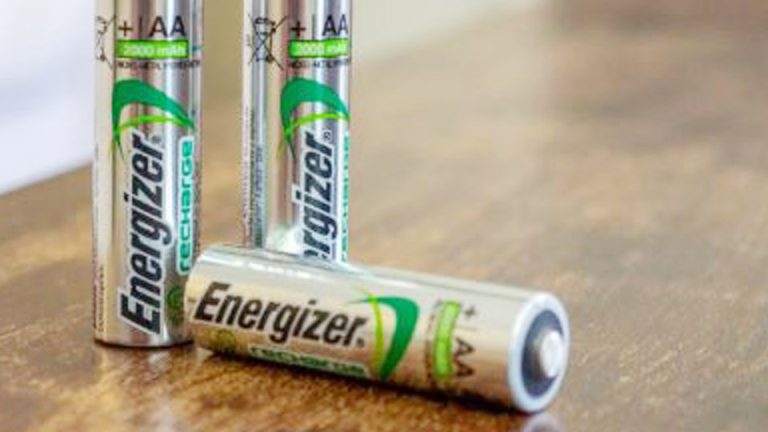
- Rechargeable options: NiMH, NiCd, Li-ion, and lead-acid can be used many times, saving money and reducing waste.
- Better in extreme temperatures: Lithium batteries work well in cold or hot weather, unlike alkaline batteries.
- Long storage life: Lithium and silver-oxide batteries can last many years on the shelf.
Disadvantages
- Higher price: Many non-alkaline batteries cost more than alkaline, especially lithium and silver-oxide.
- Special care needed: Rechargeable batteries need correct charging and sometimes careful storage.
- Toxic materials: NiCd and lead-acid contain dangerous chemicals and must be recycled properly.
- Device compatibility: Some electronics are designed only for alkaline batteries and may not work well with lower-voltage rechargeables.
When To Use Non-alkaline Batteries
Choosing the right battery can make a big difference. Here are situations where non-alkaline batteries are the better choice:
High-drain electronics: Digital cameras, flash units, and some toys work better with NiMH, Li-ion, or lithium batteries.
Devices used often: If you use a device every day, rechargeable batteries (NiMH, NiCd, Li-ion) will save you money and reduce waste.
Extreme temperatures: Lithium batteries are best for outdoor equipment, trail cameras, or smoke detectors in cold or hot places.
Medical and precision equipment: Watches, hearing aids, and medical devices often need silver-oxide or zinc-air batteries for long, stable power.
Backup and emergency power: Lead-acid or sealed lead-acid batteries are ideal for car batteries, uninterruptible power supplies (UPS), and backup lighting.
Common Mistakes When Choosing Batteries
Even experienced users can make simple mistakes when picking batteries. Here are pitfalls to avoid:
Using rechargeable batteries in devices that require higher voltage: NiMH and NiCd are 1.2V per cell, while alkaline is 1.5V. Some devices may not work properly with lower voltage.
Mixing old and new batteries: Always use batteries of the same type, age, and brand together. Mixing can cause leaks or poor performance.
Ignoring storage conditions: Non-alkaline batteries, especially rechargeables, should be stored in a cool, dry place. Heat and humidity can shorten their life.
Not recycling old batteries: Many non-alkaline types contain toxic metals. Take them to a recycling center, not the trash.
Which Battery Is Best For Each Use?
Choosing the best battery depends on your device and needs. Here’s a quick guide:
| Device Type | Best Battery Type | Why? |
|---|---|---|
| Remote Control | Alkaline or Zinc-Carbon | Low drain, low cost |
| Digital Camera | NiMH or Lithium | Handles high drain, rechargeable |
| Wristwatch | Silver-Oxide | Stable voltage, long life |
| Car Battery | Lead-Acid | High power, rechargeable |
| Smartphone | Lithium-Ion | High energy density, rechargeable |
| Hearing Aid | Zinc-Air | Lightweight, long-lasting |
Practical tip: Always check your device manual to see which battery types are recommended.
Environmental Impact Of Non-alkaline Batteries
Non-alkaline batteries have a bigger environmental impact than many people realize. Here’s why:
- Heavy metals: NiCd, lead-acid, and mercury batteries contain toxic metals that can harm soil and water.
- Difficult to recycle: Some batteries require special recycling facilities.
- E-waste: Batteries are a major part of global electronic waste.
What you can do:
- Recycle all used batteries at a proper facility.
- Choose rechargeable batteries to reduce waste.
- Never throw batteries in the regular trash.
For more on safe battery disposal and recycling, see the US Environmental Protection Agency.

Credit: www.amazon.com
How To Identify Non-alkaline Batteries
Most non-alkaline batteries are clearly labeled, but sometimes it’s confusing. Here’s how to spot them:
- Look for words: “Zinc-Carbon,” “NiMH,” “NiCd,” “Lithium,” or “Lead-Acid” often appear on the battery.
- Check the voltage: Rechargeable batteries are often 1.2V, while alkaline is 1.5V.
- Shape and size: Lead-acid batteries are big and heavy, coin cells are often lithium or silver-oxide.
- Color and branding: Some brands use color codes, but these are not always reliable.
Are Non-alkaline Batteries Safe?
Most non-alkaline batteries are safe if handled correctly, but there are risks:
- Leakage: Zinc-carbon and NiCd batteries can leak if damaged or old.
- Short-circuiting: Never carry loose batteries in your pocket. Metal objects can connect the terminals and cause heat or fire.
- Toxic chemicals: Lead-acid, NiCd, and mercury batteries are hazardous if broken. Handle with care and recycle responsibly.
- Fire risk: Li-ion batteries can catch fire if punctured, overcharged, or exposed to high heat.
Safety tips:
- Store batteries in their original packaging or a safe container.
- Do not try to recharge non-rechargeable batteries.
- Dispose of damaged or swollen batteries safely.
Innovations In Non-alkaline Battery Technology
Battery technology is always changing. Here are some trends to watch:
- Solid-state batteries: These use solid electrolytes and promise better safety and higher energy.
- Sodium-ion batteries: A potential alternative to lithium, with cheaper raw materials.
- Longer cycle life: New chemistries like advanced NiMH and improved Li-ion are making batteries last longer.
- Eco-friendly designs: Companies are developing batteries that are easier to recycle or use less toxic materials.
It’s likely that in the coming years, even more non-alkaline options will appear, giving consumers better choices.
Final Thoughts
Non-alkaline batteries power many of the devices we depend on every day. Understanding the differences between battery types helps you choose the right one for your needs, saves money, and protects your electronics and the planet.
With technology changing quickly, staying informed is the best way to get the most from every battery you use.
Frequently Asked Questions
What Are The Main Differences Between Alkaline And Non-alkaline Batteries?
Alkaline batteries use an alkaline electrolyte (potassium hydroxide), while non-alkaline batteries use different chemicals such as acids, lithium compounds, or heavy metals. This leads to differences in voltage, shelf life, cost, and best uses.
Are Non-alkaline Batteries Always Rechargeable?
No, some non-alkaline batteries (like NiMH, NiCd, Li-ion, and lead-acid) are rechargeable, but many (like zinc-carbon, silver-oxide, or lithium primary) are single-use.
Can I Use Non-alkaline Batteries In Any Device?
Not always. Some devices are designed for a specific battery type or voltage. Using the wrong battery can cause poor performance or even damage the device. Always check your device’s manual.
Are Non-alkaline Batteries Better For The Environment?
Not necessarily. While rechargeable non-alkaline batteries can reduce waste, many non-alkaline types contain toxic metals that must be recycled properly. Always recycle batteries at an approved center.
How Do I Safely Dispose Of Non-alkaline Batteries?
Take them to a battery recycling center or hazardous waste collection site. Never throw them in the trash, especially NiCd, lead-acid, or old mercury batteries, as they can harm the environment.