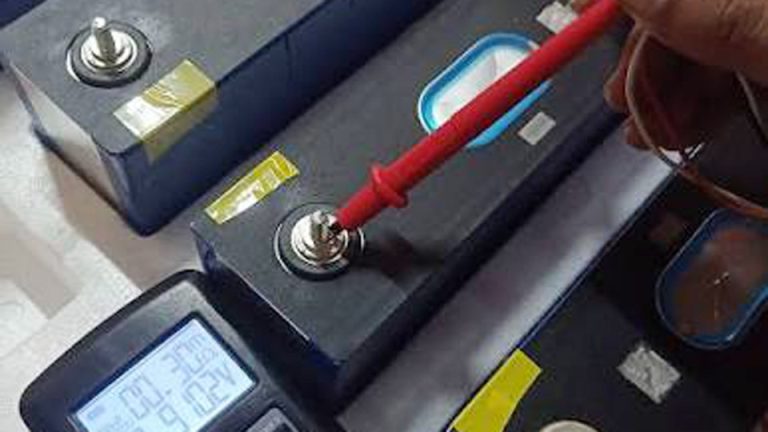
What Happens If You Have a Lithium Battery in Checked Luggage?
You’re halfway to the airport when it suddenly hits you — there’s a power bank, spare phone battery, or laptop battery sitting inside your checked suitcase. Most people don’t think twice about it until airline staff stop the bag, or worse, the luggage gets flagged during screening. That’s usually when the question comes up: what happens if you have a lithium battery in checked luggage?
Lithium batteries are incredibly common today, but they’re also one of the biggest safety concerns in air travel. A damaged or overheating battery inside the cargo hold can become a serious fire risk, which is why airlines and aviation authorities have strict rules about where these batteries can go.
The problem is that the rules can get confusing fast. Some batteries are allowed in carry-on bags, some are restricted completely, and certain devices depend on battery size, type, or whether the battery is removable.
I’ve seen travelers lose expensive power banks, delay flights, or scramble through their luggage at security simply because they packed the wrong way.
I’ll explain exactly what can happen if lithium batteries end up in checked luggage, which batteries are allowed, and how to pack them safely without risking confiscation, delays, or safety issues during your trip.
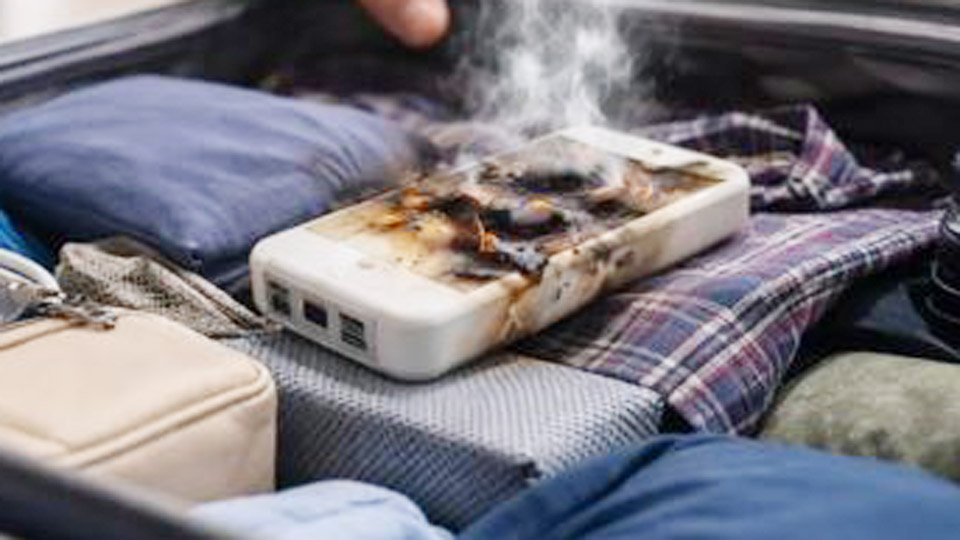
Image by theworldmag
Why Lithium Batteries Pose Unique Risks in Travel and Daily Use
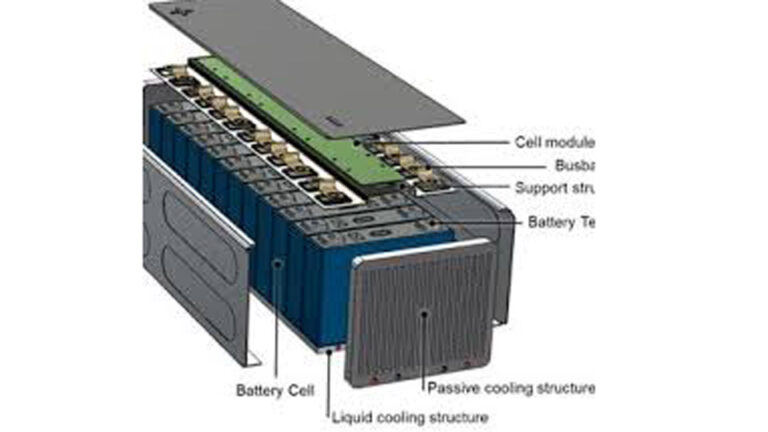
Lithium-based batteries store a lot of energy in a compact package. When things go wrong—physical damage, short circuit, overheat, or manufacturing defect—they can enter thermal runaway.
In the cargo hold, with no immediate access and potential pressure/temperature changes, a fire can spread fast. That’s why regulators insist on carry-on for spares.
In everyday scenarios, the same chemistry that makes them powerful can lead to swollen packs, reduced capacity, or sudden failure if mistreated. I’ve seen power tool batteries puff up after being left in a hot truck, and solar lithium banks degrade prematurely from poor charging. Knowledge of proper handling bridges travel safety and long-term performance.
Understanding Battery Chemistries: Lead-Acid, AGM, Gel, and Lithium Variants
Not all batteries behave the same. Choosing the right type for your car, motorcycle, solar system, or backup power makes all the difference in reliability and lifespan.
Flooded Lead-Acid
These are the classic wet-cell batteries. Affordable and widely available, but they require maintenance—checking electrolyte levels, avoiding deep discharges, and equalizing charges periodically. They’re heavy and prone to sulfation if left partially charged.
AGM (Absorbed Glass Mat)
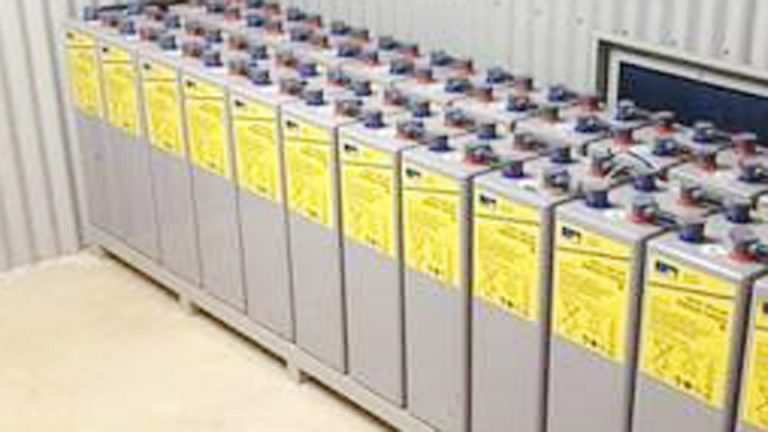
A sealed lead-acid variant where electrolyte is held in fiberglass mats. They handle vibration better (great for motorcycles or off-road vehicles), resist spills, and charge faster than flooded types. Less maintenance, but still sensitive to overcharging and deep cycling.
Gel
Another sealed lead-acid with thickened electrolyte. Excellent for deep-cycle applications like solar, but they charge more slowly and can be damaged by high currents or incorrect voltages.
Lithium-Ion (Typically NMC or NCA)
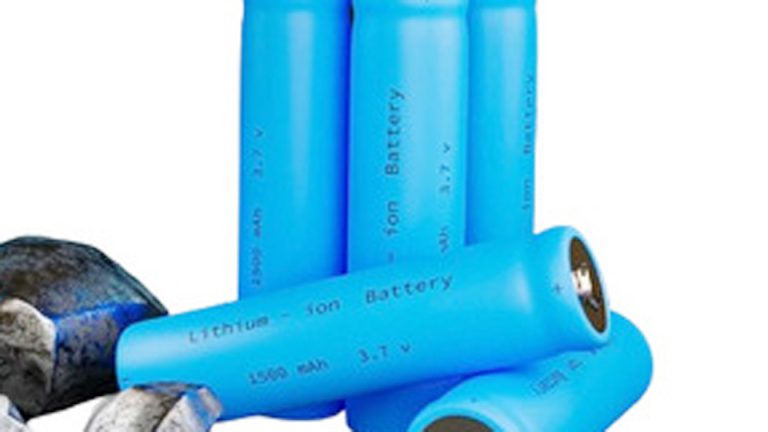
High energy density, lightweight, and excellent for EVs, power tools, and portable electronics. They deliver strong performance but can be more prone to thermal issues if damaged or poorly managed.
LiFePO4 (Lithium Iron Phosphate)
My go-to recommendation for most solar, RV, and deep-cycle needs. Safer chemistry with far lower fire risk, 2,000–5,000+ cycles (vs. 300–500 for lead-acid), and stable voltage output.
They weigh less than lead-acid for the same usable capacity and handle partial states of charge without degradation. Downside: higher upfront cost and slightly lower energy density than standard lithium-ion.
Battery Types Comparison
| Battery Type | Cycle Life (approx.) | Weight (for ~100Ah) | Safety | Best For | Upfront Cost |
|---|---|---|---|---|---|
| Flooded Lead-Acid | 300–800 | Heavy | Moderate (spill risk) | Budget starter batteries | Low |
| AGM | 500–1,200 | Medium | Good | Vehicles, vibration-prone | Medium |
| Gel | 500–1,000 | Medium | Good | Solar deep cycle | Medium |
| Lithium-Ion (NMC) | 500–2,000 | Light | Lower (thermal risk) | Portable electronics, EVs | High |
| LiFePO4 | 2,000–5,000+ | Light | Excellent | Solar, RV, backup, marine | High |
In real-world use, a LiFePO4 bank in a solar setup often pays for itself in 3–5 years through longevity and efficiency. For a daily driver car, AGM or flooded still makes sense for cost.
Voltage, Capacity, and Charging Fundamentals
Batteries are rated in voltage (12V, 24V, 48V systems common) and capacity—Amp-hours (Ah) for lead-acid, Watt-hours (Wh) for lithium to better reflect energy.
A 12V 100Ah lead-acid battery might give you only 50–60Ah usable to avoid damage. A 100Ah LiFePO4 gives nearly all 100Ah usable, with flatter voltage curve.
Charging voltages matter tremendously:
- Lead-Acid/AGM: Bulk ~14.4–14.8V, Float ~13.2–13.8V. Over 15V can cause gassing and damage.
- Gel: Often lower—around 14.1–14.4V bulk. Too high and the gel separates.
- LiFePO4: Charge to 14.4–14.6V (3.6V per cell). No float needed, or very low (13.5V). They hate being held at high voltage constantly.
Use the right charger or controller. A lead-acid charger on lithium can overcharge and damage the BMS (Battery Management System). Lithium chargers on lead-acid often undercharge.
Common mistake: Using a cheap automotive charger on a solar LiFePO4 bank. It cooks the cells over time. Invest in a smart charger with proper profiles.
Step-by-Step: Testing, Charging, and Maintaining Batteries
Testing a Battery
- Visual inspection: Look for swelling, leaks, corrosion.
- Voltage check: A healthy 12V lead-acid rests ~12.6–12.7V. Lithium ~13.0–13.3V.
- Load test or capacity test for deeper insight—especially before a trip or winter storage.
- For lithium, use a multimeter or Bluetooth BMS app to check individual cell balance.
Proper Charging Routine
- Match charger to chemistry.
- For lithium: Charge at 0.2C–0.5C rate (e.g., 20–50A for 100Ah).
- Avoid charging below 32°F (0°C) for most lithium without heaters.
- In solar systems, use MPPT controllers with lithium settings.
Storage Tips
Lead-acid: Store fully charged, check monthly.
Lithium (LiFePO4): Store at 50–80% charge in cool, dry place (ideal 50–77°F). They self-discharge very slowly.
I’ve pulled 8-year-old LiFePO4 packs from storage that still performed like new because they were kept at proper SOC and temperature.
Real-World Applications and Common Pitfalls
Cars and Motorcycles
AGM shines here for vibration resistance. Never let a lead-acid sit discharged over winter—sulfation kills plates. Lithium starter batteries exist but check cold-cranking amps.
Solar and Off-Grid
LiFePO4 dominates. Pair with quality BMS. One big mistake: undersizing your bank or using mismatched panels/controllers, leading to chronic undercharging.
UPS, Power Tools, Electronics
Lithium excels for weight and runtime. But don’t mix old and new cells, and protect from extreme heat/cold.
Travel Mistakes
Beyond checked luggage, I’ve seen people tape terminals poorly or pack damaged power banks. Always protect terminals with tape or original packaging. If a device gets hot in your bag, remove it immediately.
Safety Considerations and Troubleshooting
Overcharging, short circuits, physical damage, and extreme temperatures top the failure list. Lithium packs have BMS for protection, but it’s not foolproof—especially cheap imports.
Troubleshooting low performance:
- Check connections and corrosion.
- Test voltage under load.
- Balance cells on lithium banks.
- For lead-acid, check specific gravity if flooded.
If traveling, declare larger batteries if needed and keep everything accessible in carry-on.
Choosing and Replacing Batteries Confidently
Calculate your needs: Daily energy use in Wh, divide by system voltage for Ah, then factor in days of autonomy and depth of discharge. For solar, oversize 20–50%.
Replacement steps:
- Disconnect negative first.
- Remove old battery carefully.
- Clean terminals.
- Install new with proper torque.
- Program charger/controller.
- Test system.
Practical Takeaways for Battery Owners
You’ve now got the hands-on knowledge to avoid the common traps that ruin batteries and create hazards. Match chemistry to use case, charge correctly, store smartly, and never treat lithium packs casually—especially when flying.
Here’s a pro tip I share with every technician I train: On any lithium installation (solar, RV, or backup), add a low-voltage disconnect and monitor cell voltages individually via Bluetooth. Catching imbalance early prevents cascading failures and extends life dramatically.
FAQ
Can I put a laptop or device with a built-in lithium battery in checked luggage?
Sometimes yes, if the device is fully powered off and protected from accidental activation. However, many experts and airlines recommend carry-on whenever possible for better access and monitoring. Spare batteries are almost never allowed in checked bags.
What happens if TSA finds a power bank in my checked suitcase?
They’ll likely remove it, contact you if possible, and your bag may miss the flight. In worst cases, it delays everyone. Always move spares to carry-on before checking.
Is LiFePO4 safer than regular lithium-ion for home solar?
Yes. Much lower risk of thermal runaway, making it ideal for indoor or enclosed installations where fire safety matters most.
How long do lithium batteries really last in a car or solar setup?
LiFePO4 often delivers 8–15+ years with proper care. Standard lithium-ion varies more but generally less in deep-cycle roles. Lead-acid types last 3–7 years typically.
What’s the biggest charging mistake people make?
Using the wrong voltage profile. A lead-acid charger on lithium can trigger overvoltage protection or damage cells. Always verify settings.