What Happens If You Recharge Alkaline Batteries Safely?
It usually starts with a simple thought: Why throw these batteries away if I can recharge them? I’ve had people bring me flashlights, TV remotes, and wireless gadgets after trying exactly that.
Some batteries seemed to work for a short time, while others became hot, leaked, or stopped working altogether. That’s why What Happens If You Recharge Alkaline Batteries is a question worth asking before you plug them into a charger.
Many people assume all batteries recharge the same way, especially when rechargeable AA batteries look almost identical to standard alkaline ones.
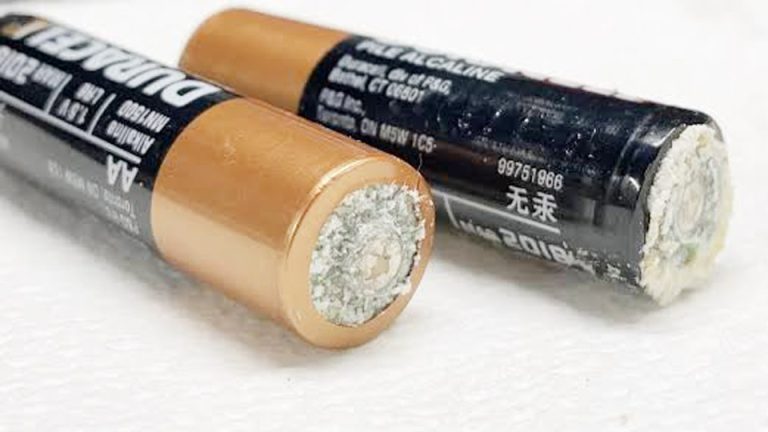
In reality, alkaline batteries are built for single use, and forcing them through a charging cycle can lead to reduced performance, leakage, swelling, or even rupture in some cases. What seems like an easy way to save money can quickly turn into a damaged device or an unexpected safety risk.
I’ve tested different battery types and seen the results of improper charging firsthand. Understanding how alkaline batteries react to recharging can help you avoid costly mistakes, protect your electronics, and know when it’s worth choosing a rechargeable alternative instead.
I’ll explain exactly what happens inside an alkaline battery during recharging, why manufacturers advise against it, the potential dangers to watch for, and the safer options that deliver better long-term value.
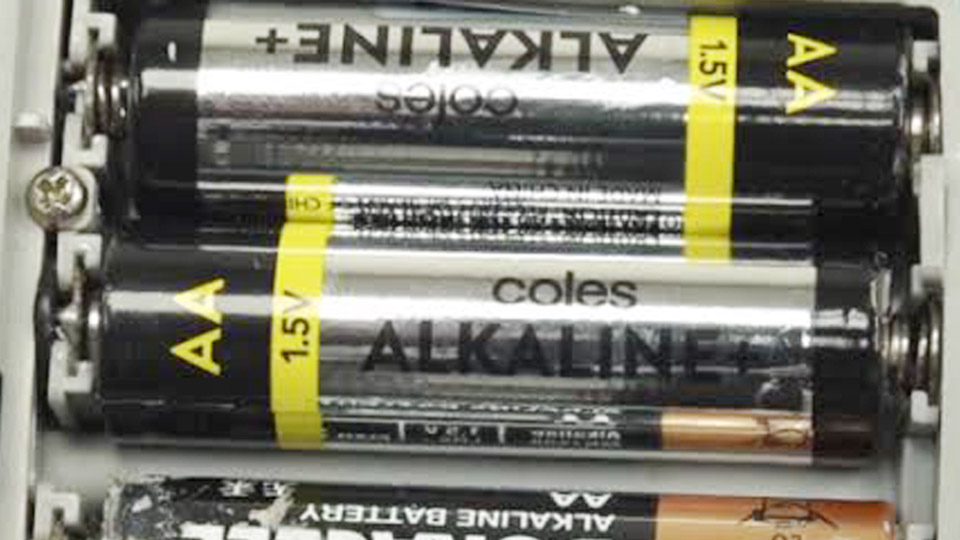
Image by upsbatterycenter
How Alkaline Batteries Work
Alkaline batteries are a type of primary battery. This means they are made to be used once and then thrown away. Inside, there is a chemical reaction between zinc and manganese dioxide. As the battery powers your device, zinc gets used up, and the battery’s energy drops until it’s empty.
When you use a rechargeable battery like NiMH (nickel-metal hydride), the chemical reaction can be reversed by sending electricity back into the battery.
But alkaline batteries do not have the same chemistry. Their design is for one-way use. This difference is why recharging alkalines is risky and not recommended by battery makers.
The Science Of Recharging Alkaline Batteries
Trying to recharge an alkaline battery means forcing current back through the battery’s chemicals. When you do this, a few things can happen:
- Partial Reversal: Some of the used zinc can change back, and the battery might give you a little more life.
- Gas Buildup: The process creates hydrogen gas inside the battery. There’s no vent, so pressure grows.
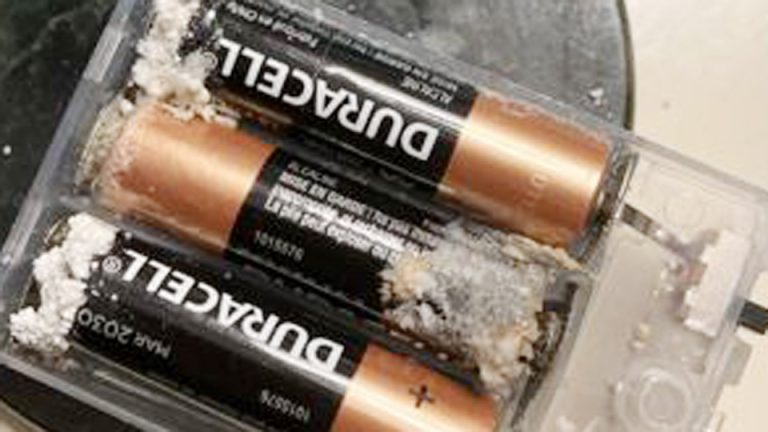
- Internal Damage: The battery’s insides can break down, leading to leaks, swelling, or even bursting.
Unlike rechargeable batteries, alkalines do not have safety features to handle this stress. The chemistry is not fully reversible. You may get a small boost in power, but the risks are real.
What Happens Physically When You Recharge
The actual process inside an alkaline battery is complex. Here’s a simple breakdown:
- Initial Discharge: When you use the battery, zinc turns into zinc oxide. Electrons flow and power your device.
- Recharging Attempt: You send electricity back, hoping to turn zinc oxide back into zinc. Only some of this happens.
- Side Reactions: Extra reactions can occur, such as water splitting and gas forming. Materials inside may break apart or change shape.
Over time, this damages the battery. You may see leaking fluid or a battery that feels warm or swollen. In rare cases, the battery can burst or spray chemicals.
Why People Try To Recharge Alkaline Batteries
With the high cost of batteries and concerns about waste, some people search for ways to get more life from their alkalines. Reasons include:
- Saving money: Batteries are expensive, especially for toys and high-drain devices.
- Reducing waste: Fewer batteries in the trash is better for the planet.
- Curiosity: Some people enjoy testing limits or experimenting with technology.
There are even special chargers marketed as “alkaline rechargers. ” These claim to safely recharge your batteries a few times. But what is the truth behind these claims?
What Really Happens: Results From Trying To Recharge
People have tested recharging alkaline batteries for decades. The results are mixed, but some patterns are clear.
First Recharge
- Some batteries regain 10-70% of their original capacity, depending on how empty they were before recharging.
- Batteries that are not fully dead respond better. Fully drained batteries often cannot be recharged at all.
After Multiple Recharges
- Each cycle gives less power. Usually, by the second or third recharge, capacity drops sharply.
- Leakage and swelling become more likely with each recharge.
- Performance is unpredictable. Two batteries from the same pack may act differently.
Device Compatibility
- Low-drain devices like clocks or remote controls can sometimes run on recharged alkalines.
- High-drain devices (cameras, toys, flashlights) may not work at all, or batteries may die quickly.
Data Example
Here’s a typical result from a home test of recharging alkaline AA batteries:
| Recharge Cycle | Recovered Capacity (%) | Noticeable Issues |
|---|---|---|
| 1st recharge | 50–70% | None or minor |
| 2nd recharge | 20–40% | Leakage risk rises |
| 3rd recharge | 10–20% | Swelling/leaks common |
This shows that the first recharge gives the most benefit, but each attempt after that is less useful and more dangerous.
Safety Risks: The Hidden Dangers
Trying to recharge alkaline batteries is not just disappointing—it can be dangerous. The main risks are:
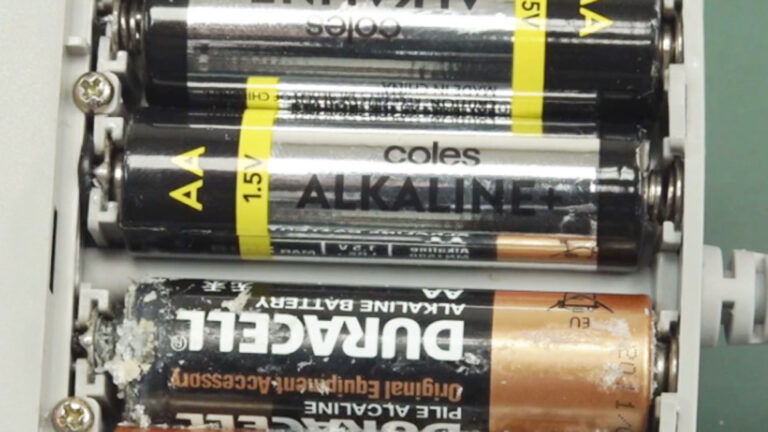
- Leakage: The battery can ooze potassium hydroxide, a caustic chemical that can burn skin or damage devices.
- Bursting: Gas builds up inside. With no vent, the battery can burst, spraying chemicals.
- Fire Hazard: If a charger is not designed for alkaline batteries, it may overheat or spark.
- Device Damage: Leaking batteries can destroy the electronics of remotes, clocks, or toys.
A common beginner mistake is leaving batteries in the charger too long, hoping for a “full” charge. This only increases the chance of leaks or bursts. In rare cases, people have suffered minor burns or eye injuries from battery explosions.
Real Incident Example
In 2016, a user on a popular electronics forum shared how a recharged alkaline battery burst inside a flashlight. The resulting leak corroded the metal contacts, ruining the device. This is not rare—many repair shops see battery leaks as a top cause of electronics failure.
What About “alkaline Battery Chargers”?
Some companies sell chargers that claim to “safely recharge” regular alkaline batteries. They use lower current and stop charging early to lower the risk. Do they work?
- Partial Success: Some users report success, especially with batteries that are not fully dead.
- Shorter Battery Life: Even with these chargers, batteries only last 1–2 more cycles.
- Risks Remain: Leaks, swelling, and damage still happen, just less often.
Most battery makers do not recommend using these chargers. Their warranty does not cover any damage from recharging.
Environmental Impact: Is It Worth It?
People often hope that recharging alkalines will reduce waste. In reality, the effect is small.
- Limited Reuse: Each battery can only be recharged a few times, and only partially.
- More E-waste Risk: Damaged batteries are more likely to leak in landfills or recycling centers.
- Better Options: Using real rechargeable batteries like NiMH or lithium-ion gives hundreds of cycles and less waste.
Here is a simple comparison between battery types and their reusability:
| Battery Type | Designed Charge Cycles | Safe to Recharge? | Typical Use Case |
|---|---|---|---|
| Alkaline | 1 (up to 2–3 with risk) | No | Clocks, remotes |
| NiMH (rechargeable) | 300–500 | Yes | Toys, cameras, flashlights |
| Lithium-ion | 500–1000 | Yes | Phones, laptops |
The best way to help the environment is to switch to batteries meant for recharging.
Common Myths About Recharging Alkalines
There are many stories about getting “free power” by recharging alkalines. Let’s clear up some myths:
1. “you Can Recharge Any Battery.”
Not true. Alkalines are made for one-time use. Only certain chemistries are rechargeable.
2. “alkaline Chargers Make It Safe.”
They lower the risk, but do not remove it.
3. “it’s Just As Good As New.”
Even after a recharge, an alkaline battery will never perform like new.
4. “no Risk If You Watch The Battery.”
Dangers like leaks or bursts can happen suddenly and without warning.
5. “you Can Recharge Indefinitely.”
Most alkalines only survive 1–2 recharge cycles before failing.
Comparing Alkaline Batteries With Rechargeable Alternatives
If you use a lot of batteries, it’s smart to compare your options.
Cost Over Time
While alkaline batteries are cheap up front, rechargeable batteries save money in the long run. For example, a four-pack of NiMH AA batteries costs around $12, but can be used 300+ times. A four-pack of alkalines may cost $4, but must be replaced every time.
Performance
Rechargeable batteries usually have a slightly lower voltage (1. 2V vs 1. 5V for alkalines) but deliver more consistent power under load. Many modern devices work fine with the lower voltage.
Safety
Rechargeable batteries are built with protection features. They can vent gas safely and are tested for many cycles.
Practical Example
If you have a child’s toy that uses 4 AA batteries and runs 20 hours per set:
- Using alkalines: You might buy 20 sets per year = $80.
- Using NiMH: You buy once and recharge = $12 + electricity cost (very low).
You save money and avoid the risk of leaks or bursts from trying to recharge alkalines.
When (if Ever) Is It Worth Trying?
Are there any times when recharging an alkaline battery is okay? In rare cases, yes—but only if:
- The battery is not fully dead (stopped working, but not drained).
- You use a special charger made for alkalines.
- You need power in a low-drain device, and have no other option.
- You can watch the battery the whole time and remove it if it gets hot, swells, or leaks.
Even then, the risks are real. Never recharge alkalines in a device or leave them unattended.
How To Safely Dispose Of Alkaline Batteries
If you decide not to recharge, knowing how to get rid of batteries safely matters. In many places, small amounts of alkaline batteries can go in the trash, but recycling is better.
- Battery recycling centers: Many stores collect used batteries.
- Community hazardous waste events: These are good for large numbers of batteries.
- Do not burn or crush: Both can release toxic chemicals.
Keeping batteries dry and cool before disposal lowers the risk of leaks.
Two Common Mistakes Beginners Make
1. Mixing Old And New Batteries
Many people put a recharged alkaline together with a new one in the same device. This can cause the weaker battery to leak or fail faster, damaging the device.
2. Ignoring Warning Signs
Beginners often miss signs like batteries feeling hot, swelling, or leaking. Using or charging a battery in this state is dangerous. Always remove and safely dispose of any battery showing these problems.
Expert Tips For Battery Users
- For most people, NiMH rechargeable batteries are the best choice for everyday electronics.
- If you must use alkalines, buy only as many as you need and store them in a cool, dry place.
- Never try to recharge 9V alkaline batteries or specialty types (like button cells). The risks are much higher.
- If you experiment with recharging, do it outside the device and away from children or pets.
The Bottom Line: Is It Ever Worth It?
Recharging alkaline batteries is possible—but rarely practical or safe. You might get a little more life, but you risk leaks, device damage, or injury. The chemistry just isn’t designed for it.
For anyone who uses batteries often, the smart move is to buy real rechargeable batteries. They cost more up front but last for years and save you money, time, and worry.
Wrapping Up
While recharging alkaline batteries may sound like a clever hack, the dangers and short lifespan mean it’s rarely worth the effort. For safety, savings, and reliability, invest in batteries made to be recharged.
Frequently Asked Questions
Can I Safely Recharge Any Alkaline Battery At Home?
No. Alkaline batteries are made for one-time use. While some chargers claim to recharge them, the risks of leaks, swelling, or bursting are high. Only try if you are aware of the dangers and never leave them unattended.
Will Recharged Alkaline Batteries Work In All Devices?
Usually, recharged alkaline batteries only work well in low-drain devices such as clocks or TV remotes. In high-drain devices, they may not last long or may not work at all.
How Many Times Can I Recharge An Alkaline Battery?
Most alkaline batteries survive only 1–2 recharge cycles before failing or leaking. Each cycle gives less power. More than two cycles is unsafe and not recommended.
Why Do Some Alkaline Batteries Leak After Recharging?
Recharging builds up gas pressure inside the battery. Alkalines are not designed to handle this, so the pressure often causes leaks or even ruptures.
What Is The Best Alternative To Recharging Alkalines?
The best choice is to use NiMH rechargeable batteries. They are designed for hundreds of cycles, are safer, and more cost-effective over time.